The Ultimate Guide to Cleaning Your Home with Vodka A Sustainable and Scientific Approach to Domestic Hygiene

The global shift toward sustainable living has prompted a significant re-evaluation of common household chemicals, leading many consumers to return to traditional, bio-based cleaning methods. Among these, the use of vodka as a versatile cleaning agent has emerged as a scientifically grounded alternative to conventional synthetic detergents. While primarily recognized as a distilled spirit for consumption, vodka’s high ethanol content makes it an effective solvent, degreaser, and deodorizer. As households increasingly seek to reduce their exposure to volatile organic compounds (VOCs) and phthalates—often found in commercial air fresheners and glass cleaners—the application of high-proof alcohol in domestic maintenance has moved from a niche "life hack" to a recognized practice in sustainable home management.
The Chemical Mechanism of Ethanol as a Cleaning Agent
To understand why vodka is effective in a domestic setting, one must examine its chemical composition. Most commercial vodkas consist of approximately 40% ethanol (80 proof) and 60% water. Ethanol is a polar solvent, meaning it possesses both hydrophilic (water-attracting) and lipophilic (fat-attracting) properties. This dual nature allows it to dissolve substances that water alone cannot, such as oils, waxes, and certain types of adhesives.
When applied to a surface, the ethanol molecules surround grease and grime, breaking the intermolecular bonds that hold these contaminants to the substrate. Furthermore, vodka’s high volatility ensures a rapid evaporation rate. Unlike soap-based cleaners that leave a surfactant residue, vodka evaporates entirely, taking dissolved impurities with it and leaving a streak-free finish. This property is particularly advantageous for non-porous surfaces such as glass, chrome, and stainless steel.
Historical Context and Professional Precedents in Textile Care
The use of vodka for cleaning is not a modern invention but rather a long-standing industry secret within the performing arts. For decades, costume departments in world-renowned institutions, including the Dutch National Opera & Ballet and various Broadway productions, have utilized vodka to maintain delicate garments.
In high-intensity environments like professional ballet or theater, performers often wear intricate, multi-layered costumes made of silk, lace, or heavy embroidery that cannot be laundered daily without causing structural damage. Wardrobe managers utilize a fine mist of vodka to neutralize odors between performances. The alcohol kills the odor-causing bacteria that thrive in perspiration-soaked fabrics. Because vodka is clear and odorless once dry, it does not stain the fabric or leave a lingering scent of alcohol, allowing costumes to remain fresh for the duration of a production’s run. This professional precedent serves as a proof of concept for the efficacy of vodka as a fabric refresher in residential settings.
Practical Applications in the Modern Household
Advanced Textile Deodorization
For residential use, vodka serves as an effective alternative to synthetic fabric fresheners. By filling a spray bottle with undiluted, unflavored vodka and lightly misting garments—particularly in high-moisture areas like the underarms—homeowners can extend the time between launderings. This practice not only preserves the integrity of the textile fibers but also reduces the environmental footprint associated with water and energy consumption in mechanical washing.
Precision Glass and Mirror Maintenance
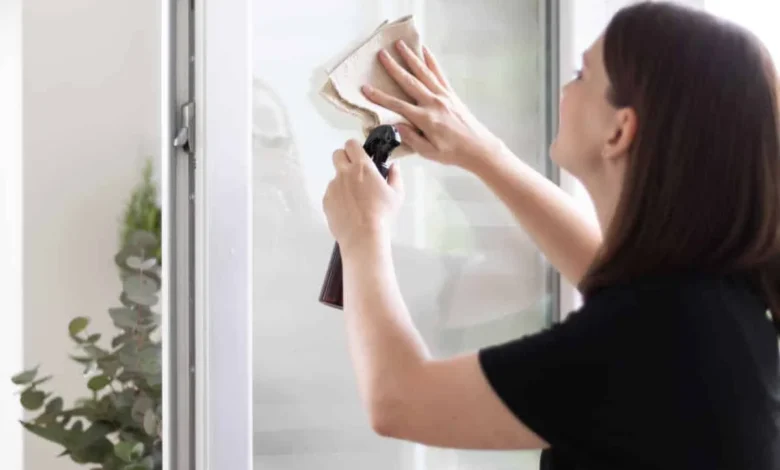
Conventional glass cleaners often rely on ammonia, which can produce harsh fumes and lead to respiratory irritation. A specialized vodka-based solution offers a professional-grade alternative. A recommended formulation involves:
- 60ml Vodka
- 60ml White Vinegar
- 1 tablespoon Cornflour (to act as a gentle abrasive for stubborn residue)
- 250ml Water
The synergy between the acetic acid in the vinegar and the ethanol in the vodka ensures that grease is dissolved while the cornflour buffs away micro-deposits, resulting in a crystalline finish on mirrors and windows.
Adhesive and Residue Removal
The solvent properties of vodka make it highly effective at breaking down the synthetic polymers found in label adhesives. When removing stickers from glass jars or price tags from mirrors, a cloth saturated in vodka and held against the area for 60 to 120 seconds will soften the glue, allowing it to be wiped away without the need for mechanical scraping, which could scratch the surface.

Daily Shower Maintenance
To prevent the buildup of soap scum and calcium deposits on glass shower screens, a diluted vodka spray can be used as a daily preventative measure. A mixture of 75ml vodka and 150ml water, enhanced with antimicrobial essential oils such as peppermint or tea tree, creates a hydrophobic barrier that encourages water to bead off the glass, significantly reducing the frequency of deep cleaning required.
The Disinfection Debate: 40% vs. 70% Alcohol
A critical distinction must be made between cleaning and disinfecting. While vodka is an exceptional cleaner and deodorizer, its efficacy as a medical-grade disinfectant is limited by its alcohol concentration. According to guidelines issued by the Centers for Disease Control and Prevention (CDC) and the World Health Organization (WHO), an alcohol concentration of at least 60% to 70% is required to effectively denature the proteins of most viruses and bacteria.
Most standard vodkas are bottled at 40% ABV. While this concentration is sufficient to kill some bacteria and neutralize odors, it does not meet the threshold for sanitizing high-risk surfaces such as raw meat preparation areas or medical equipment. For general household maintenance, vodka is an excellent tool for removing grime and refreshing fabrics, but it should not be substituted for specialized disinfectants in scenarios involving pathogens.
Material Safety and Prohibited Surfaces
Despite its versatility, the solvent nature of vodka poses risks to certain materials. Homeowners must exercise caution when applying alcohol-based cleaners to the following:
- Unsealed and Finished Wood: Ethanol can penetrate the pores of unsealed wood, leading to dehydration and warping. On finished furniture, alcohol acts as a paint stripper, potentially dissolving lacquers, varnishes, and waxes.
- Coated Electronics: Modern television screens, tablets, and smartphones are often treated with oleophobic (oil-repellent) or anti-glare coatings. Alcohol can chemically degrade these thin films, leading to permanent clouding or loss of touch sensitivity.
- Delicate Natural Fibers: While effective on many textiles, vodka should be avoided on leather and suede, as it strips the natural oils required to keep the material supple, leading to cracking. On silk, it may cause water-spotting or localized discoloration.
Economic and Regulatory Considerations
The feasibility of using vodka as a cleaning agent often depends on regional alcohol taxation and pricing laws. In jurisdictions such as Scotland, the implementation of Minimum Unit Pricing (MUP) for alcohol—designed to curb public health issues related to alcohol consumption—means that even the least expensive "own-brand" vodkas carry a baseline price.
However, proponents of green cleaning argue that because vodka is used in small, targeted quantities, a single bottle can last significantly longer than multiple bottles of specialized cleaners. When compared to the cost of high-end, "eco-friendly" branded cleaners, which often command a premium price, bulk-purchased vodka remains a competitive and multi-functional alternative.
Environmental Impact and Sustainability Analysis
The environmental benefits of transitioning to vodka-based cleaning are multifaceted. Firstly, it reduces the "chemical load" of a household. Conventional cleaners often contain synthetic fragrances and dyes that can trigger allergies and contribute to indoor air pollution.
Secondly, the use of a single, multi-purpose ingredient reduces plastic waste. By utilizing a glass bottle of vodka and a reusable spray trigger, consumers can eliminate the need for specialized plastic bottles for glass cleaners, fabric refreshers, and degreasers. Furthermore, ethanol is biodegradable and does not persist in the environment or bioaccumulate in aquatic life, unlike certain surfactants and phosphates found in industrial detergents.
Future Outlook: The Rise of Bio-Based Solvents
As the regulatory landscape surrounding household chemicals tightens—particularly in the European Union under REACH (Registration, Evaluation, Authorisation and Restriction of Chemicals) regulations—the industry is seeing a shift toward bio-based solvents. The resurgence of vodka in the domestic sphere is a microcosm of this larger trend.
Sustainability experts suggest that the future of home maintenance lies in "simple chemistry." By returning to transparent, single-ingredient solutions like ethanol, vinegar, and citric acid, consumers regain control over their indoor environments. While vodka may have originated as a beverage, its transition into the cleaning cupboard represents a pragmatic marriage of chemistry and conservation, providing a powerful tool for the modern, eco-conscious household.
Related posts: