Mini Apple Tarts: A Modern Culinary Solution for Efficient and Nutritious Family Dessert Preparation

The culinary landscape for busy households has shifted significantly over the past decade, with an increased emphasis on time-efficient, portion-controlled, and nutritionally conscious dessert options. The emergence of the Mini Apple Tart as a staple in domestic kitchens represents this trend toward simplified gourmet cooking. By utilizing pre-prepared tart shells and a rapid sautéing method for the fruit filling, home cooks can achieve a professional-grade dessert while maintaining control over sugar content and ingredient quality. This article examines the technical methodology, nutritional profile, and broader implications of this recipe’s adoption in modern meal planning.
The Evolution of Simplified Dessert Preparation
Historically, the preparation of fruit-based tarts required extensive labor, including the manual creation of shortcrust pastry, lengthy blind-baking sessions, and hours of oven-time for filling reduction. The current shift toward "shortcut" ingredients—specifically pre-baked or store-bought tart shells—reflects a market-driven demand for efficiency.
Culinary experts note that the transition to mini-format desserts is not merely aesthetic; it is a strategic choice for portion control. By reducing the size of the individual serving, households can offer a satisfying sweet finish to a meal without the excess caloric density associated with traditional full-sized pies. The method relies on the "Sautéed Apple" technique, a process that concentrates natural fruit sugars and flavors in a nonstick skillet within minutes, rather than relying on the long, high-heat roasting processes that often lead to uneven cooking.
Chronology and Methodology of Preparation
The preparation of Mini Apple Tarts follows a distinct, four-stage procedural workflow designed to maximize efficiency:
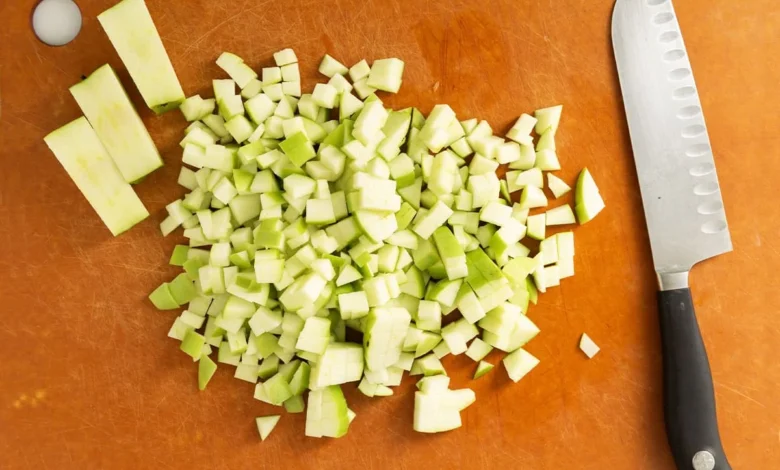
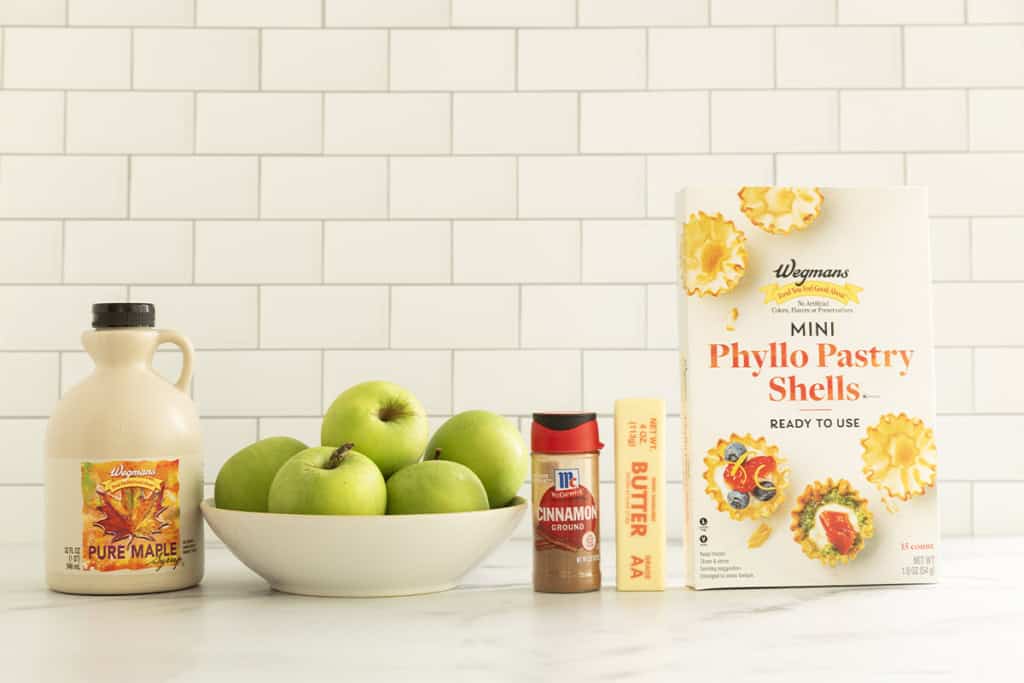
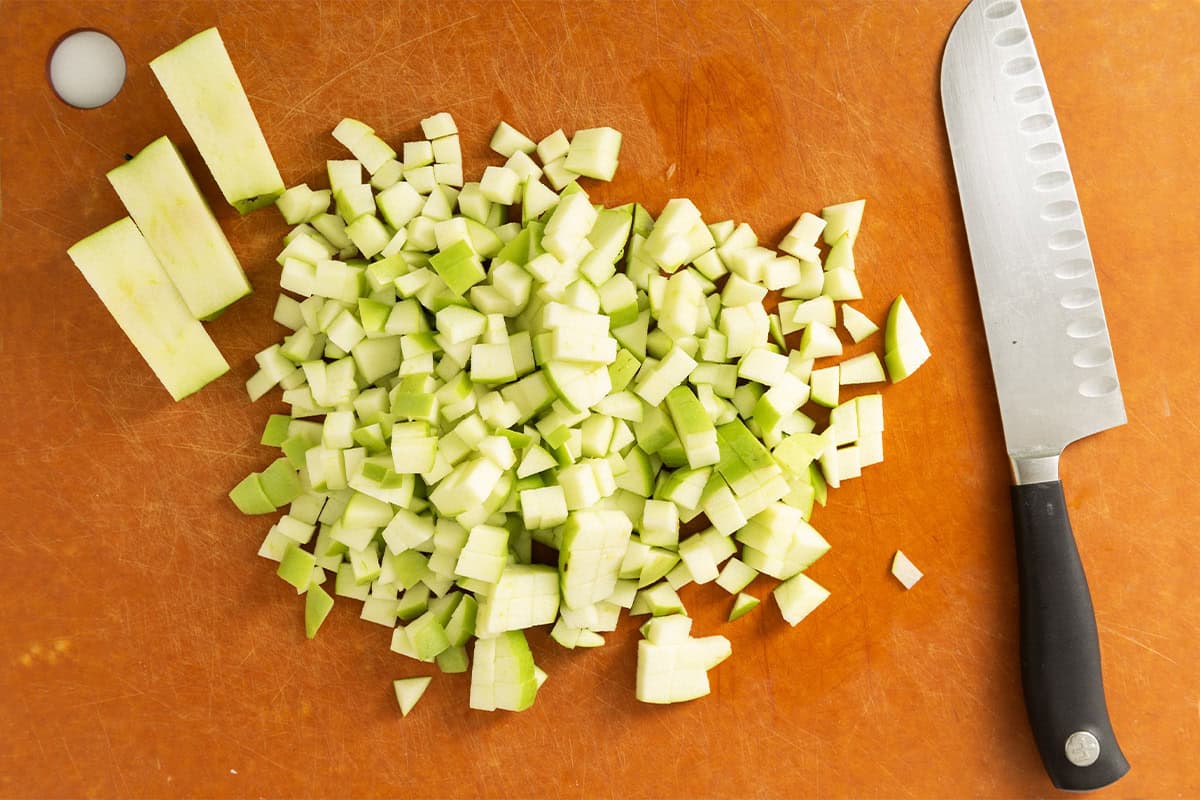
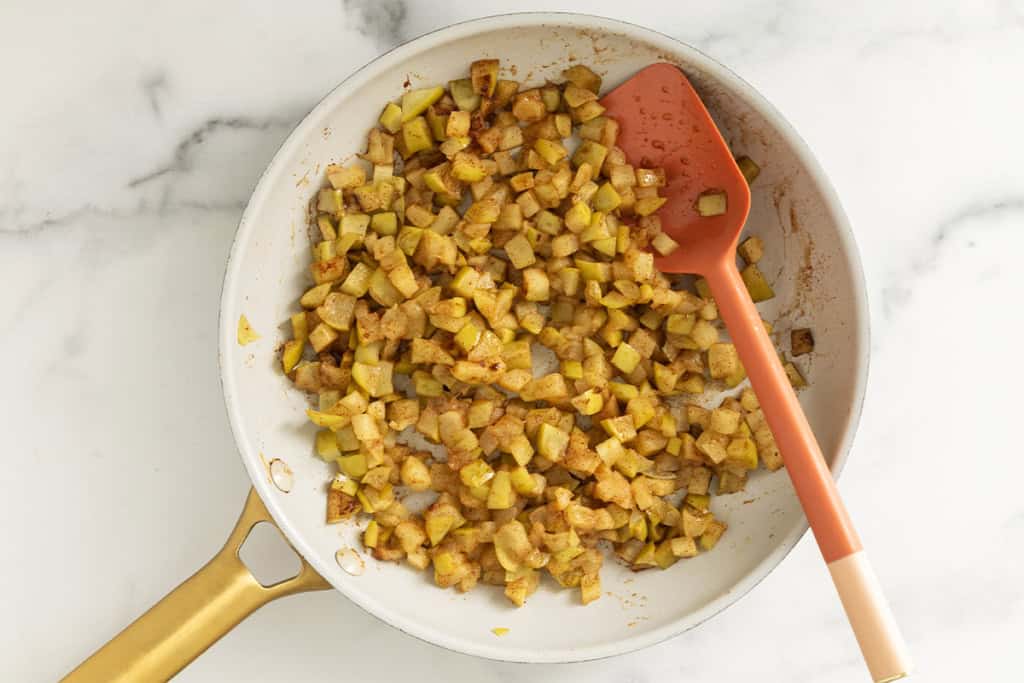
- Fruit Preparation and Reduction: The process begins with the precision chopping of firm, orchard-fresh apples. Unlike traditional baking, where apples are cooked inside the pastry, this method uses a stovetop sauté. By introducing the fruit to a medium-heat nonstick skillet with a small amount of butter or oil, the cook initiates a controlled softening process.
- Flavor Infusion: As the apple cellular structure breaks down, heat-stable aromatics such as ground cinnamon are introduced. The addition of a sweetener—often natural or low-glycemic alternatives—occurs at the end of the sauté to ensure proper caramelization without burning the sugars.
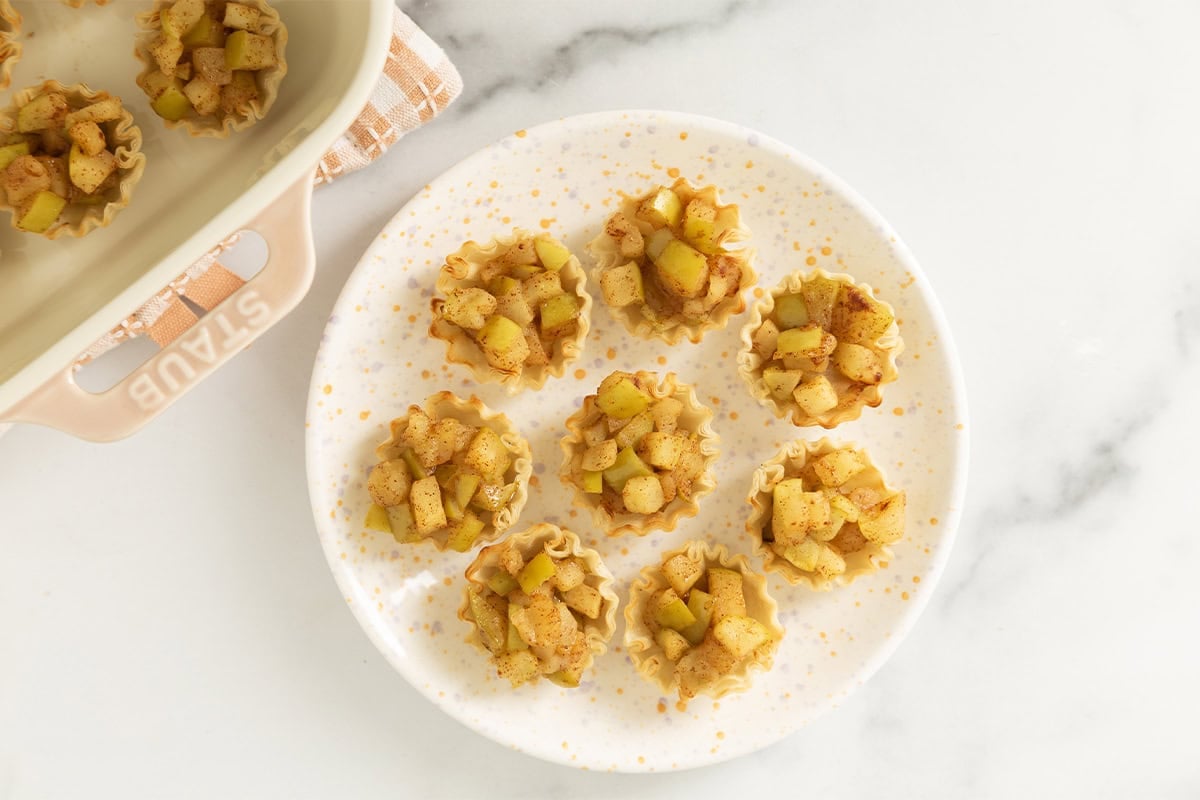
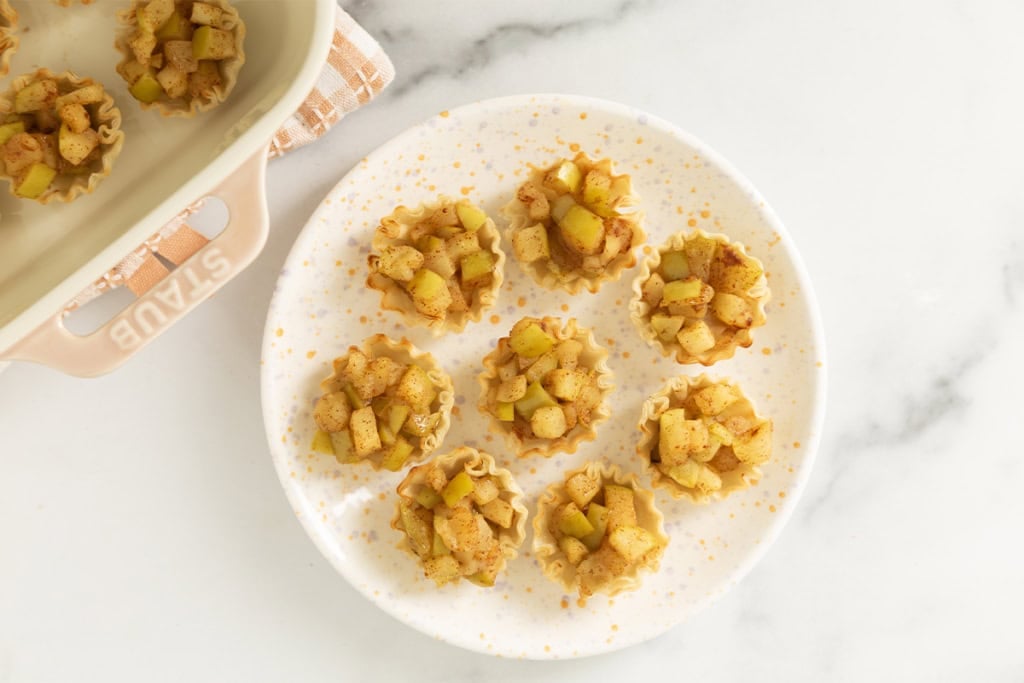
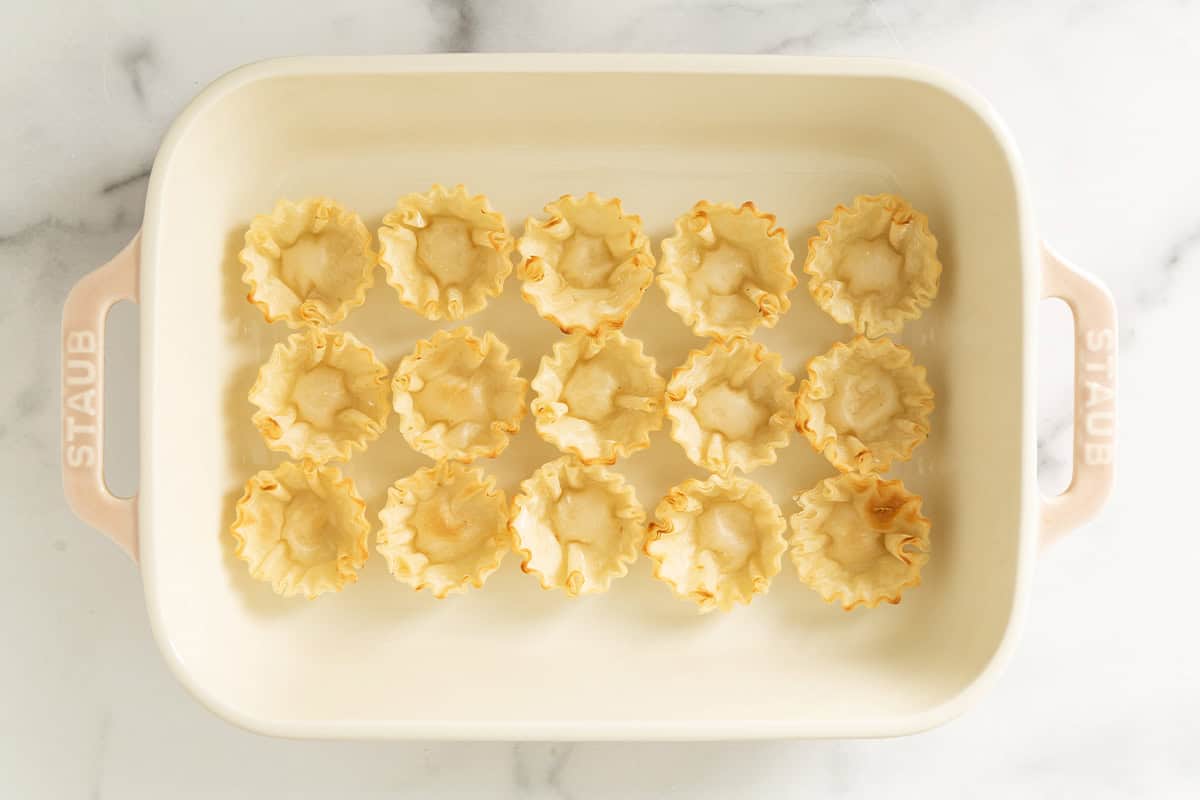
- Shell Assembly: The use of pre-made tart shells allows for a significant reduction in preparation time. These are arranged on a standard baking sheet, serving as the stable vessel for the pre-cooked, warm fruit mixture.
- Thermal Finishing: The final stage involves a brief period in a preheated oven. This step is not intended for the cooking of the fruit, but rather for the texturization of the shell, ensuring a crisp exterior that provides a textural contrast to the soft, spiced filling.
Nutritional Analysis and Dietary Considerations
For parents and health-conscious consumers, the nutritional profile of this dessert offers a favorable balance compared to commercial bakery products. With approximately 221 kilocalories per two-tart serving, the recipe remains within a manageable range for children and adults alike.
The inclusion of fiber, derived from the apple skins and flesh, provides a satiety signal often missing in highly processed sweets. Furthermore, by customizing the "added sugars" component, the home cook can drastically reduce the total glucose load. Data regarding the specific nutrient density of this preparation shows a sodium content of approximately 102mg, which is notably low for a baked good, and a modest protein content of 4g per serving, primarily derived from the pastry crust. The reliance on whole fruit as the primary ingredient distinguishes this dish from processed snacks, aligning it with broader public health recommendations to increase whole-food consumption in children’s diets.
Broader Impact on Modern Meal Planning
The popularity of the Mini Apple Tart is indicative of a broader cultural movement toward "modular" cooking. In this model, components of a meal are prepared in advance, allowing for rapid assembly during the evening rush.
Industry analysts observing consumer behavior in the home-cooking sector suggest that the success of these tarts is tied to their versatility. The filling can be prepared up to 48 hours in advance and stored in the refrigerator, allowing for a "fresh-baked" result in under ten minutes of active labor. This temporal flexibility is critical for working parents who seek to maintain home-cooked routines despite limited time.
Furthermore, the recipe’s adaptability—allowing for the substitution of pears, berries, or other seasonal stone fruits—provides a sustainable framework for year-round usage. This scalability and versatility are primary drivers for its inclusion in diverse meal-planning databases.
Expert Perspectives on Culinary Simplification
Dietitians and child development specialists have frequently lauded the use of mini-format foods as a tool for teaching portion awareness. By presenting a dessert in a pre-portioned, individual unit, caregivers can provide a sense of autonomy to children, allowing them to choose their serving size without the complexity of cutting or dividing larger, fragile pastries.
Professional pastry chefs, while traditionally favoring scratch-made components, acknowledge the practical value of the "shortcut" methodology. "The goal of home cooking is accessibility," says one culinary consultant. "When you remove the technical barrier of pastry-making, you remove the intimidation factor. The result is a family that is more likely to engage with the cooking process and less likely to rely on store-bought, shelf-stable goods with long ingredient lists and preservatives."
Strategic Storage and Sustainability
A critical aspect of the recipe’s appeal is its compatibility with modern kitchen technology. The ability to store the tarts in an airtight container for up to five days minimizes food waste. Moreover, the re-crisping process—utilizing an air fryer or toaster oven for a 2–3 minute blast of convection heat—effectively restores the structural integrity of the tart shell. This capability prevents the "soggy bottom" issue that often plagues fruit-based desserts stored in refrigerated environments, further enhancing the user experience.
Conclusion: A Sustainable Future for Home Baking
The Mini Apple Tart stands as a prime example of how traditional baking can be adapted for the modern, fast-paced world without sacrificing quality or nutritional integrity. Through the intelligent use of shortcut ingredients, efficient stovetop techniques, and a focus on nutrient-dense fruit, this dish offers a reliable, low-stress solution for household dessert needs. As food costs fluctuate and time remains a premium commodity for the modern family, the trend toward recipes that prioritize both speed and wholesome ingredients is likely to persist. The Mini Apple Tart is, therefore, more than a simple recipe; it is a reflection of a practical, evolving approach to domestic nutrition that empowers the home cook to create consistent, high-quality outcomes with minimal complexity.