Embracing Autumnal Flavors: A Comprehensive Look at Seasonal Meal Planning Trends and Family Nutrition Strategies


As the calendar turns and the crisp air of autumn begins to sweep across the country, household routines inevitably shift toward comfort, warmth, and seasonality. Food culture undergoes a distinct transformation during this transitional period, moving away from light, rapid summer fare and gravitating toward heartier, produce-driven dishes that highlight the bounty of the autumn harvest. Meal planning during this time of year serves a dual purpose for modern households: it alleviates the cognitive load of daily dinner preparation while capitalizing on the peak nutritional value of seasonal fruits and vegetables. Culinary experts and family nutrition advocates emphasize that integrating autumn produce—such as squash, apples, root vegetables, and late-season greens—not only enhances the flavor profile of home-cooked meals but also introduces children to a wider variety of whole foods.
The psychology of meal planning has long been studied by behavioral nutritionists and family economists. According to data compiled by the United States Department of Agriculture (USDA) and various consumer research groups, structured weekly meal planning significantly reduces household food waste, lowers overall grocery expenditures, and decreases reliance on processed convenience foods. In an era where working parents face unprecedented time constraints, having a predetermined menu for mid-week dinners acts as a logistical anchor. The overarching philosophy championed by culinary educators focuses on the intersection of simplicity and nutrition, asserting that wholesome family meals do not require complex culinary techniques or hours of active labor in the kitchen. Instead, successful weeknight dinners rely on smart ingredient synergy, minimal cleanup, and high-yield recipes that appeal to both adult and pediatric palates.
Mid-Week Culinary Execution: A Closer Look at Wednesday Night’s Menu
The architecture of a successful weekly meal plan often hinges on the strategic placement of effortless yet satisfying dishes on busy nights. Wednesday typically marks the midpoint of the standard work and school week, a time when fatigue begins to accumulate and the temptation to order takeout peaks. To combat mid-week burnout, culinary strategists recommend deploying high-comfort, low-effort pasta dishes paired with vibrant, nutrient-dense salads.
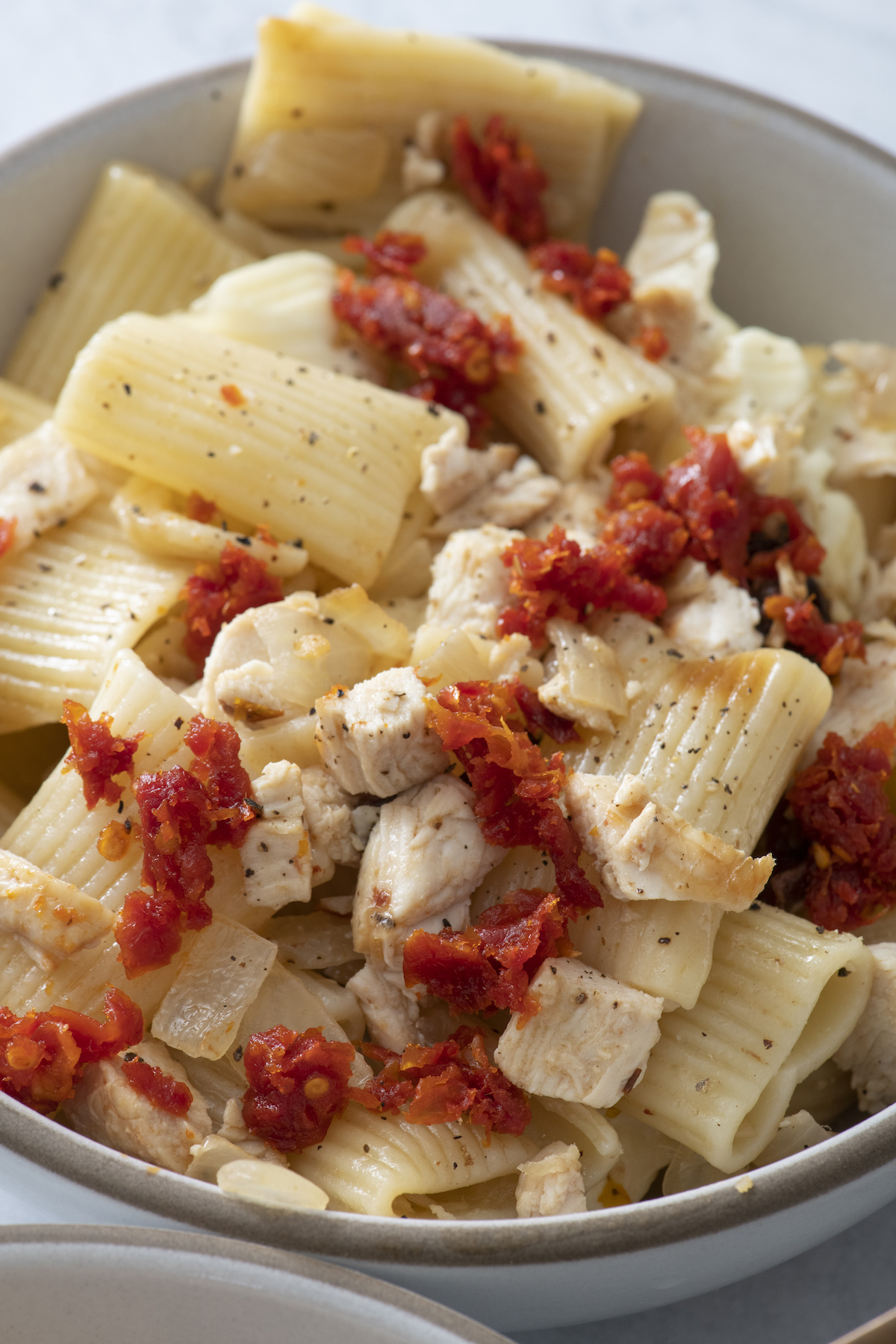
A prime example of this strategy in action is the integration of Chicken Mozzarella Pasta, a dish that bridges the gap between comforting indulgence and straightforward preparation. Nutritional analyses of such dishes reveal that combining lean proteins like chicken with wholesome carbohydrates and calcium-rich cheeses provides a balanced macronutrient profile necessary for growing children and active adults. To elevate the meal and incorporate seasonal elements, this pasta dish is traditionally paired with a expansive farmers market salad. Farmers markets during the autumn transition offer an array of crisp greens, heirloom tomatoes, late-season cucumbers, and robust herbs that add textural contrast and vital micronutrients to the plate.
From a logistical standpoint, preparing a dish like Chicken Mozzarella Pasta requires minimal cookware, typically utilizing a single pot for the pasta and a skillet for the protein, thereby streamlining the post-dinner cleanup process. This operational efficiency is a core tenet of modern family meal management. By reducing the friction associated with cooking and cleaning, households are statistically more likely to maintain home-cooking habits rather than deferring to less nutritious commercial alternatives.

The Thursday Night Pivot: Balancing Speed, Family Preferences, and Nutrition
As the workweek reaches its final stretch on Thursday, the demand for ultra-convenient, highly appealing meals reaches its zenith. Children and parents alike are often operating on reduced energy reserves, making Thursday an ideal candidate for elevated comfort food classics that require negligible active preparation time.
Turkey burgers paired with air-fryer french fries represent a modernized approach to traditional American fast-casual dining, executed within the home environment. Ground turkey serves as an increasingly popular alternative to traditional beef, offering a leaner protein source with lower saturated fat content while maintaining a savory flavor profile when properly seasoned. Culinary research indicates that modifying classic favorites—such as substituting poultry for beef or utilizing an air fryer instead of deep-fat frying—can dramatically reduce the caloric and lipid content of a meal without sacrificing the sensory satisfaction that diners crave.
The inclusion of air-fryer french fries is indicative of a broader technological shift in domestic kitchens over the past decade. The widespread adoption of air fryers has revolutionized home potato preparation, allowing consumers to achieve the desirable crispy texture of deep-fried foods using a fraction of the oil. Nutritional data comparing air-fried and deep-fried potatoes demonstrates a reduction in total fat content by up to 70% to 80%, making it a favored cooking method for health-conscious households seeking to maintain traditional comfort food preferences. Furthermore, allowing family members to customize their turkey burgers with "all the toppings"—such as fresh lettuce, tomatoes, onions, and various condiments—fosters a sense of culinary agency among children, which behavioral studies show encourages broader food acceptance and reduces mealtime resistance.
The Economics and Social Dynamics of Weekend Rest: Embracing Local Dining
While home-cooked meals form the foundational bedrock of a balanced weekly routine, contemporary lifestyle analyses underscore the psychological and social benefits of intentionally stepping away from the kitchen as the weekend commences. By Saturday, many households have exhausted their grocery provisions or simply require a psychological break from domestic labor.
Ordering in from local, independent restaurants serves a dual purpose within the broader community ecosystem. Economically, patronizing local dining establishments directly supports small business owners, culinary professionals, and regional supply chains, keeping capital circulating within the immediate community. From a household management perspective, outsourcing Saturday dinner relieves the cognitive burden of meal planning and execution, allowing families to redirect their focus toward leisure, socialization, and rest.
Public health experts and family counselors frequently advocate for this balanced approach—combining structured, home-cooked nutrition during the demanding weekdays with flexible, community-supported dining options on the weekend. This hybrid model prevents kitchen fatigue, supports local economic resilience, and models a healthy, sustainable relationship with food and leisure.
Broader Implications and Nutritional Trends for Modern Families
The overarching framework of seasonal meal planning extends far beyond the immediate utility of deciding what to eat for dinner. It reflects a growing cultural awareness of sustainability, nutritional literacy, and the value of intentional family time. As supply chain transparency becomes increasingly important to consumers, aligning domestic meal plans with seasonal agricultural cycles helps reconnect urban and suburban families with regional food producers.
Furthermore, pediatric nutritionists emphasize that children who are regularly exposed to structured meal planning and seasonally varied ingredients develop healthier long-term dietary habits. The predictability of knowing what to expect, combined with the excitement of discovering new seasonal flavors, creates a positive emotional association with food and family mealtimes.
Ultimately, the integration of quick mid-week recipes like chicken pasta and turkey burgers, paired with the flexibility of weekend local dining, provides a sustainable blueprint for modern household management. By prioritizing ease, nutrition, and community connection, families can navigate the busy autumn transition with confidence, well-being, and culinary satisfaction.