The Ultimate Guide to Baking a Rustic Strawberry Cherry Galette This Summer

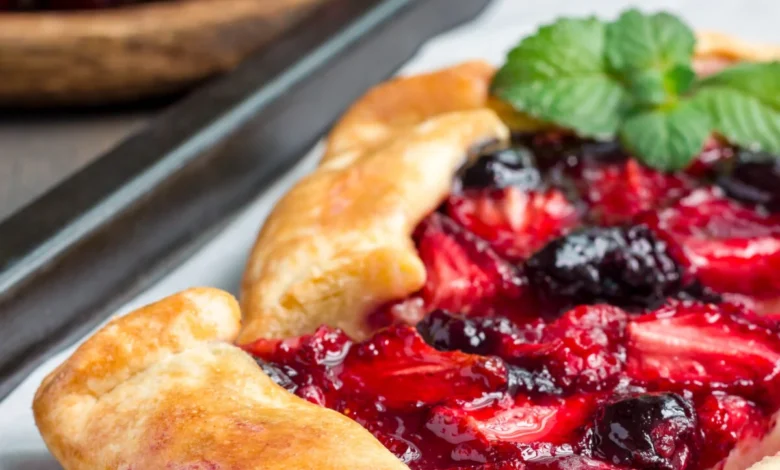
The transition from late spring into the peak of summer brings an abundance of stone fruits and berries to local markets, prompting home cooks and professional bakers alike to seek out uncomplicated yet elegant ways to showcase seasonal produce. Among the most popular culinary responses to this annual harvest is the fruit galette, a free-form pastry that has steadily gained traction as a preferred alternative to traditional double-crust pies. Combining the rich, buttery profile of a classic pie crust with a fraction of the labor, the strawberry cherry galette has emerged as a staple dessert for weekend baking, casual outdoor gatherings, and family celebrations.
Understanding the Culinary Mechanics of a Galette
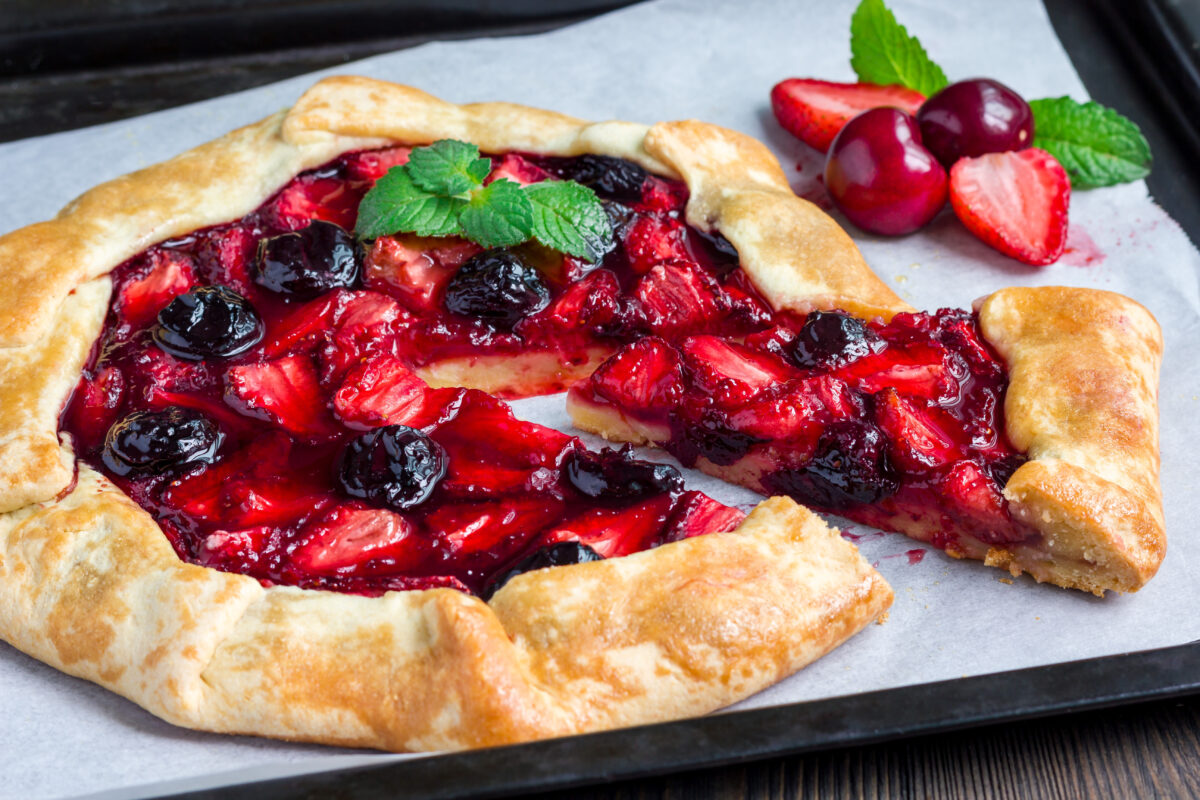
Originating from the French word galette—a broad, flat crusty cake of various types—this pastry style relies entirely on structural simplicity. Unlike conventional pies that demand precise dough measurements to fit standard ceramic or glass pie pans, along with intricate edge-crimping and top-crust ventilation, a galette bypasses these technical hurdles. The technique involves rolling out a single sheet of pastry dough, depositing the prepared fruit filling squarely in the center, and folding the perimeter edges inward to partially encase the contents.
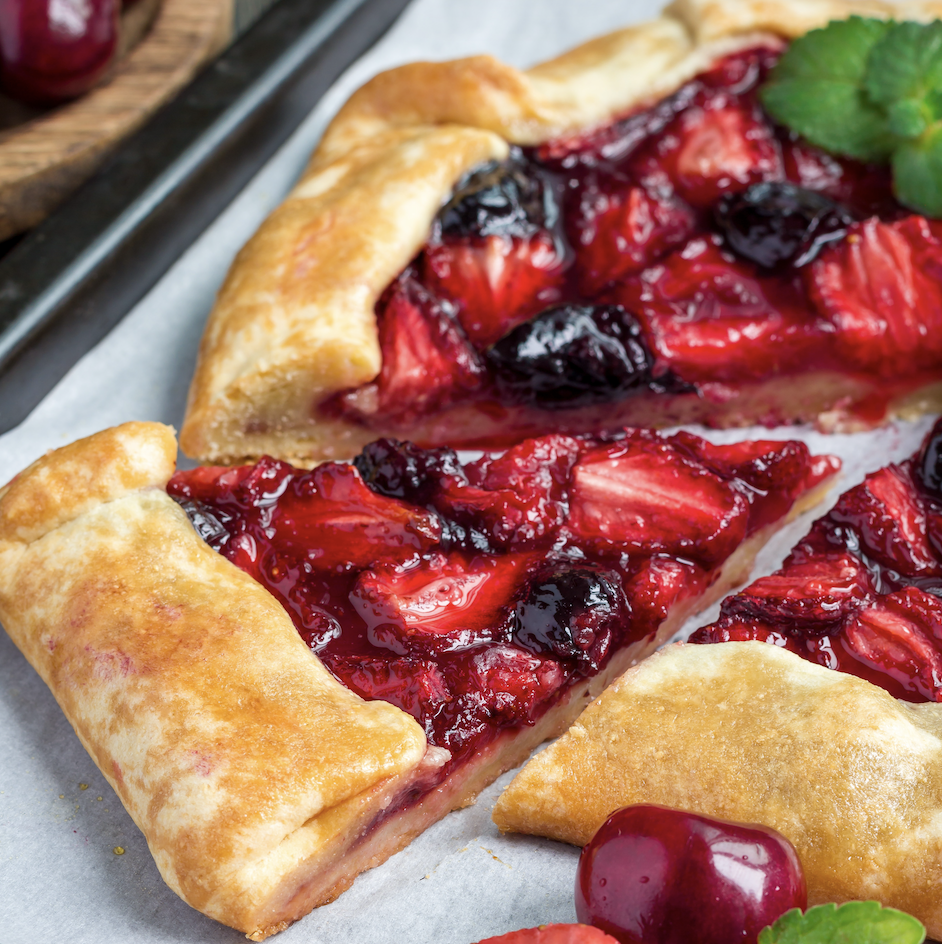
This open-faced design is not merely an aesthetic choice; it serves a crucial culinary function. The exposed center allows excess moisture to evaporate efficiently during the baking process, concentrating the natural sugars in the fruit and transforming the strawberries and cherries into a rich, jammy consistency. Culinary experts note that this reduction process enhances flavor intensity without requiring excessive quantities of added refined sweeteners.
Nutritional Profile and Health Implications of Seasonal Berries
From a nutritional standpoint, incorporating fresh strawberries and cherries into summer meal planning aligns with dietary recommendations from public health organizations, which advocate for increased consumption of antioxidant-rich fruits. Strawberries are recognized as an excellent source of vitamin C, manganese, folate, and potassium, alongside high levels of dietary fiber that support digestive health. Furthermore, they contain bioactive plant compounds such as pelargonidin, which contributes to their vibrant red color and has been linked in various nutritional studies to cardiovascular benefits.
Similarly, sweet and tart cherries provide a dense concentration of polyphenols and vitamin C, acting as powerful anti-inflammatory agents. Research published by agricultural and nutritional institutes suggests that regular consumption of cherries may aid in muscle recovery post-exercise and assist in regulating sleep patterns due to their natural melatonin content. While wrapping these fruits in a butter-based pastry introduces saturated fats and carbohydrates, bakers frequently adapt the recipe to balance indulgence with nutritional mindfulness. Incorporating whole grains into the crust, moderating sugar levels, and utilizing natural thickeners such as cornstarch or arrowroot powder allow consumers to enjoy a nutrient-dense fruit base within a comforting dessert framework.
Essential Techniques for Achieving a Flaky, Non-Soggy Crust
Achieving professional-quality results with a homemade galette requires adherence to specific pastry-making principles. According to veteran pastry chefs, the cardinal rule of crust preparation is maintaining low temperatures for the fat component. Utilizing thoroughly chilled butter ensures that distinct solid pockets remain intact within the dough matrix. When the pastry enters a hot oven, the water content in the butter evaporates rapidly, creating steam that forces the gluten layers apart and yields a characteristically flaky texture.
Another frequent technical challenge associated with fruit-based pastries is the prevention of a soggy bottom crust, a phenomenon caused by the high water content inherent in fresh strawberries and cherries. To counteract this, culinary professionals recommend several mitigation strategies:
- Starch Integration: Tossing the sliced fruit with cornstarch or tapioca starch prior to assembly binds the free-flowing juices as they liquefy under heat.
- Moisture Barriers: Dusting the center of the rolled dough with a thin layer of finely ground almond flour, breadcrumbs, or crushed graham crackers creates an absorbent barrier that protects the integrity of the pastry base.
- Strategic Placement: Baking the galette on the lower third of the oven exposes the bottom surface to direct, high-intensity heat, ensuring a crisp finish.
- Strategic Drainage: Discarding excess liquid pooled in the fruit mixing bowl prevents unnecessary saturation of the structural dough.
Adaptability and Variations for Diverse Dietary Preferences
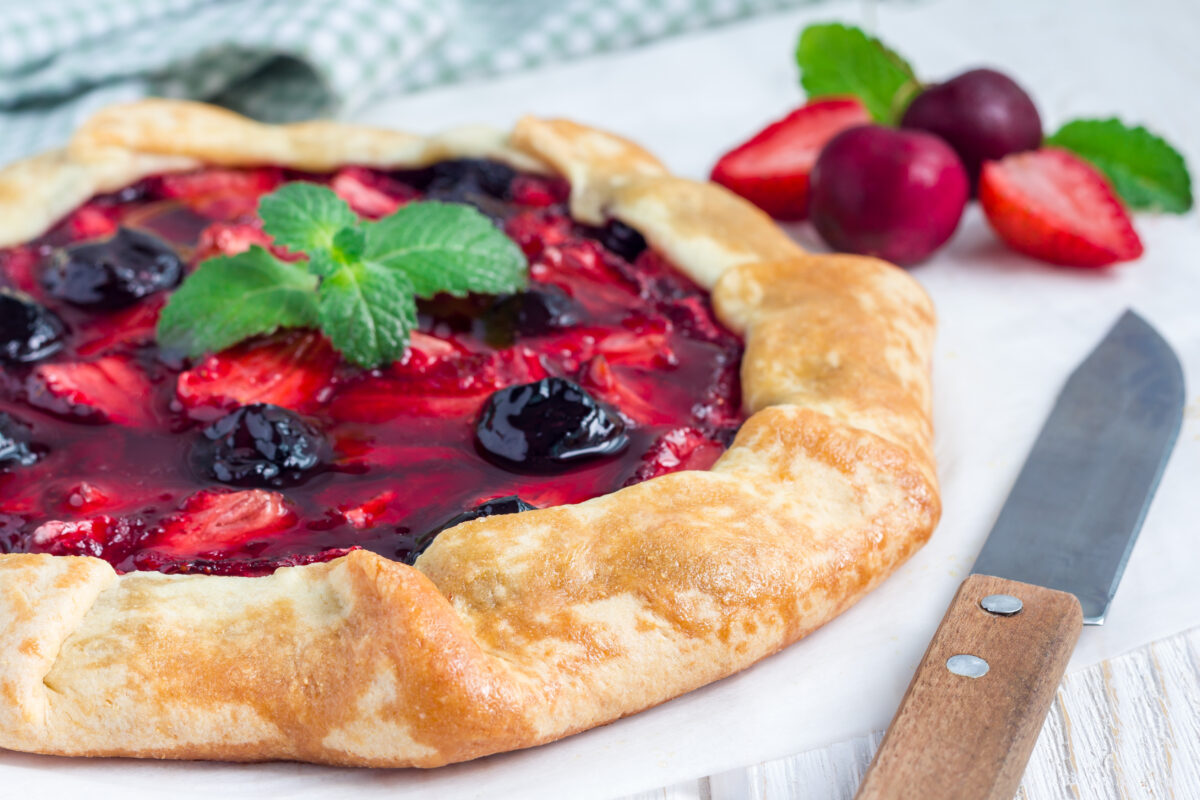
The inherent flexibility of the galette formula has contributed to its widespread adoption across diverse culinary traditions and dietary requirements. While the classic iteration pairs strawberries and cherries with a squeeze of fresh lemon juice and a dash of vanilla extract, home bakers frequently modify the ingredient list to accommodate personal preferences or what is currently available in regional produce markets.
Common variations include the introduction of stone fruits such as sliced peaches or nectarines, which complement the tart profile of cherries. For enhanced aromatic depth, culinary innovators suggest incorporating finely chopped fresh herbs like mint or basil into the fruit mixture, or dusting the folded crust edges with coarse sparkling sugar and sliced almonds prior to baking.
For individuals managing dietary restrictions, the recipe scales efficiently. Dairy-free alternatives can be achieved by substituting standard dairy butter with solid plant-based baking sticks or coconut oil fractions, while gluten-free flour blends can replace standard all-purpose wheat flour, provided binding agents like xanthan gum are integrated to maintain dough elasticity. Additionally, the option to utilize commercially manufactured, refrigerated pie crusts significantly reduces preparation time for time-constrained cooks without heavily compromising the final presentation.
Storage, Preservation, and Make-Ahead Protocols
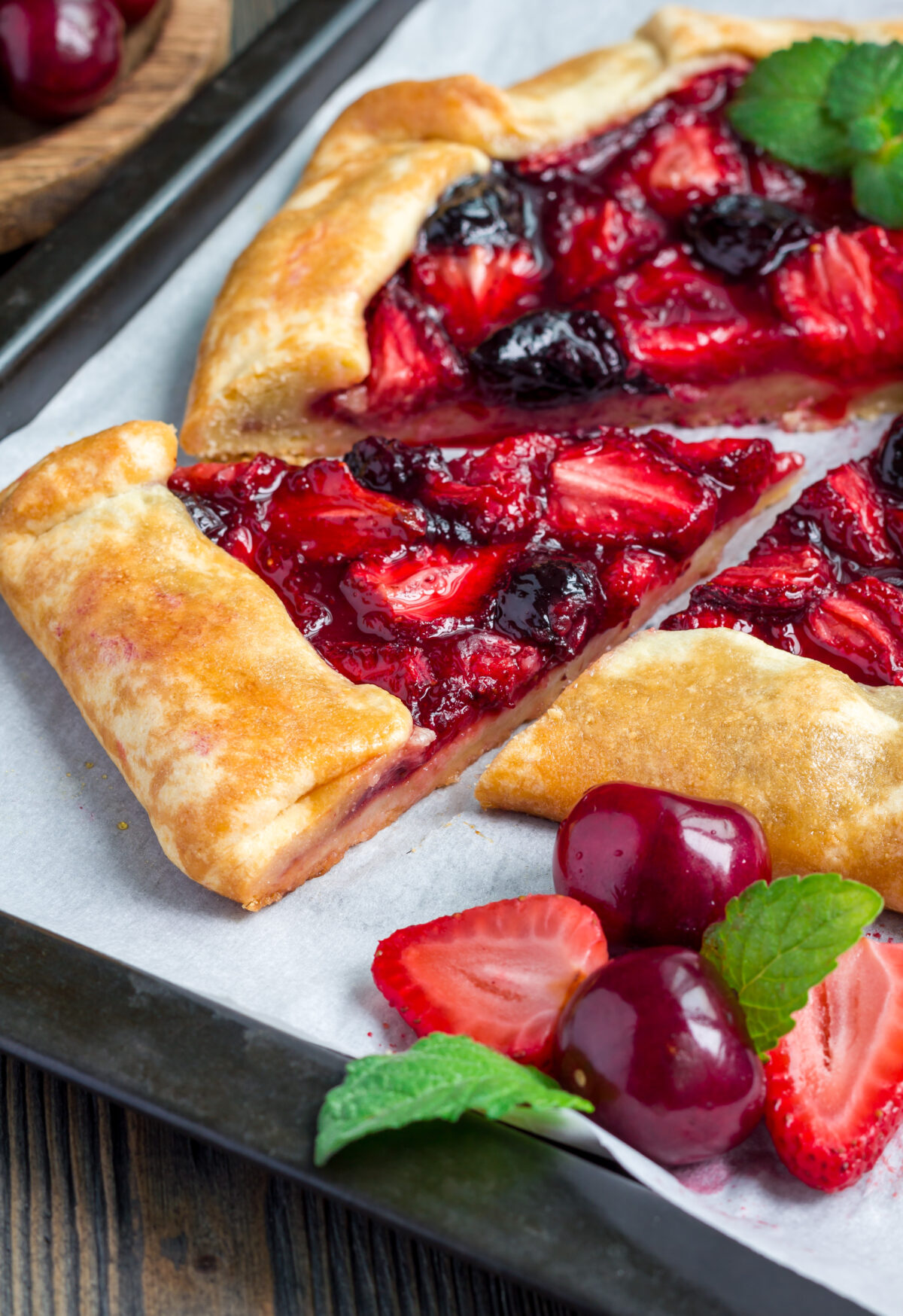
As consumer interest in meal-planning efficiency continues to rise, the logistical viability of preparing components in advance has become a significant factor in recipe selection. The structural components of a strawberry cherry galette lend themselves well to staged preparation. Pastry dough can be mixed, wrapped tightly in moisture-resistant film, and refrigerated for up to seventy-two hours, or frozen for three months. Similarly, fruit can be washed, pitted, and sliced twenty-four hours ahead of assembly, provided it is stored separately from sweetening agents to prevent premature cellular breakdown and moisture loss.
Post-bake storage requires careful management to preserve the crispness of the crust. Baked galettes left at room temperature should be loosely covered and consumed within twenty-four hours. For extended storage, refrigeration in an airtight container safely preserves the dessert for up to four days, though the pastry will naturally soften due to ambient humidity. Reheating individual portions in a conventional or toaster oven at 325 degrees Fahrenheit for five to ten minutes successfully restores the structural crunch of the crust, offering a reliable method for enjoying leftovers.
Economic and Cultural Impact of Seasonal Baking Trends
The surge in popularity of rustic pastries reflects broader socio-economic shifts in consumer behavior toward home-centric culinary activities. Market analysts observing food trends note an increased consumer preference for scratch-cooking methodologies that emphasize wholesome, recognizable ingredients over ultra-processed convenience foods. By empowering home cooks to utilize surplus seasonal produce, recipes like the strawberry cherry galette align with contemporary sustainability movements focused on minimizing food waste at the household level.
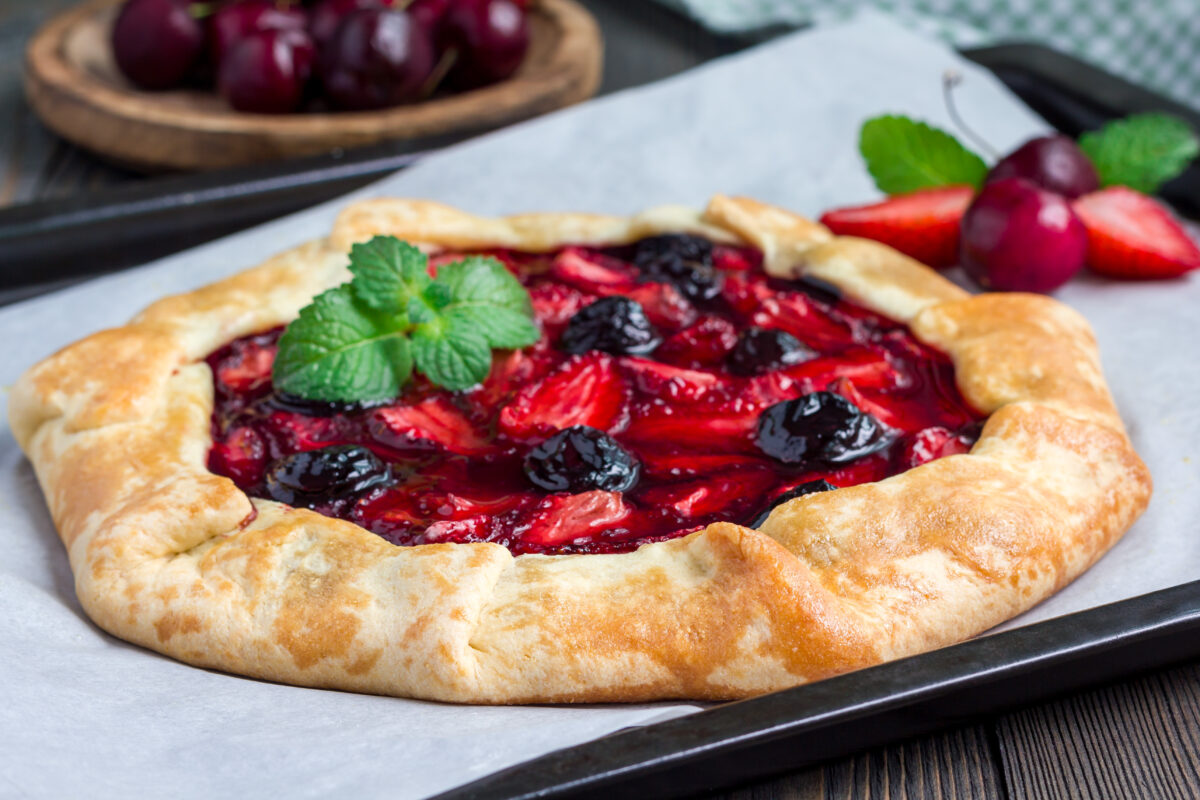
Ultimately, the enduring appeal of the strawberry cherry galette lies in its forgiving nature. Eschewing the demand for geometric perfection in favor of a rustic, handcrafted appearance, the dessert bridges the gap between sophisticated baking and accessible home economics. As communities continue to value authentic, shared food experiences during the summer months, versatile recipes of this caliber remain foundational fixtures in modern domestic cuisine.
Related posts: