The Rise of Nutrient-Dense Baking: Transforming Chickpeas into Gourmet Cookies for Modern Households

The intersection of culinary innovation and nutritional science has recently yielded a surprising breakthrough in home baking: the transformation of the humble chickpea into a viable, high-performance base for chocolate chip cookies. While legumes have long been staples in savory Mediterranean and Middle Eastern diets, their integration into the dessert sphere marks a significant shift in how health-conscious consumers approach sugar reduction and protein fortification. By utilizing a base of blended chickpeas, natural nut butters, and oat flour, home cooks are discovering a method to produce shelf-stable, fiber-rich treats that replicate the sensory experience of traditional flour-based cookies while adhering to dietary restrictions such as gluten intolerance and egg allergies.
The Evolution of Functional Ingredients in Home Baking
For decades, the standard American cookie recipe relied heavily on refined white flour, butter, and high concentrations of processed sugar. As public health data from organizations like the Centers for Disease Control and Prevention (CDC) continues to highlight the correlation between excessive sugar intake and metabolic health issues, the demand for functional dessert alternatives has surged. The adoption of pulses—a category that includes chickpeas, lentils, and dry peas—as primary structural components in baked goods is not merely a passing trend but a response to this nutritional shift.
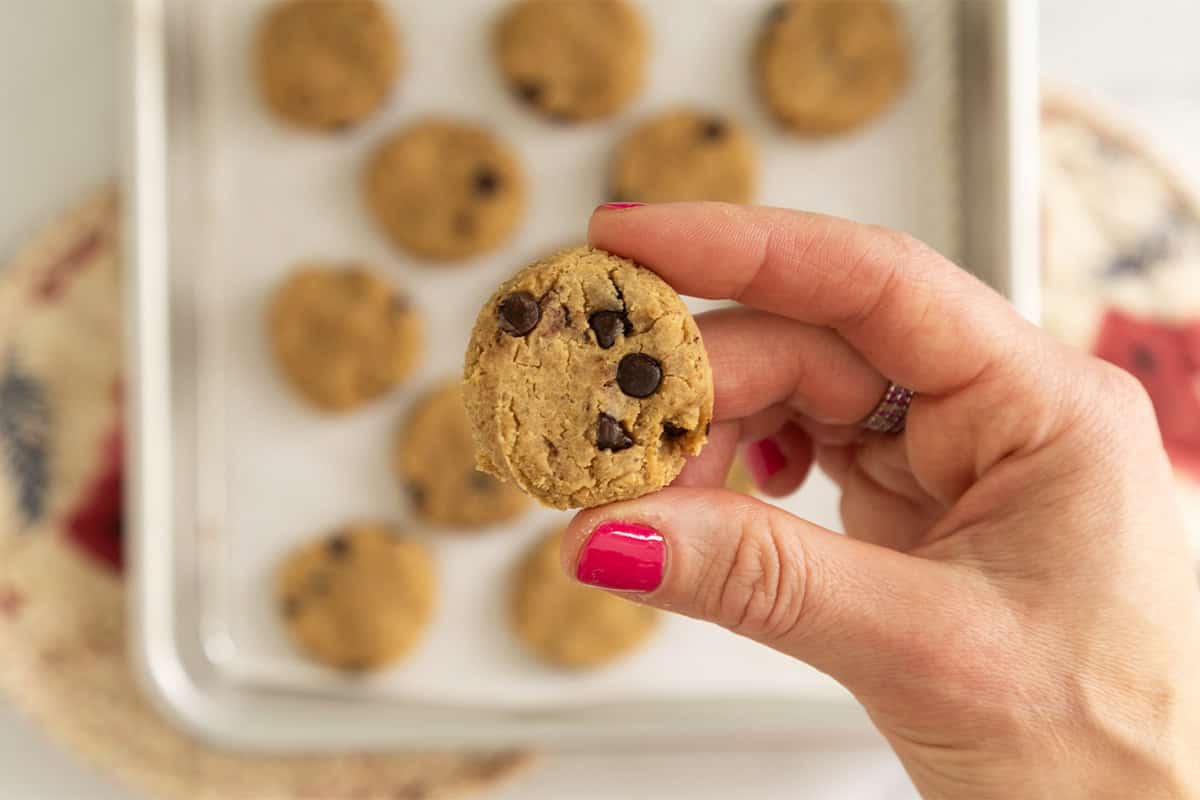
Chickpeas (Cicer arietinum) are exceptionally well-suited for this transition due to their mild, nutty flavor profile and their ability to emulsify when processed into a paste. Nutritionally, a standard cup of cooked chickpeas provides approximately 14.5 grams of protein and 12.5 grams of dietary fiber. When substituted for refined wheat flour, these legumes provide a lower glycemic index, which helps mitigate the rapid blood sugar spikes typically associated with traditional confectioneries.
The Methodology of Chickpea-Based Confectionery
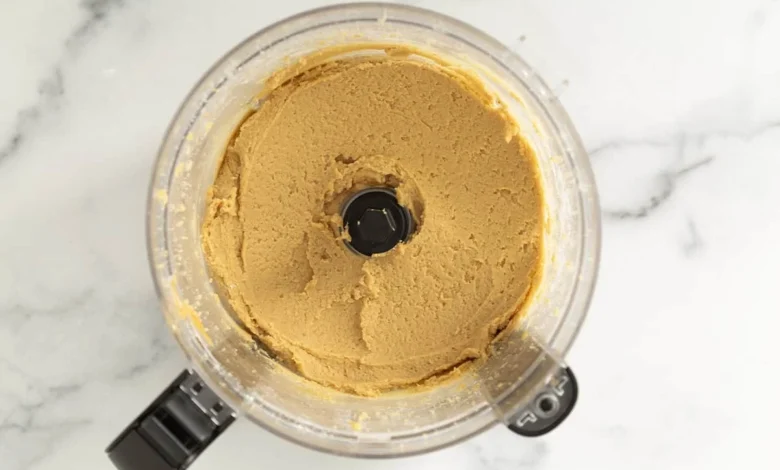
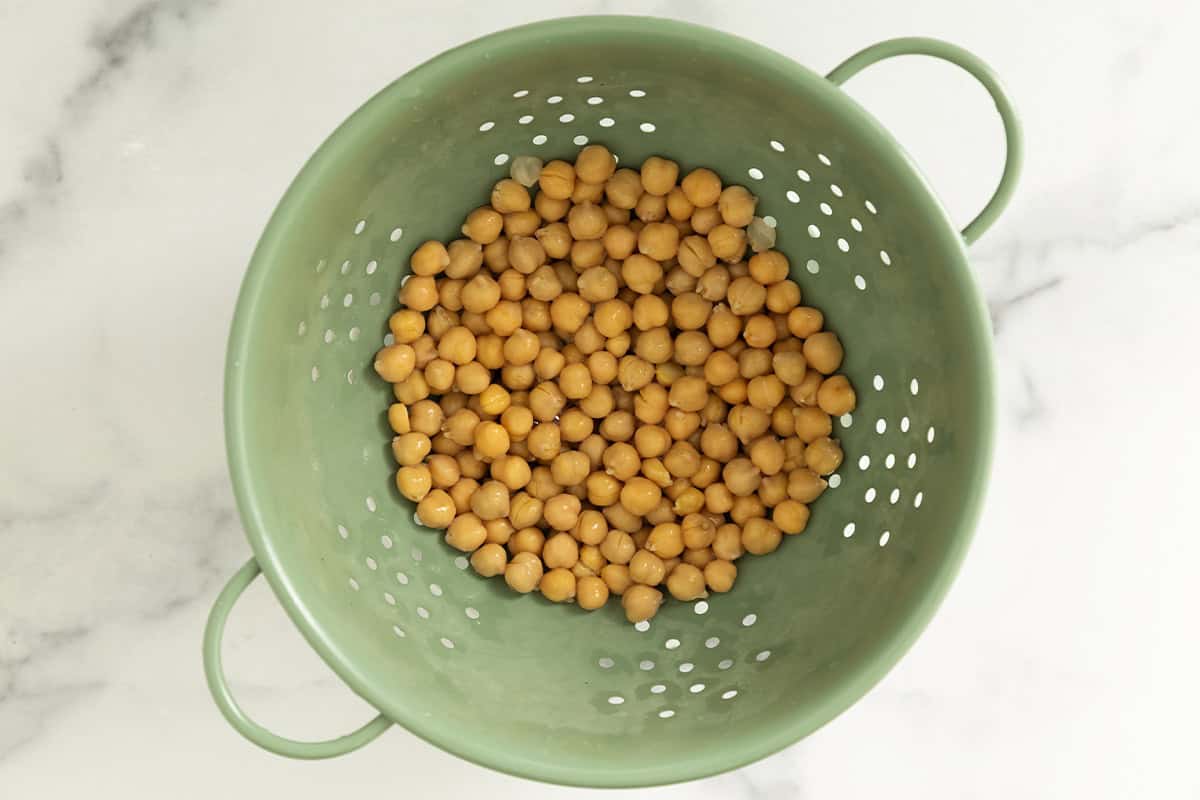
The technical process of creating these cookies involves a precise, four-step methodology that prioritizes texture consistency. The procedure begins with the mechanical processing of canned chickpeas, which must be thoroughly rinsed to remove excess sodium and starchy residue. When combined with peanut butter—or, for those with nut allergies, sunflower seed butter—the fat content of the legume is bolstered, creating a structure that holds moisture without the need for binding agents like eggs.
The integration of oat flour serves as the structural scaffolding. Unlike refined flour, oat flour maintains a significant portion of the grain’s original beta-glucan content—a soluble fiber known for supporting heart health. When blended in a high-speed food processor, these components form a dense, uniform dough that can be portioned using standard culinary scoops. Unlike traditional doughs that often require extensive chilling to prevent spreading, chickpea-based dough maintains its shape throughout the baking process, ensuring a uniform, soft-centered texture.
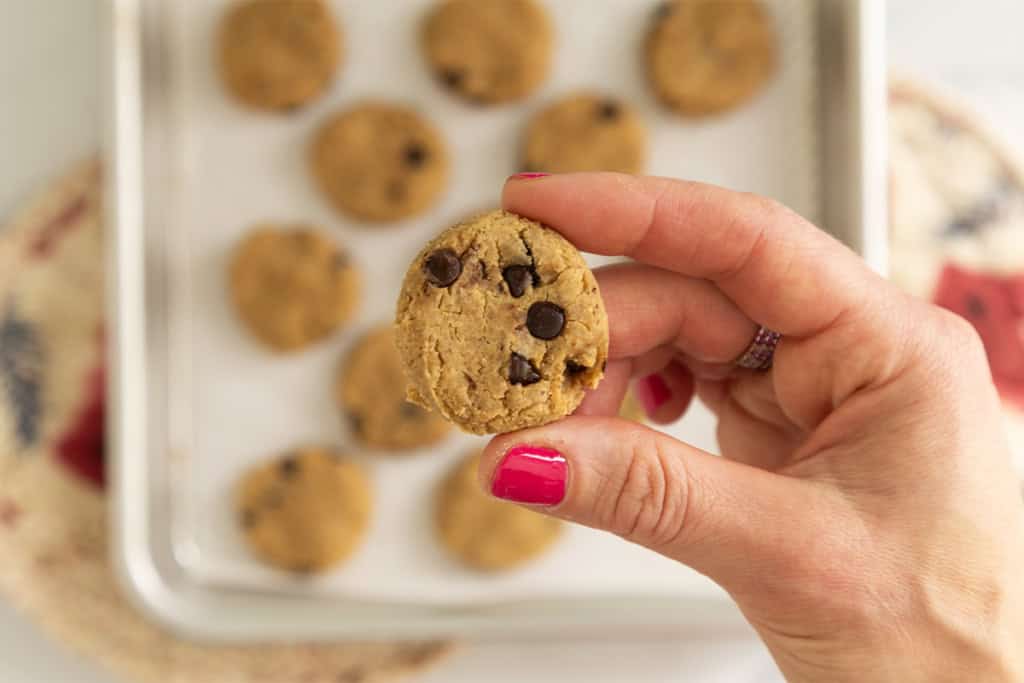
Comparative Nutritional Profiles
A comparative analysis of a standard commercial chocolate chip cookie versus a standardized chickpea cookie highlights the functional advantages of the latter. While a typical store-bought cookie might contain 15 to 20 grams of sugar and minimal protein, the chickpea-based alternative typically caps sugar content at approximately 12 grams per serving, while providing upwards of 7 grams of protein.
Furthermore, the inclusion of mineral-dense ingredients contributes to a more robust micronutrient profile. Chickpeas are a known source of iron, folate, and manganese. For households managing picky eaters or individuals with restricted diets, these cookies provide an efficient vehicle for delivering essential vitamins without the caloric density of processed alternatives. The elimination of eggs also renders this recipe suitable for vegan diets, expanding its marketability across diverse demographics.
Industry Perspectives on Pulse-Based Baking
Professional nutritionists and culinary researchers have noted that the "hidden vegetable" movement is gaining traction in both domestic and commercial kitchens. Dr. Elena Vance, a nutritionist specializing in pediatric health, suggests that incorporating legumes into desserts is a strategic method for "sensory desensitization." By exposing children to the texture and flavor of beans in a palatable format, parents can improve the likelihood of long-term acceptance of legumes in savory applications.
"The goal is not necessarily to hide the ingredient, but to normalize it," Dr. Vance notes. "When a child learns that a cookie can be made with beans, the psychological barrier regarding the ‘healthiness’ of legumes begins to dissolve. This is a critical step in building healthy dietary habits that last into adulthood."
Logistical Benefits: Storage and Preparation
From a logistical standpoint, the chickpea cookie offers distinct advantages for busy families. The dough can be prepared in bulk and frozen, allowing for the "bake-on-demand" model that is increasingly popular in modern households. Once baked, the cookies retain their structural integrity for up to two weeks when refrigerated in an airtight container.
This shelf-stability is attributed to the moisture-retaining properties of the chickpea puree. While traditional cookies often harden or become stale within days due to moisture loss in the wheat-based matrix, the fiber content in chickpeas acts as a natural humectant, keeping the product soft for a longer duration. This also makes the cookies an ideal candidate for freezing and subsequent reheating, as the protein structure prevents the rapid degradation that occurs in gluten-free baked goods reliant on starches like potato or tapioca flour.
Broader Implications for the Food Industry
The rise of chickpea-based baking has broader implications for the food industry’s sustainability efforts. Chickpeas are a low-water-intensity crop that requires less nitrogen fertilizer than wheat or corn, making them an environmentally sound choice for agriculture. As global food systems face the dual pressures of climate change and population growth, the diversification of protein sources is a primary objective.
Should this trend continue to move from home kitchens into the retail sector, it could signal a shift in how mass-market snacks are formulated. Several boutique snack manufacturers have already begun experimenting with pulse-based flours to create "better-for-you" cookie brands, signaling that the consumer appetite for high-protein, low-sugar snacks is far from sated.
Addressing Common Consumer Concerns
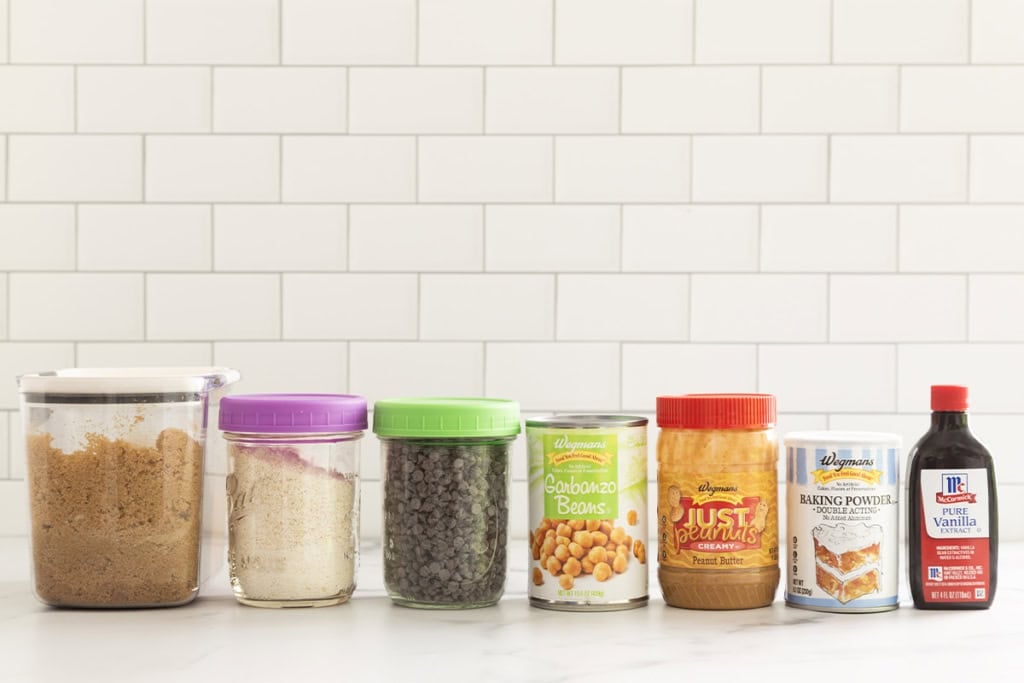
Despite the benefits, some home cooks express concern regarding the "beany" aftertaste. Culinary experts advise that proper preparation—specifically the thorough rinsing and, in some cases, peeling of the chickpea skins—effectively eliminates any undesirable flavor notes. The use of high-quality, aromatic ingredients like pure vanilla extract and high-percentage cacao chocolate chips also serves to mask any residual earthiness, ensuring that the final product remains indistinguishable from its wheat-based counterparts.
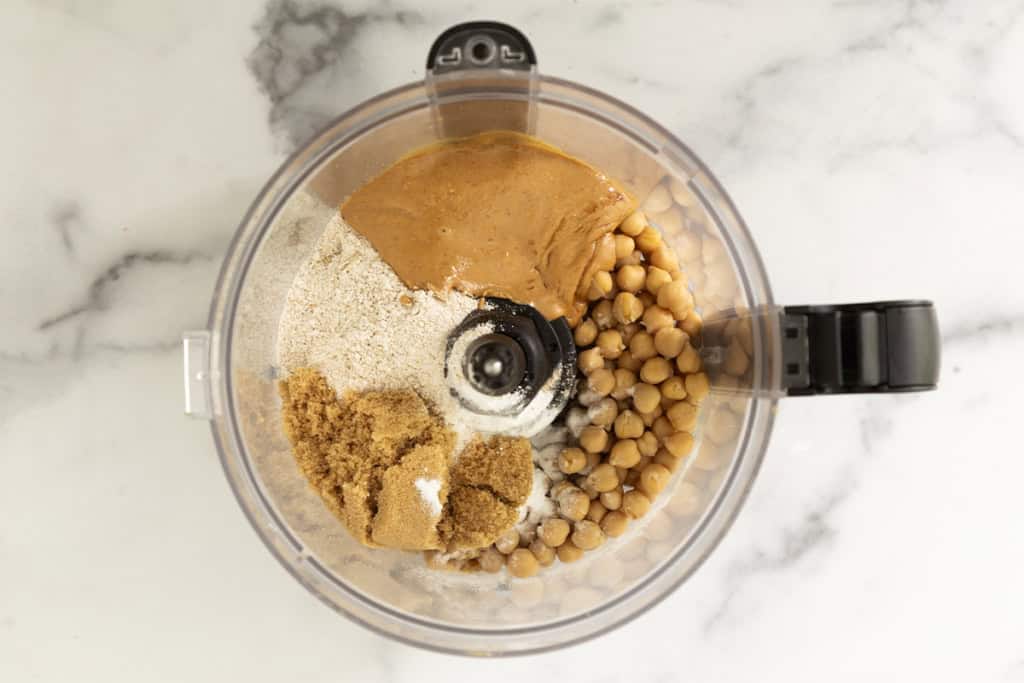
For those requiring adjustments, the recipe remains highly modular. Maple syrup or honey can be used as a liquid sweetener, though brown sugar remains the gold standard for achieving the specific chewiness desired in a classic cookie. For individuals monitoring sugar intake even more strictly, the use of sugar alcohols or stevia-based blends has been successfully implemented in various test kitchens, provided the baker adjusts for the lack of volume that granulated sugar provides.
Conclusion
The transition toward chickpea-based baking represents a synthesis of nutritional necessity and culinary creativity. By leveraging the unique structural properties of legumes, home cooks have unlocked a method to enjoy classic comforts without the traditional nutritional drawbacks. As the body of evidence regarding the health benefits of pulses grows, it is likely that recipes such as these will move from niche health blogs to the mainstream, becoming a staple in the modern, health-conscious kitchen. Whether serving as a convenient, high-protein snack for children or a low-glycemic dessert for adults, the chickpea cookie stands as a testament to the fact that nutritional density and indulgence are not mutually exclusive.