The 15-Minute Caramelized Cinnamon Maple Apple Slices That Are Taking Home Kitchens by Storm

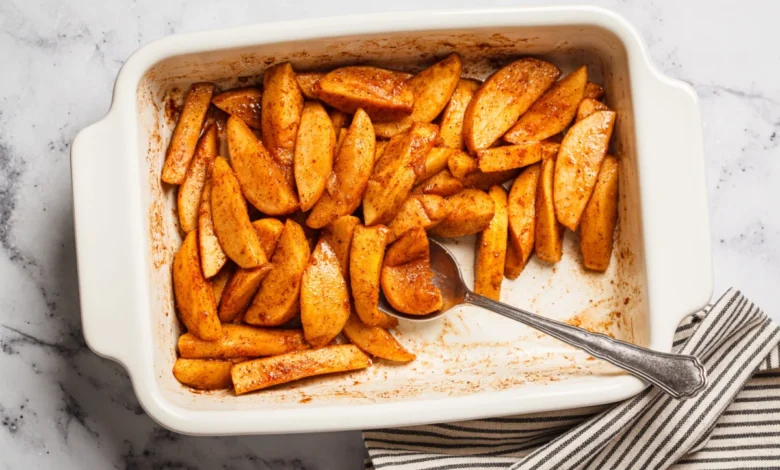
Culinary trends often favor elaborate preparations, but a rising preference for quick, wholesome comfort foods has thrust a minimalist dessert and breakfast topping into the spotlight: 15-minute caramelized cinnamon maple apple slices. Combining simple ingredients—fresh apples, butter, pure maple syrup, and ground cinnamon—this versatile dish has captured the attention of home cooks seeking effortless ways to elevate everyday meals without relying on refined sugars.
Main Facts of the Culinary Trend
The appeal of the caramelized apple recipe lies in its speed, simplicity, and adaptability. Requiring just a single skillet and approximately 15 minutes from preparation to plate, the dish bridges the gap between a comforting breakfast addition and a decadent dessert. Food safety and nutrition experts have long advocated for incorporating whole fruits into daily diets, and preparations that enhance flavor profiles without heavy processing continue to resonate with health-conscious consumers.
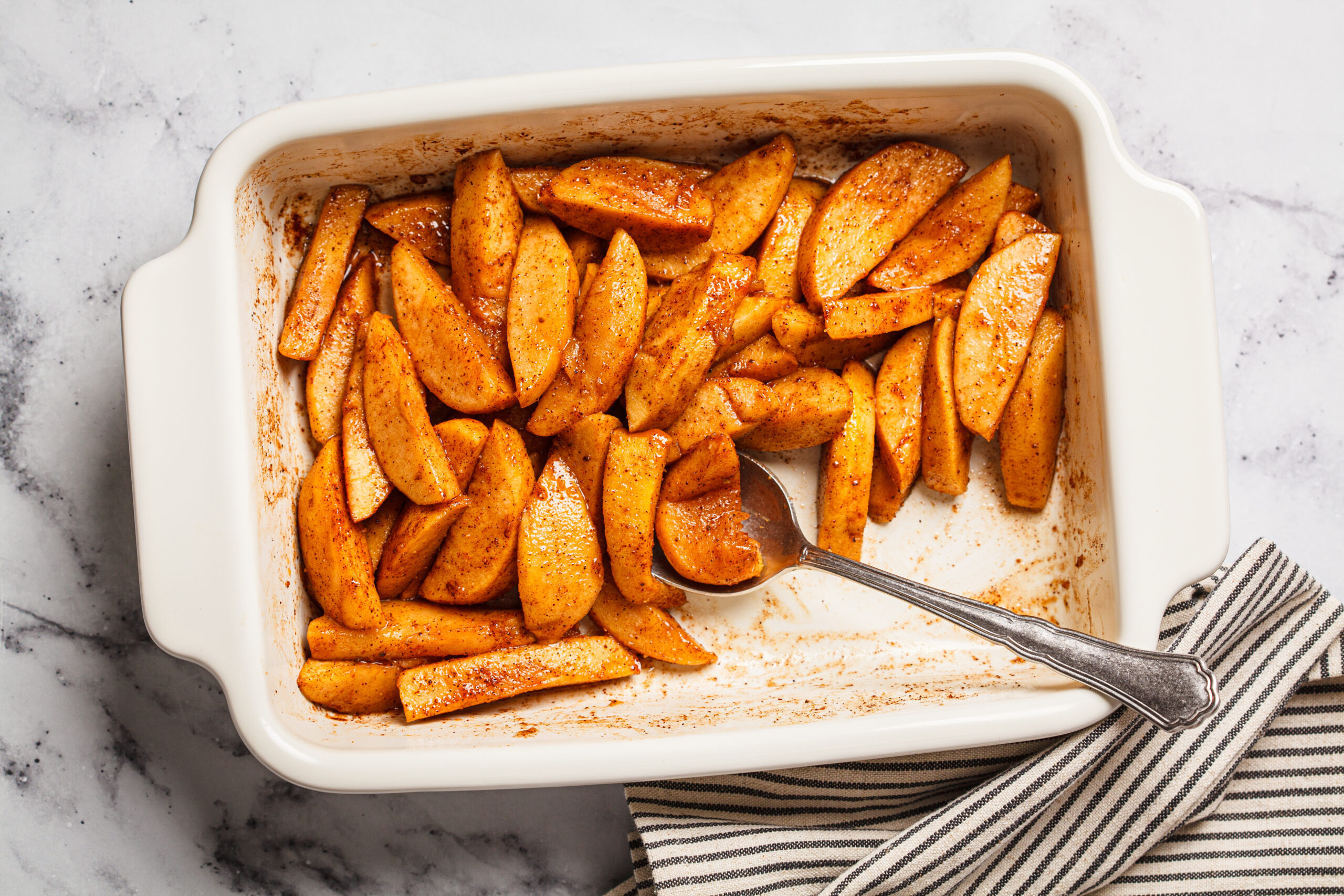
The core components of the recipe are straightforward:
- Fresh apples cut to a uniform thickness of roughly one-quarter inch.
- A natural sweetener, specifically pure maple syrup, used to complement the fruit’s inherent sugars.
- Ground cinnamon, providing both warmth and aromatic depth.
- Butter or a plant-based alternative to facilitate gentle sautéing and create a glossy, caramelized coating.
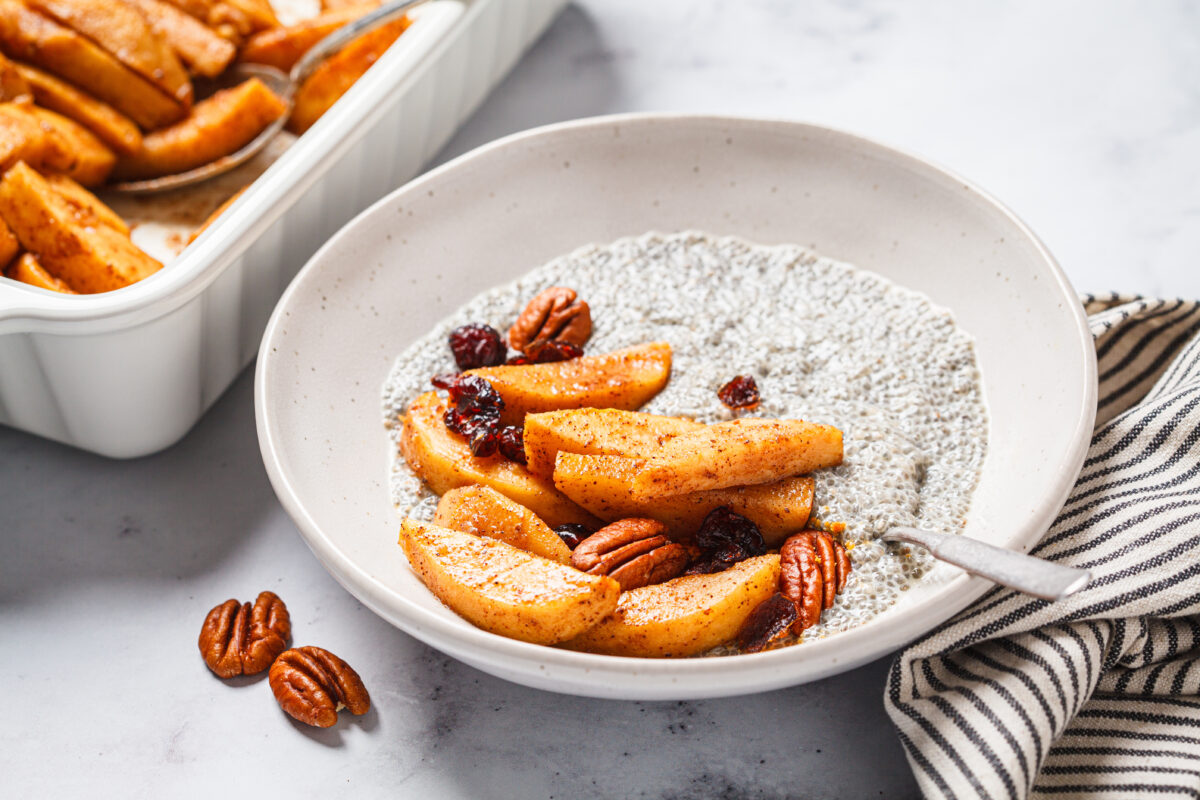
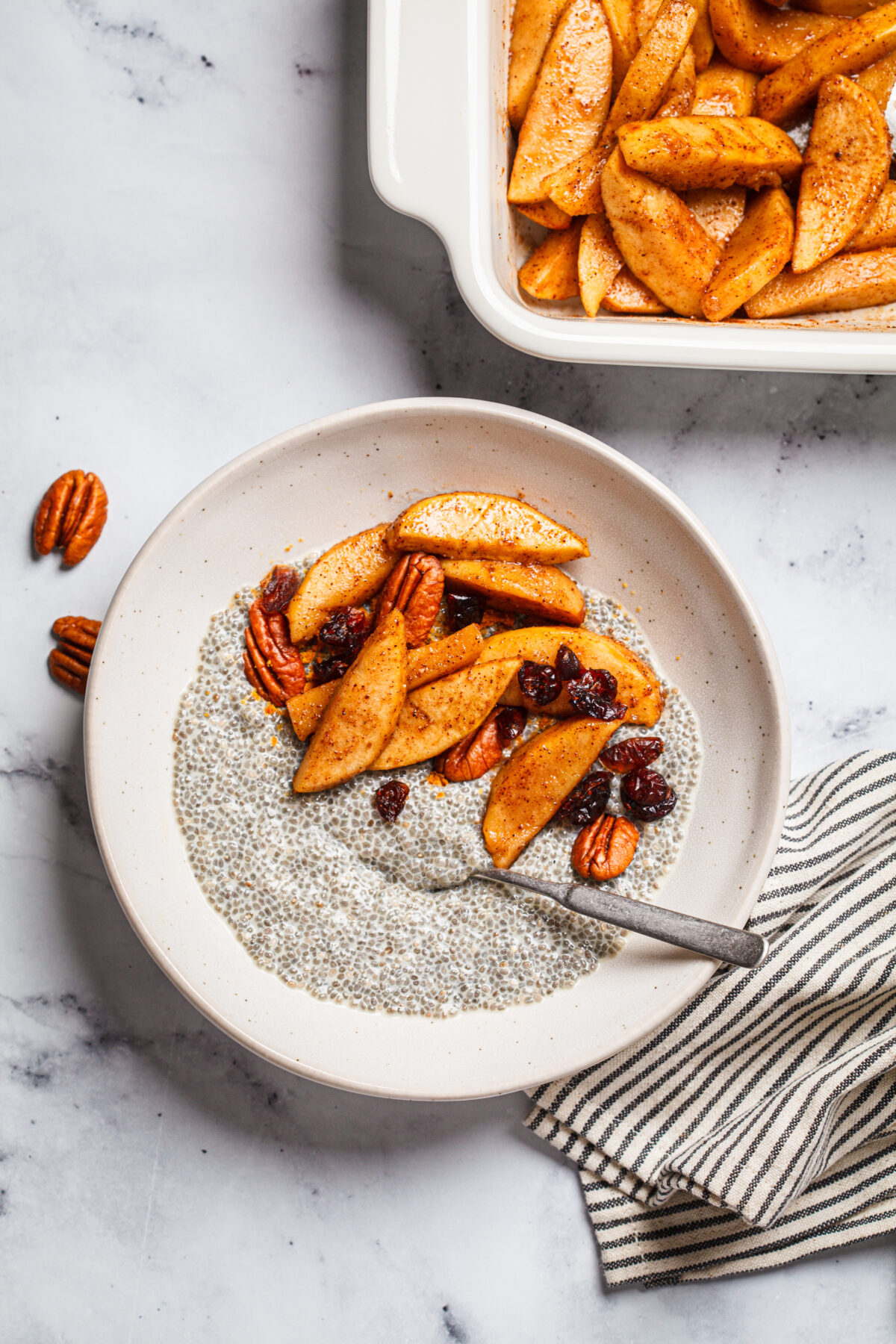
Optional additions, such as toasted pecans and dried cranberries, introduce contrasting textures of buttery crunch and tart chewiness, transforming the basic side dish into a textured component suitable for parfaits, oatmeal, and artisanal toasts.
Chronology and Development of Skillet Fruit Preparations
The history of cooking apples with spices spans centuries, rooted in agricultural cycles where autumn harvests yielded an abundance of tree fruit that required preservation or rapid consumption. Historically, methods such as stewing, baking, and pan-frying allowed households to soften firm varieties like Granny Smith, Honeycrisp, or Fuji, making them palatable and extending their shelf life before refrigeration.
Over the past decade, the culinary landscape has shifted toward functional, time-efficient home cooking. The evolution of the 15-minute stovetop method can be traced through the following milestones:
- Pre-2010s: Cooked apples were largely associated with lengthy baking times, holiday pies, or heavy sauces simmered with large amounts of white sugar and brown sugar.
- Early 2010s to 2020s: The rise of clean-eating blogs and meal-prep culture popularized unrefined sweeteners like maple syrup and honey, positioning fruit as a primary sweetener for breakfast bowls and grain porridges.
- Present Day: Recipes emphasizing minimal equipment (one-skillet preparation) and rapid cook times have surged in popularity across digital food platforms, driven by consumers seeking quick yet wholesome meal components.
Supporting Data and Nutritional Insights
Nutritional analyses of whole apples underscore their value as a dietary staple. According to the United States Department of Agriculture (USDA), a medium apple contains approximately 95 calories, 4.4 grams of dietary fiber, and significant amounts of vitamin C and potassium.
When preparing caramelized apple slices, adjusting cooking techniques can preserve these nutritional attributes while maximizing palatability:
- Controlled Heat: Cooking the fruit over medium heat prevents the destruction of delicate micronutrients while allowing natural pectin and added maple syrup to form a light glaze.
- Reduced Sugar Profiles: Utilizing pure maple syrup in moderation—typically one to two tablespoons per batch—adds complex carbohydrate notes without the blood sugar spikes associated with refined, high-glycemic sweeteners.
- Fiber Retention: Retaining the apple skin during slicing preserves the majority of the fruit’s insoluble and soluble fiber, which supports digestive health and prolonged satiety.
Expert Perspectives and Culinary Analysis
Culinary professionals and registered dietitians have increasingly endorsed stovetop fruit preparations for their versatility and psychological benefits. Food psychologists note that warm, aromatic spices like cinnamon trigger sensory memories associated with comfort and safety, which can enhance the dining experience even during rushed weekday mornings.
"Preparing warm fruit dishes at home provides a sensory-rich eating experience that satisfies cravings for sweets without relying on ultra-processed desserts," explains Sarah Jenkins, a culinary nutritionist based in Chicago. "When you control the fat and sugar content—using a touch of butter and pure maple syrup—you maintain the integrity of the fresh produce while making it appealing to both children and adults."
Furthermore, chefs emphasize the technical precision required even in simple recipes. Cutting apples to uniform thicknesses ensures even heat distribution, preventing outer edges from turning into mush while keeping the centers crisp-tender. Maintaining a thickness of one-quarter inch is widely cited as the optimal dimension for achieving structural integrity during a brief five-minute sauté.
Broader Impact and Household Implications
The widespread adoption of quick-prep caramelized fruit reflects broader shifts in domestic food culture. As consumers navigate busy schedules, the demand for adaptable ingredients that can transition across multiple meals has grown.
The storage capabilities of sautéed apple slices further enhance their utility. When stored in airtight containers in the refrigerator for up to four days, the prepared fruit serves as a ready-to-use component for diverse culinary applications:
- Breakfast Integration: Spooned over Greek yogurt, chia pudding, traditional oatmeal, or folded into pancake batter.
- Snack Enhancement: Layered into parfaits with granola or consumed cold as a midday treat.
- Dessert Applications: Served warm over vanilla ice cream or pound cake for an expedited, low-effort sweet course.
By reducing food waste—giving overripe or abundant fresh apples a second life in the skillet—home cooks can maximize grocery investments while exploring creative flavor combinations. Whether kept simple for minimalist palates or enriched with toasted nuts and dried fruit, the enduring appeal of warm cinnamon apples demonstrates that traditional flavors remain a cornerstone of modern home cooking.