The culinary landscape of home baking has recently seen a significant surge in innovative twists on traditional comfort foods, with butterscotch-infused banana bread emerging as a standout favorite for households across North America. As families increasingly look for ways to utilize overripe pantry staples and elevate classic recipes without adding unnecessary complexity, this modern variation bridges the gap between traditional baking and gourmet flavor profiles. Food scientists and culinary historians note that banana bread gained widespread cultural prominence during times of economic constraint, specifically evolving during the Great Depression when resourceful home cooks sought to utilize overripe bananas and avoid food waste. Today, the resurgence of comfort baking—amplified by shifts toward home-cooked meals—has propelled creative iterations like butterscotch banana bread into the mainstream spotlight, transforming a humble staple into an artisanal-style treat.
Main Facts and Culinary Mechanics
At its core, the appeal of this specialized loaf relies on chemical reactions and ingredient synergy. Ripe bananas, characterized by heavily speckled or browned skins, undergo a natural enzymatic process that breaks down complex starches into simple sugars. This transformation not only maximizes natural sweetness and moisture content but also yields a robust aroma that defines successful baking.
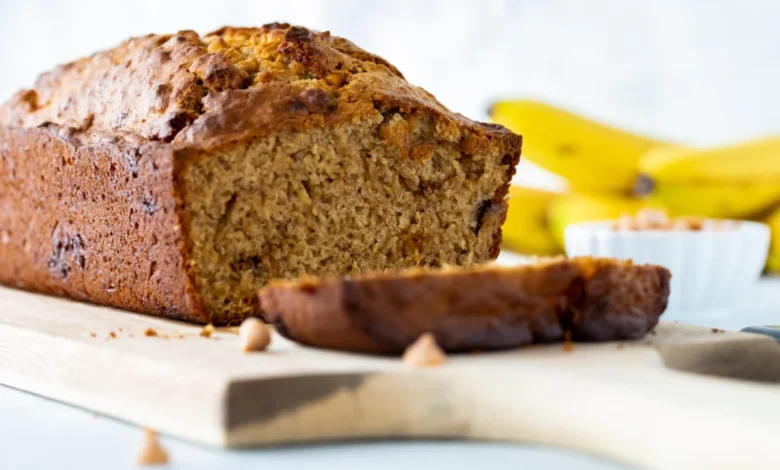
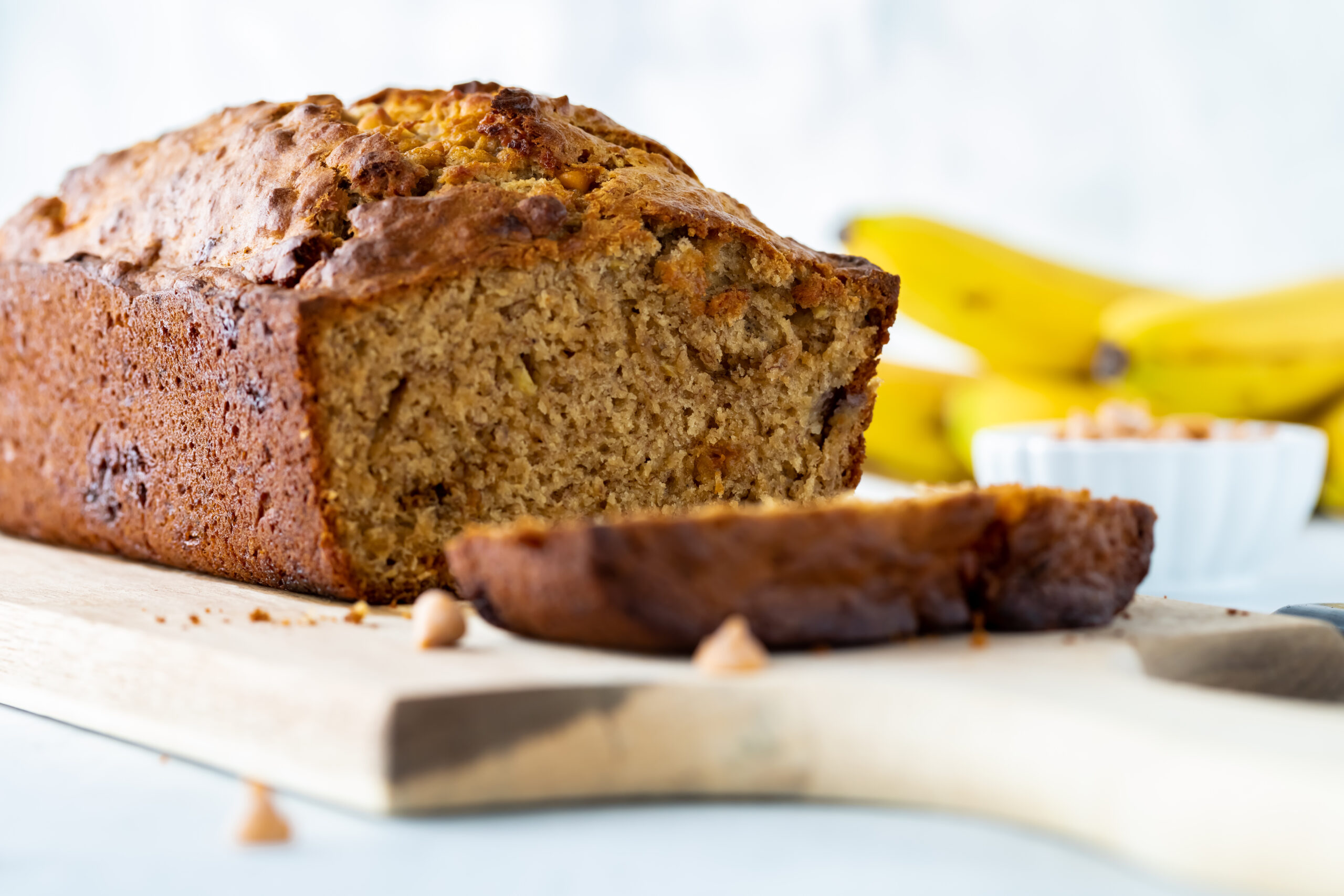
Culinary experts emphasize that achieving the ideal texture requires adherence to specific baking ratios and precise techniques. The integration of high-fat dairy components, such as Greek yogurt or sour cream, introduces mild acidity and targeted moisture that interacts with leavening agents, resulting in a tender crumb structure. Furthermore, the incorporation of butterscotch chips introduces pockets of rich, caramel-like sweetness that contrast with the earthy, fruit-forward profile of the banana base.
Chronology of the Banana Bread Phenomenon
The historical trajectory of banana bread traces back nearly a century, reflecting broader technological and domestic advancements in the United States.
In the late 19th and early 20th centuries, the commercial importation of bananas accelerated following the establishment of reliable refrigeration and shipping logistics. By the 1930s, the advent of commercially produced baking powder and baking soda revolutionized domestic kitchens, allowing home cooks to produce consistent, quick-rising loaves without relying on yeast fermentation.
During the Great Depression, cookbooks and domestic science programs heavily promoted the utilization of overripe produce to maximize household budgets. Banana bread quickly solidified its status as an American culinary fixture.
Over the subsequent decades, regional bakers introduced various inclusions—ranging from walnuts and pecans to chocolate chips and cream cheese swirls. The contemporary adaptation featuring butterscotch chips represents the latest phase in this evolution, aligning with modern consumer preferences for complex, multi-layered flavor profiles within traditional formats.
Supporting Data and Nutritional Insights
Recent culinary and market research indicates that home baking remains a dominant hobby for a substantial demographic of consumers, with quick breads representing one of the most frequently searched baking categories online. Data from food analytics firms show a marked preference for recipes that require fewer than ten standard pantry ingredients while offering customization options, such as dietary substitutions or mix-ins.
Nutritional analyses of standard butterscotch banana bread highlight its role as an energy-dense snack suitable for active lifestyles, breakfast consumption, or school lunches. While nutrient profiles vary depending on exact measurements, a typical slice delivers carbohydrates from natural fruit sugars and flour, alongside trace minerals such as potassium derived from the banana content. Culinary nutritionists advise that portion control and mindful ingredient selection—such as utilizing whole-grain flours or reducing added sugars—can align the treat with balanced dietary goals.
Baker and Consumer Responses
Professional bakers and culinary educators have widely endorsed the butterscotch banana variant for its reliability and sensory appeal. Feedback gathered from community baking forums and recipe testing panels underscores several key advantages noted by home cooks:
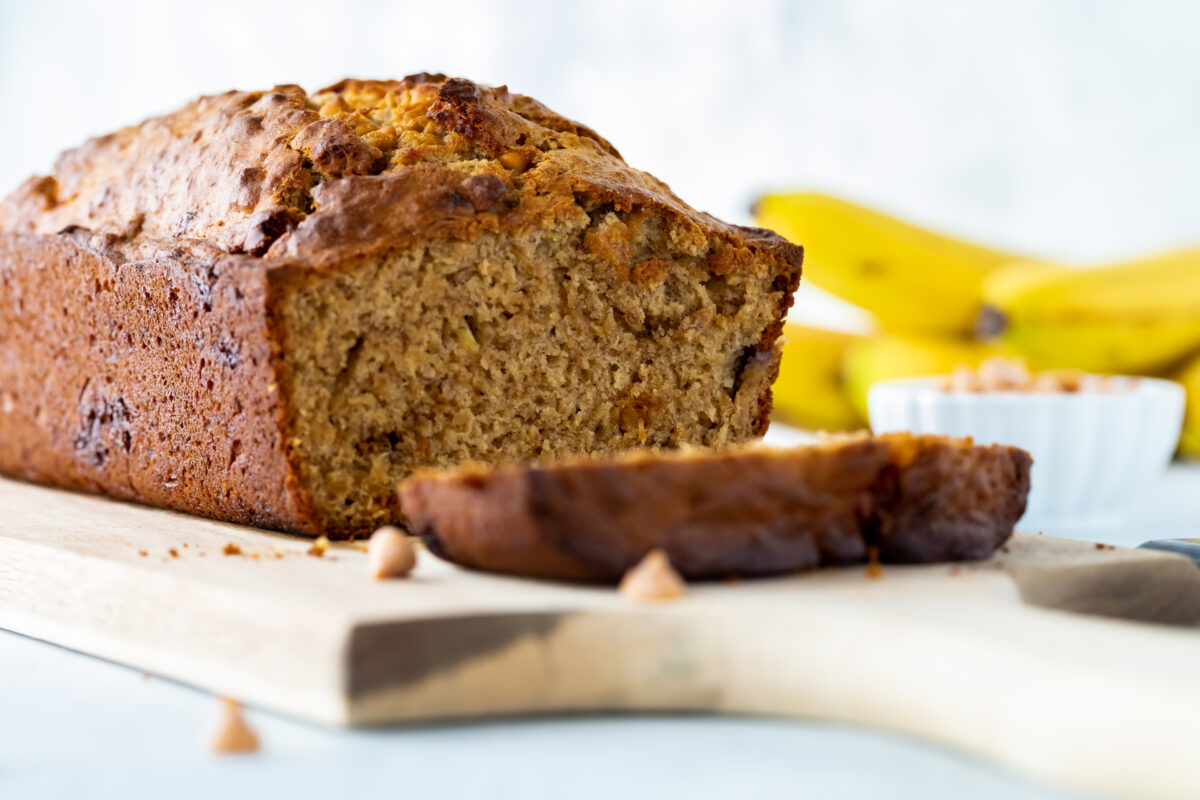
- Enhanced Sensory Experience: The visual and olfactory appeal of melting butterscotch chips combined with warm cinnamon and banana aromas consistently receives high marks in consumer testing.
- Versatility in Meal Planning: Educators note that the loaf adapts easily to various schedules, serving as a make-ahead breakfast component or a portable snack.
- Adaptability for Dietary Adjustments: Home cooks frequently report success in modifying the base formula to accommodate gluten-free flours, dairy-free yogurts, or alternative nut inclusions.
Industry analysts suggest that the enduring popularity of such comfort-food variations stems from a psychological demand for nostalgia paired with novelty. In an era marked by rapid technological change and fast-paced daily routines, the ritualistic process of baking bread provides a tangible, rewarding outlet for creativity and stress reduction.
Methodological Best Practices for the Home Kitchen
To achieve optimal results when preparing butterscotch banana bread, professional pastry chefs recommend adhering to strict measurement and mixing protocols.
The most common pitfall identified in home kitchens is the over-incorporation of flour, which activates gluten development and leads to a dense, dry, or rubbery texture. To prevent this, bakers are encouraged to use the "spoon and level" technique rather than scooping measuring cups directly into flour containers.
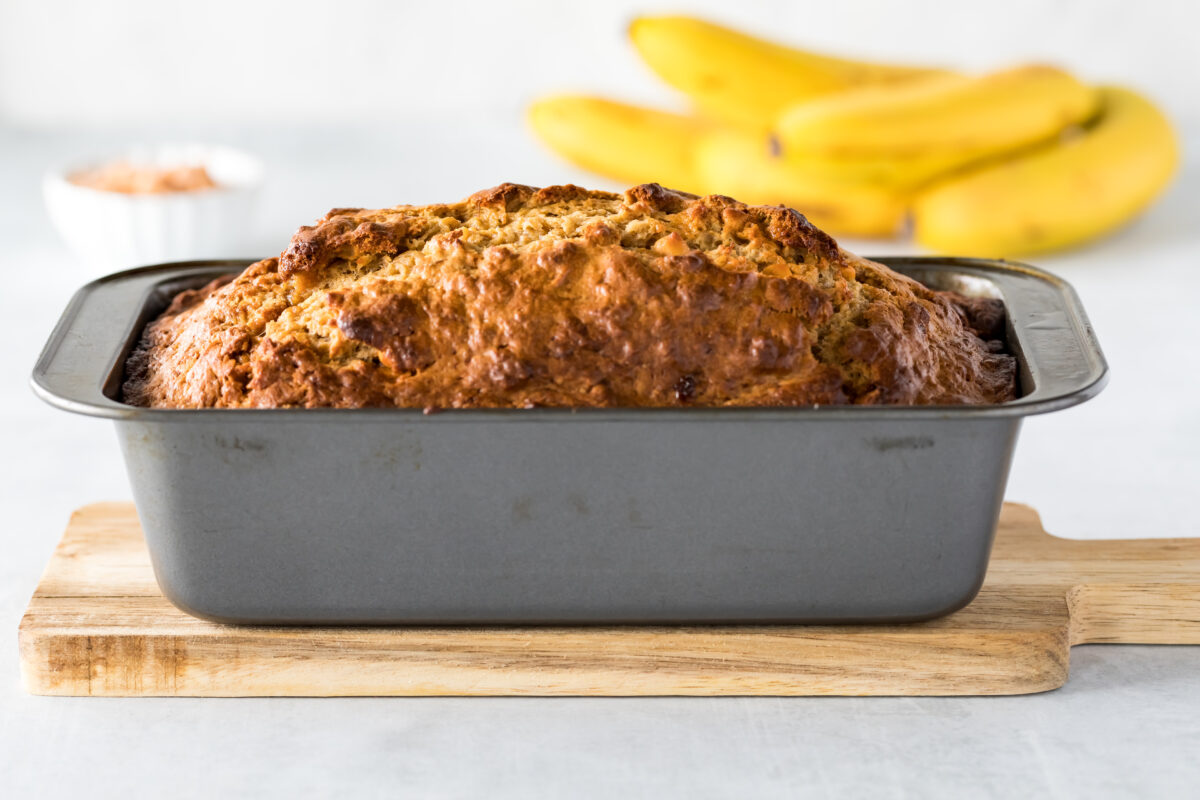
Additionally, controlling the ripening process of the fruit remains critical. While naturally ripened bananas featuring dark brown or black spots offer superior flavor compounds, accelerated ripening methods—such as baking unpeeled fruit at low temperatures or utilizing the paper bag method with ethylene-producing fruits like apples—provide viable alternatives for time-constrained cooks.
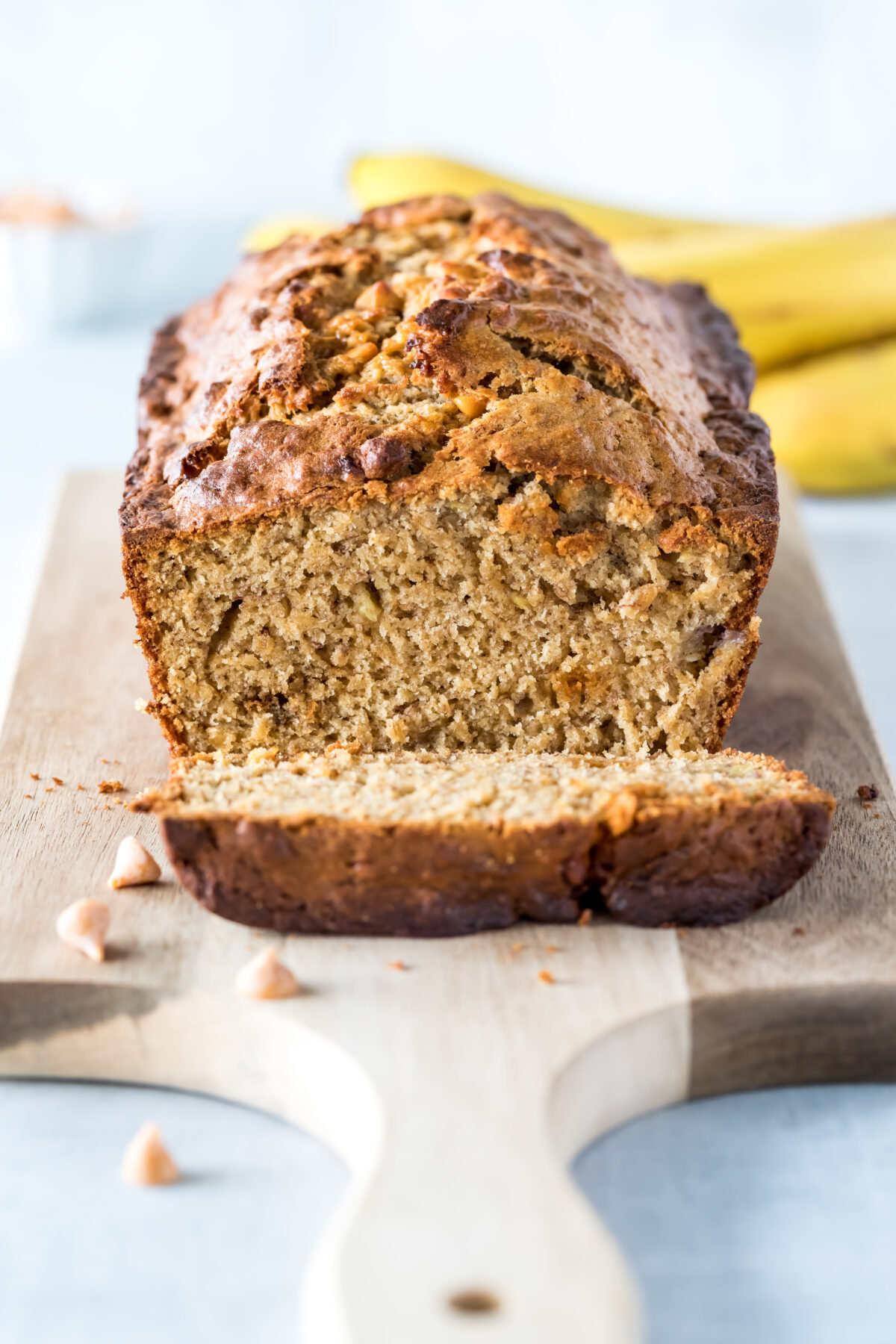
Furthermore, thermal management during the cooling phase is essential for structural integrity. Slicing into a loaf immediately upon removal from the oven disrupts internal moisture distribution, often resulting in crumbling. Allowing the baked good to rest on a wire rack for a minimum of thirty minutes enables the starches to set properly, ensuring clean slices and optimal mouthfeel.
Broader Economic and Cultural Implications
The cultural persistence of home baking underscores a broader societal shift toward intentional food consumption and waste reduction. Utilizing overripe bananas prevents domestic food loss, aligning with global sustainability initiatives aimed at curbing household organic waste.
From an economic perspective, the accessibility of core ingredients—flour, sugar, eggs, and bananas—ensures that baking remains an economical alternative to commercial snack purchases. As supply chain fluctuations and grocery pricing continue to influence consumer behavior, versatile recipes that utilize affordable staples retain significant value for households seeking to maximize culinary output with minimal financial investment.
Ultimately, butterscotch banana bread exemplifies the successful synthesis of heritage cooking and modern flavor innovation. By building upon a trusted foundation of chemical science, historical tradition, and sensory gratification, this culinary variation secures its place as a enduring fixture in contemporary home kitchens.