The Rise of Flourless Baking: A Comprehensive Look at the Innovative Pumpkin-Based Chocolate Cake

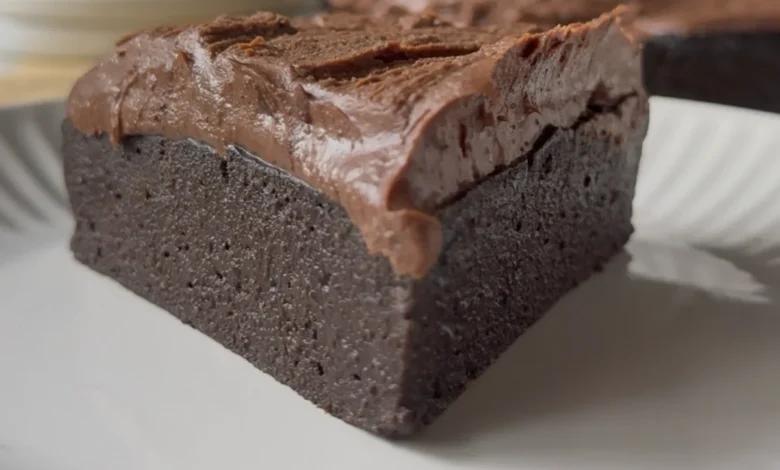
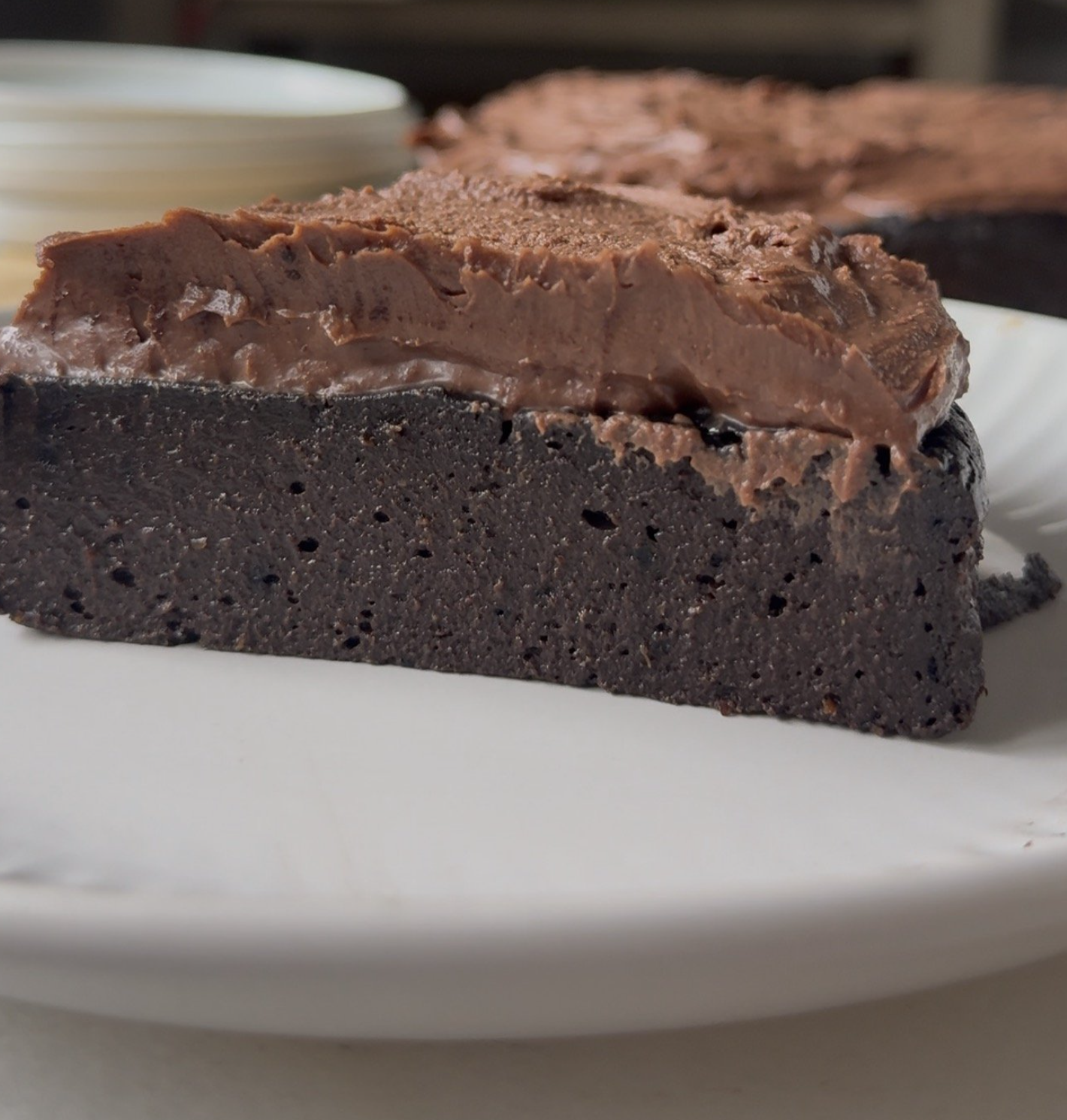
The culinary landscape has undergone a significant transformation over the past decade as consumer demand for nutrient-dense, minimally processed ingredients has surged. At the forefront of this shift is a new category of "whole-food" baking, which prioritizes functional ingredient substitution over traditional refined components. One of the most notable developments in this space is the emergence of a flourless, oil-free chocolate cake that utilizes pumpkin purée as its structural foundation. This innovative approach to dessert, which eliminates wheat flour, refined sugar, and added fats, represents a broader industry trend toward allergen-friendly and health-conscious alternatives to classic baked goods.
The Evolution of Alternative Baking
Traditional baking relies heavily on a delicate chemical balance between gluten, which provides structure, and fats, which provide moisture and crumb. For decades, the elimination of these components often resulted in products that lacked the sensory appeal of conventional desserts. However, food scientists and home economists have increasingly identified plant-based purees as viable agents for moisture and structural integrity.
The adoption of pumpkin purée in chocolate-based desserts is a prime example of this methodology. Beyond its nutritional profile—which includes vitamins A and C, fiber, and potassium—pumpkin provides a dense, fibrous composition that, when paired with high-quality cocoa, allows for the total removal of flour and oil. This development is significant for the gluten-free and grain-free communities, as it provides a naturally occurring alternative to expensive, highly processed gluten-free flour blends.
Structural Chemistry and Technical Execution
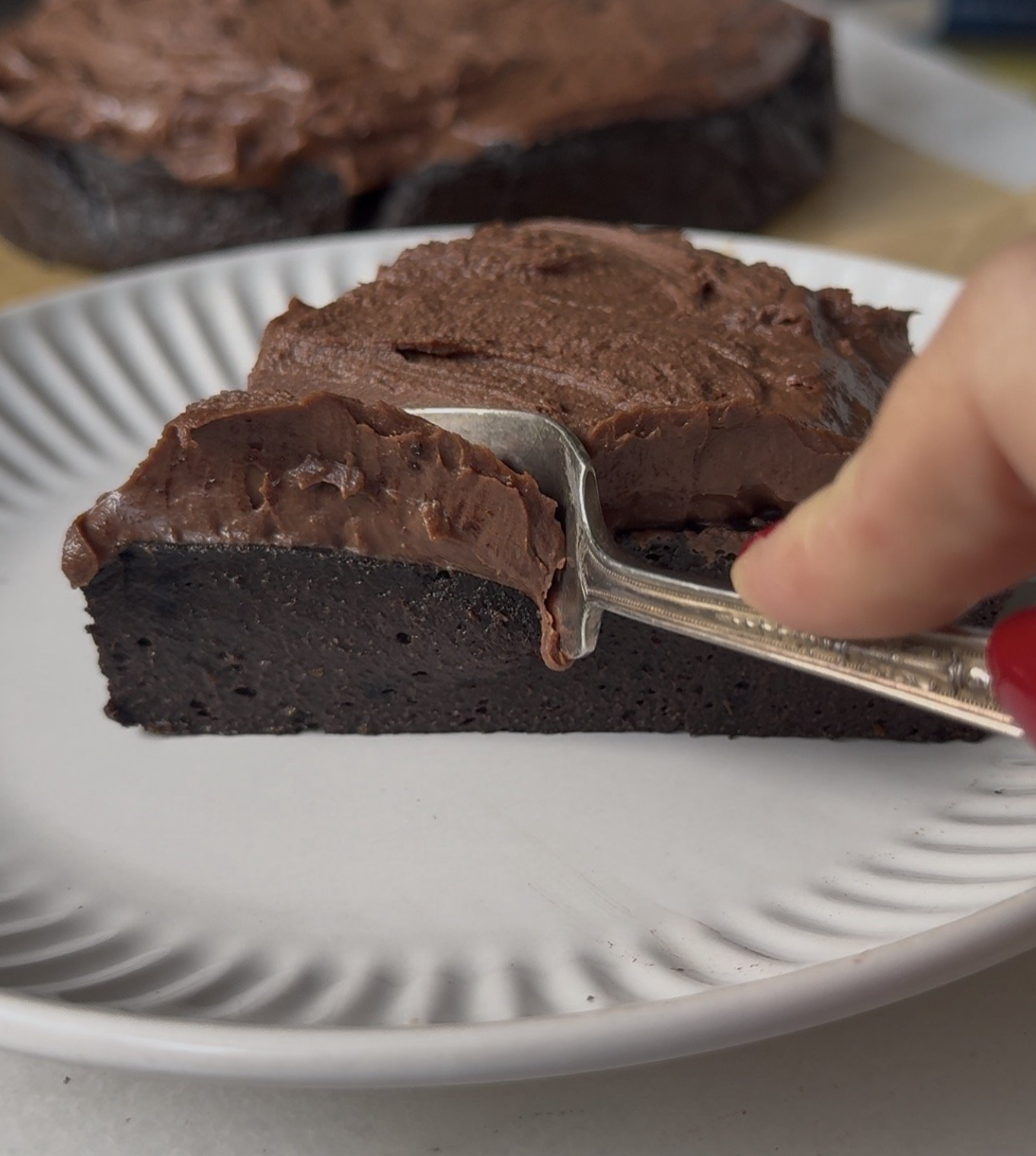
The success of this specific recipe hinges on the unique interaction between the pumpkin’s natural starch and the protein structure of eggs. In a standard cake, the "crumb" is set by the gelatinization of wheat starches. In this flourless iteration, the structure is instead provided by the coagulation of egg proteins, which occurs during the baking process.
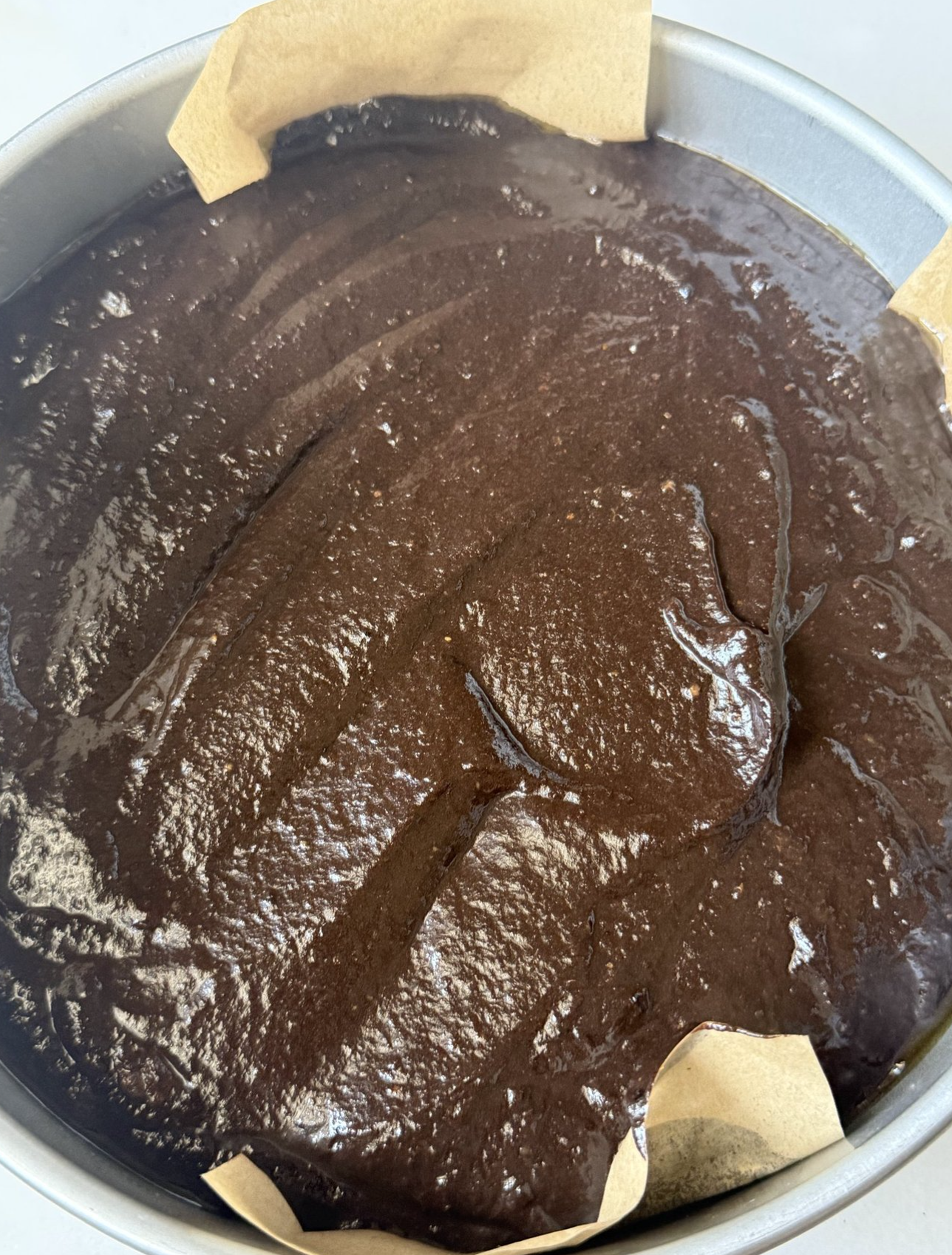
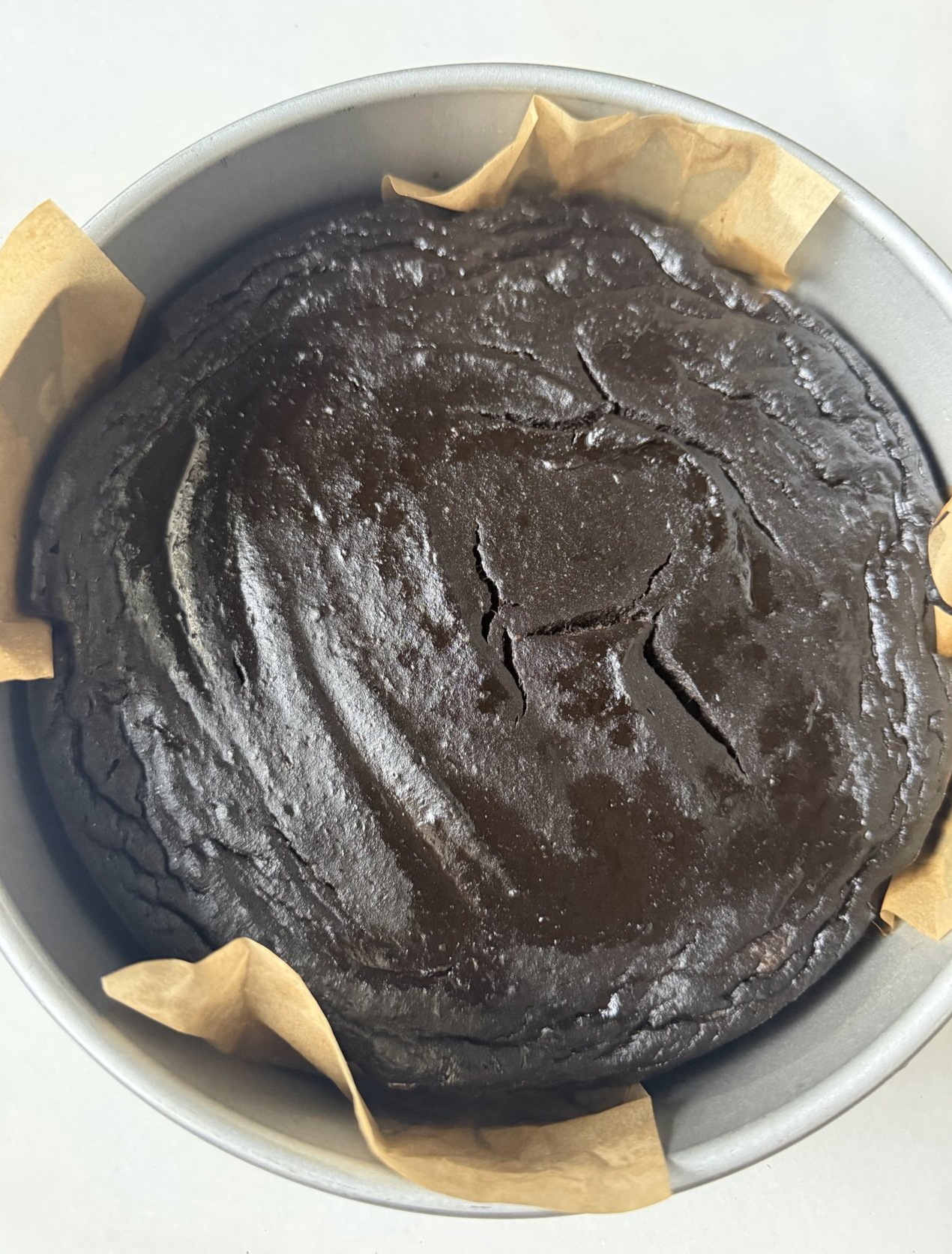
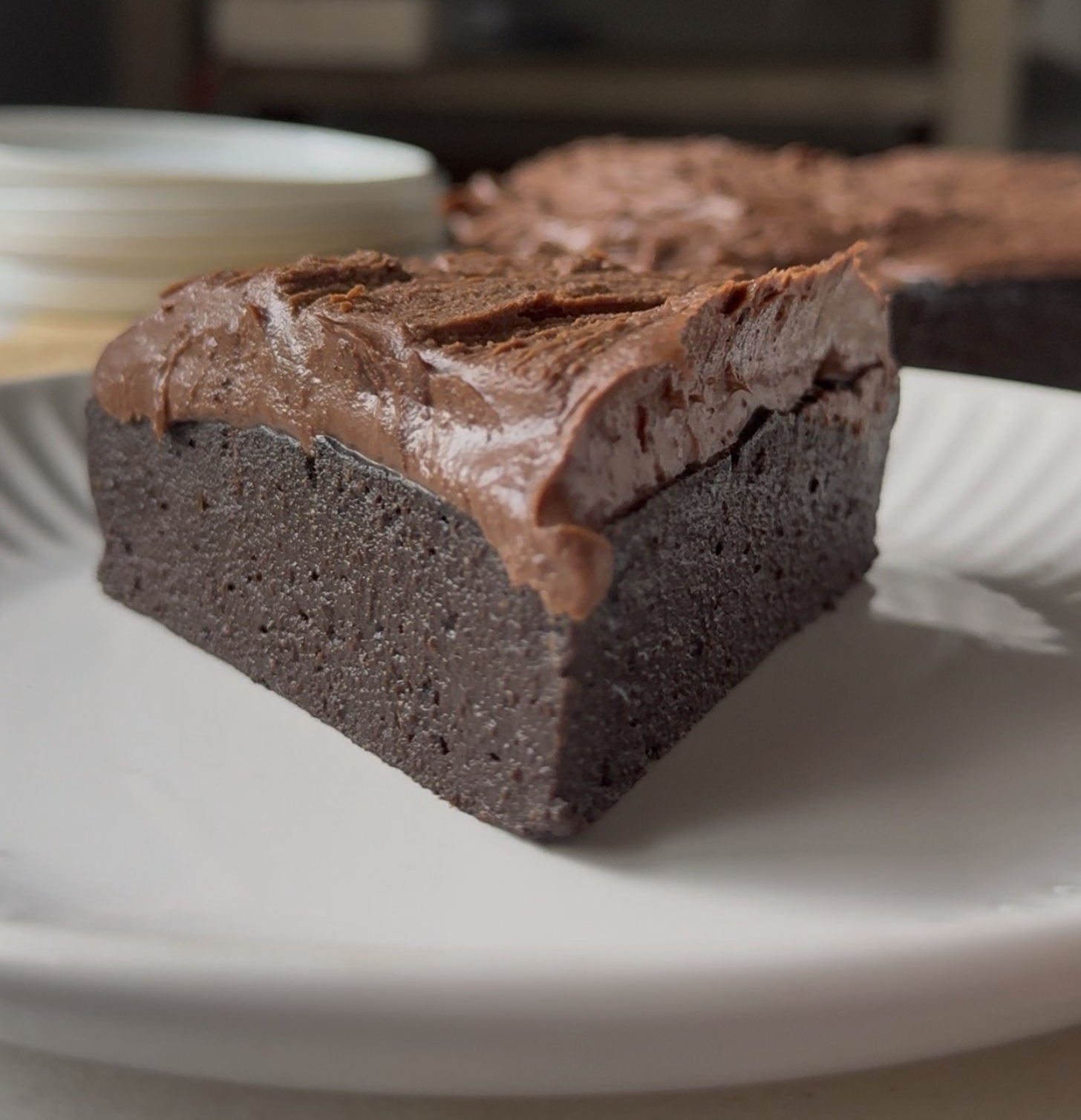
Technical assessments of this baking method indicate that the structural integrity of the cake is highly sensitive to the moisture content of the base ingredient. Culinary experts emphasize that using a low-moisture pumpkin purée is essential for achieving a "fudgy" texture rather than a liquid or unstable consistency. Furthermore, the cooling process is not merely a post-baking formality but an active phase of the recipe’s development. The cake requires a minimum of four hours—preferably with a portion of that time in a refrigerated environment—to allow the protein matrix to fully stabilize. Without this, the finished product fails to achieve the necessary firm texture required for slicing.
Ingredient Profiles and Nutritional Implications
The transition away from refined sugar toward natural sweeteners, such as maple syrup or raw honey, reflects a shift in dietary guidelines that prioritize glycemic control. By replacing butter or vegetable oils with the fibrous base of a gourd, the caloric density of the final product is reduced while the micronutrient profile is enhanced.
The use of dark cocoa powder is another critical component of this nutritional strategy. Dark cocoa, particularly the Dutch-process variety, contains high concentrations of flavonoids, which have been linked to cardiovascular health in numerous clinical studies. By pairing these with a low-glycemic natural sweetener, the resulting dessert serves as a case study in how modern baking can balance the consumer’s desire for indulgence with the growing necessity for health-conscious food consumption.
Chronology of the Recipe’s Development
The timeline of this recipe’s adoption can be traced back to the early 2020s, as home bakers faced supply chain shortages that limited access to conventional baking supplies like all-purpose flour and butter. During this period, "pantry cooking" became a necessity, leading to the widespread discovery that common staples—specifically canned pumpkin and eggs—could yield surprisingly sophisticated results.
- 2020-2021: The initial surge in interest for flourless, pantry-friendly desserts began as a response to retail shortages and increased time spent in home kitchens.
- 2022-2023: Culinary influencers and health-focused food bloggers began standardizing the measurements for pumpkin-to-cocoa ratios, ensuring consistent results for home cooks.
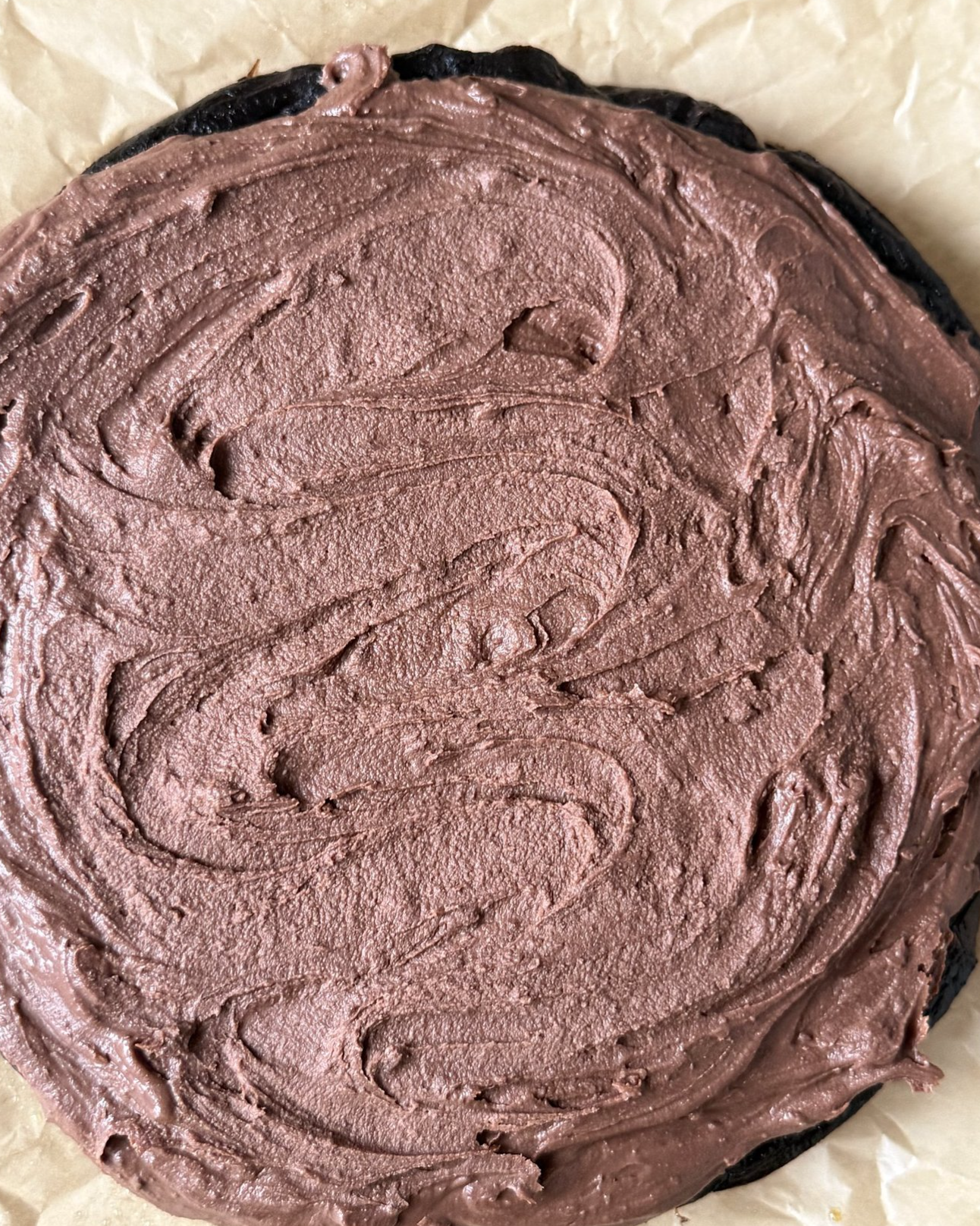
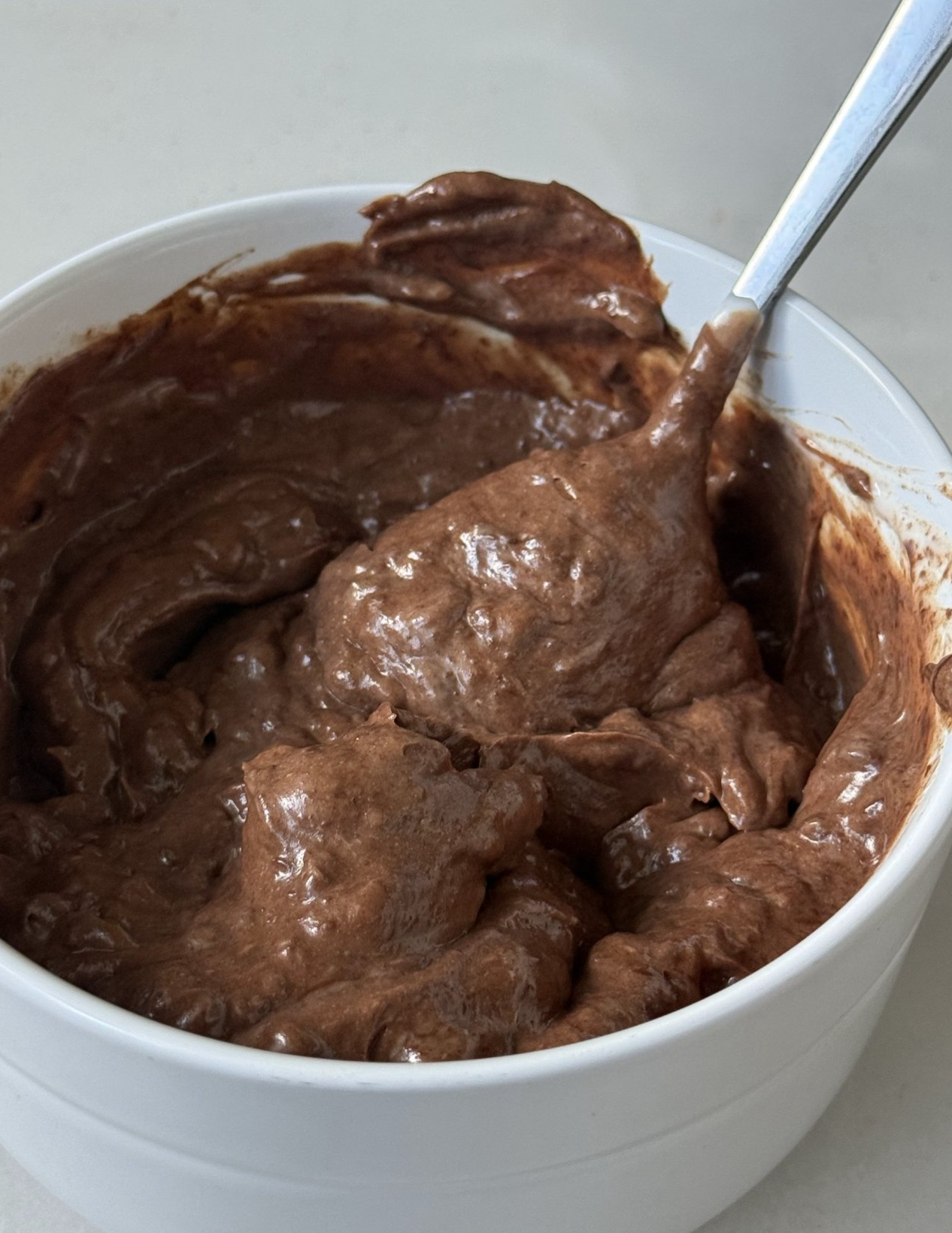
- 2024: The development of the two-ingredient ganache frosting—utilizing heavy cream or coconut cream and dark chocolate—provided a necessary bridge between the healthy base and a traditional dessert experience.
- 2025-2026: The recipe reached a level of maturity where specific variables, such as the preference for springform pans and the necessity of prolonged cooling, were formally documented as standard operating procedures.
Industry Impact and Broader Implications
The success of this flourless cake has broader implications for the food industry, particularly in the sectors of retail, manufacturing, and dietary education. As consumers become more adept at identifying and using whole-food substitutes, the demand for "clean label" products continues to rise.
Food policy experts argue that these trends represent a permanent shift in consumer behavior. With the increasing prevalence of autoimmune conditions, gluten sensitivities, and metabolic diseases, the demand for recipes that exclude inflammatory agents like refined oils and processed sugars is no longer a niche market. It has become a mainstream expectation.
Furthermore, this shift challenges the conventional wisdom of professional pastry kitchens, which have historically relied on traditional methods. The ability to produce a high-quality, texturally superior cake without the use of wheat-based flour suggests that there is significant room for innovation in the commercial bakery sector.
Expert Analysis of Future Trends
Analysts in the food technology space suggest that the next phase of this development will likely involve the optimization of plant-based binding agents to replace eggs, catering to the rising vegan demographic. While the current iteration relies on eggs for structural integrity, ongoing research into aquafaba (chickpea brine) and other legume-based proteins could soon provide a fully plant-based version of this dessert that maintains the same structural and flavor profiles.
The integration of these ingredients into everyday home baking also signals a shift in the perceived utility of canned vegetables. Once considered seasonal or limited to specific types of holiday cooking, items like pumpkin, butternut squash, and sweet potato purées are being repositioned as foundational baking staples, similar to flour or sugar.
Conclusion: A New Standard for Home Baking
The rise of the healthy, flourless chocolate cake is more than a fleeting culinary trend; it is a testament to the versatility of whole-food ingredients. By leveraging the natural properties of pumpkin to replace the structural and fatty components of traditional baking, home cooks have gained access to a dessert that is both indulgent and nutrient-dense.
As the industry continues to refine these techniques, it is likely that the boundary between "health food" and "gourmet dessert" will continue to blur. For the home baker, this represents a win-win scenario: the ability to participate in the tradition of baking while adhering to the nutritional standards of a modern, health-conscious lifestyle. The key to this success remains in the attention to detail—specifically the choice of ingredients and the adherence to the precise, chemically-necessary cooling times. As more consumers adopt these methods, the standard for what constitutes a "healthy" dessert will inevitably continue to evolve, setting a new benchmark for quality in the home kitchen.
Related posts: