Navigating the Teen Body Piercing Request: Beyond Age to Individual Readiness

The conversation typically begins at the dinner table or during a routine car ride: a teenager casually, or perhaps quite formally, announces a desire to get a body piercing. For many parents, the immediate instinct is to calculate numbers—checking whether the child has reached 14, 16, or 18 years of age. However, pediatricians, adolescent psychologists, and body modification professionals increasingly argue that before evaluating the request itself, it is vital to examine how parents respond in the precise moment the child brings it up.
A teenager may be fully prepared for one specific type of modification while remaining entirely unready for another. Furthermore, two adolescents of the exact same chronological age can occupy vastly different levels of emotional, physical, and behavioral maturity. Broad guidance from the American Academy of Pediatrics (AAP) on youth body modifications reflects this nuanced focus on individual readiness. Rather than endorsing a universal age threshold, professional health guidance consistently points toward a simpler metric: whether the young person possesses the maturity, responsibility, and executive functioning required to properly care for the piercing site over weeks and months of healing. Chronological age forms part of the picture, but it does not tell the whole story.
The Immediate Reaction: Managing the Initial Conversation
When an adolescent asks for a piercing, the initial parental reaction often sets the emotional tone for the weeks of discussion that follow. Experts in adolescent communication suggest that emotional knee-jerk reactions—such as immediate dismissal, mocking, or rigid ultimatums—tend to drive teenagers underground, increasing the likelihood that they will seek out unsafe, unregulated, or illicit procedures without parental consent.
Instead, child development specialists recommend viewing the request as an early test case in autonomy and negotiation. The ultimate goal in parenting through these milestones is not to win a domestic argument about a piece of jewelry. Rather, the broader objective is raising a capable young person who can make increasingly thoughtful, health-conscious decisions—and who still feels comfortable talking to their parents while learning how to navigate those choices.
By taking a deep breath and responding with curiosity rather than immediate prohibition, parents open a constructive dialogue. Questions such as, "What made you interested in this specific piercing?" or "How have you researched the aftercare process?" transform a potential conflict into a collaborative evaluation of readiness.
Age Versus Behavioral Maturity: Dispelling the Birthday Myth
Many parents naturally wonder if there is a magical age—such as 16 or 18—when a teenager automatically becomes ready for body art or modifications. According to pediatric health specialists, the answer is generally no.
Readiness depends much more heavily on the specific piercing’s risk profile and the teenager’s demonstrated behavioral maturity than on a calendar birthday. For instance, a 13-year-old with a long, consistent track record of personal hygiene, responsibility, and adherence to medical instructions may be entirely ready for a simple earlobe piercing. Conversely, a 16-year-old who still requires daily, persistent reminders to complete basic hygiene routines, brush their teeth, or shower regularly may struggle immensely with the rigorous daily maintenance required to keep a new piercing healthy.
Behavioral indicators of readiness often include:
- Demonstrated consistency in self-care routines without constant parental oversight.
- The ability to follow multi-step medical or hygienic instructions.
- Financial investment, such as using earned allowance or job wages to pay for the procedure and professional-grade jewelry.
- Patience and impulse control, demonstrated by a willingness to research and wait rather than demanding an impulsive, same-day procedure.
Categorizing Risks: From Standard Lobe Piercings to Complex Modifications
Not all piercings carry the same physiological risks. Understanding these differences helps parents and teens make informed, risk-mitigated decisions.
Standard earlobe piercings generally represent the safest entry point into body modification. Medical data consistently shows that traditional lobe piercings tend to feature simpler, more straightforward aftercare regimens and significantly lower complication rates compared to piercings situated in cartilage, facial tissue, or the hands. The tissue in the earlobe has a rich blood supply, which generally aids healing.
However, labeling a procedure "safer" does not mean it is entirely risk-free. Infections, allergic reactions to low-grade metals such as nickel, and tissue irritation remain potential outcomes for any break in the skin barrier.
As piercings move away from the earlobe into more complex anatomical areas, the risk profile escalates. Cartilage piercings—such as those in the helix, tragus, or daith—heal much more slowly because cartilage has a poorer blood supply than soft tissue. This extended healing window increases vulnerability to persistent irritation bumps, infections, and structural damage if the jewelry is snagged or improperly cleaned.
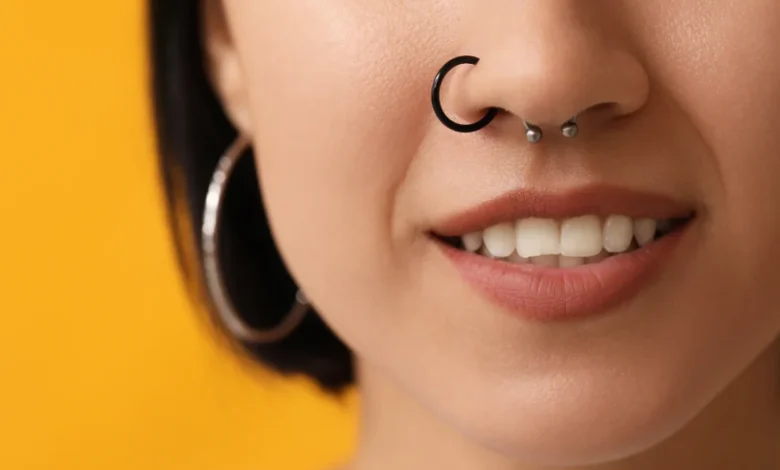
Facial piercings (including the septum, nostril, eyebrow, or lip) introduce cosmetic and functional considerations, such as scarring or interference with dental health in the case of oral piercings. Meanwhile, specialized procedures such as dermal piercings—which sit underneath the skin using an anchor base in areas frequently bumped or handled, such as the hands, neck, or chest—carry markedly higher risks of migration, physical rejection by the body, scarring, and severe tissue damage compared to traditional surface piercings.
Chronology of a Request: A Typical Timeline for Families
When a teenager brings up a piercing request, families typically move through a predictable chronological arc. Understanding this timeline can help parents manage expectations and structure the decision-making process effectively.
Phase 1: The Initial Inquiry (Days 1–3)
The teenager makes the verbal request. The initial parental response sets the tone. Rather than saying an outright "no," parents request time to research safety protocols, studio standards, and anatomical considerations together.
Phase 2: Independent Research and Documentation (Weeks 1–2)
The adolescent is tasked with investigating the practical aspects of the request. This involves researching licensed local professional piercers, examining health department inspection ratings, understanding appropriate initial jewelry materials (such as implant-grade titanium or 14-karat gold), and writing down a summary of the aftercare requirements.
Phase 3: The Family Evaluation (Week 3)
Parents and the teenager sit down to review the gathered findings. Parents evaluate whether the teen has demonstrated the necessary maturity to handle the financial cost, the pain management, and the weeks of meticulous cleaning.
Phase 4: Execution or Healthy Postponement (Week 4 and Beyond)
If readiness is mutually established, the family selects a reputable, professional piercing studio where a licensed piercer uses sterile equipment and proper technique. If readiness is found lacking, the decision is formally paused, with clear, achievable behavioral milestones established for a future re-evaluation.
Professional Standards and Legal Frameworks
Beyond domestic negotiations, families must navigate the legal and professional landscape governing body modifications for minors. Regulations vary significantly by jurisdiction, with different states, provinces, and municipalities enforcing strict rules regarding age of consent and parental permission.
Reputable professional piercing establishments—typically affiliated with organizations like the Association of Professional Piercers (APP)—adhere to rigorous safety standards. These standards include the mandatory use of single-use disposable needles (never piercing guns, which can cause micro-crises in cartilage), autoclaved sterilization equipment, and high-grade biocompatible jewelry.
Professional piercers frequently refuse to perform certain procedures on minors, regardless of parental consent, due to ongoing skeletal development or high anatomical rejection rates. Ethical piercers view themselves as part of the healthcare continuum, routinely screening clients for medical contraindications, such as bleeding disorders, immune system compromises, or severe allergies.
Broader Implications: Fostering Lifelong Autonomy
The way families handle a teenager’s request for a body piercing extends far beyond the physical outcome of a piece of metal in skin. Psychologists note that these early negotiations serve as a foundational proxy for how young adults will approach larger life autonomy decisions in the future, including healthcare choices, financial commitments, and bodily integrity.
When parents approach the conversation with empathy, logical criteria, and clear boundaries, they teach adolescents how to weigh risk versus reward, evaluate peer pressure, and respect professional health guidelines. By shifting the focus away from arbitrary age limits and toward holistic personal readiness, families can turn a potentially contentious cultural friction point into a valuable milestone of growing up.