Stopping Food Throwing: A Pediatric Dietitian’s Guide to Stress-Free Mealtimes


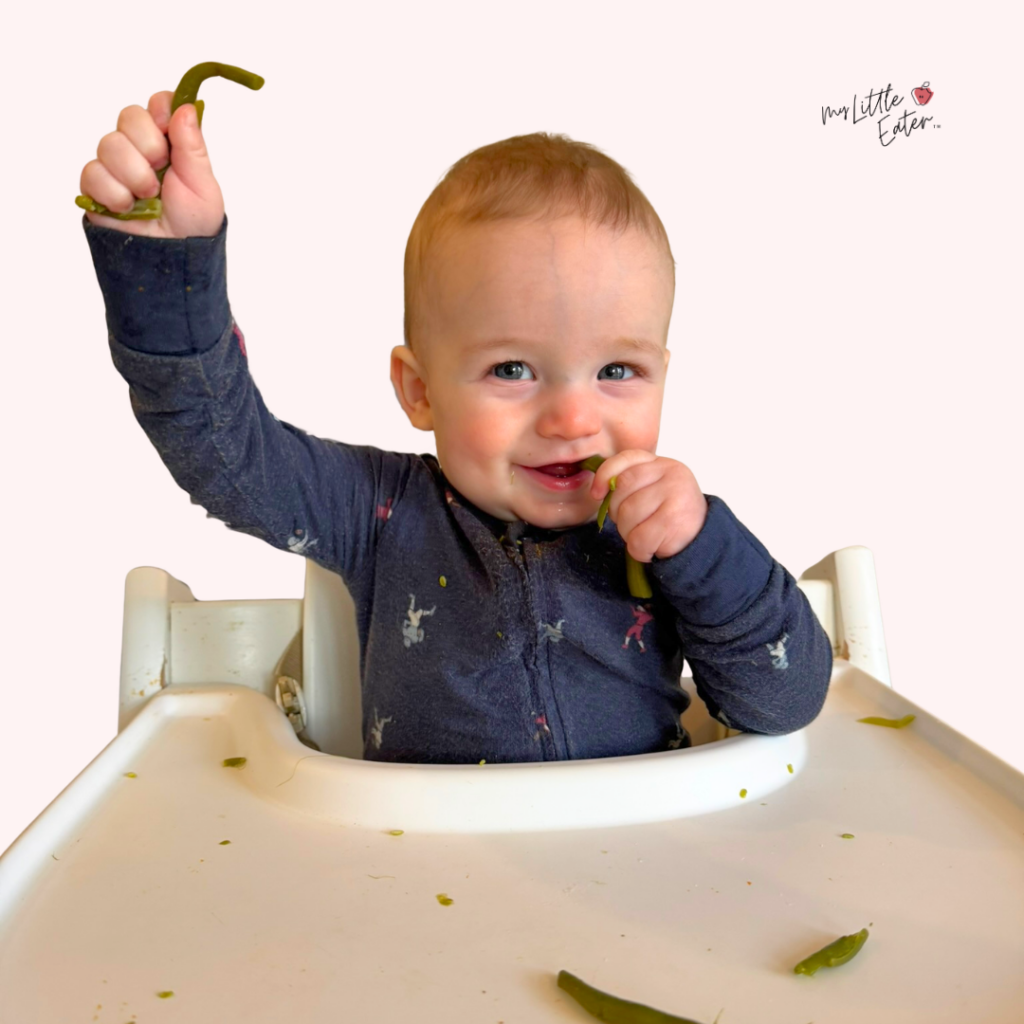
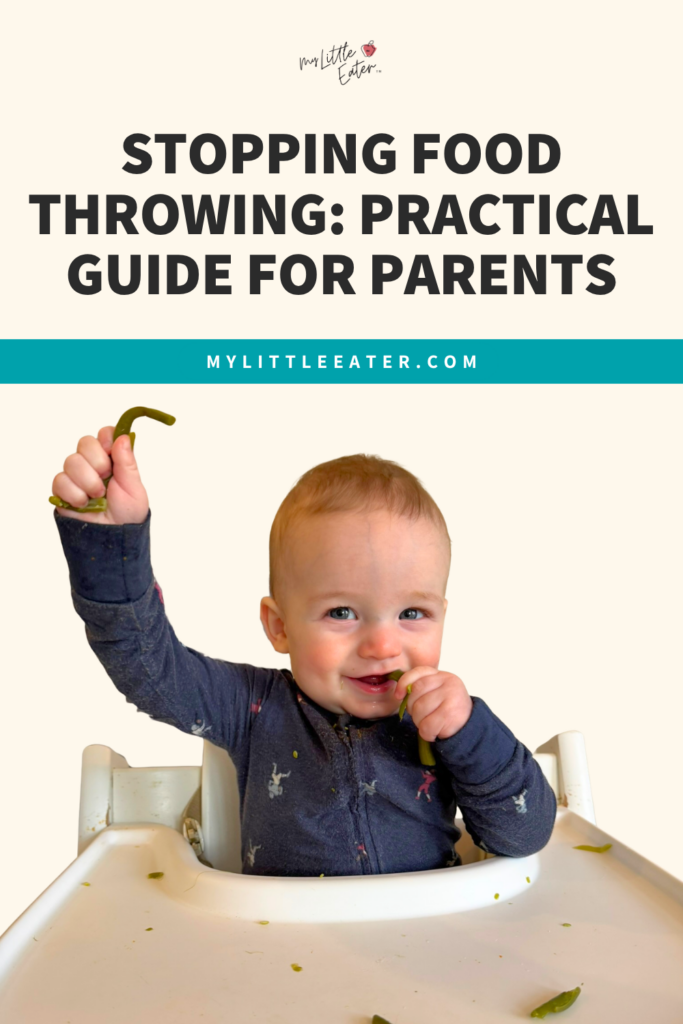
The phenomenon of infants and toddlers launching food from high chairs is a pervasive challenge for parents worldwide, often manifesting between the ages of 12 and 18 months. While frequently perceived as an act of defiance, clinical pediatric nutrition research indicates that this behavior is rarely motivated by malice. Instead, it serves as a fundamental, albeit disruptive, milestone in early childhood development. Pediatric dietitians categorize this behavior as a byproduct of sensory exploration, the testing of cause-and-effect physical laws, and a rudimentary form of non-verbal communication.

The Developmental Context of Food Propulsion
From a physiological and psychological perspective, the "throwing phase" represents a significant transition in a child’s cognitive growth. During the second year of life, toddlers undergo rapid brain development that prioritizes the mastery of physical autonomy. When a child drops a piece of pasta or a vegetable, they are often conducting an impromptu physics experiment. By observing the trajectory, the sound of the impact, and the subsequent reaction of the caregiver, the child gains critical data regarding their environment.
Data from pediatric developmental studies suggest that this behavior is closely linked to the child’s limited vocabulary. Unable to articulate complex emotional or physical states, such as satiation, sensory aversion, or boredom, a child defaults to physical action. For a toddler, the act of discarding food is a functional communication tool. If a child feels overwhelmed by a sensory input—such as a texture that is unexpectedly slimy or cold—they may instinctively reject the object to restore comfort.

The Impact of Caregiver Reactions
A primary factor in the duration of the throwing phase is the nature of the parental response. Behavioral psychologists note that toddlers are highly sensitive to social cues. If a caregiver reacts with a sharp vocalization, a gasp, or even a stern scolding, the child perceives this as a high-value interaction. In the context of early learning, even negative attention functions as a form of reinforcement. Consequently, the child may repeat the behavior to secure a consistent emotional response from the adult.
Research indicates that families who maintain a "neutral" response strategy often see a decrease in the frequency of the behavior. By adopting a "poker face" and minimizing eye contact during the retrieval of items, parents can effectively remove the reward mechanism that perpetuates the cycle. This approach is frequently described in clinical settings as "extinction," where a behavior ceases once it no longer produces a desired social or emotional outcome.
Strategies for Mitigating Mealtime Disruption
To address the logistical challenges of food throwing, experts recommend a multi-faceted approach involving structural changes to the dining environment.
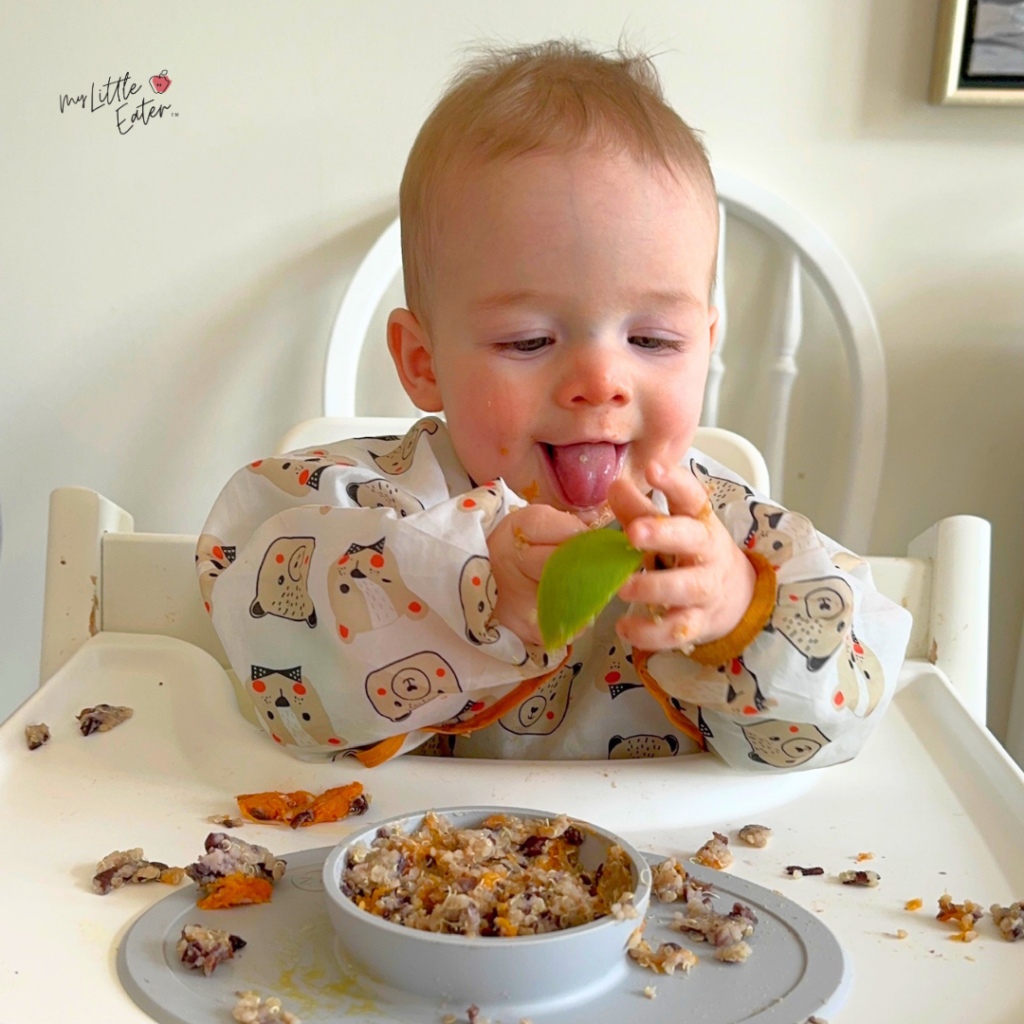
- Environmental Optimization: The physical setup of the high chair is paramount. Many children exhibit restlessness because they lack stable seating. A high chair that fails to support the feet often leads to wiggling, which manifests as physical agitation. Providing a footrest that allows the hips, knees, and ankles to sit at 90-degree angles can significantly increase a child’s ability to remain focused on the meal.
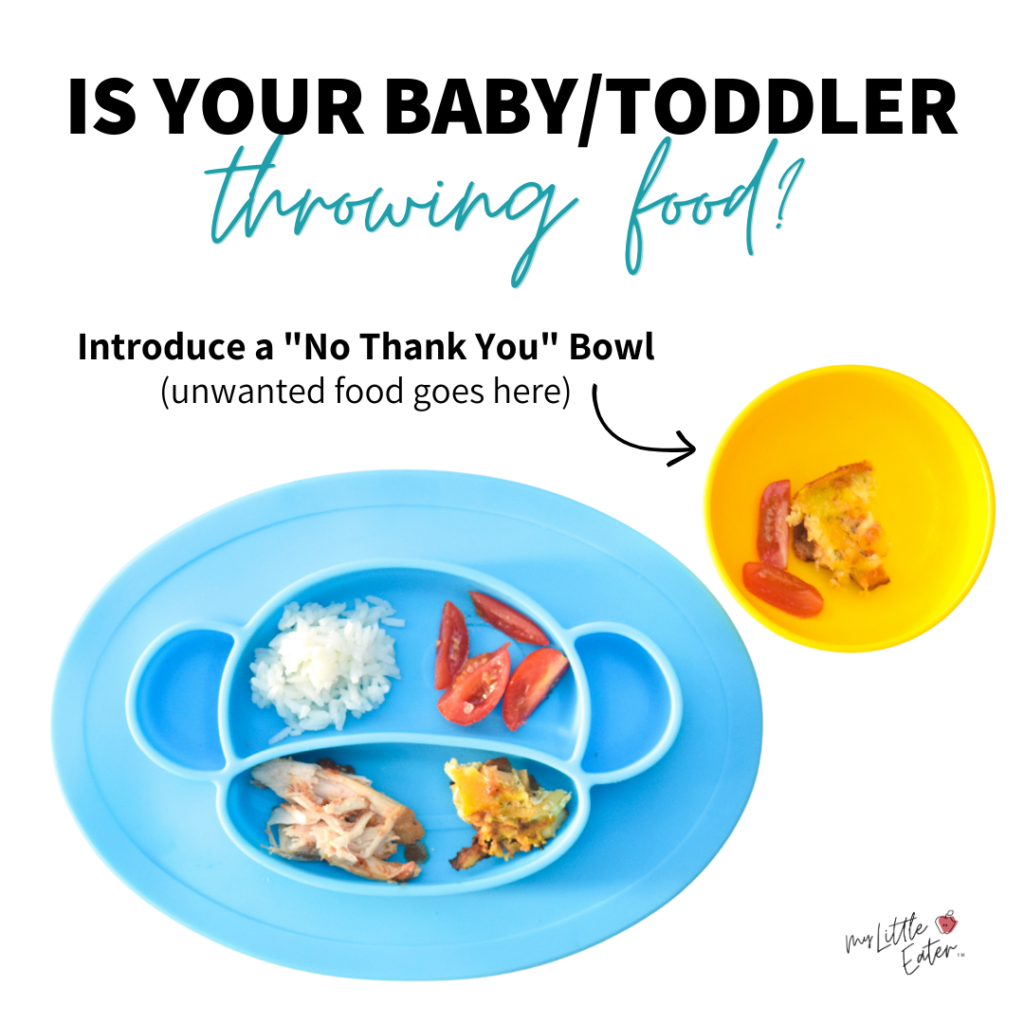
- The "No Thank You" Bowl: Introducing a designated receptacle for unwanted items provides the child with an acceptable outlet for rejection. By teaching a child to place food they do not wish to consume into a "No Thank You" bowl, parents provide a constructive alternative to throwing. This encourages the child to exercise agency without the resulting mess.
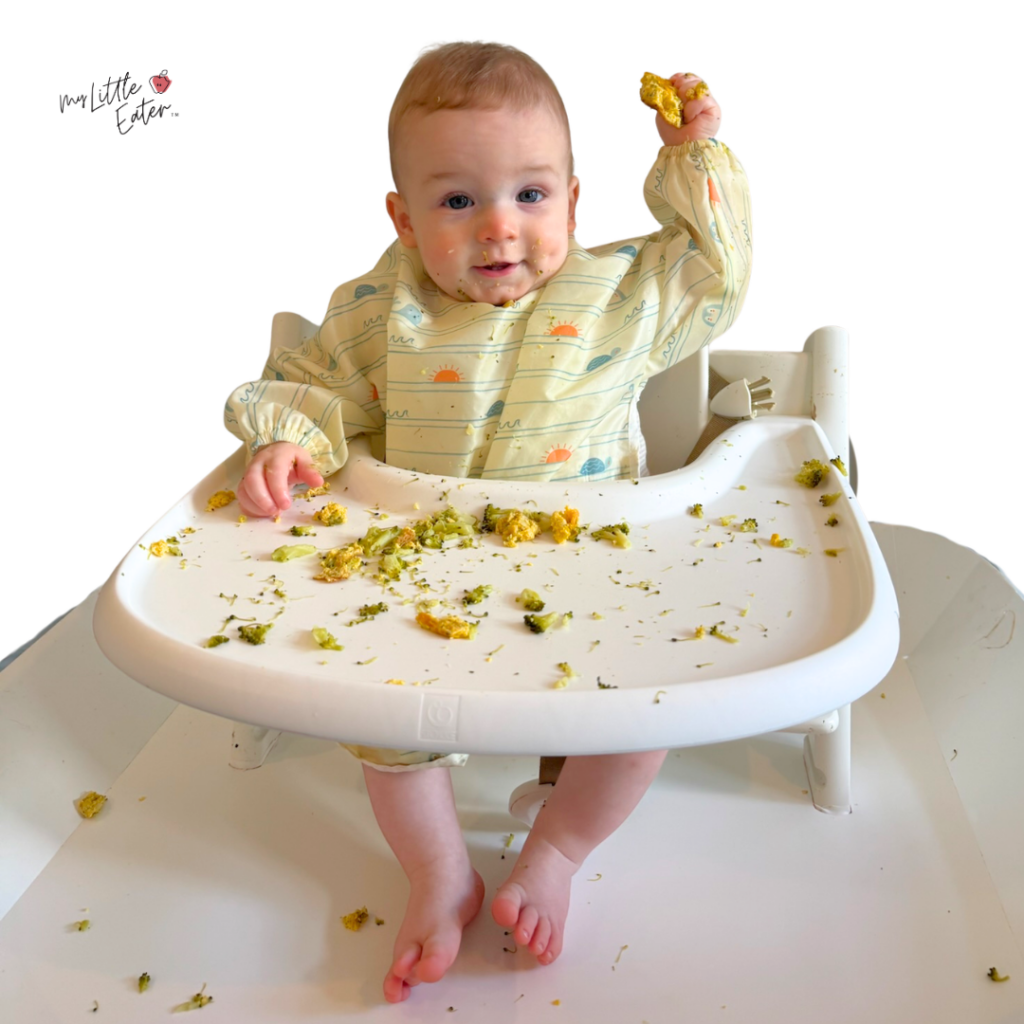
- Portion Control: Overloading a tray can overwhelm a developing brain. Experts suggest that smaller, more manageable portions reduce the tactile sensory overload that often triggers the urge to clear the tray.
- The Three-Step Boundary System: A consistent, non-punitive boundary system is essential. When a child throws food, the first step is to ignore the action. If the behavior continues, the parent should provide a verbal prompt or a gesture, such as the "all done" sign. If the behavior persists, the final step is to conclude the meal, as the act indicates the child is no longer interested in nutritional intake.
When to Seek Professional Consultation
While food throwing is a standard developmental stage, pediatric dietitians identify specific red flags that may warrant professional evaluation. If the behavior persists beyond the age of 24 months, or if it is accompanied by other indicators—such as significant weight fluctuations, an extreme aversion to entire food groups, or severe distress during mealtimes—parents are encouraged to consult a specialist.
Persistent throwing can sometimes be an indicator of underlying sensory processing issues or communication delays. In these instances, 1:1 dietitian counseling or a referral to a speech-language pathologist can provide tailored strategies. It is essential to distinguish between typical exploratory behavior and behaviors that are indicative of a deeper nutritional or sensory challenge.
The Role of Consistency
The most significant hurdle for parents is maintaining consistency across different caregivers. If one parent uses a neutral redirect while another reacts with frustration or amusement, the child receives mixed signals. Pediatric guidelines emphasize that all members of the household must adopt a unified approach. Uniformity in the rules of the table—such as the clear distinction between food and other objects like utensils—speeds up the developmental transition away from throwing.

Furthermore, it is vital to remember that the dining table should remain a space for positive association. Treating the end of a meal as a "natural consequence" rather than a punishment preserves this association. When a parent removes the tray after repeated throwing, they are not depriving the child of nourishment; they are protecting the sanctity of the mealtime environment. Most children are highly capable of self-regulating their caloric intake over the course of a 24-hour period; missing a few bites due to a shortened meal will not negatively impact their growth trajectory.

Broader Implications for Early Feeding
The transition from infancy to toddlerhood is marked by a quest for independence. Allowing a child to participate in the feeding process—through self-feeding, choosing between two healthy options, or learning to use a "No Thank You" bowl—fosters a healthy relationship with food.

The current consensus in pediatric nutrition is that the "division of responsibility" is the gold standard for long-term health. The parent is responsible for providing nutritious food, while the child is responsible for determining how much, or whether, they consume. By shifting the focus from "how to stop the throwing" to "how to facilitate the child’s development," parents can reduce the stress associated with this phase.
As the child gains better motor control and a wider vocabulary, the need for physical expression through throwing naturally diminishes. With the majority of children outgrowing this phase by age three, the primary goal for parents is to navigate the period with patience and a structured, calm framework. Through the application of evidence-based strategies—such as neutral redirection, environmental adjustments, and clear communication—the chaotic scenes of food-covered floors can be replaced by a more stable, productive, and harmonious dining experience for the entire family.