Fueling the Future: The Ultimate Guide to High-Protein, Nutrient-Dense Snacks for Young Athletes

The modern landscape of youth athletics is characterized by rigorous schedules that often mirror those of professional competitors. Between daily school attendance, specialized club practices, weekend games, and multi-day tournaments, children and adolescents involved in sports frequently expend significant amounts of energy. Consequently, managing the nutritional intake of young athletes has become a central focus for sports dietitians, pediatricians, and parents alike. While the market has historically been flooded with expensive commercial sports bars, specialized shakes, and synthetic supplements, recent nutritional research and culinary guidelines emphasize that everyday, whole-food ingredients are not only sufficient but often superior for supporting growing, active bodies.
The physiological demands of youth sports extend far beyond simple caloric replacement. As children run, jump, swim, and cycle, their musculoskeletal systems undergo continuous stress, requiring a precise balance of macronutrients and micronutrients. According to sports nutrition experts, a well-rounded nutritional strategy for active minors must incorporate high-quality proteins for muscle repair and growth, complex carbohydrates to replenish depleted glycogen stores, healthy fats for sustained energy release, and adequate fluids to maintain optimal hydration. Furthermore, the timing of these nutrient intakes plays a critical role in athletic performance and recovery. Pre-activity snacks must provide readily available energy without causing gastrointestinal distress, while post-activity nutrition must bridge the recovery window by combining carbohydrates and proteins to accelerate muscle recuperation.
To address the logistical challenges faced by busy families, culinary and nutritional platforms have increasingly focused on developing accessible, wholesome snack recipes. Rather than relying on processed convenience foods, nutritionists advocate for versatile, homemade options that can be prepared in advance and transported easily to fields, courts, and rinks.
Nutritional Foundations: What Young Bodies Require
Understanding the biochemistry of a young athlete’s metabolism helps demystify snack preparation. Unlike adults, children are in a constant state of physical growth, meaning their nutritional requirements must support both developmental milestones and athletic output.
Proteins form the structural basis for muscle tissue, enzymes, and hormones. For active children, excellent sources include Greek yogurt, cottage cheese, eggs, legumes, nuts, seeds, and soy products. These foods supply the essential amino acids necessary to repair micro-tears in muscle fibers induced by high-intensity exercise. However, protein alone is insufficient. Carbohydrates—sourced from whole grains, oats, fruits, and starchy vegetables—serve as the primary fuel source for the central nervous system and contracting muscles. Without adequate carbohydrate intake, young athletes frequently experience premature fatigue, diminished coordination, and sluggish recovery times.
Healthy fats, found in avocados, nut butters, and seeds, provide a concentrated energy reservoir that is particularly beneficial during endurance sports or prolonged tournament days. Finally, hydration remains paramount. Water regulation in children is less efficient than in adults, making proactive fluid consumption before, during, and after physical activity essential to prevent heat-related illnesses and performance drops.
Comprehensive Recipe Options for Active Families
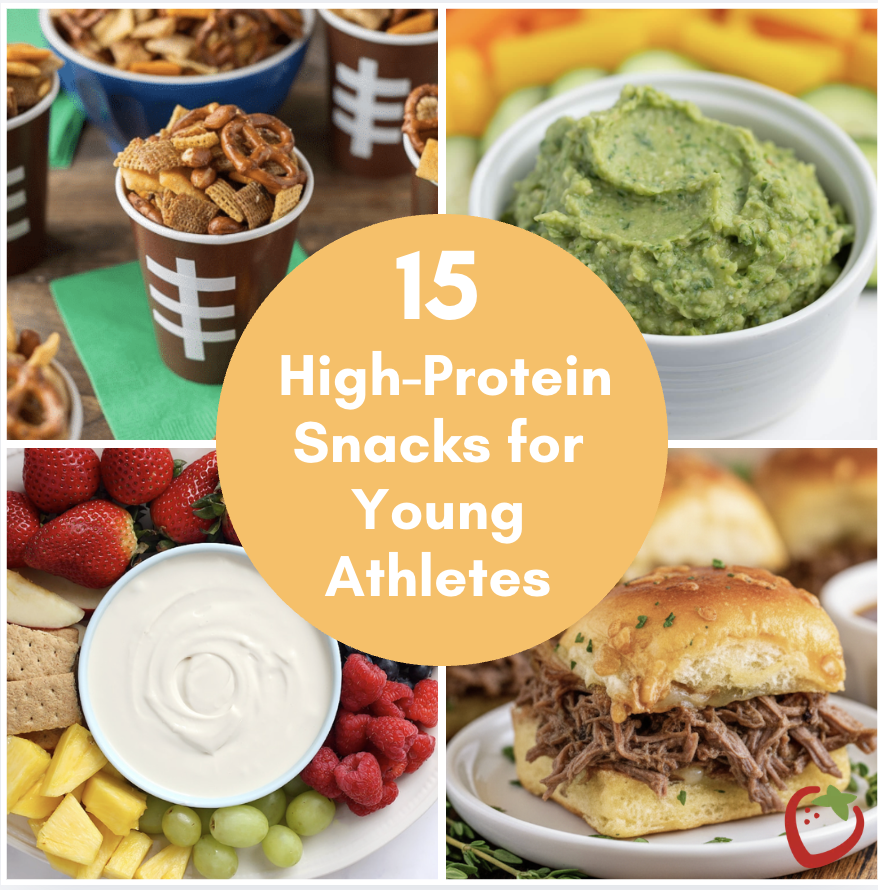
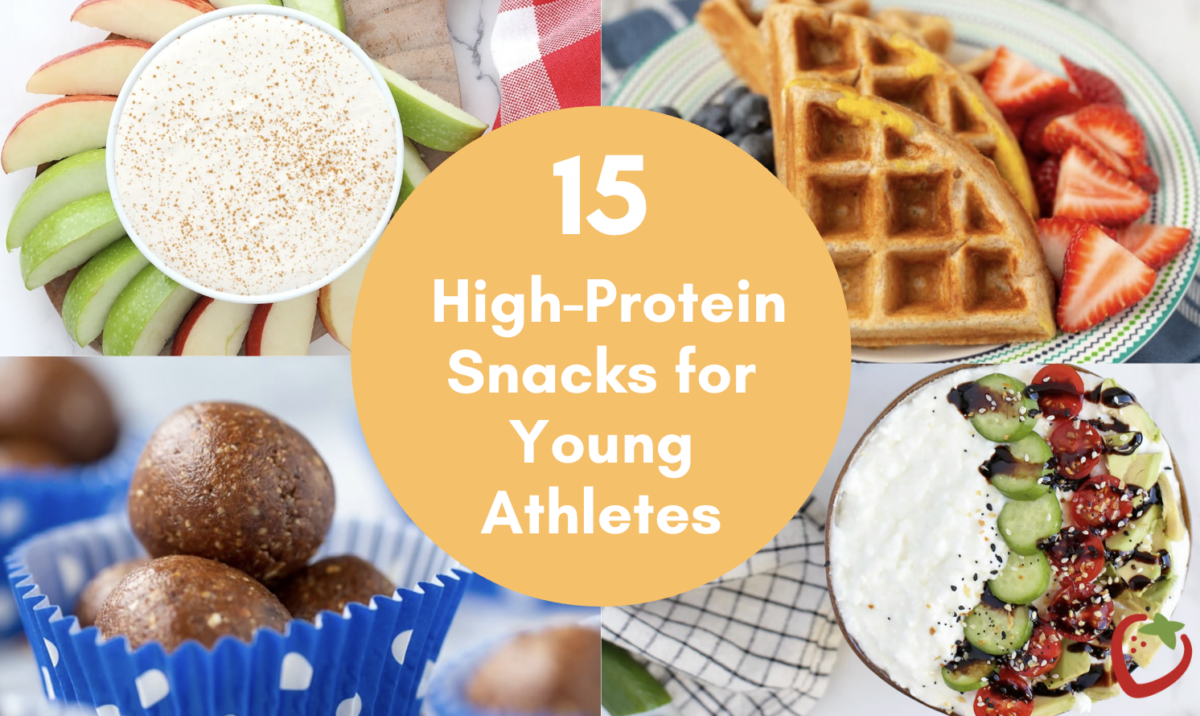
To bridge the gap between nutritional science and practical kitchen execution, a catalog of fifteen versatile, high-protein snack concepts has been curated to meet the diverse palates and schedules of young competitors.
1. Mixed Berry Protein Smoothies
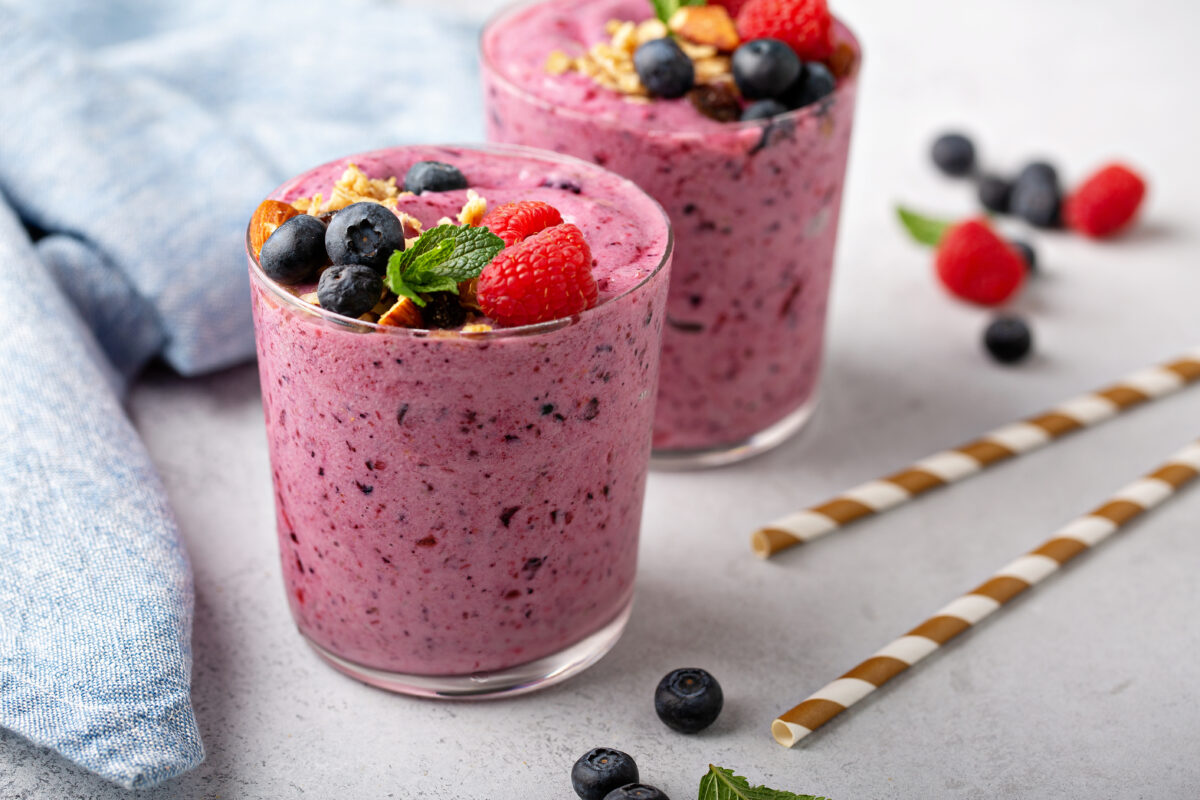
Blending frozen berries, a banana, Greek yogurt, milk, and a clean protein source creates a nutrient-dense beverage ideal for hurried mornings or immediate post-practice consumption. The fruit supplies fast-acting carbohydrates, while Greek yogurt provides a thick, creamy matrix rich in protein. Optional additions like chia seeds or ground flaxseed introduce omega-3 fatty acids. This option is particularly advantageous when a young athlete is too fatigued to chew solid food immediately following exertion.
2. High-Protein Cottage Cheese Bowls
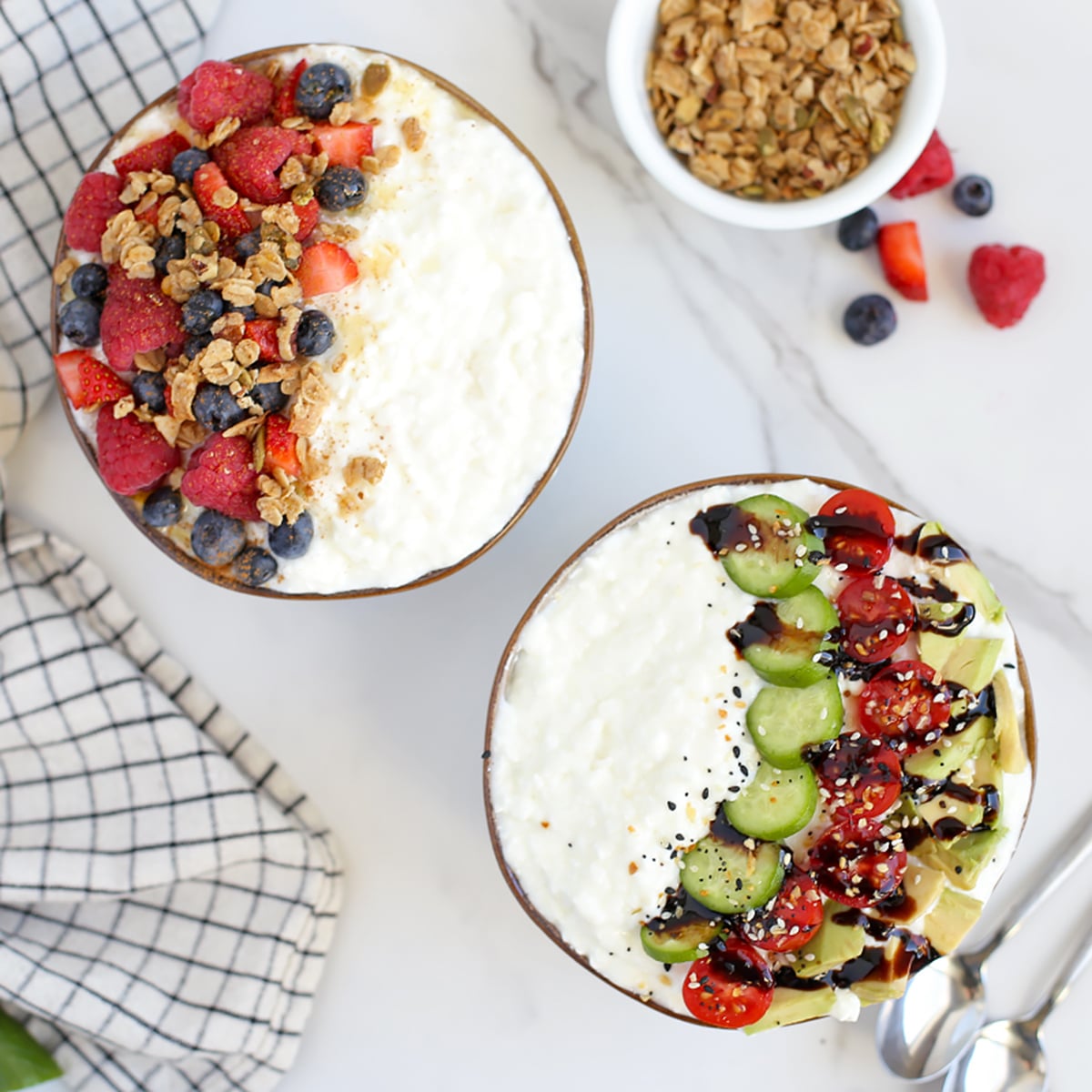
Cottage cheese offers an exceptionally high protein yield—approximately 17 grams per serving—with minimal preparation. Its mild flavor profile allows for endless customization. Sweet variations feature toppings of fresh berries, granola, a drizzle of honey, and cinnamon, supplying a balance of carbohydrates and protein. Conversely, savory adaptations incorporate diced tomatoes, cucumbers, avocado, and a touch of balsamic glaze, catering to varied taste preferences without requiring cooking.
3. Kid-Friendly Blueberry Protein Popsicles
Particularly popular during warmer competitive seasons, these frozen treats combine Greek yogurt, blueberries, milk, and natural sweeteners. They offer a dual benefit: the cooling sensation helps lower core body temperature post-game, while the ingredients deliver a sustained release of protein and carbohydrates.
4. Peanut Butter Fudge Protein Energy Balls
Crafted from whole-food components such as peanut butter, rolled oats, dates, cocoa powder, and sunflower seeds, these portable bites yield roughly 8 grams of plant-based protein per two-piece serving. Their compact size makes them ideal for consumption during brief transitions between the classroom and the sports facility. For environments with strict allergen protocols, appropriate seed butters can easily substitute for peanut butter.
5. Easy High-Protein Edamame
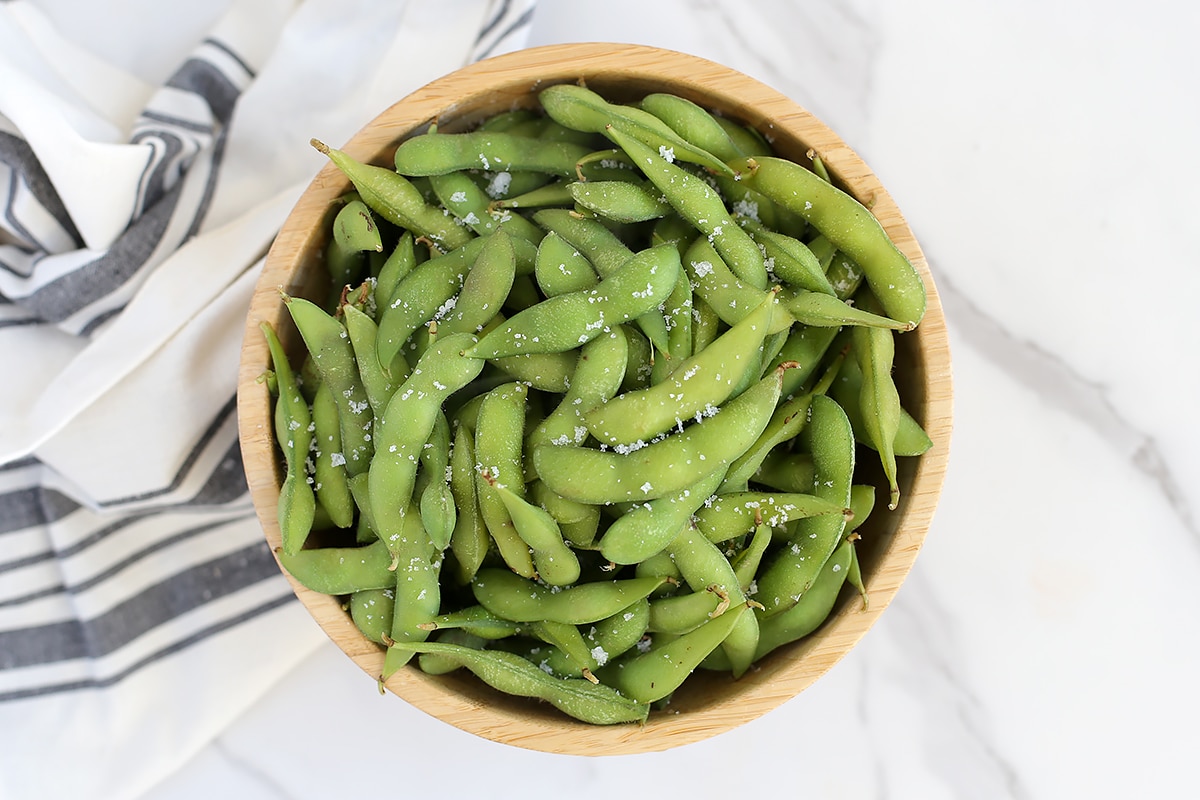
As a minimalist option requiring almost no culinary skill, steamed and lightly salted edamame provides substantial plant-based protein and dietary fiber. Served either warm or chilled, it functions as an excellent finger food that can be paired with whole-grain crackers or fresh fruit to balance the macronutrient profile.
6. Homemade Chocolate RX-Style Bars
Designed to mimic commercial protein bars favored by older teens and adolescents, homemade versions utilize almonds, cashews, dates, cocoa powder, and egg-white powder. Each bar yields approximately 10 grams of protein, offering a chewy, portable snack that withstands being stored in a backpack or sports duffel throughout long tournament days.
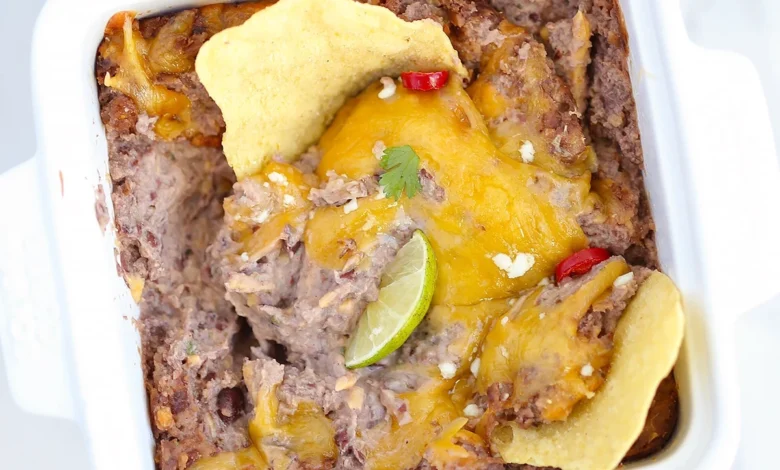
7. High-Protein Black Bean Dip
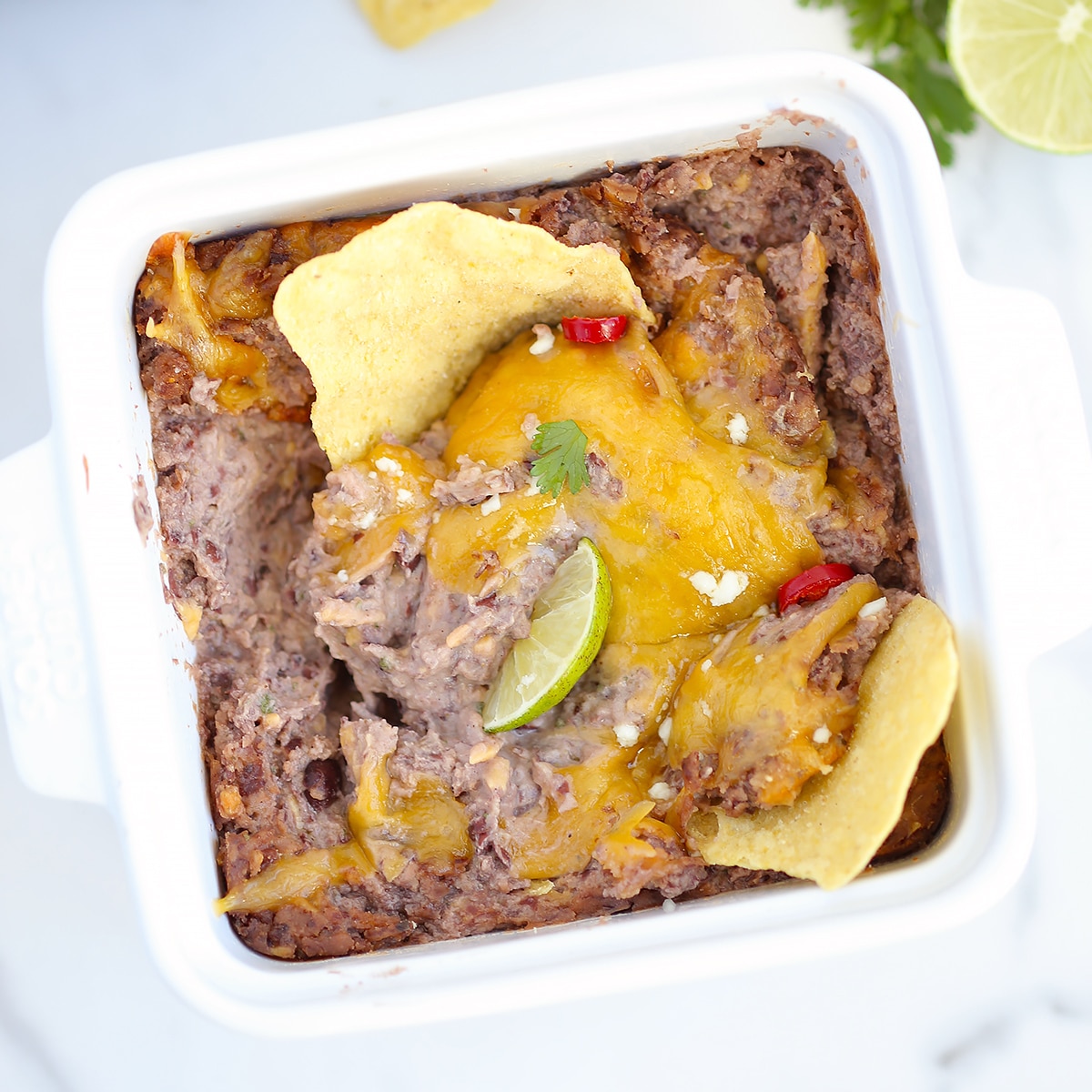
Legumes are frequently overlooked in youth nutrition, yet this dip combines black beans with Greek yogurt, mild cheddar cheese, and lime juice to deliver roughly 14 grams of protein per serving. Paired with whole-grain tortilla chips, bell pepper strips, or carrot sticks, it provides a comprehensive mix of protein, complex carbohydrates, and essential micronutrients.

8. Kid-Friendly Protein Waffles
Transforming a traditional breakfast item into a portable sports snack involves incorporating Greek yogurt, milk, and whole eggs directly into whole-wheat waffle batter, resulting in roughly 15 grams of protein per waffle. Batches can be frozen and reheated in a toaster, then topped with sliced bananas, berries, or nut butter for an effective pre-game energy source.
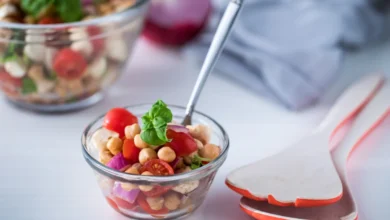
9. Crunchy Roasted Chickpeas
Offering a savory alternative to traditional potato chips, roasted chickpeas are seasoned with options ranging from cinnamon sugar to barbecue. A standard serving yields about 9 grams of protein alongside high levels of dietary fiber, making them exceptionally stable for travel and outdoor sports events.
10. Healthy Yogurt Fruit Dip
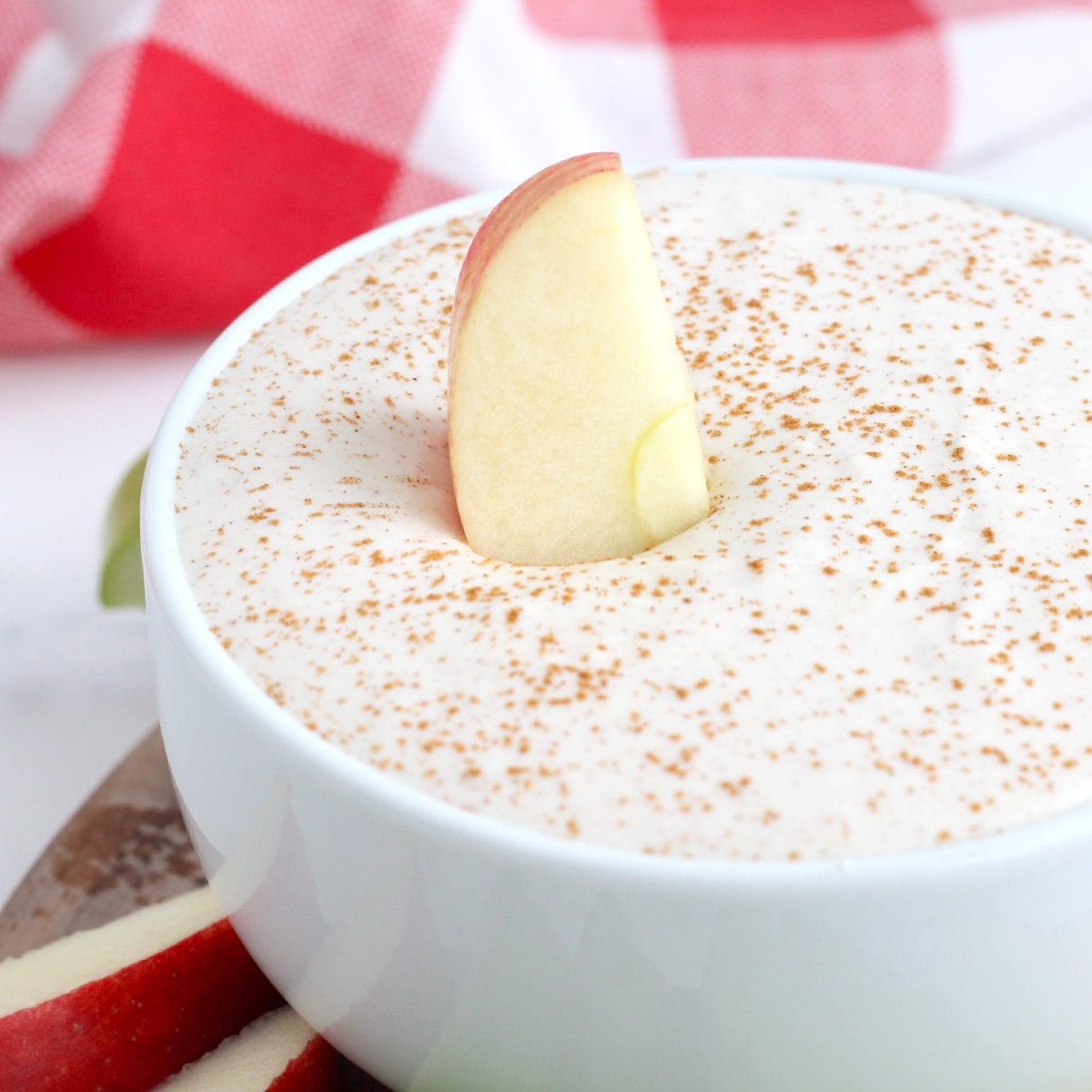
By combining Greek yogurt with maple syrup, vanilla, and cinnamon, parents can create an engaging dip for seasonal fruits like apples, strawberries, and melon. This pairing bridges the gap between hydration, carbohydrate replenishment, and protein intake, appealing particularly to children who lack an immediate post-exercise appetite.
11. Crunchy Roasted Peas
Prepared by tossing frozen green peas with olive oil and garlic salt before roasting, this snack yields approximately 5 grams of plant-based protein per serving. Its low cost and high portability make it a viable alternative to processed snack foods.
12. Greek Yogurt Dip with Veggies
Utilizing Greek yogurt as a base flavored with onion, dill, and garlic, this savory dip is paired with sliced bell peppers to deliver roughly 7 grams of protein. It provides a refreshing, crisp texture that encourages vegetable consumption among younger demographics.
13. Kids-Can-Make-Em Energy Bites
Encouraging children to participate in food preparation fosters healthier long-term dietary habits. These no-bake bites blend oats, peanut butter, flaxseed, chia seeds, and dark chocolate chips, yielding about 7 grams of protein per serving and offering significant tactile engagement during assembly.
14. Chia Seed Energy Bites
With a minimal ingredient list centered around oats, peanut butter, honey, and chia seeds, these bites supply slow-release carbohydrates, plant-based proteins, and healthy fats, functioning well as a reliable refrigerator staple for active households.
15. Raspberry Quinoa Smoothie
Incorporating cooked quinoa into a fruit-and-yogurt smoothie elevates the protein content to approximately 22 grams per serving. The combination of quinoa, milk, and Greek yogurt supplies a robust amino acid profile, while raspberries contribute antioxidants and complex carbohydrates, making it an ideal recovery beverage for older teenagers engaged in high-intensity training.
Strategic Timing: Pre- and Post-Activity Protocols
The efficacy of sports nutrition relies heavily on the temporal relationship between food consumption and physical exertion. Nutritional science categorizes these strategies into distinct pre- and post-activity phases.

Prior to competition or practice, the primary objective is top-off energy stores without inducing gastrointestinal discomfort. If a snack is consumed several hours before the event, it should feature a balanced matrix of complex carbohydrates and moderate protein. However, as the start time approaches, portion sizes must decrease, and foods should lean toward easily digestible carbohydrates—such as a piece of fruit or a small homemade energy bite—allowing for rapid gastric emptying.
Conversely, the post-activity phase centers on the concept of physiological recovery. Immediately following intense exercise, glycogen depletion and muscle fiber micro-trauma require prompt intervention. Consuming a combination of carbohydrates and proteins within the immediate post-game window helps restore energy reserves and provides the necessary building blocks for muscle tissue synthesis. Hydration must run parallel to these nutritional steps, with water serving as the baseline fluid choice across all athletic environments.
The Role of Whole Foods Versus Supplements
A recurring debate among parents of young competitors involves the potential utility of protein powders and commercial supplements. Pediatric sports dietitians generally advise against the routine use of supplemental powders for children and adolescents. The vast majority of growing athletes can easily attain their required daily protein intake through whole-food sources, including dairy, poultry, fish, eggs, legumes, and nuts.
Whole foods offer a complex matrix of vitamins, minerals, and phytonutrients that isolated protein powders cannot replicate. Furthermore, the supplement industry lacks rigorous pre-market regulatory oversight, raising concerns regarding potential contamination or undeclared substances. Families contemplating specialized supplementation for a young athlete are strongly encouraged to consult a pediatrician or a registered sports dietitian to evaluate individual nutritional needs rather than relying on generalized marketing claims.
Broader Implications for Youth Athletic Development
The implementation of sound nutritional practices during formative years extends far beyond immediate athletic performance. Establishing a balanced relationship with whole foods lays the groundwork for lifelong health habits, reducing the risk of chronic metabolic conditions later in life. By moving away from highly processed convenience items and embracing accessible, nutrient-dense home preparations, families can effectively support the physical demands of youth sports while fostering sustainable wellness practices. Ultimately, fueling strong, active children requires neither exorbitant financial investment nor overly complex culinary techniques—merely a commitment to thoughtful planning and wholesome ingredients.