The Rise of Whole-Food Baking: A Nutritional Analysis of the Flourless Pumpkin-Based Chocolate Cake

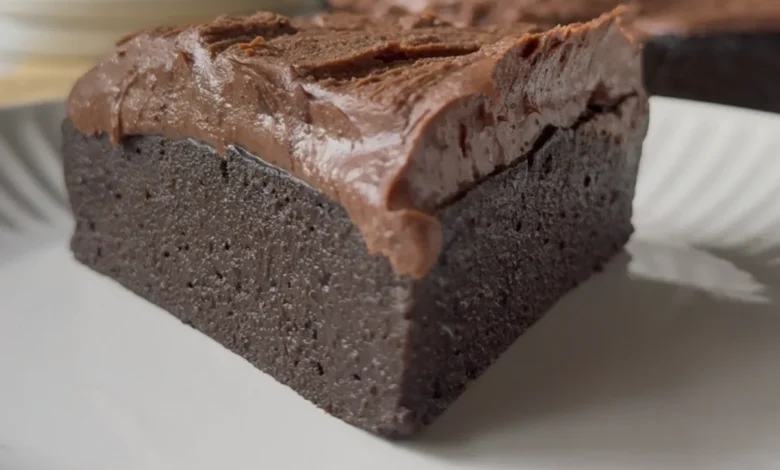
The culinary landscape is currently witnessing a significant shift toward the integration of whole-food ingredients in traditional pastry arts, a trend exemplified by the emergence of the flourless, refined-sugar-free chocolate cake. This specific recipe, which utilizes pumpkin purée as a foundational structural agent in place of processed flour and oils, represents a broader movement in food science that seeks to maintain the organoleptic qualities of dessert—texture, mouthfeel, and flavor profile—while significantly altering the nutritional composition of the final product.
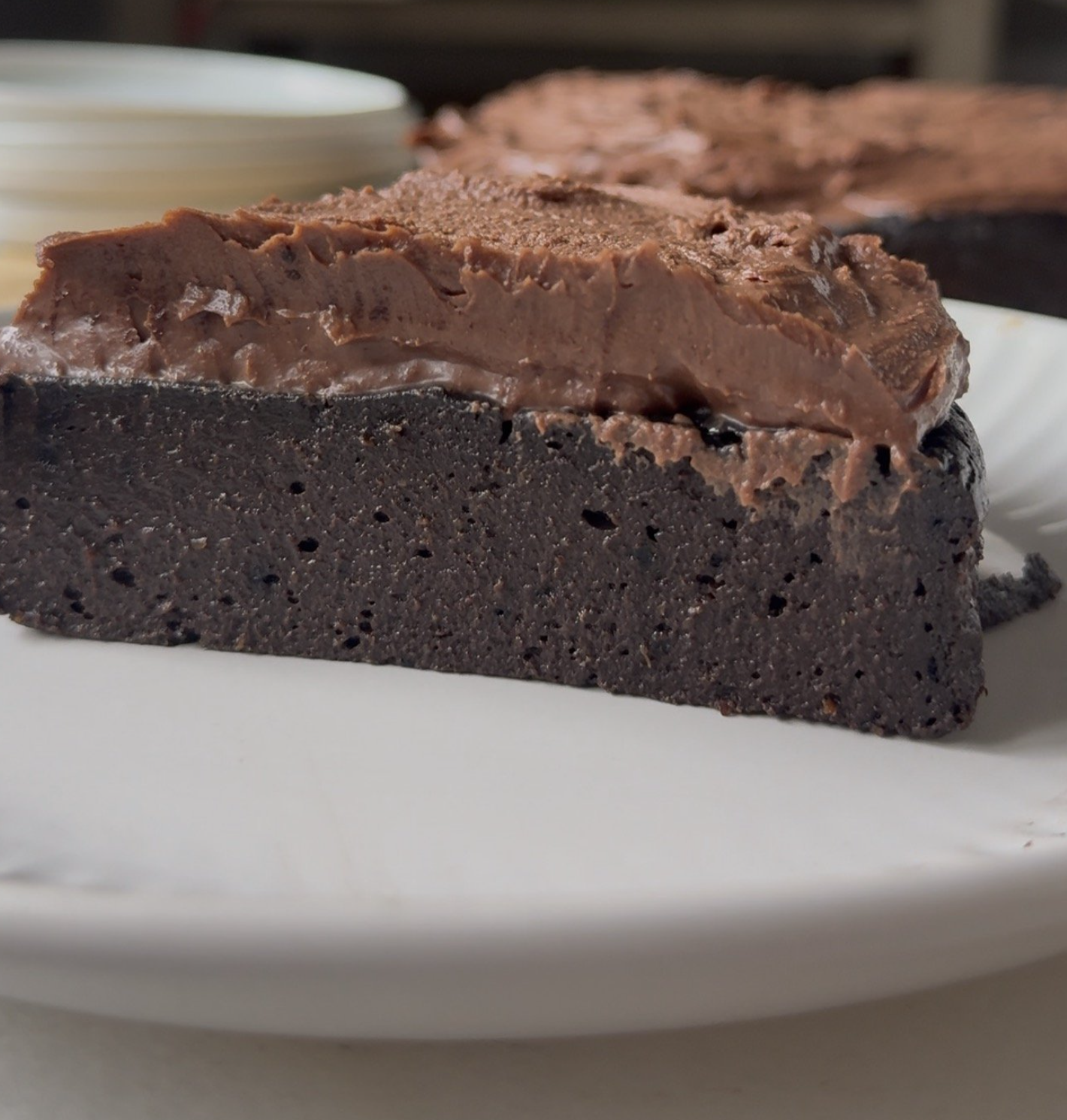
By removing refined starches and lipids, the recipe relies on the fibrous, water-binding properties of cucurbita—the botanical genus for pumpkin—to mimic the structure typically provided by gluten proteins. This development is not merely a niche dietary preference but a reflection of growing consumer demand for nutrient-dense alternatives in the $500 billion global bakery market, where health-conscious demographics are increasingly scrutinized for their sugar and processed carbohydrate intake.
Structural Chemistry and Culinary Innovation
The core innovation in this preparation lies in the substitution of traditional wheat-based flour with pumpkin purée. In conventional baking, flour serves as the primary structural matrix, with gluten proteins forming a network that traps gas bubbles to provide volume. In this flourless iteration, the role of structural support is transferred to the coagulation of egg proteins, bolstered by the high fiber content of the pumpkin.
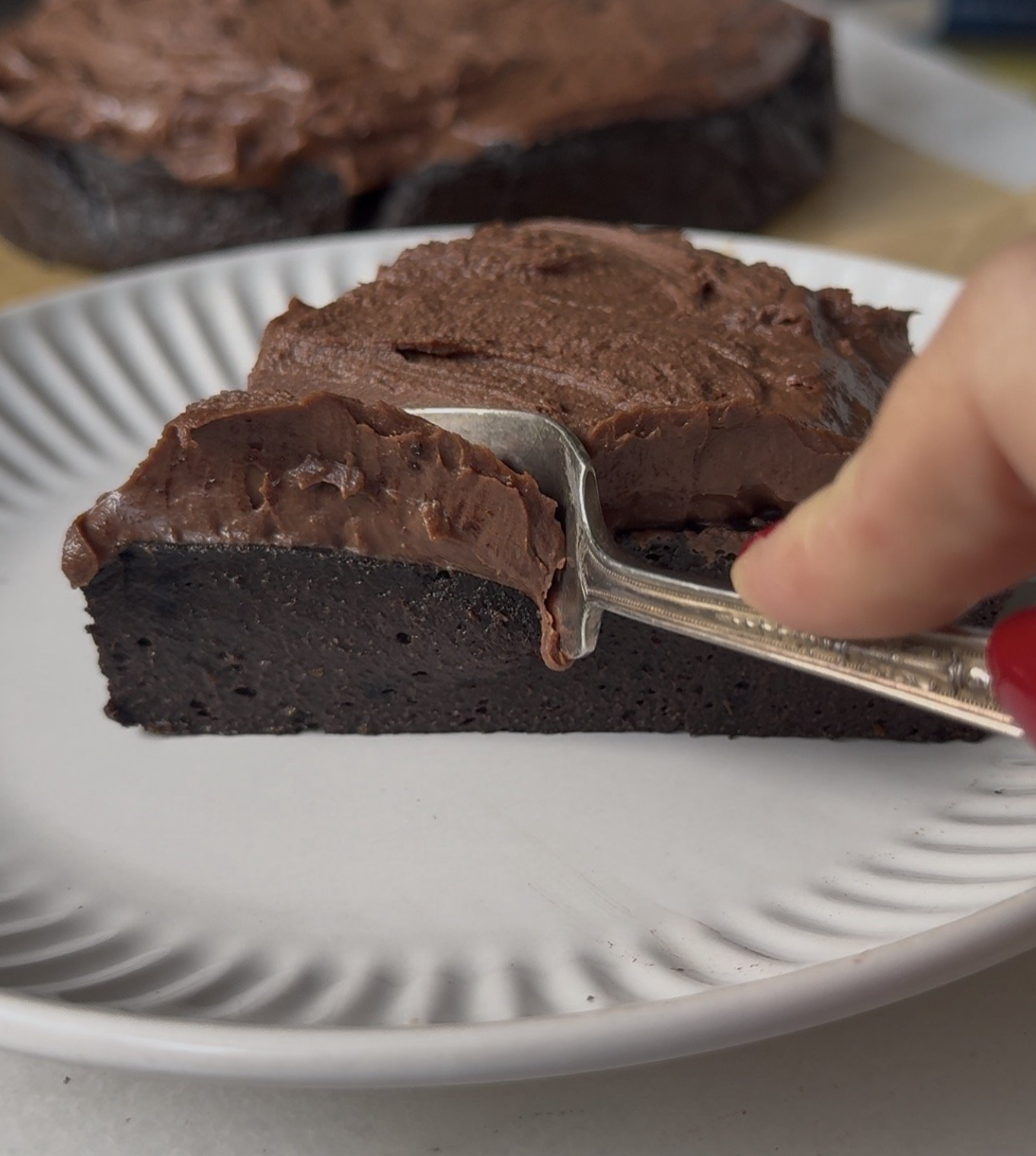
The chemistry of this process requires precision. Because pumpkin lacks the starch-based binding of wheat, the inclusion of four whole eggs plus an additional yolk is critical. The lipids and proteins in the egg yolk provide a necessary emulsification, creating a stable, brownie-like texture that resists collapsing upon cooling. Culinary experts note that the high moisture content of the pumpkin requires a long, controlled cooling period. During this time, the proteins in the egg and the pectin fibers in the pumpkin undergo a cold-setting process, which is vital for achieving a stable, sliceable consistency. Failure to allow for a four-hour cooling window—ideally in a refrigerated environment—often results in an unstable, overly soft structure that fails to meet the expectations of traditional cake, underscoring the delicate balance of this flourless chemistry.
Nutritional Profile and Dietary Implications
A comparative analysis between this formulation and a standard devil’s food cake highlights stark differences in macronutrient distribution. A typical slice of traditional chocolate cake, often heavily dependent on refined white flour, butter, and processed granulated sugar, provides a high glycemic load. Conversely, the pumpkin-based variant utilizes pure maple syrup or honey as a sweetener. While these are still sugars, they contain trace amounts of minerals and antioxidants absent in bleached white sugar, and the total caloric density is often mediated by the high volume of fiber and protein provided by the pumpkin base.
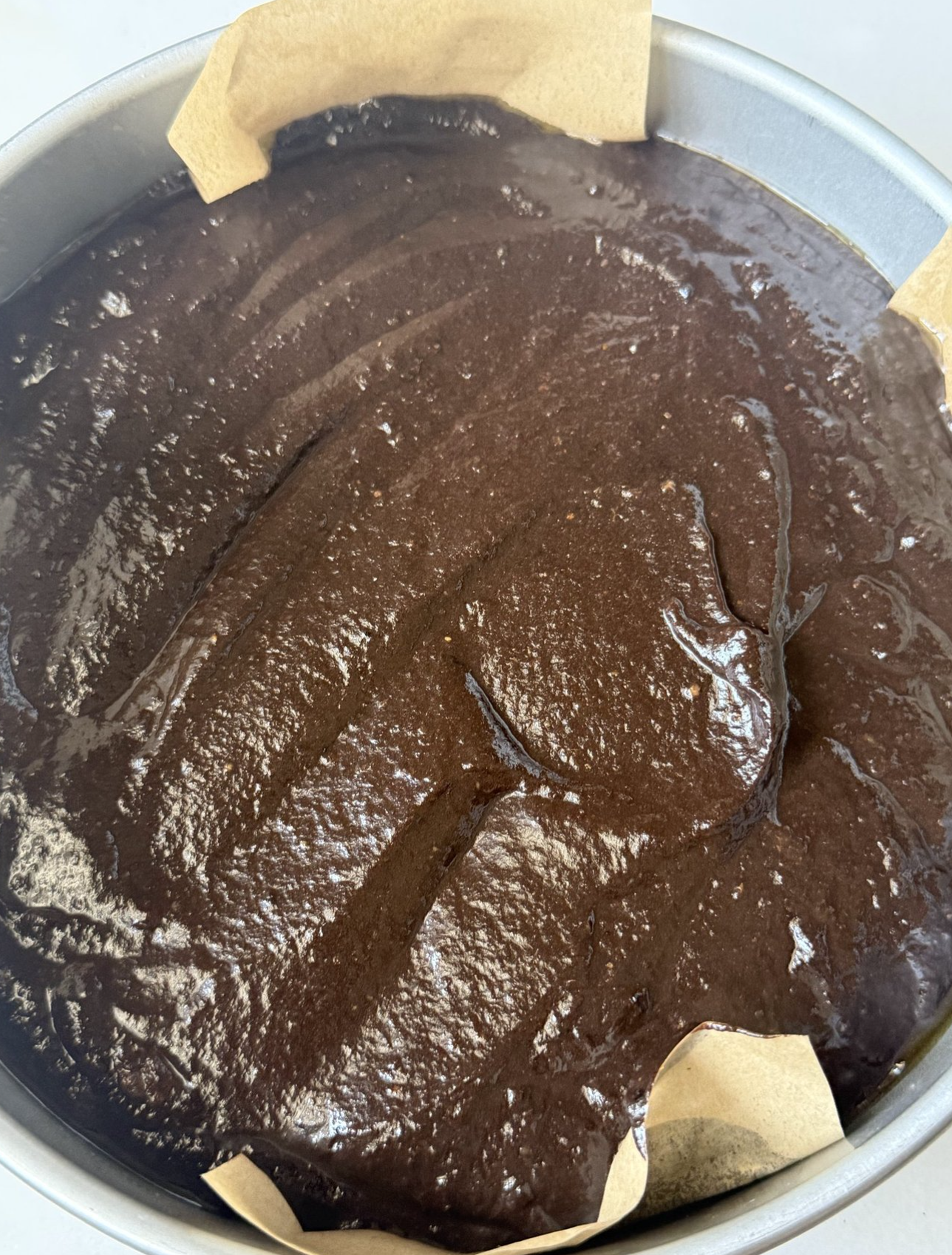
The removal of refined oils—which are typically used to prevent the crystallization of sugar and to provide a moist crumb—is offset by the natural moisture inherent in the pumpkin. This reduces the overall caloric density per serving while maintaining a high satiety level. For individuals adhering to gluten-free or grain-free diets, this recipe bypasses the need for complex, highly processed gluten-free flour blends, which are often composed of starches like tapioca or potato flour that have little nutritional value. By using a single, whole-food vegetable, the recipe adheres to the principles of "clean labeling," a major growth driver in the health-food industry.
The Role of Dark Cocoa in Sensory Perception
A critical component of this recipe’s success is the use of high-quality dark cocoa powder. The intense, bitter notes of cocoa, particularly those found in Dutch-process varieties, serve a dual purpose. First, they provide the characteristic deep flavor profile associated with chocolate; second, they effectively mask the organoleptic profile of the pumpkin.
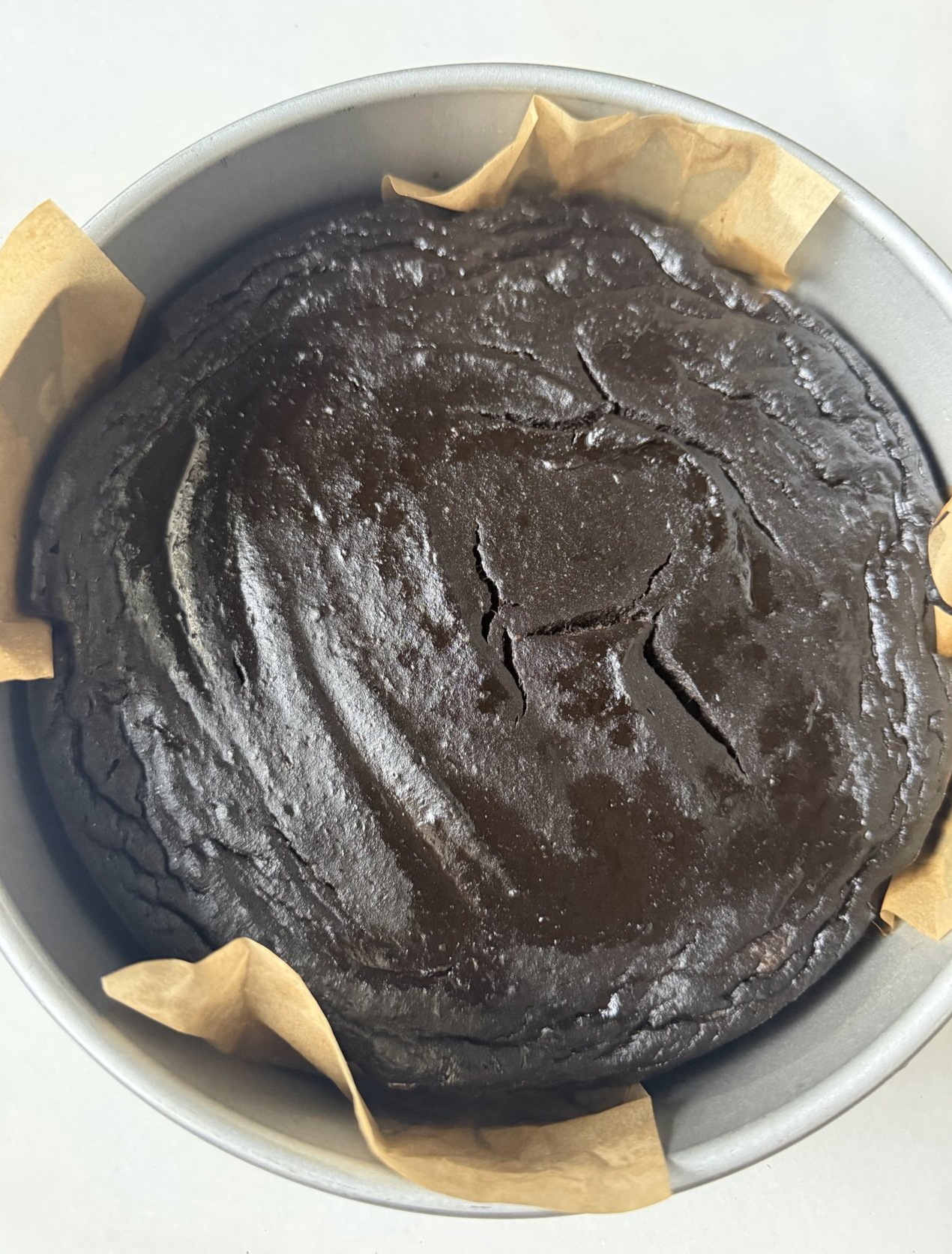
Data from sensory science indicates that the bitterness of dark cocoa creates a contrast with the sweetness of maple syrup, which consumers perceive as more "sophisticated" than the one-dimensional sweetness of standard milk chocolate or sugar-laden cakes. Because the flavor profile of the cocoa is so potent, the pumpkin serves as a neutral substrate. In testing environments, blinded participants often fail to identify the base ingredient, attributing the dense, fudgy texture to the high fat and protein content typical of a flourless chocolate torte.
Industry Trends and Consumer Adoption
The adoption of such recipes by home cooks is a microcosm of the "100 Days of Real Food" movement, which advocates for the elimination of processed ingredients in favor of whole, recognizable food sources. Market analysts observe that the DIY (do-it-yourself) baking sector has seen a 15% increase in searches for "healthy alternative" baking over the last three years. This growth is attributed to heightened public awareness regarding the correlation between refined sugar consumption and metabolic health issues such as insulin resistance and type 2 diabetes.
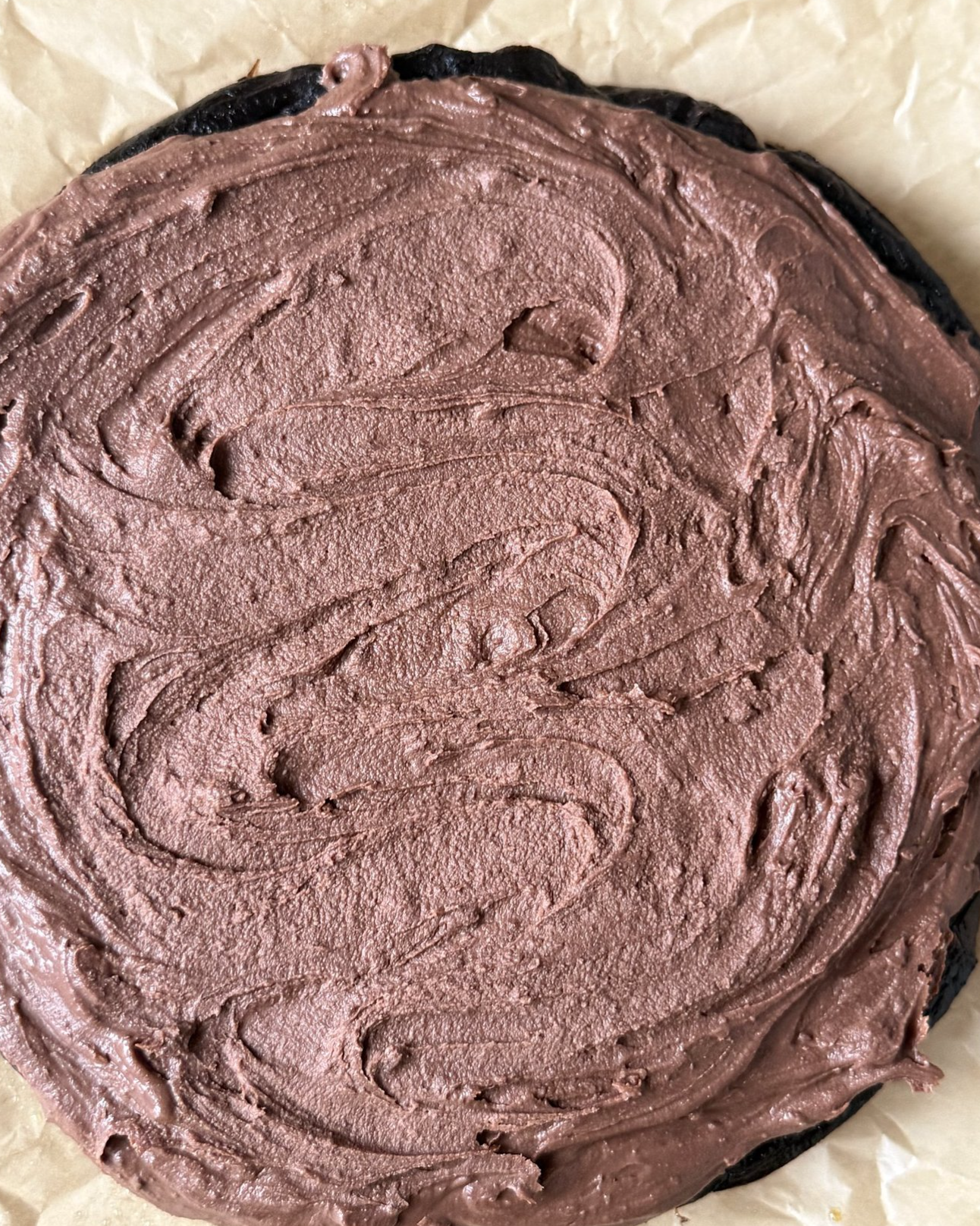
From a food industry perspective, this shift is being monitored closely. Major retailers are increasingly stocking shelf-stable, high-quality canned pumpkin and organic dark cocoa, recognizing that the home-baking demographic is no longer satisfied with standard mixes. The rise of the "one-bowl" baking method—a key feature of this recipe—also addresses the modern consumer’s desire for convenience. By reducing the number of utensils and complex steps, the recipe lowers the barrier to entry for novice bakers who might otherwise be intimidated by the technical requirements of "healthy" baking.
Technical Challenges and Best Practices
Despite the health benefits, the transition from traditional to flourless baking is not without technical hurdles. The most frequently reported issue in such recipes is the moisture content of the pumpkin purée. Brands vary significantly in their water-to-fiber ratio. A professional analysis suggests that producers who use a lower-moisture, more concentrated pumpkin purée—such as those often found in specialized markets—yield a superior product.
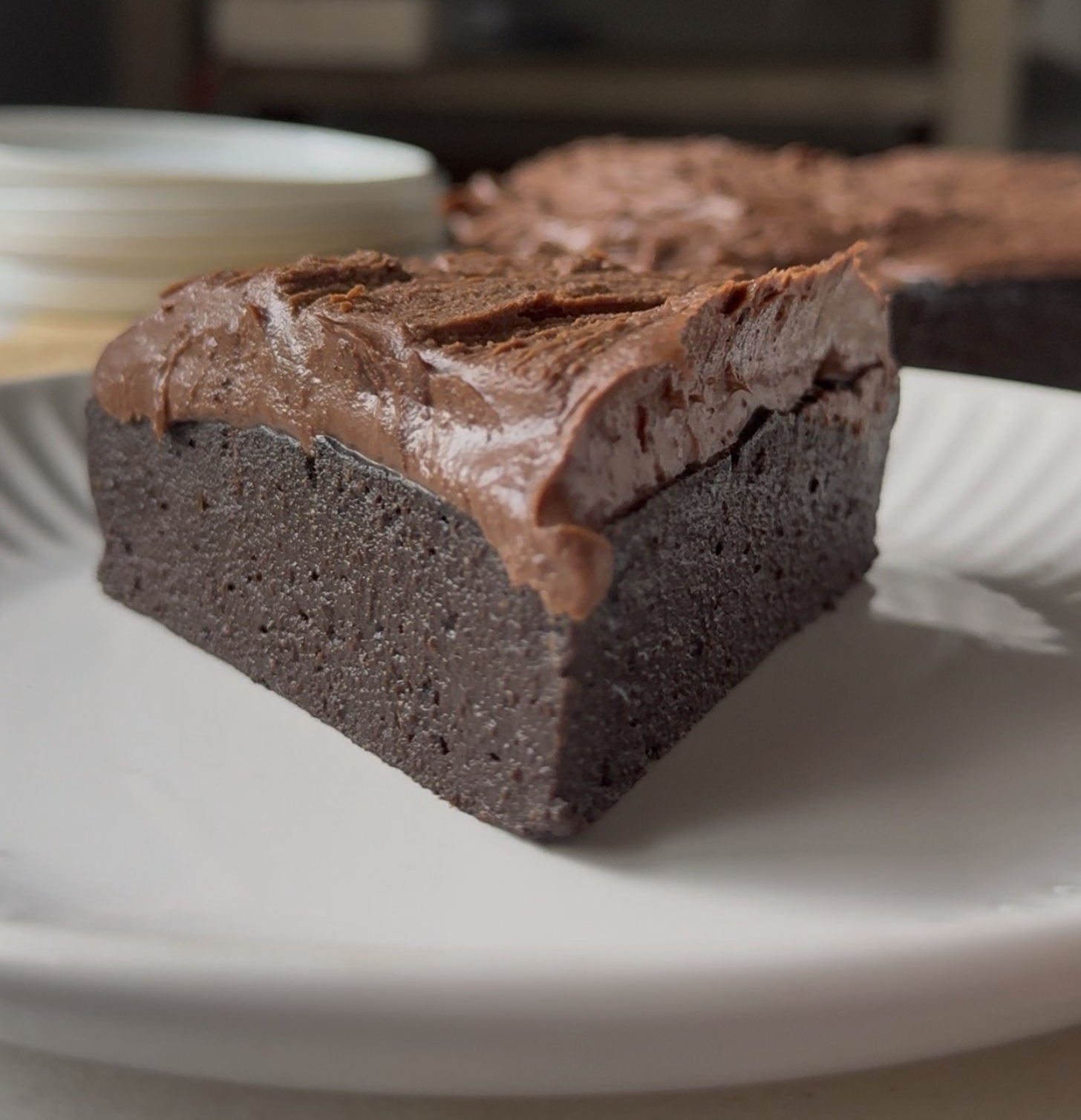
When a home baker uses a high-moisture variety, the cake may fail to set properly, leading to a "pudding-like" center. The recommendation to blot excess moisture with a paper towel is a practical, evidence-based intervention that addresses this variability. Furthermore, the use of a springform pan is not merely a stylistic choice; it is a structural necessity. Because the cake lacks the tensile strength provided by a gluten network, attempting to remove it from a standard, inverted pan would result in structural failure. The springform design allows for the lateral release of the cake, preserving its integrity.
Broader Economic and Public Health Impact
The broader implications of this culinary shift point toward a more informed public. As more households experiment with substituting traditional processed ingredients for whole-food alternatives, the collective demand for high-quality produce and ethically sourced cocoa increases. This has a secondary effect on agricultural supply chains, encouraging the cultivation of varied squash varieties and supporting fair-trade cocoa initiatives.
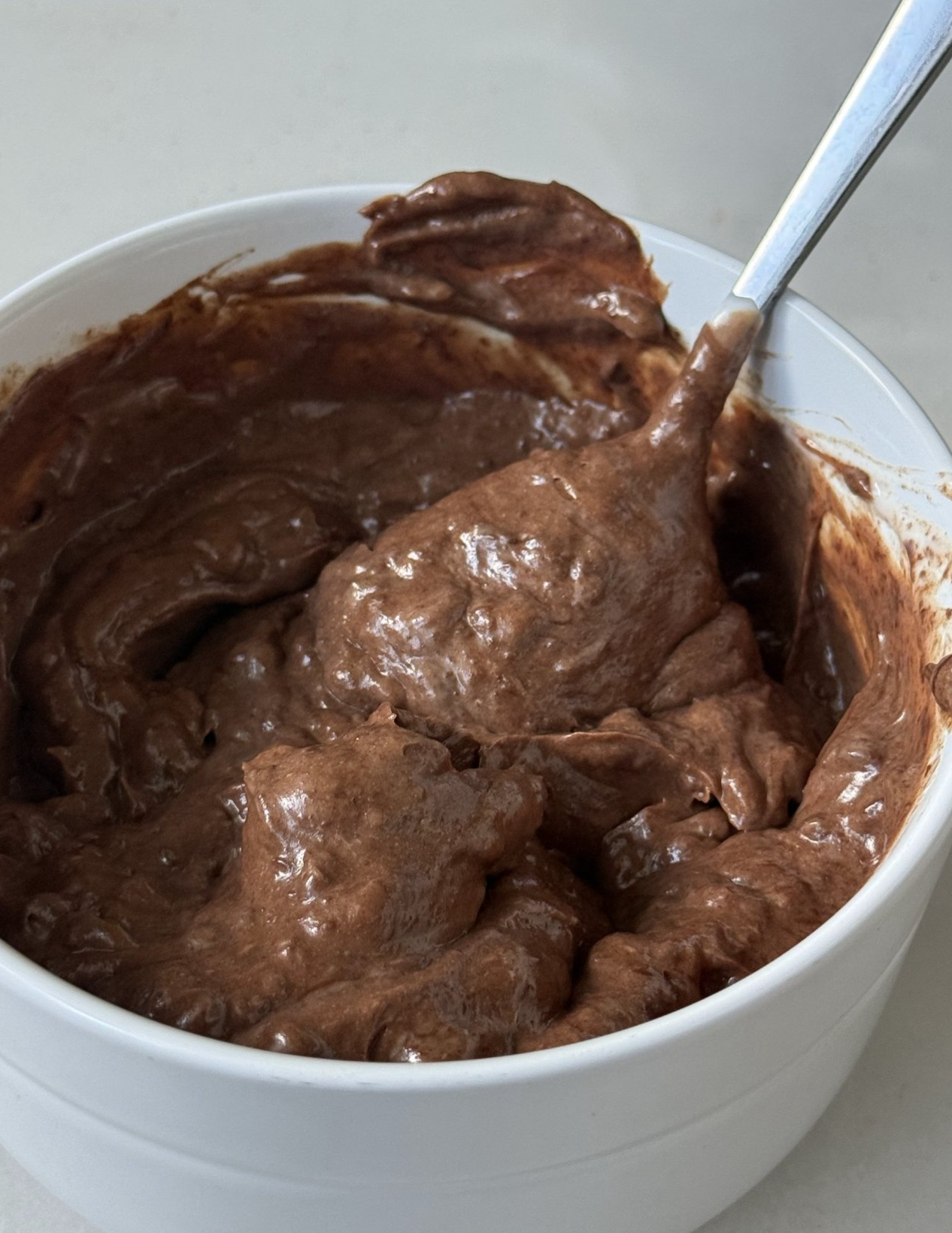
From a public health standpoint, while the consumption of cake remains a discretionary indulgence, the shift toward nutrient-dense versions represents a positive, albeit incremental, step. By replacing the empty calories of refined wheat and sugar with the fiber-rich, nutrient-dense base of pumpkin, consumers are able to enjoy traditional celebratory foods without the associated metabolic strain of refined carbohydrates.
Conclusion
The evolution of the flourless, pumpkin-based chocolate cake illustrates the intersection of traditional culinary techniques and modern nutritional science. By leveraging the natural structural properties of eggs and pumpkin fiber, and the flavor profile of dark cocoa, bakers are successfully creating indulgent desserts that align with contemporary health goals. As the trend toward whole-food eating continues to mature, it is likely that such recipes will move from the fringes of the health-food community into the mainstream, changing the way the average consumer perceives the role of vegetables in dessert preparation. This shift serves as a reminder that with the right application of food science, it is possible to achieve both sensory satisfaction and nutritional efficiency in a single, well-executed dish.