The Ultimate Family-Friendly Chicken and Cashew Curry: A One-Pan Weeknight Solution for Modern Households

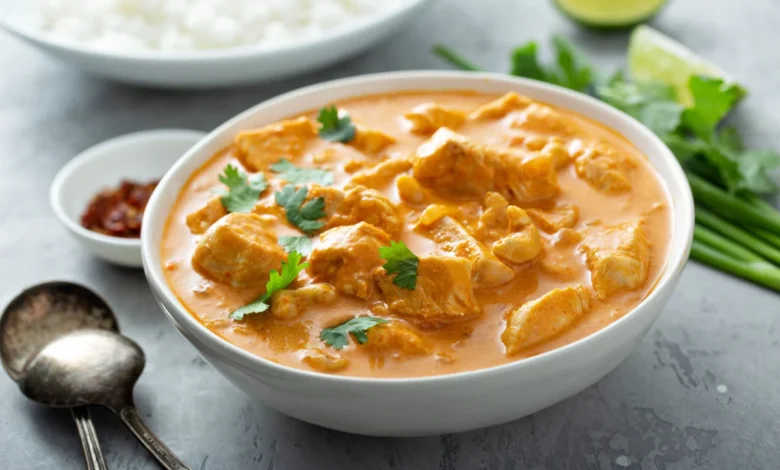
Modern family dynamics demand culinary solutions that balance nutritional value, preparation efficiency, and universal appeal across various age groups. In response to the growing demand for accessible yet elevated weeknight dining options, culinary professionals have increasingly turned to fusion-style dishes that bridge the gap between traditional spice profiles and palate-friendly textures. The Chicken and Cashew Curry has emerged as a premier example of this culinary evolution, offering a harmonious blend of tender poultry, protein-dense legumes or nuts, and a rich, coconut-based emulsion designed to satisfy both adult epicurean expectations and children’s preference for mild, comforting flavors.
Background and Culinary Context
The proliferation of curry-based dishes in Western households represents a broader shift toward globally inspired home cooking over the past two decades. While traditional Indian, Thai, and Southeast Asian curries often rely on complex spice matrices and high levels of capsaicin, contemporary adaptation strategies have focused on demystifying these preparations. The integration of ingredients such as full-fat coconut milk, mild curry powders, and textural elements like cashews allows home cooks to introduce complex flavor profiles without alienating younger palates.
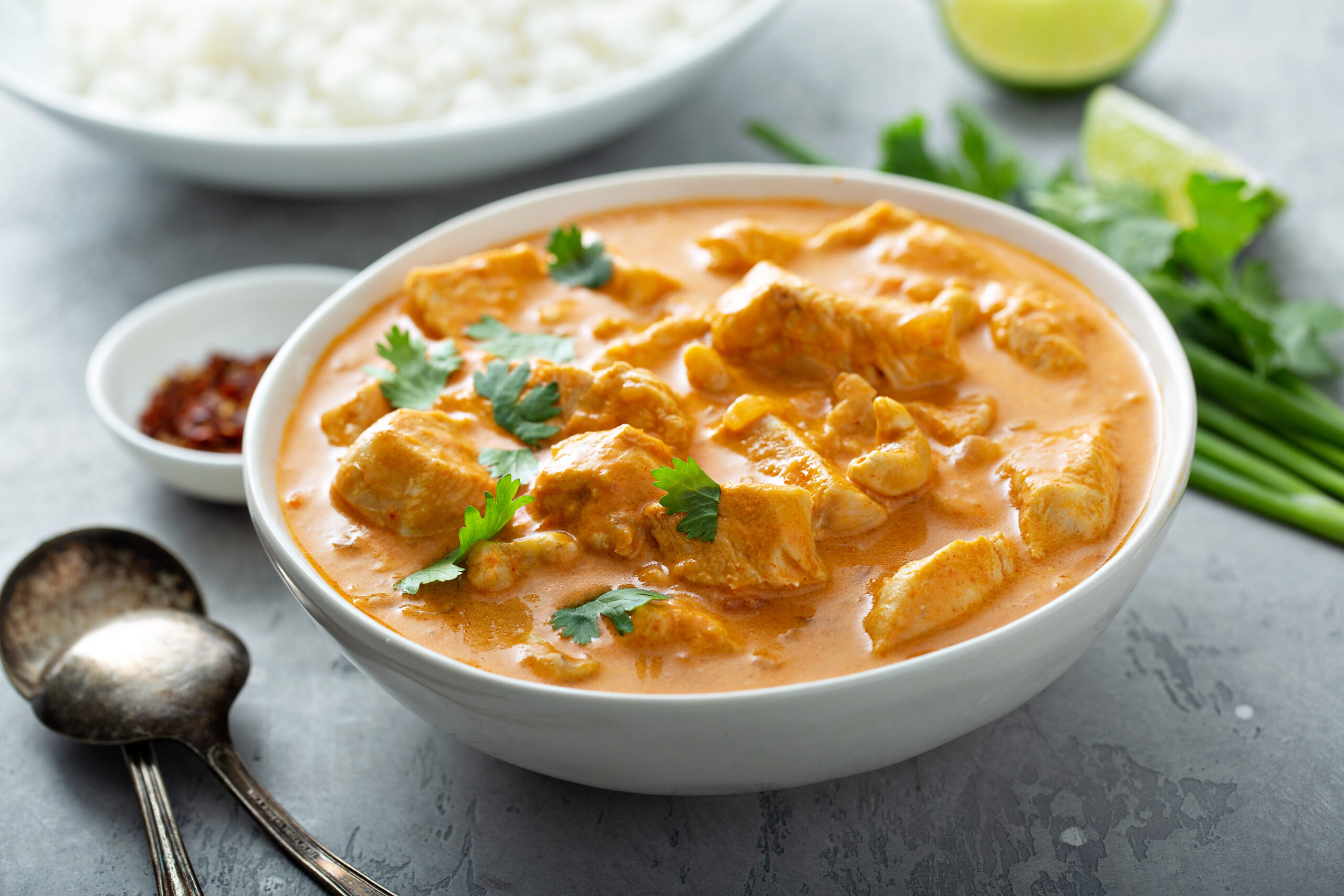
Nutritional anthropologists and culinary educators note that introducing diverse spice profiles at an early age can significantly broaden a child’s long-term palate. However, the barrier to entry has historically been the perceived complexity and intense heat associated with authentic preparations. The modern iteration of the Chicken and Cashew Curry addresses this challenge by utilizing a streamlined, one-pan methodology that prioritizes accessible pantry staples while retaining the aromatic depth characteristic of traditional curries.
Chronology and Preparation Methodology
Achieving the optimal balance of texture and flavor in a one-pan curry requires a disciplined sequence of culinary steps. Culinary experts recommend a structured timeline to ensure that proteins remain succulent, spices reach their maximum aromatic potential, and supplemental vegetables retain their structural integrity.
The preparation process typically begins with a 15-minute mise en place, involving the uniform dicing of poultry and the gathering of aromatics. The cooking phase, spanning approximately 25 minutes, commences with the foundational step of blooming the spices. By briefly toasting curry powder, cumin, and turmeric in a heated pan prior to the introduction of liquids, home cooks activate fat-soluble flavor compounds, imparting a deeper, more robust baseline to the dish.
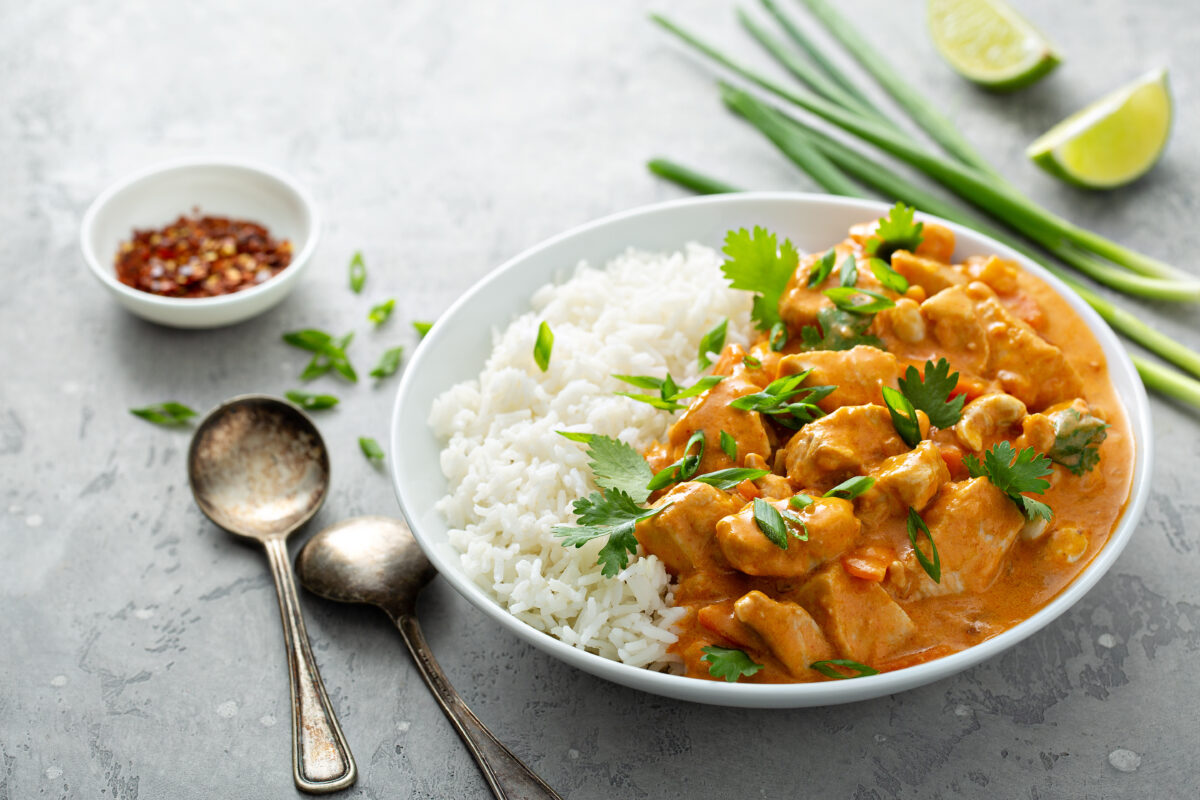
Following the spice-blooming phase, bite-sized chicken pieces are introduced, seared until lightly browned, and promptly removed from the vessel. This technique prevents over-cooking, ensuring the meat remains tender as it finishes simmering within the sauce later in the process. Aromatics, liquids—primarily full-fat coconut milk and chicken broth—and customized vegetable additions are then incorporated and simmered. The chicken is reintroduced toward the end of the cooking cycle, followed by the strategic addition of fresh lime juice for acidity and cashews to preserve their distinct crunch.
Supporting Data and Nutritional Implications
From a nutritional standpoint, the Chicken and Cashew Curry offers a balanced macronutrient profile suitable for growing children and active adults. Poultry serves as a primary source of lean, high-biological-value protein, while cashews contribute significant amounts of monounsaturated fats, magnesium, and plant-based protein.
Dietary analyses indicate that incorporating full-fat coconut milk, rather than watered-down alternatives, provides essential medium-chain triglycerides (MCTs) while enhancing satiety, which helps regulate post-meal energy levels. Furthermore, the inherent flexibility of the recipe allows for the seamless integration of micronutrient-dense produce, including spinach, broccoli, cauliflower, and sweet potatoes. Public health initiatives addressing childhood nutrition frequently advocate for such adaptable recipes, noting that stealth-health vegetable integration within familiar, comforting sauces increases overall vegetable consumption among school-aged children.
Adaptability and Dietary Customization
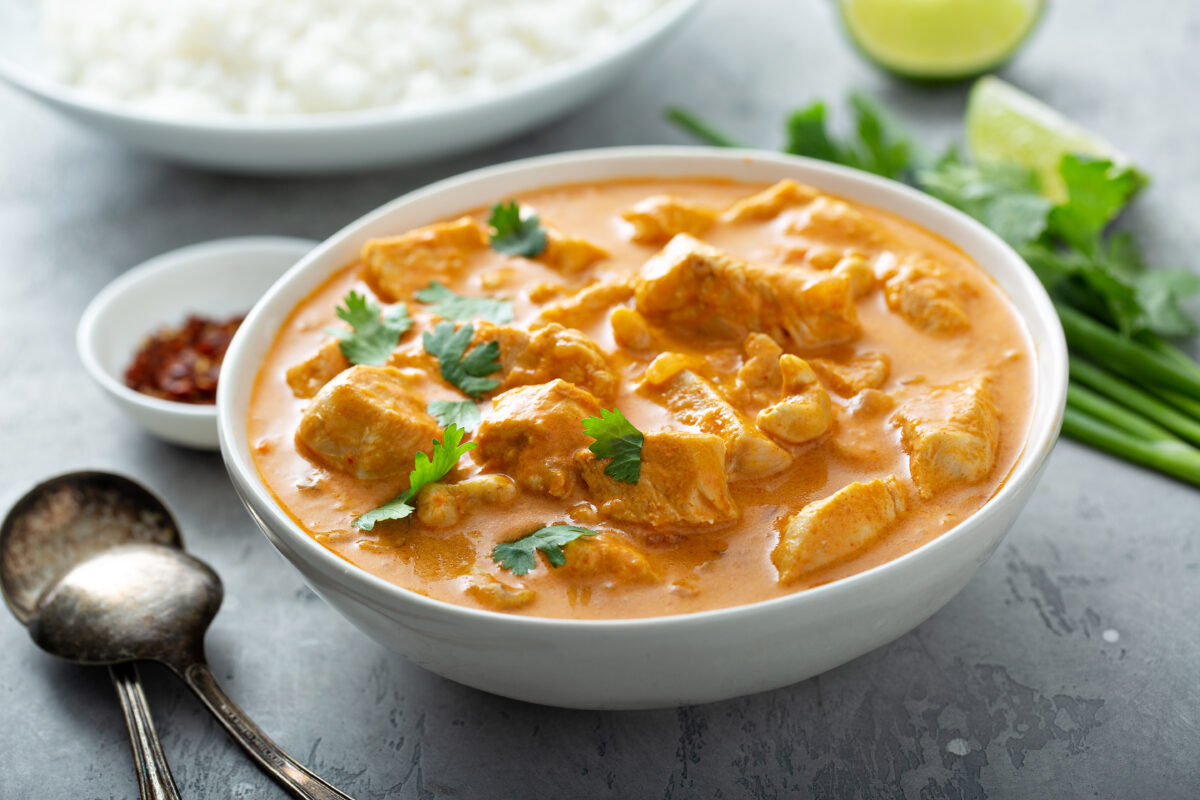
The modern consumer market demands high versatility from standard recipes, driven by dietary restrictions, lifestyle choices, and shifting seasonal availability. The Chicken and Cashew Curry framework accommodates a wide array of substitutions without compromising the structural integrity of the dish.
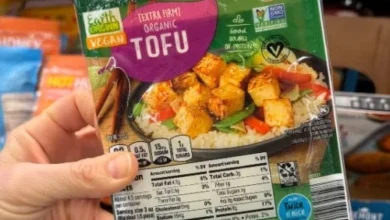
For households managing dairy-free or gluten-free diets, the base recipe requires virtually no modification, as coconut milk and standard spices are inherently free of common allergens. Plant-based variations substituting chicken with chickpeas or firm tofu maintain the protein threshold while appealing to vegetarian demographics. Conversely, seafood adaptations utilizing shrimp offer a rapid-cooking alternative for weeknight efficiency.
Storage and Food Safety Protocols
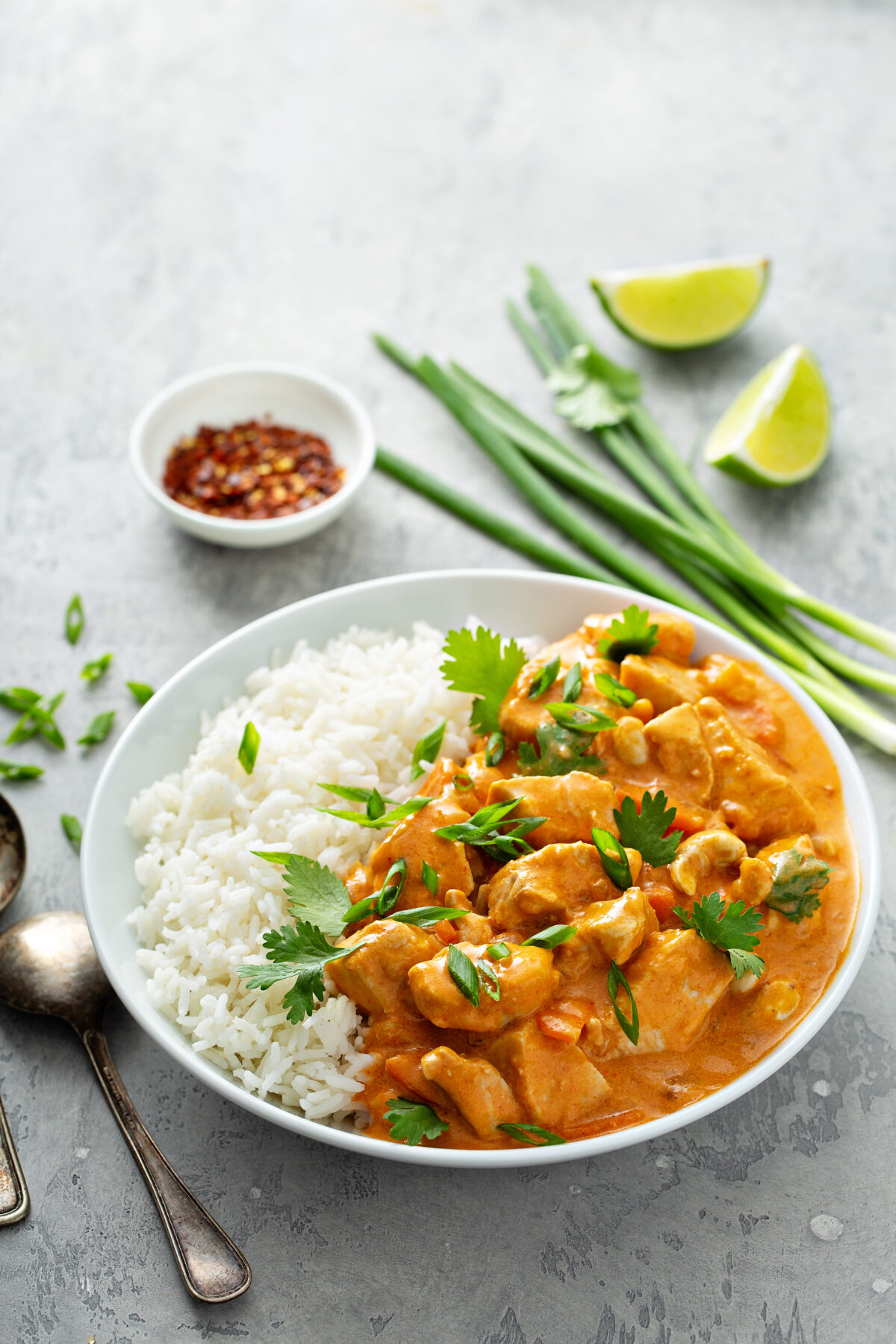
As meal-prepping trends continue to influence domestic food management, the logistical viability of prepared meals has become a primary consideration for consumers. The Chicken and Cashew Curry exhibits superior characteristics for batch cooking, as the complex flavor profiles often intensify after 24 to 48 hours of refrigeration.
Food safety guidelines dictate that cooked poultry dishes must be cooled rapidly and stored in airtight containers at or below 40°F (4°C), where they remain safe for consumption for up to four days. For long-term storage, the curry can be frozen for up to three months, provided that crunchy elements such as cashews are added post-thaw to maintain optimal mouthfeel. Culinary technicians advise that when reheating frozen coconut-milk-based sauces, gentle heat applied on a stovetop combined with continuous agitation will successfully re-emulsify any separated fats, restoring the sauce to its original velvety consistency.
Broader Impact on Domestic Cooking Trends
The sustained popularity of simplified, globally inspired dishes reflects a broader cultural shift toward efficient, health-conscious home economics. As consumers navigate increasingly busy schedules, the demand for streamlined recipes that minimize cleanup—such as one-pan skillet meals—continues to rise. By transforming traditional, multi-step culinary traditions into accessible, family-friendly weeknight staples, dishes like the Chicken and Cashew Curry demonstrate how modern kitchens successfully merge global flavors with domestic practicality.