A Registered Dietitian Reveals the Ultimate ALDI Grocery Staples for Fast, Affordable Family Dinners

In an era defined by fluctuating grocery prices and demanding modern work-life schedules, putting a nourishing, home-cooked family dinner on the table each weeknight has become an increasingly complex logistical hurdle for American households. Consumer data indicates that feeding a family of four continues to strain household budgets, prompting a significant shift in shopping behaviors toward discount grocery chains. Among these retailers, ALDI has emerged as a dominant force in the retail grocery sector, renowned for its private-label efficiency and deeply discounted price points.
To navigate these economic pressures without sacrificing nutritional quality, registered dietitians and culinary experts are increasingly turning to strategic pantry and freezer management. Professional insights from nutrition specialists who balance career demands with family life emphasize that executing quick weeknight meals relies less on advanced culinary techniques or extensive preparation time and more on maintaining a disciplined, well-stocked kitchen inventory. By strategically anchoring weekly shopping lists in versatile, high-value staples, consumers can consistently bypass costly restaurant delivery and takeout options in favor of wholesome, economical meals prepared at home.
The Economic Shift Toward Budget-Friendly Retailers
The modern landscape of household food procurement has evolved rapidly over the past decade. Driven by persistent inflation and cumulative increases in the cost of beef, poultry, and fresh produce, consumers have systematically reevaluated their grocery expenditure patterns. Traditional supermarkets, long favored for their sprawling inventory and brand-name variety, have seen market share shift toward limited-assortment grocery chains. ALDI, a German-owned discount supermarket chain operating thousands of stores across the United States, has captured consumer attention by offering a streamlined shopping experience centered on high-quality private-label goods sold at a fraction of traditional retail costs.
Market analysts note that the retailer’s business model—characterized by smaller store footprints, exclusive reliance on store brands, and operational efficiencies such as cart deposits—allows it to pass substantial savings directly to the consumer. For working parents and budget-conscious households, mastering the ALDI inventory has transformed from a frugal hobby into an essential strategy for financial and nutritional stability. Industry studies on consumer spending reveal that households utilizing discount grocers for staple goods reduce their monthly food expenditure significantly while maintaining or even improving the nutritional density of their weekly menus.
Strategic Breakdown of Fresh Proteins
Maintaining a responsive kitchen inventory begins with versatile, cost-effective protein sources that transition seamlessly across multiple recipes. As conventional beef prices experienced steep upward trajectories over recent years, many culinary professionals and home cooks pivoted permanently toward alternative poultry and plant-based proteins.
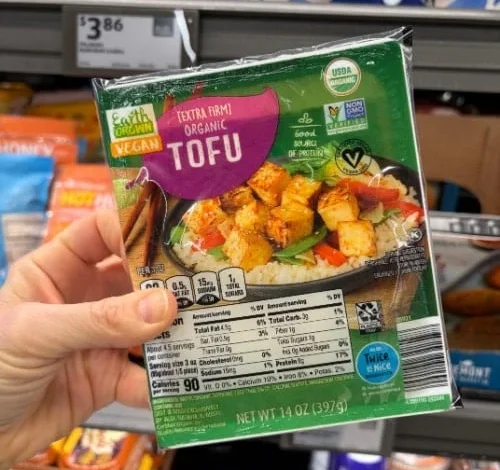
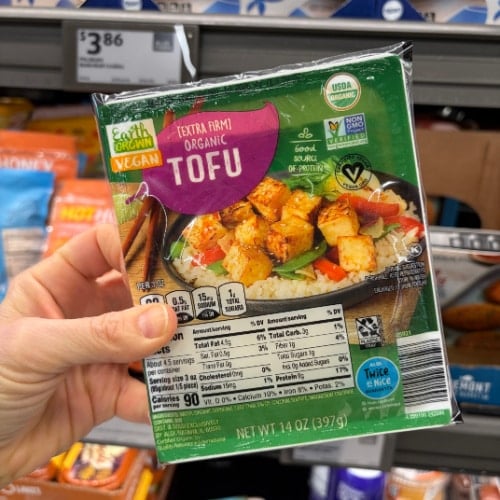
Ground turkey and ground chicken have emerged as prime substitutes for ground beef in classic family favorites such as tacos, casseroles, and homemade spaghetti sauces. At average price points hovering around $4.69 for ground turkey and $3.69 for ground chicken, these lean proteins offer substantial cost savings without compromising the protein density required for growing children. Similarly, plant-based alternatives like extra-firm tofu—available for approximately $1.55—provide an accessible entry point for households looking to incorporate at least one meatless meal into their weekly rotation. The extra-firm variety is consistently recommended by culinary experts for its structural integrity, as it holds its shape during searing, baking, or stir-frying far better than softer silken alternatives.
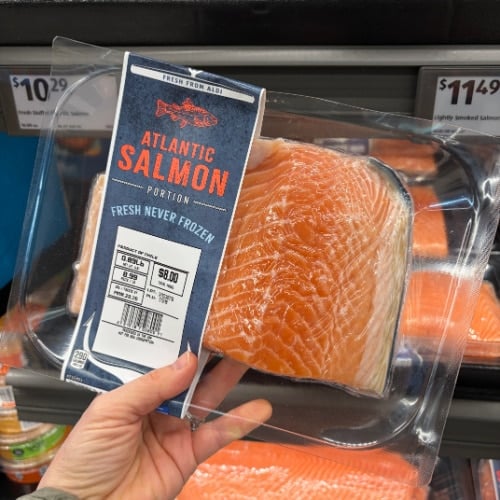
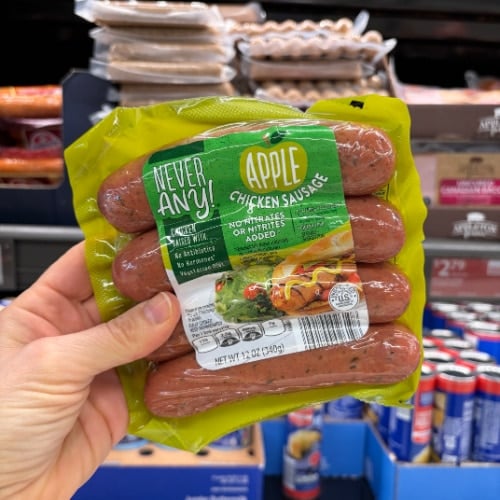
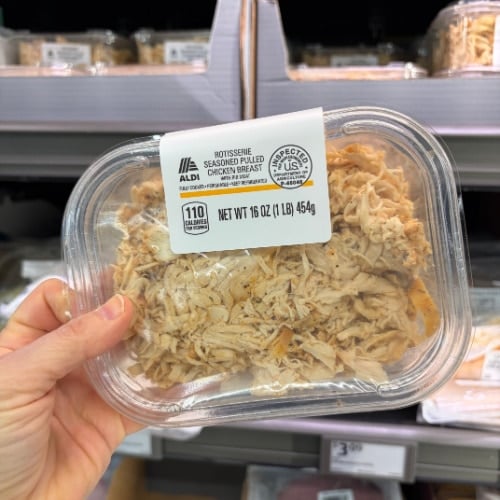
For occasions requiring elevated dining experiences with minimal preparation, fresh Atlantic salmon priced near $11 per pound provides a rapid, nutrient-dense solution. Requiring only 12 to 15 minutes of roasting time at high temperatures, fresh fish delivers essential omega-3 fatty acids with restaurant-quality appeal. Meanwhile, specialty items such as chicken apple sausage (priced at $2.99) and pre-shredded seasoned chicken breasts (priced around $7.15) serve as vital time-saving shortcuts for high-intensity weeknights when traditional meal preparation is entirely unfeasible.
Pantry Foundations for Rapid Assembly
A resilient pantry acts as the structural backbone of any effective weeknight meal plan, neutralizing the chaos of unexpected schedule changes. Culinary efficiency relies heavily on shelf-stable carbohydrate sources and flavor-enhancing sauces that require minimal intervention.
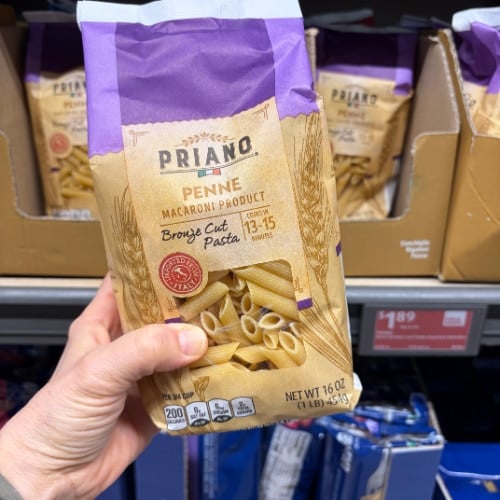
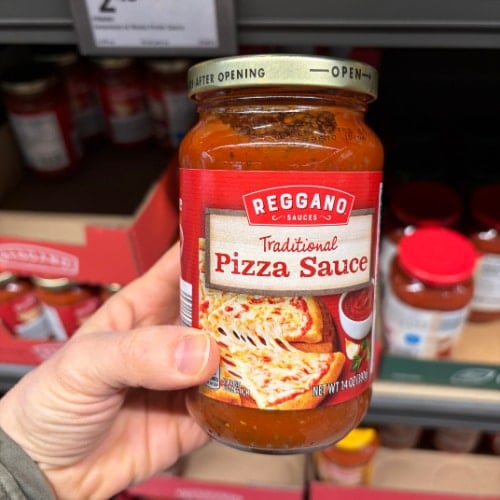
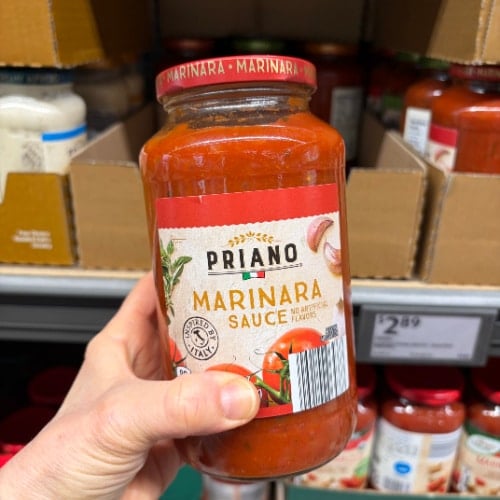
Among the standout pantry staples frequently highlighted by food economists and home economists alike are bronze-cut pasta varieties priced around $1.89. Unlike standard commercial pasta manufactured through smooth Teflon dies, bronze-cut pasta features a porous, coarse surface texture produced by traditional bronze dies. This microscopic roughness allows marinara and cream sauces to cling effectively to the pasta strands, elevating the final culinary output. Paired with affordable jarred marinara sauce ($2.89) and budget-friendly pizza sauce ($1.09), these items empower families to construct impromptu Italian-inspired dinners or flatbread pizzas within minutes.
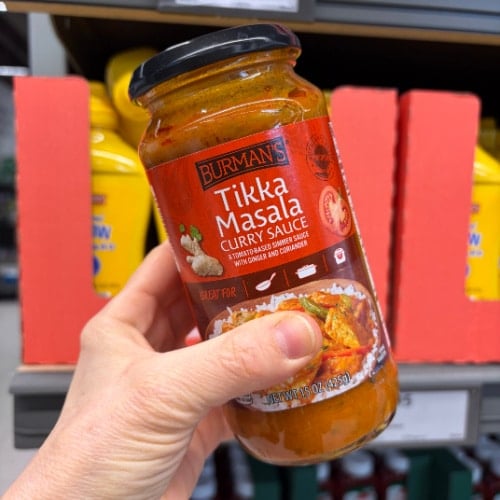
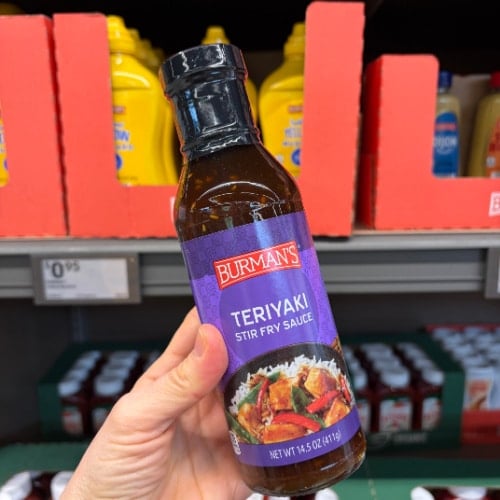
Global flavor profiles are similarly accessible through prepared simmer sauces, such as Indian-inspired varieties and teriyaki stir-fry options priced between $2.19 and $3.69. These condiments streamline complex flavor development into a uniform, repeatable formula: browning a chosen protein, incorporating available vegetables, simmering with the sauce, and serving over grains.
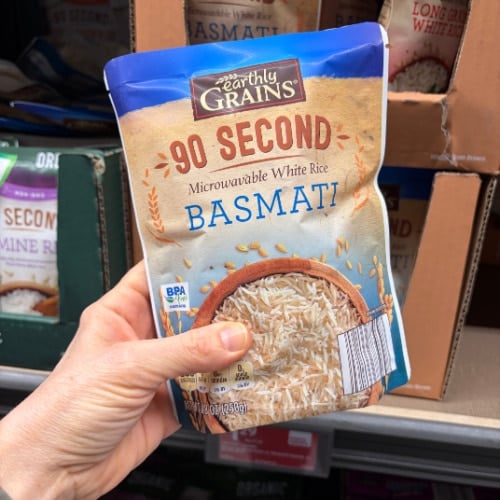
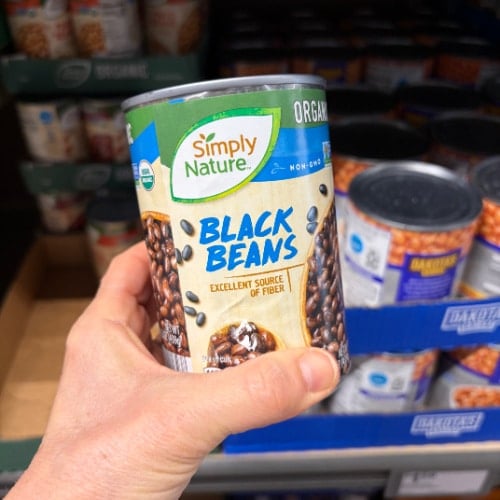
To eliminate the time barrier traditionally associated with grain preparation, 90-second microwaveable rice pouches (priced at $1.29) offer a reliable solution for busy evenings. Furthermore, canned legumes—specifically black beans, pinto beans, and chickpeas priced under $1.00 per can—represent an exceptional intersection of affordability, fiber content, and shelf stability. Flexible enough to anchor soups, salads, and grain bowls, canned beans remain one of the most cost-effective nutritional investments available in modern retail.

Freezer Management and Emergency Meal Backup
The domestic freezer functions as an indispensable safety net against the temptation of expensive fast-food delivery on hectic evenings. Strategic freezer stocking involves curating a balanced inventory of ready-to-heat entrees, frozen produce, and versatile protein blocks that thaw rapidly.
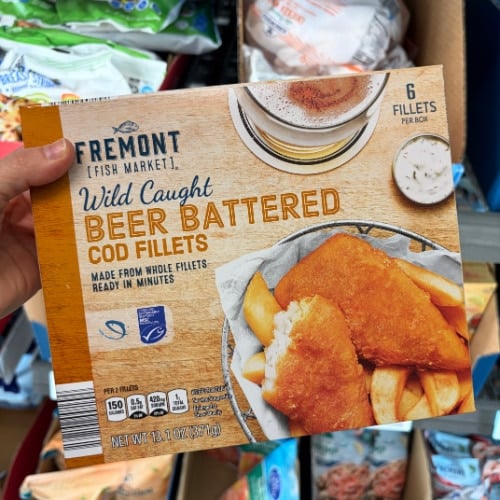
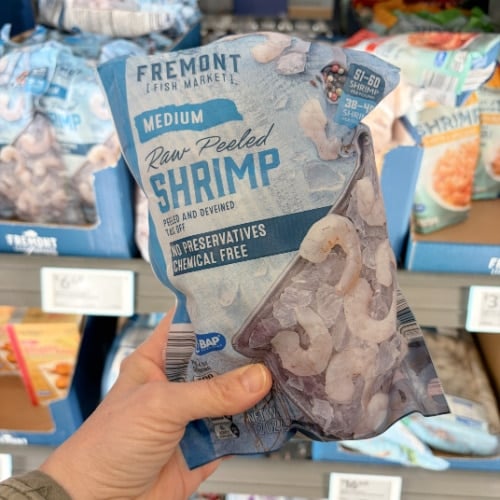
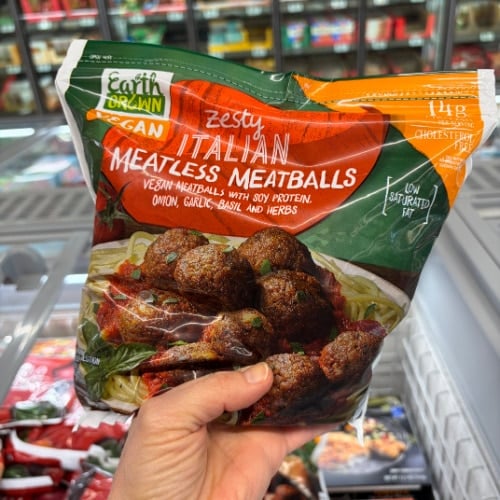
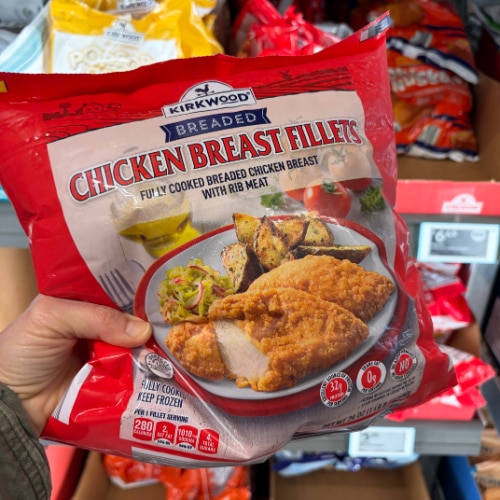
Frozen seafood options, including breaded fish fillets ($4.69) and raw, peeled shrimp ($6.49), provide immediate protein solutions that bypass the rapid spoilage timeline of fresh seafood. Shrimp, in particular, thaws under cold running water in minutes and cooks in under four minutes, making it one of the fastest protein sources for weeknight dinners. Similarly, frozen plant-based or beef meatballs ($4.99) and pre-breaded chicken breast fillets—frequently celebrated in online consumer communities under cultural monikers like the "Red Bag Chicken"—offer reliable comfort-food alternatives that appeal directly to younger palates.
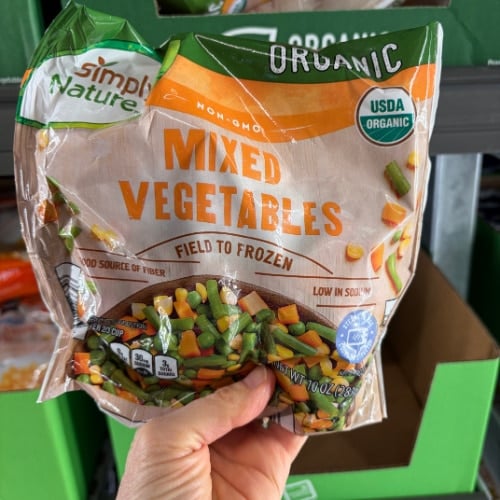
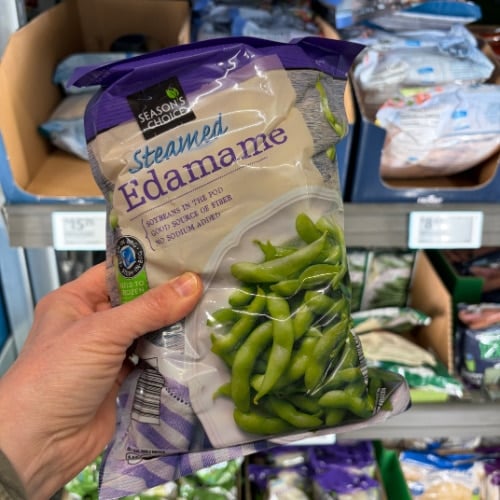
Nutritional balance is maintained through bulk frozen vegetables, such as organic mixed vegetable blends ($1.59) and edamame ($2.49), which ensure a steady supply of micronutrients independent of seasonal produce availability. For light evening meals or breakfast-for-dinner nights, frozen fruits like strawberries ($4.29) facilitate quick nutrient-dense smoothies, while commercial frozen pizzas ($4.49) and garlic bread ($3.49) serve as dependable comfort-food backups for households managing exceptionally demanding schedules.
Produce Selections for Longevity and Taste
Navigating the fresh produce section requires a careful balance between aesthetic appeal, flavor profiles, and post-purchase shelf life. While pre-washed bagged salad greens offer undeniable convenience, they possess a notoriously short refrigeration window and frequently result in household food waste.
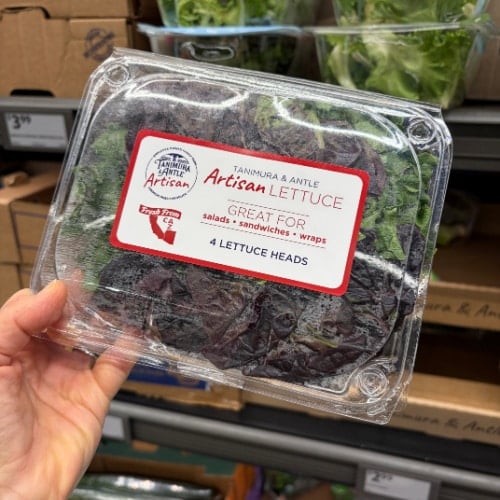
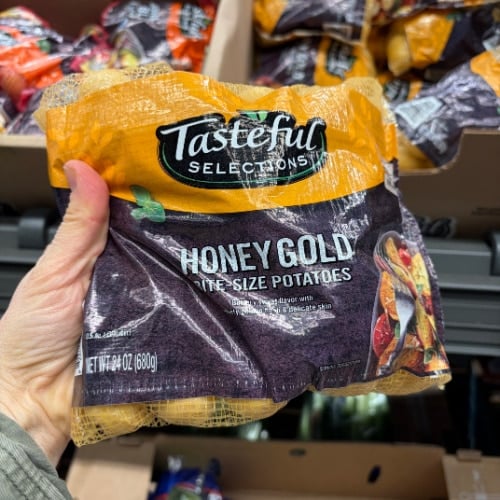
Culinary advisors frequently recommend transitioning toward multi-head artisan lettuce packs priced around $2.99. Although whole heads require basic washing and chopping prior to consumption, they consistently deliver superior structural crunch, enhanced flavor profiles, and an extended shelf life within domestic crisper drawers. Similarly, pre-washed bite-size potato varieties—such as honey gold potatoes priced at $2.99—eliminate the tedious scrubbing and peeling phases of meal preparation, allowing home cooks to roast vegetables rapidly with minimal pre-cooking friction.
Implications for Household Food Security and Meal Planning
The growing reliance on discount grocery chains and systematic pantry planning carries broader socioeconomic implications for American family units. Nutritional specialists and consumer advocates observe that rising food costs have forced households to become increasingly deliberate regarding food waste minimization and menu forecasting.
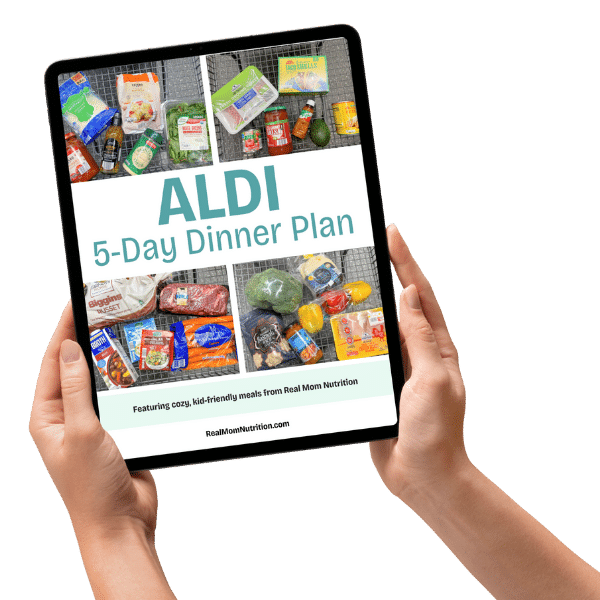
By establishing a core inventory of reliable staples across fresh, pantry, and frozen categories, families insulate themselves against impulsive, high-cost food purchases driven by time scarcity. Meal-planning frameworks—such as structured five-day seasonal dinner rotations paired with consolidated master shopping lists—demonstrate that financial prudence and nutritional adequacy are not mutually exclusive. As retailers like ALDI continue to expand their market footprint, consumer adoption of systematic, staple-driven cooking methods is projected to remain a vital pillar of household financial management and domestic culinary stability.