Eight Sustainable Blanket Options to Keep You Warm While Lowering Your Energy Footprint

As energy costs remain a primary concern for households across the United Kingdom and Europe, consumers are increasingly pivoting toward passive heating strategies to maintain comfort without relying on constant central heating. With recent data from the Office for National Statistics indicating that a significant portion of household expenditure is dedicated to space heating, the market for high-quality, sustainable textiles has expanded. Beyond the simple utility of warmth, these blankets represent a broader shift toward circular economy principles, utilizing recycled fibres, organic materials, and fair-trade production methods to mitigate the environmental impact of home goods.

The Macroeconomic Context of Household Heating
The reliance on energy-intensive heating systems has faced scrutiny as volatile global gas prices have driven inflation and increased the cost of living. According to recent reports from the BBC and various energy advocacy groups, millions of households are seeking low-energy alternatives to traditional heating. The "heat the person, not the home" strategy has gained traction as a viable, albeit supplementary, method to reduce carbon footprints and monthly utility bills. Textiles—specifically those with high thermal retention properties like wool and dense cotton—act as critical tools in this transition, allowing individuals to lower thermostats while maintaining thermal comfort.
The Evolution of Sustainable Textile Manufacturing
The textile industry is historically one of the most resource-intensive sectors, often associated with high water consumption, chemical pollution, and significant landfill waste. In response, a new wave of manufacturers has emerged, focusing on two primary pillars: circularity and organic certification.

The current market landscape now features products derived from shredded post-consumer garments, redundant yarn stocks that would otherwise be discarded, and organic fibres cultivated without synthetic pesticides. This shift is not merely a trend; it is a response to the EU Strategy for Sustainable and Circular Textiles, which aims to make all textile products on the market more durable, repairable, and recyclable by 2030.
Curated Options for the Conscious Consumer
The following selections represent a cross-section of the market, categorized by their material provenance and social impact.

Natural Collection: Repurposing Industrial Waste
The Natural Collection range, often found through ethical retail platforms, represents the entry-level segment for sustainable home goods. These blankets are manufactured in the United Kingdom using a mechanical recycling process. By taking post-consumer clothing—which is shredded, respun, and rewoven—manufacturers can extend the lifecycle of fibres that have already been produced. This process significantly lowers the energy and water requirements compared to virgin wool or cotton production. However, because these products are the result of salvaged materials, color consistency can vary, illustrating the trade-offs often found in upcycled manufacturing.
Cottsbury: GOTS-Certified Organic Standards
For those prioritizing chemical-free production and strict labor standards, the Global Organic Textile Standard (GOTS) is the industry benchmark. Cottsbury is a notable player in this space, utilizing 100% GOTS-certified organic cotton. The significance of this certification lies in the oversight of the entire supply chain, from the harvesting of raw cotton to the manufacturing process, ensuring that no toxic chemicals are used and that water consumption is strictly monitored. Furthermore, these products are often manufactured in Fairtrade-certified facilities, which mandate living wages and safe working conditions. As a circular bonus, some brands now use residual fabric scraps to create the packaging, effectively aiming for a zero-waste product life cycle.
Oxfam Online: The Sourced Range
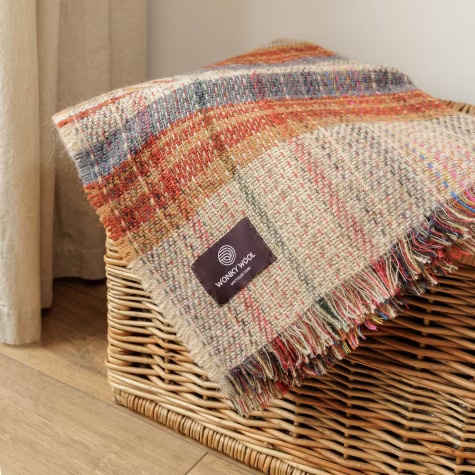
Oxfam’s entry into the retail market via its "Sourced by Oxfam" line provides a unique model. Unlike thrifted items, these are brand-new, ethically sourced products. By partnering with small-scale, ethical producers globally, Oxfam ensures that its supply chain adheres to high social and environmental standards. The proceeds from these sales are directly funneled back into the charity’s core mission of poverty alleviation, providing a dual-impact model that is increasingly popular with impact-oriented consumers.
Paper High: Artisan-Led Fair Trade
The social enterprise model is exemplified by Paper High, which focuses on the artisan sector in India. By partnering with organizations such as the Asha Handicrafts Association, the brand provides economic stability to over 800 artisans. These blankets, often made from recycled cotton salvaged from the garment industry, represent a fusion of traditional craftsmanship and modern sustainability. For the consumer, this ensures that their purchase supports social welfare initiatives while simultaneously reducing the volume of textile waste generated by large-scale garment manufacturing hubs.
Soak & Sleep: Longevity and Durability
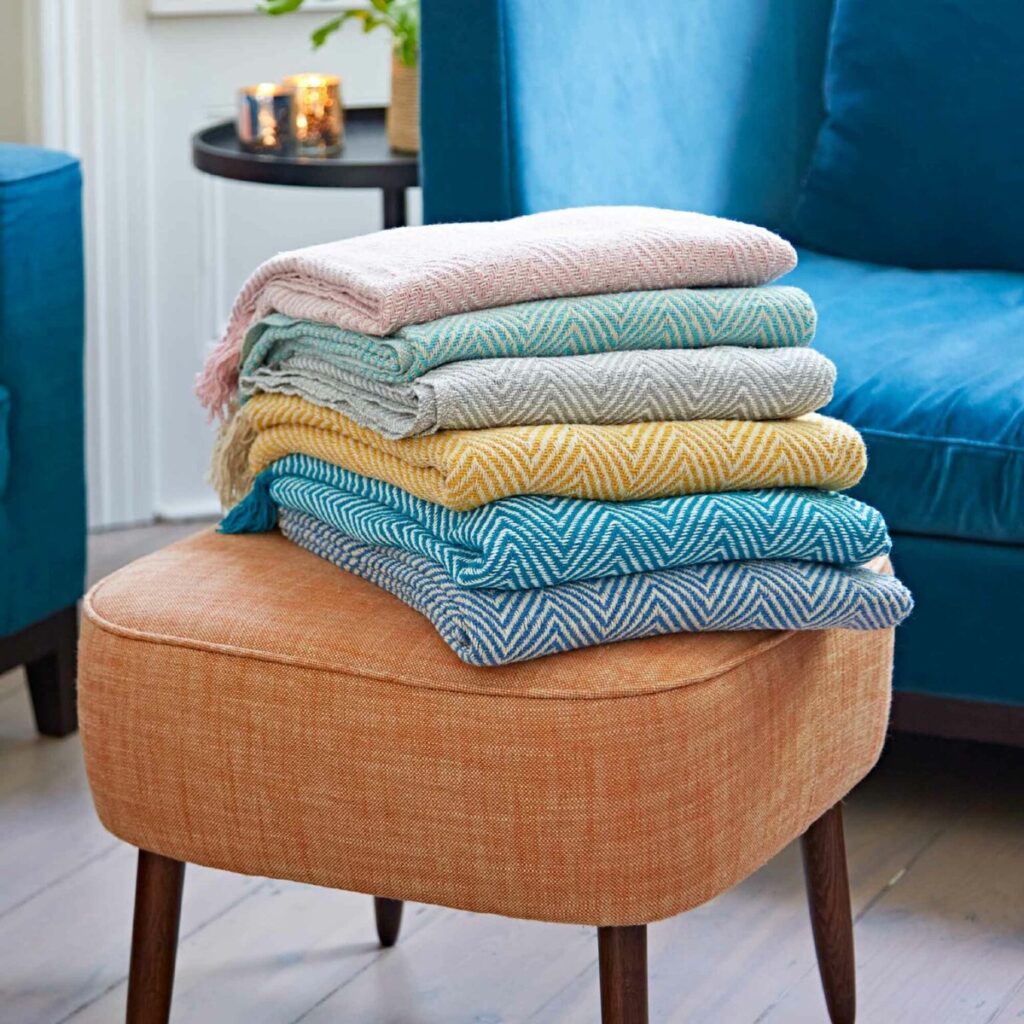
The philosophy of "buy well, buy once" remains the gold standard for sustainability. Soak & Sleep emphasizes durability through their partnership with traditional British manufacturers like Tweedmill. By using 100% pure wool—a naturally renewable and biodegradable material—and offering multi-year guarantees, the brand discourages the "fast-fashion" cycle of home goods. High-quality wool possesses natural thermal regulation, moisture-wicking capabilities, and flame resistance, making it a superior, albeit higher-priced, investment for long-term use.
Florence & Lily and TBCo.: Hybrid Fiber Innovation
The market for recycled wool is expanding rapidly. Brands like Florence & Lily and TBCo. (The Tartan Blanket Co.) utilize a blend of recycled wool and other reclaimed fibers to create durable, aesthetically versatile throws. TBCo.’s "Positive Impact Pledge"—which allocates 2% of every purchase to environmental and social charities—highlights how modern retail brands are integrating corporate social responsibility (CSR) into their fundamental business structure. These blankets, often featuring classic heritage designs, prove that recycled products can compete with luxury, virgin-fiber alternatives in both style and performance.

Fact-Based Implications for the Future
The shift toward these products is not merely a lifestyle choice; it is a systemic necessity. The global textile industry is responsible for approximately 8-10% of global carbon emissions. By choosing recycled or organic materials, consumers are voting for a market that favors lower-impact manufacturing.
However, consumers must remain vigilant regarding "greenwashing." When evaluating these products, experts suggest looking for third-party verifications such as the Global Recycled Standard (GRS) or the aforementioned GOTS certification. These certifications provide an objective audit trail that mere marketing claims cannot replicate.

Conclusion: The Practicality of Sustainability
As households continue to navigate the complexities of high energy costs, the role of high-quality, sustainable blankets will likely increase. They offer a tangible, immediate method to manage home heating efficiency while supporting industries that prioritize environmental and social welfare. Whether through the purchase of upcycled wool or GOTS-certified cotton, the transition to more sustainable home textiles is a clear example of how individual consumer choices can influence wider market trends toward a more sustainable and equitable future. By balancing cost, durability, and ethical provenance, homeowners can effectively bridge the gap between necessary thrift and environmental responsibility.