The Evolution of Clean-Label Baking: A Case Study in Flourless Pumpkin Chocolate Cake

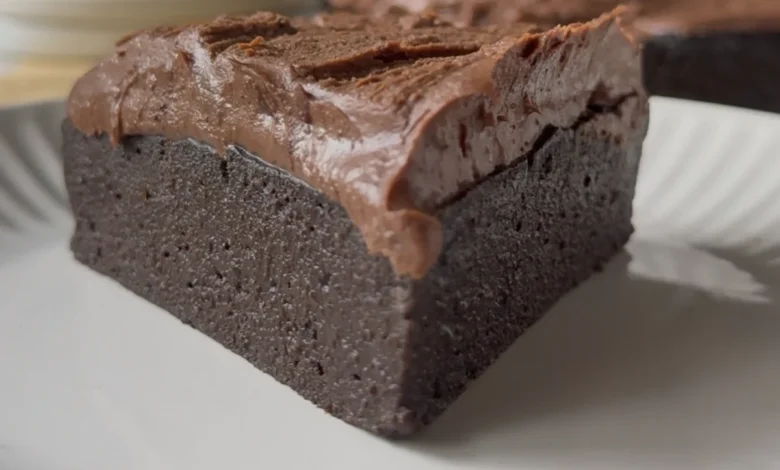
The landscape of modern home baking is undergoing a significant transformation as health-conscious consumers increasingly demand recipes that prioritize nutrient density and whole-food ingredients over traditional, highly processed staples. A recent development in this space is the emergence of high-performance flourless desserts, most notably the "Healthy Chocolate Cake," which utilizes pumpkin purée as a foundational structural agent to eliminate the need for flour, oils, and refined sugars. This shift reflects a broader consumer trend toward clean-label eating, where the objective is to replicate the sensory experience of indulgent desserts using ingredients that align with restrictive dietary patterns, such as gluten-free or grain-free lifestyles.
The Nutritional Mechanics of Flourless Baking
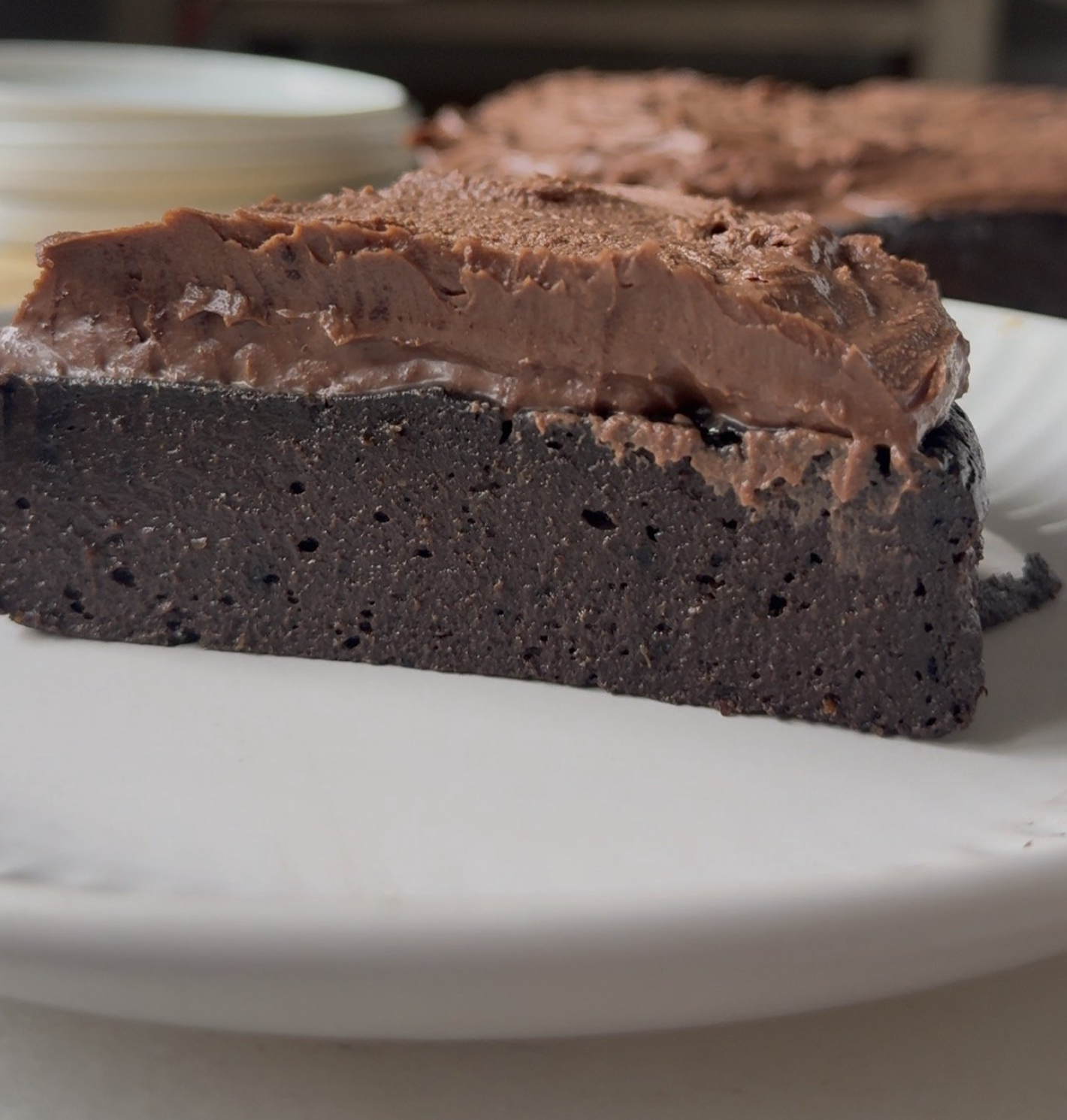
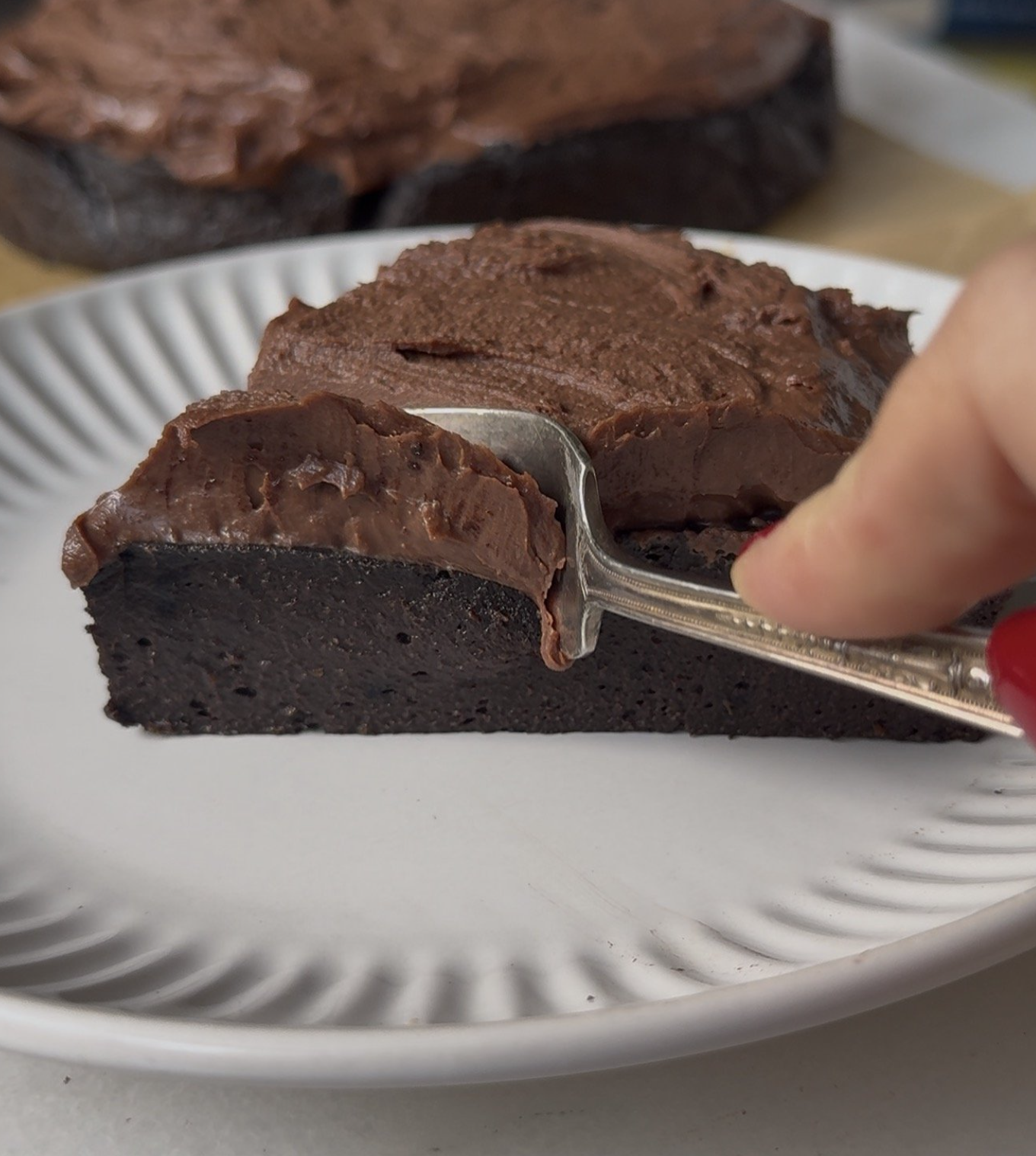
The science behind this particular cake relies on the unique chemical properties of pumpkin purée. In traditional baking, wheat flour provides the gluten network necessary for structural integrity, while fats—such as butter or oil—are used to tenderize the crumb. In this flourless alternative, the fibrous composition of pumpkin purée acts as a dual-purpose substitute. When combined with a high volume of eggs—specifically four whole eggs and an additional yolk—the protein coagulation process provides the necessary scaffold for the cake to set.
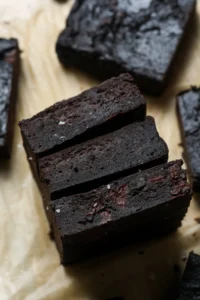
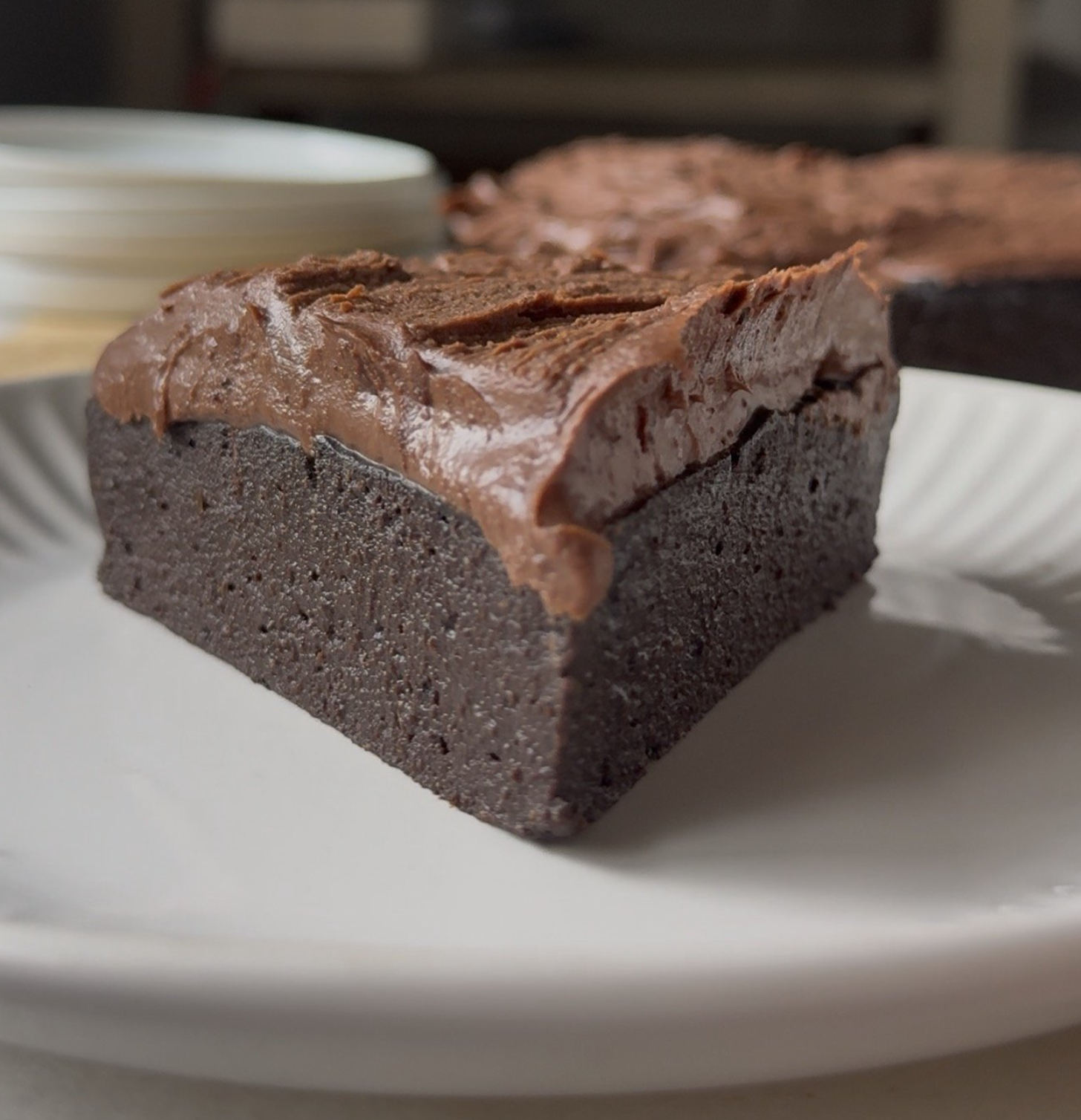
From a nutritional standpoint, the elimination of refined flour and hydrogenated oils represents a substantial reduction in glycemic load. A standard chocolate cake typically relies on refined white sugar and bleached flour, both of which are rapidly absorbed, leading to spikes in blood glucose levels. By utilizing natural sweeteners like maple syrup or honey, and leveraging the fiber content inherent in pumpkin, this recipe offers a more balanced metabolic profile. Data from culinary research suggests that such substitutions do not merely alter the nutritional value; they fundamentally change the crumb structure, resulting in a product that occupies the textural space between a dense torte and a classic fudge brownie.
Chronology and Development of the Recipe
The development of this recipe followed a iterative process aimed at achieving a "clean" ingredient profile without compromising the dessert’s indulgent quality. The project, which concluded in May 2026, focused on identifying a stable fat-to-fiber ratio that could hold up in a standard springform pan.
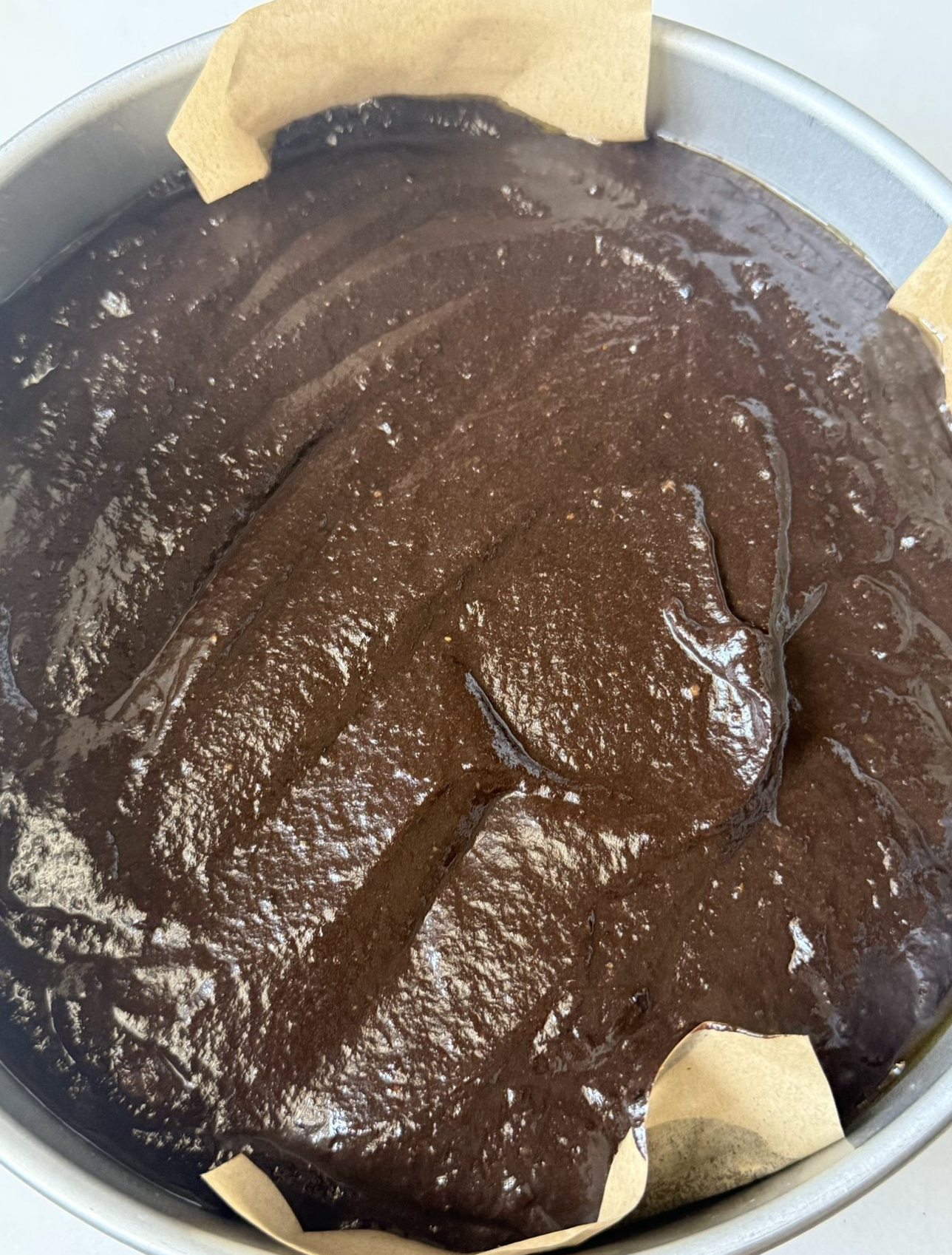
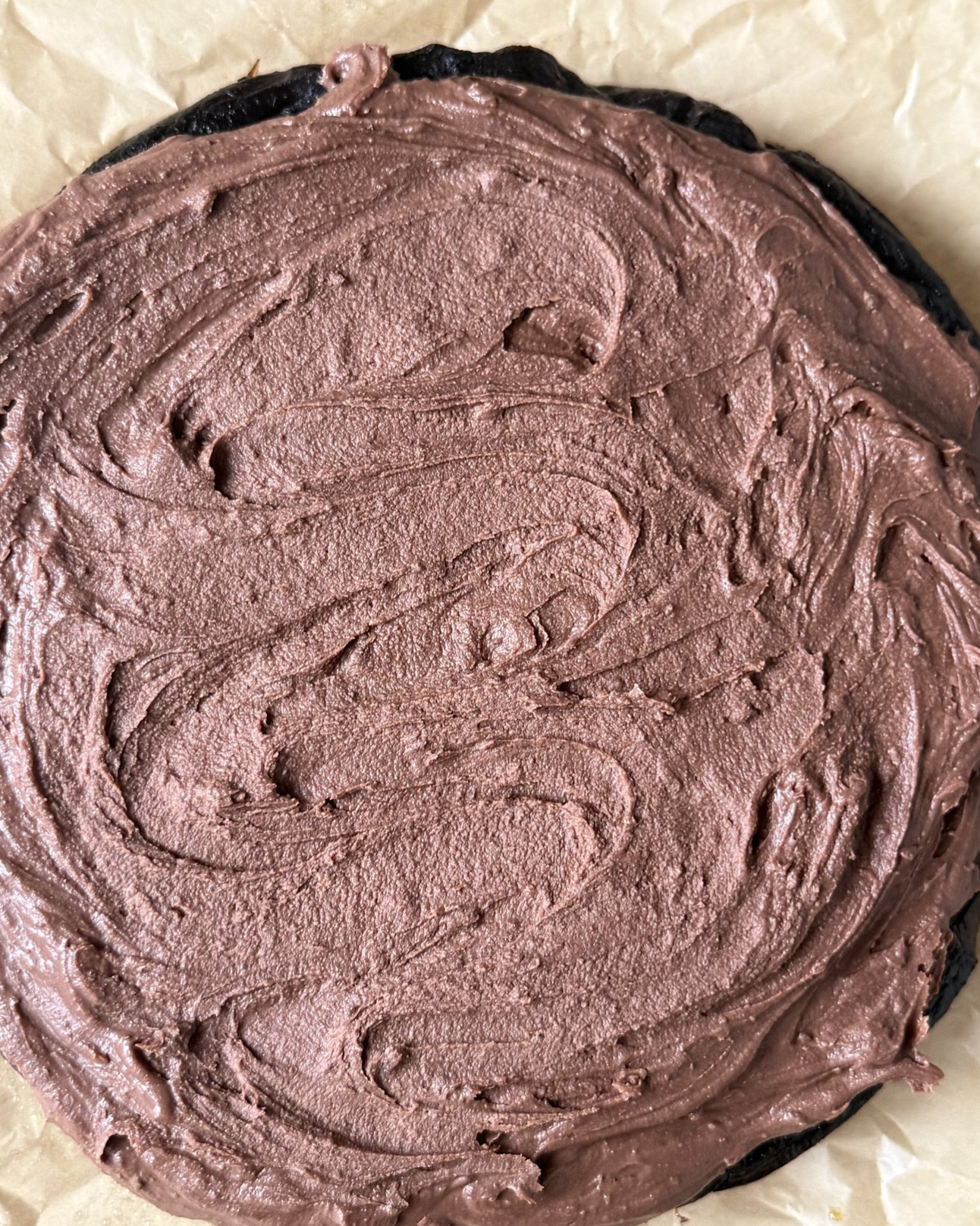
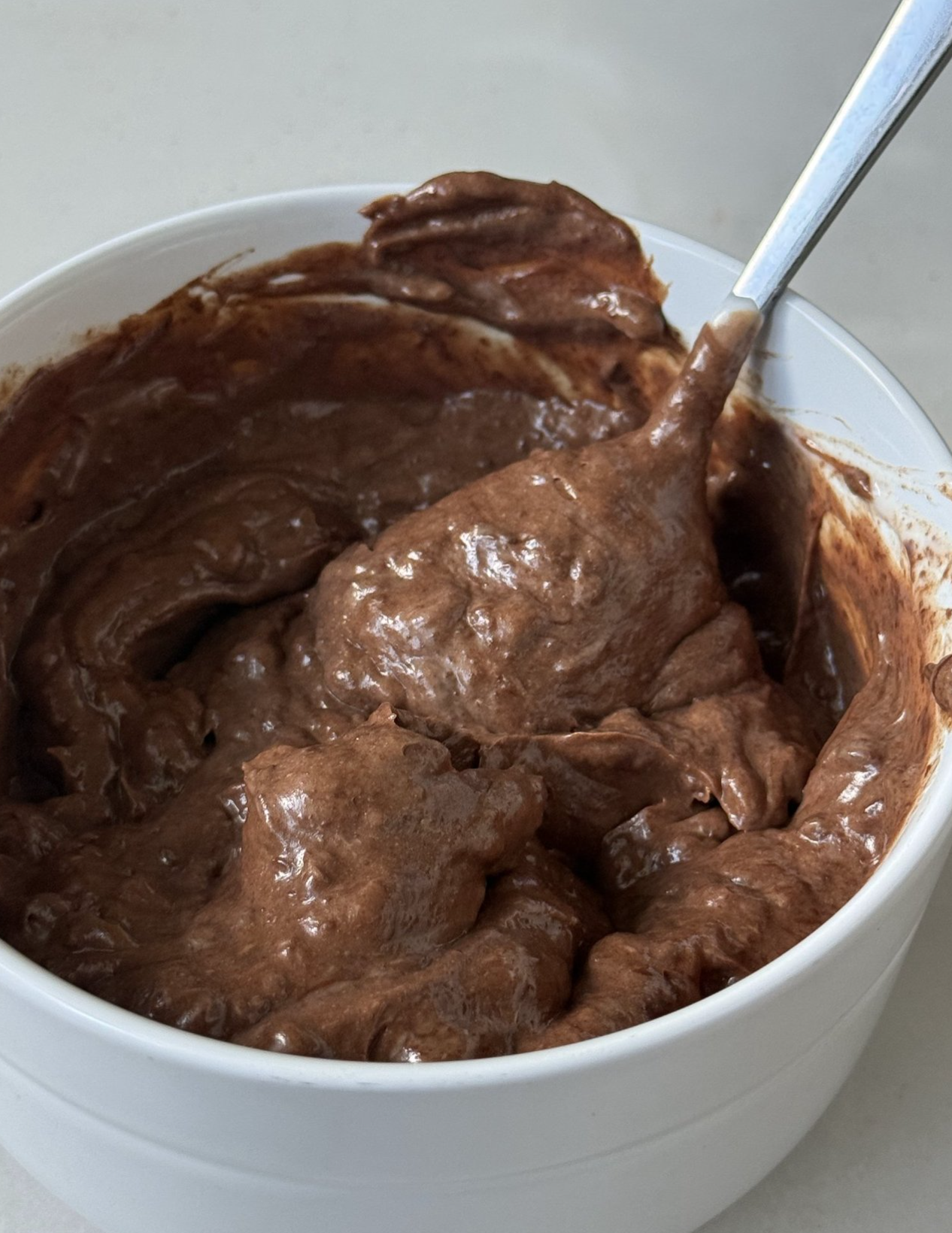
The initial testing phase in early 2026 prioritized moisture control. Early trials showed that inconsistent moisture levels in canned pumpkin—often caused by varying manufacturing processes across different brands—led to structural failures. By identifying specific, lower-moisture varieties, such as those historically found in specific grocery retail lines, developers were able to standardize the baking time to between 60 and 65 minutes at 350 degrees Fahrenheit. The final stage of the development involved the perfection of a two-ingredient ganache, which serves as the primary textural contrast to the dense, moist cake body.
Technical Requirements for Consistency
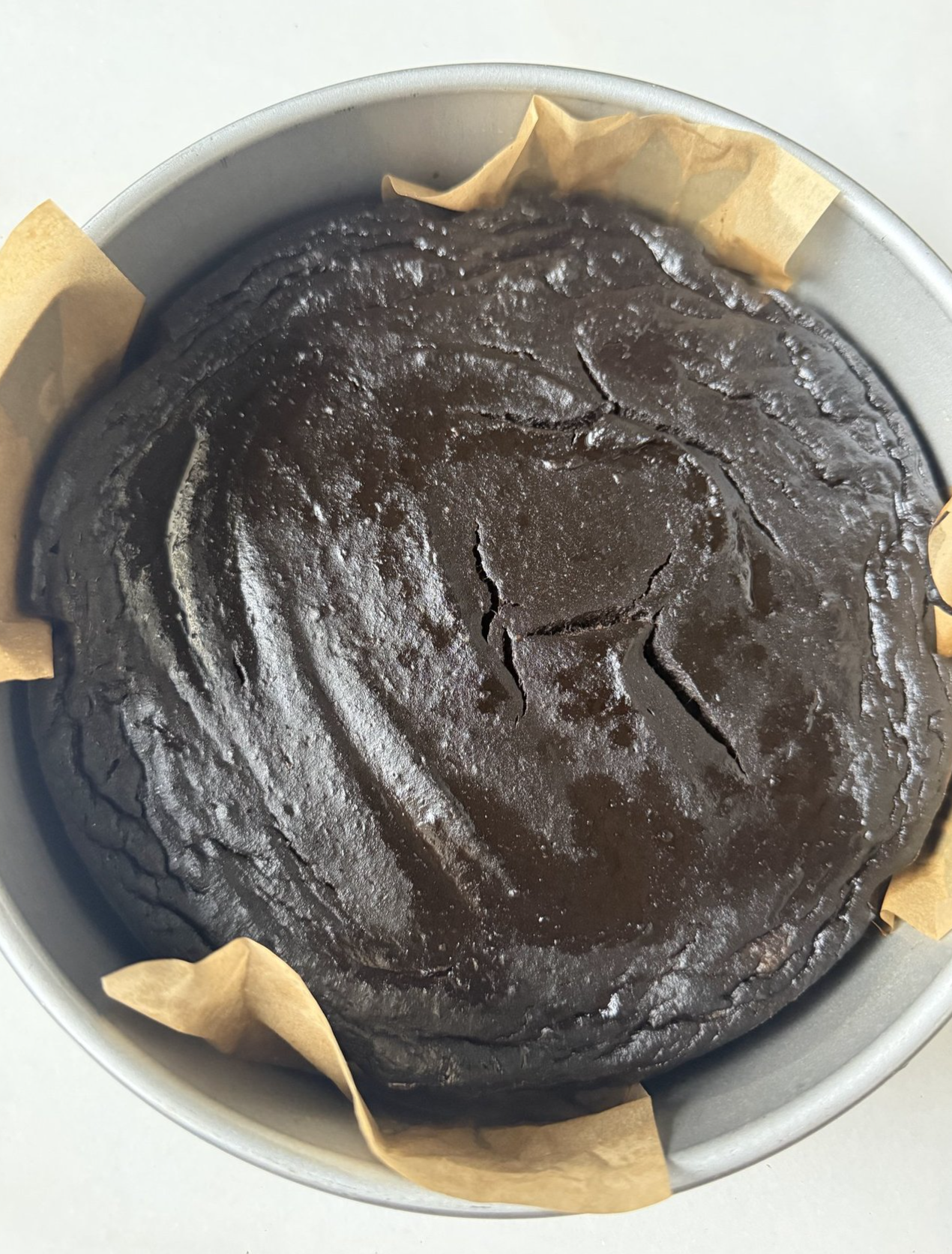
Professional bakers and nutritionists often note that recipes relying on non-traditional binders require stricter adherence to cooling protocols. Unlike flour-based cakes that form a starch-based structure during the baking process, this pumpkin-based variant relies on the slow setting of proteins. The mandatory four-hour cooling period—including at least two hours of refrigeration—is not merely a suggestion but a critical step in the chemical stabilization of the dessert.
Without this cooling period, the proteins do not fully set, resulting in a texture that many consumers perceive as "raw" or "undercooked." The refrigeration stage facilitates a process known as retrogradation, where the moisture within the cake is redistributed, leading to a firmer, more sliceable consistency. This technical requirement highlights the trade-off inherent in health-focused baking: what is gained in nutritional quality is often balanced by the requirement for more precise, time-intensive preparation.
Market Implications and Consumer Trends
The rise of recipes like the Healthy Chocolate Cake is a direct response to the growing prevalence of gluten sensitivities and a rising public awareness regarding the inflammatory potential of processed flours. According to recent market analysis, the demand for "free-from" recipes has surged by over 20% since 2023, as consumers actively search for ways to include traditional holiday and celebratory foods in their diets without violating their personal health constraints.
The impact on home baking culture is notable. By simplifying the ingredient list to five primary items, the recipe lowers the barrier to entry for novice bakers who may find the procurement of gluten-free flour blends or specialty binders like xanthan gum to be prohibitive. The use of widely available, pantry-stable items like cocoa powder and maple syrup positions this recipe as a viable alternative for mainstream households, rather than a niche dish reserved for specific medical diets.
Comparative Analysis of Substitutions
The versatility of the base recipe allows for significant customization, which serves to broaden its appeal across various dietary frameworks. The following table summarizes the adaptability of the primary components based on current culinary testing:
| Ingredient | Potential Substitute | Rationale |
|---|---|---|
| Pumpkin Purée | Sweet Potato / Butternut Squash | High fiber and density provide similar structure. |
| Maple Syrup | Raw Honey | Direct 1:1 replacement; similar glycemic index. |
| Dark Cocoa | Black Cocoa | Increases color depth and flavor intensity. |
| Heavy Cream | Canned Coconut Cream | Facilitates a vegan or dairy-free profile. |
These substitutions demonstrate that the foundational integrity of the cake is not tied to a single, proprietary ingredient, but rather to the interplay between the moisture of the purée and the binding power of the eggs.
Broader Nutritional and Economic Context
Critics of "healthy" versions of traditional desserts often point to the cost-per-serving of using high-quality ingredients like pure maple syrup and dark cocoa. While these ingredients carry a higher retail price point than white sugar and refined flour, proponents argue that the satiety levels provided by the higher protein and fiber content result in smaller portion sizes, effectively normalizing the cost over time. Furthermore, the ability to store the cake for up to four days in the refrigerator, or freeze it for two months, reduces food waste, providing an economic incentive for families looking to meal-plan their desserts.
The shift toward such recipes also signifies a move toward "ingredient-first" cooking. By utilizing whole foods—vegetables for structure and natural resins for sweetness—the recipe moves away from the "ultra-processed" label that has come to dominate the center aisles of most supermarkets. While the culinary community remains divided on whether these desserts can truly replace their traditional counterparts in a professional setting, the success of such recipes in the home-kitchen sector suggests that they have achieved a level of public acceptance that makes them a permanent fixture in modern, health-conscious households.
Future Directions for Whole-Food Baking
As research into plant-based binders continues to expand, it is likely that the "Healthy Chocolate Cake" will serve as a template for further innovation. Current investigations into the use of alternative starches and legume-based flours may eventually lead to even more stable, shelf-stable versions of these products. For now, however, the combination of pumpkin, egg, and cocoa represents the current gold standard for home-baked, flourless, and nutrient-dense chocolate desserts.
The longevity of this trend will likely depend on the accessibility of high-quality produce and the continued consumer interest in transparent, simple ingredient lists. As long as the demand for "indulgence without the compromise" remains, the integration of vegetable-based ingredients into classic pastry techniques will remain a core area of focus for both amateur home cooks and professional nutritionists alike.