The Rise of the Rustic Galette: How Free-Form Pastries Are Transforming Home Baking Trends

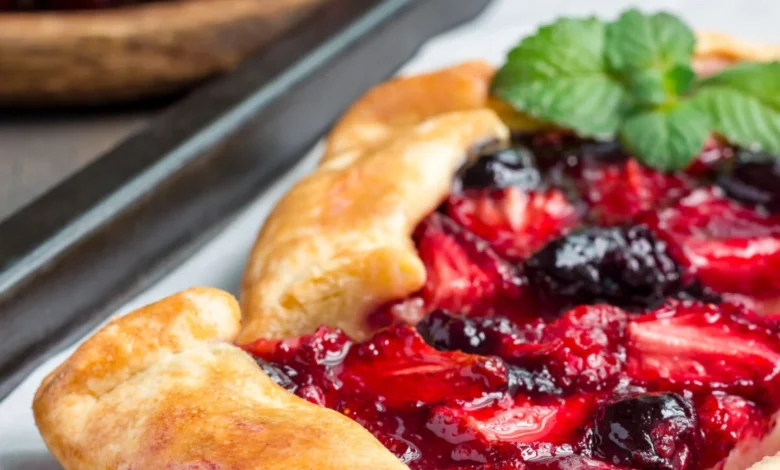
The culinary landscape of summer baking has undergone a noticeable shift in recent years, moving away from labor-intensive, precision-driven desserts toward simpler, more forgiving formats. At the forefront of this movement is the strawberry cherry galette—a free-form, rustic pastry that captures the vibrant flavors of peak-season fruit without the technical demands of traditional pie-making. As culinary enthusiasts and everyday home cooks increasingly seek out accessible yet impressive recipes, the galette has transitioned from a niche French pastry technique into a mainstream weekend baking staple.
Understanding the Galette: History and Technique
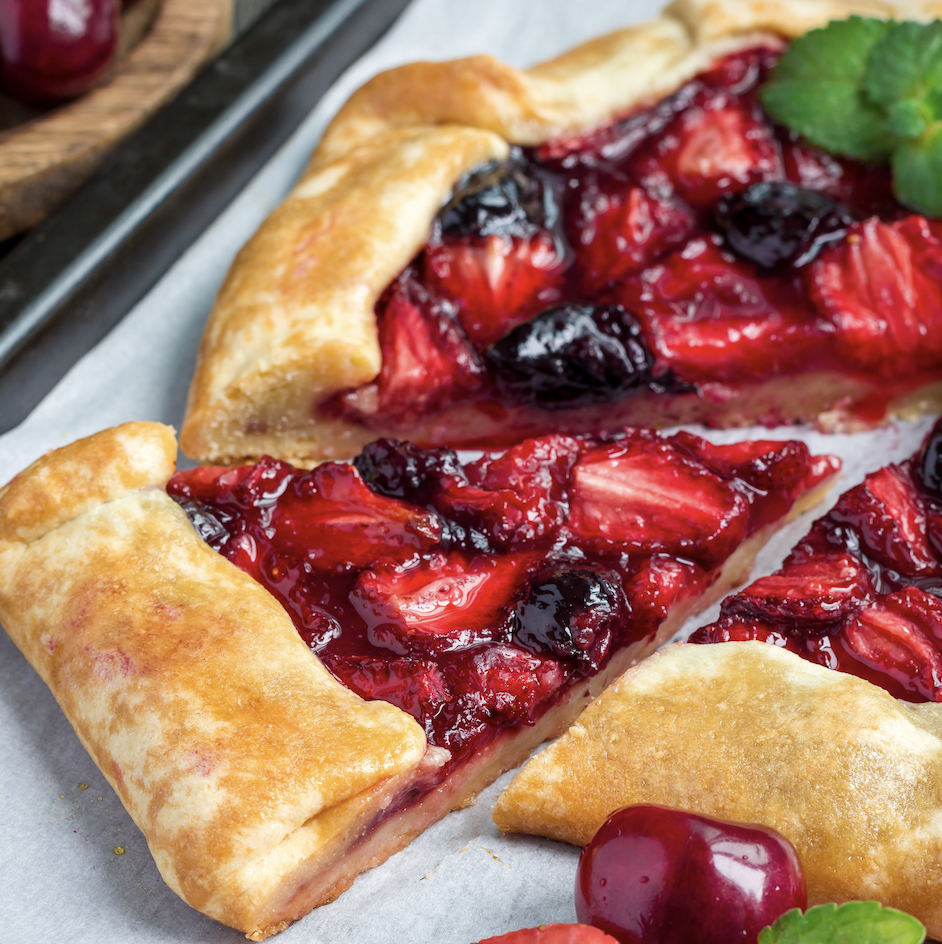
To appreciate the current surge in galette popularity, one must look at the culinary evolution of the pastry itself. Originating in France, the term "galette" historically refers to a broad category of flat, round cakes or crusty pastries made from yeast or pastry dough. Unlike standard pies, which require a specialized pie dish, precise dough-to-pan fitting, and intricate crimping or lattice-work top crusts, a galette relies entirely on a free-form structure.
The process involves rolling out a single sheet of chilled dough, layering sweetened seasonal fruit in the center, and folding the outer edges inward to partially enclose the filling. This open-faced construction is not merely a shortcut; it serves a functional culinary purpose. By leaving the center exposed, moisture from the baking fruit evaporates efficiently, allowing the natural sugars to caramelize and transform the filling into a rich, jammy consistency. Culinary historians note that this unpretentious approach reflects a broader modern preference for rustic authenticity over manufactured perfection in home cooking.
Nutritional and Seasonal Appeal of Summer Berries
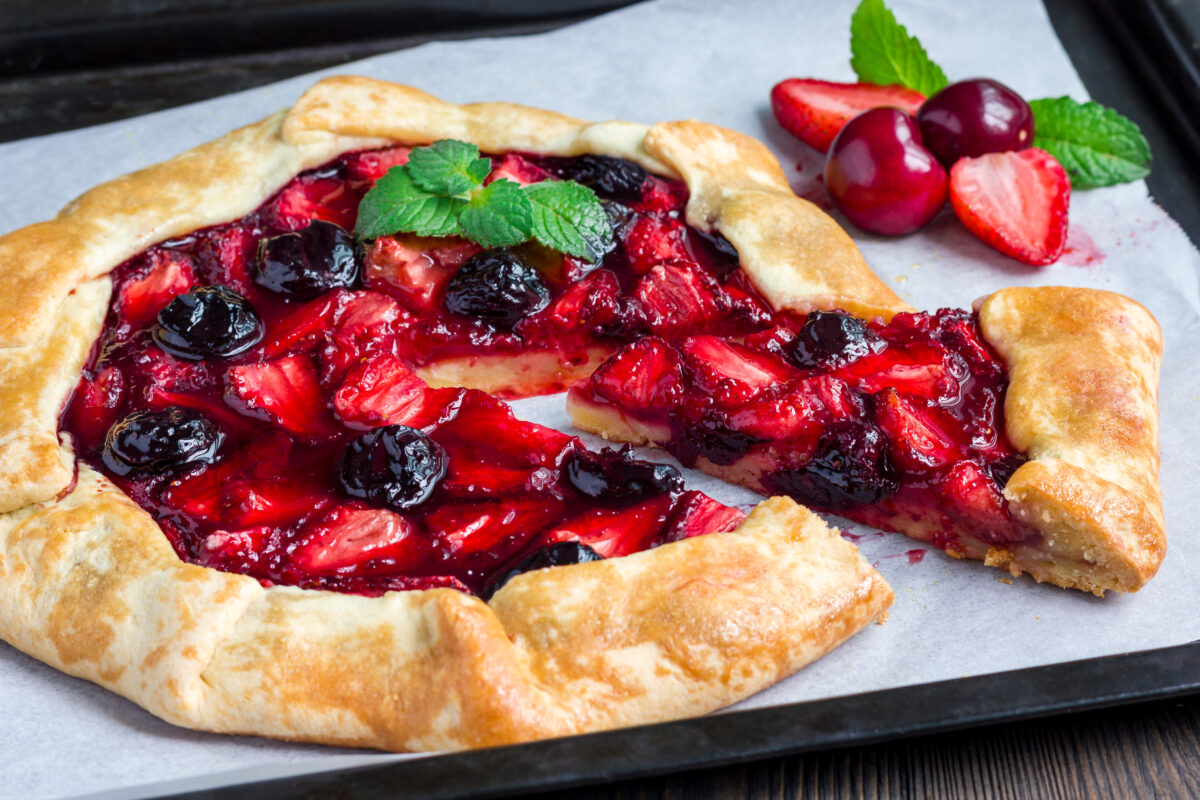
The resurgence of fruit galettes aligns closely with a heightened consumer interest in seasonal eating and utilizing fresh, local produce. According to recent culinary market trends, home baking projects that incorporate fresh berries experience a surge during the peak summer months of June through August, driven by both flavor profiles and nutritional incentives.
Strawberries and cherries, the star components of the strawberry cherry galette, offer significant health benefits alongside their culinary appeal. Strawberries are a powerhouse of vitamin C, manganese, and dietary fiber, while providing potent antioxidants known as anthocyanins, which support cardiovascular health. Tart and sweet cherries contribute melatonin, potassium, and anti-inflammatory properties that have been shown to aid in muscle recovery and reduce oxidative stress.
By combining these fruits within a pastry framework, home bakers can harness natural sweetness, thereby reducing the need for excessive refined sugars in their desserts. Culinary experts recommend balancing the inherent tartness of summer cherries with the softer, sweeter profile of fresh strawberries, enhanced by subtle notes of lemon zest and vanilla extract to brighten the overall flavor profile.
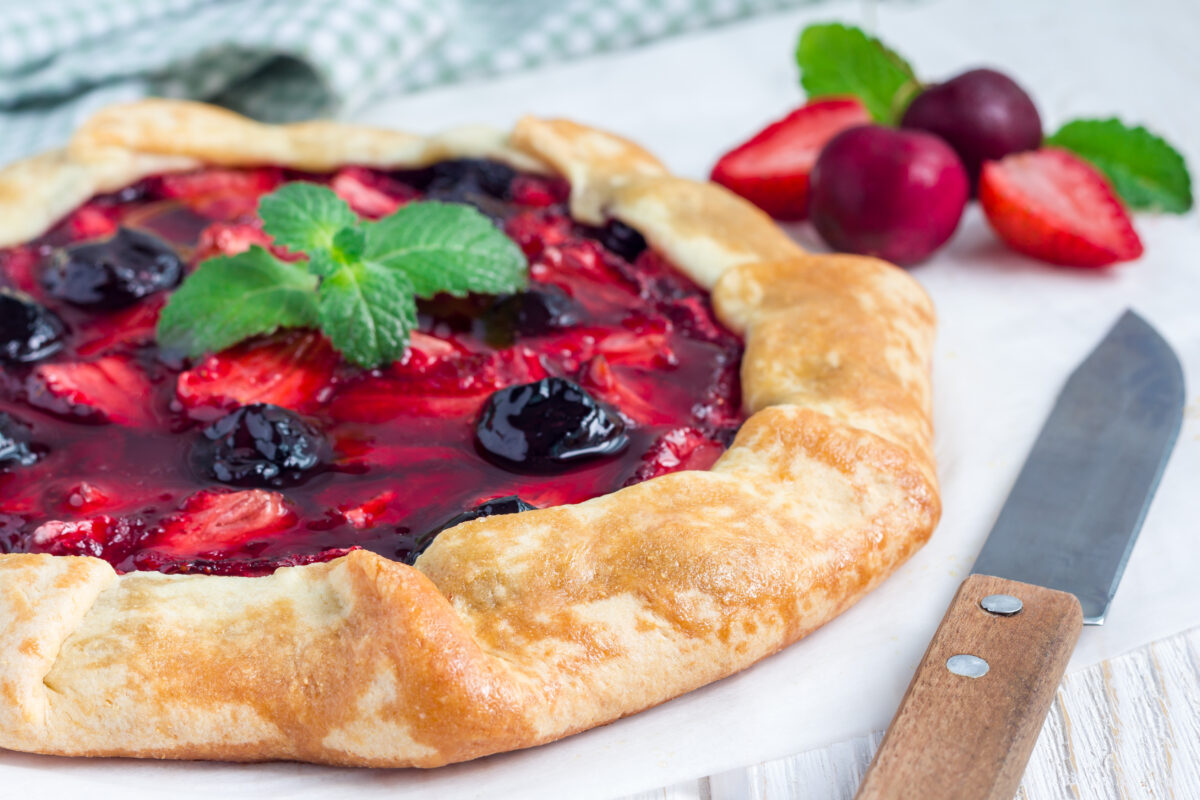
Expert Baking Strategies: Overcoming Common Pitfalls
Despite its reputation as an approachable alternative to pie, achieving a professional-quality galette requires adherence to specific technical principles. Pastry chefs and baking instructors emphasize that texture is largely determined by temperature management, specifically regarding the fats used in the dough.
- Temperature Control: The inclusion of cold butter is paramount. As the pastry bakes, water within the butter evaporates, creating pockets of steam that form flaky layers. If the butter melts prematurely during the preparation phase, the crust loses its structural integrity, resulting in a dense or greasy texture.
- Managing Moisture Content: One of the primary challenges in fruit galette production is preventing a soggy bottom crust. Because stone fruits and berries release significant moisture when exposed to sugar and heat, professional bakers employ specific mitigation strategies. These include tossing the fruit with cornstarch to bind free liquids, draining excess juices before assembly, and creating an internal moisture barrier by dusting the base dough with finely ground almond flour, breadcrumbs, or crushed graham crackers.
- Thermal Dynamics: Baking the galette on the lower third of the oven ensures that the bottom crust receives adequate radiant heat, facilitating a crisp finish that supports the heavy fruit filling.
Market Adaptation: Convenience Meets Craftsmanship
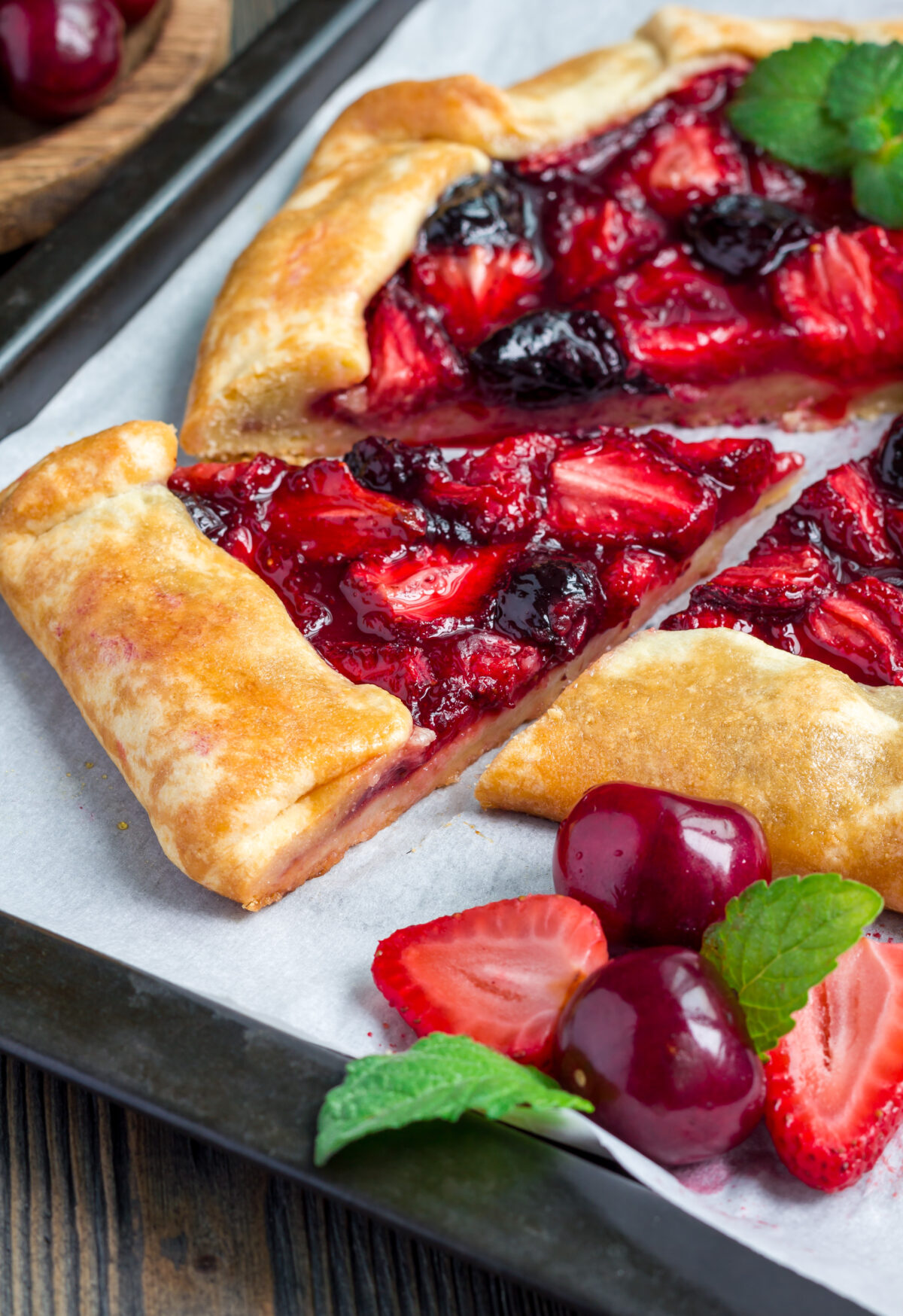
The modern consumer’s demand for culinary efficiency has also influenced how recipes are adapted. While purists advocate for scratch-made, all-butter pastry dough prepared via hand-cutting or food-processing methods, the commercial food sector has noted an upward trend in the sales of refrigerated, store-bought pie crusts utilized specifically for galette applications.
This versatility democratizes the baking process, allowing individuals with limited time constraints to produce a visually striking dessert. Food industry analysts suggest that this dual-path approach—catering simultaneously to scratch-bakers and convenience-oriented consumers—accounts for the enduring longevity of galette-related search queries and recipe shares across digital platforms. Furthermore, the adaptability of the basic template invites endless customization, accommodating dietary modifications such as gluten-free flours, dairy-free plant-based butter substitutes, or alternative fruit combinations including peaches, plums, and fresh herbs like mint and basil.
Broader Implications for Home Economics and Culinary Culture
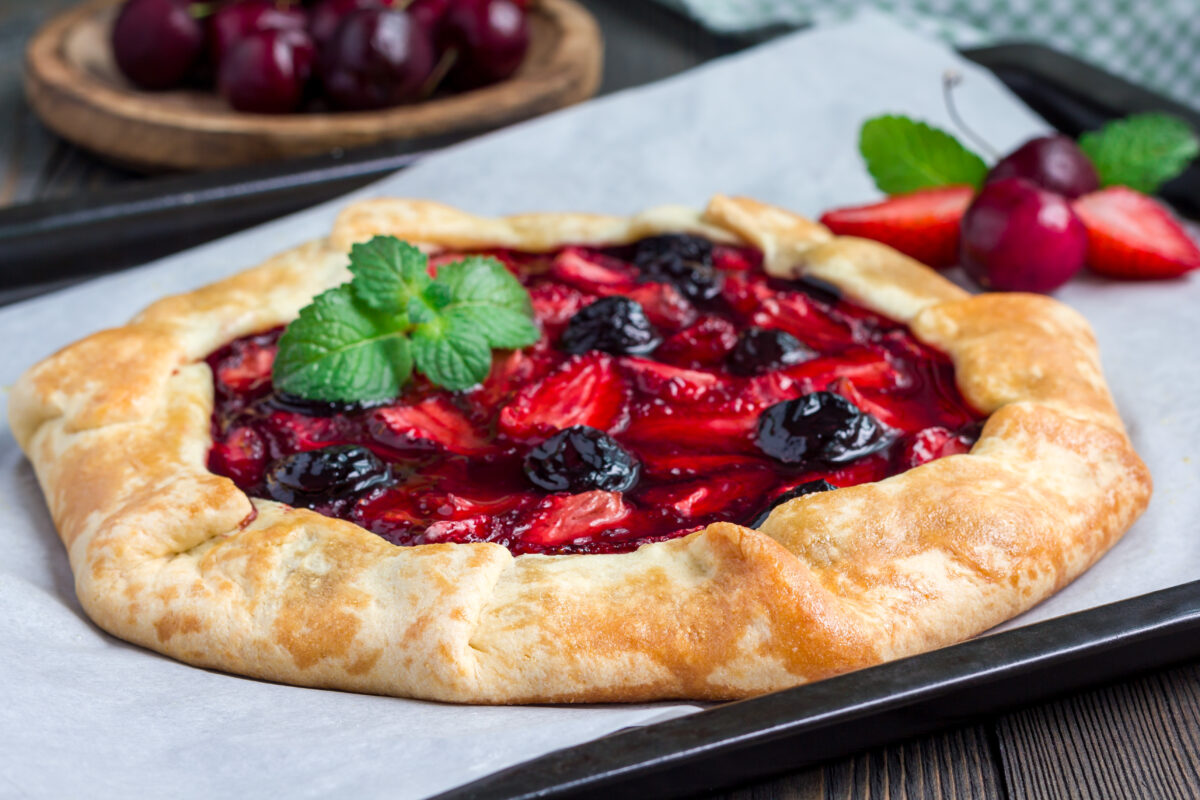
The enduring popularity of the strawberry cherry galette highlights a psychological shift in home economics. In an era marked by fast-paced lifestyles and digital curation, baking has increasingly served as a therapeutic outlet rather than a chore. The intentional embrace of the galette’s inherent imperfections—uneven folds, asymmetrical edges, and occasional bubbling juices—offers a psychological reprieve from the relentless pursuit of aesthetic perfection often promoted on social media.
As home cooks continue to prioritize accessible, high-reward recipes that celebrate seasonal agriculture, the rustic galette remains a testament to the fact that culinary excellence does not require complexity. By bridging the gap between professional pastry techniques and home kitchen realities, this simple summer dessert secures its place as a timeless fixture in contemporary baking culture.