A Comprehensive Guide to Teen Nutrition: 30+ Protein-Rich Snacks and Expert Dietary Insights for Growing Adolescents


The phenomenon of the "second dinner" is a familiar cultural touchstone for households raising teenagers. Whether it manifests as a late-night kitchen raid after the rest of the family has retired, leaving behind a sink full of dishes, or a substantial peanut butter and jelly sandwich consumed mere minutes after finishing a full evening meal, adolescent hunger is legendary. According to pediatric nutritionists, this voracious appetite is not merely a behavioral quirk but a biological necessity. Teenagers are undergoing rapid developmental changes, including skeletal elongation, hormonal shifts, and significant increases in muscle mass and blood volume. To support this biological transformation, their bodies require a steady and robust supply of dietary fuel, with protein playing a critical role in satiety and physical development.
Understanding Adolescent Nutritional Requirements
Protein is widely recognized as one of the most satiating macronutrients. Unlike simple carbohydrates, which are digested rapidly and can lead to blood sugar spikes followed by sudden crashes, protein-rich foods slow down digestion and stabilize energy levels. This makes protein an effective tool for bridging the gap between meals, particularly for active teenagers involved in sports or rigorous extracurricular activities.
However, pediatric dietitians emphasize that the modern conversation surrounding teen nutrition often skews toward extremes. While social media trends frequently promote "protein-maxxing"—a practice popularized by fitness influencers aimed at maximizing muscle hypertrophy through excessive protein consumption—research indicates that most teenagers already meet or exceed their basic nutritional requirements through standard dietary intake. Government health surveys consistently demonstrate that adolescent males consume an average of 86 grams of protein per day, while adolescent females average 62 grams. Both figures comfortably surpass the Recommended Dietary Allowances (RDA) established by health authorities.

The primary exception to this trend involves teenagers, particularly adolescent girls, who restrict caloric intake for weight management or aesthetic reasons. In such cases, overall nutritional deficiencies, including inadequate protein consumption, can hinder growth and development. Pediatricians recommend professional consultation for adolescents exhibiting restrictive eating behaviors to ensure their nutritional baselines are met.
Chronology of Growth and Metabolic Demand
The adolescent growth spurt typically occurs between the ages of 10 and 14 for females and 12 and 16 for males. During this window, velocity in linear growth peaks, and the body undergoes a dramatic restructuring of lean tissue and fat mass.
Phase 1: Early Adolescence (Ages 10–13)
The onset of puberty triggers heightened metabolic activity. Caloric and protein needs begin to diverge significantly from those of pre-adolescent children. Dietary focus during this stage must center on providing adequate building blocks for bone mineralization and early tissue expansion.
Phase 2: Peak Height Velocity (Ages 12–15)
This period represents the most intense phase of physical development. Nutritional demand reaches its zenith. Without sufficient protein, calcium, and overall energy intake, teens may experience fatigue, delayed recovery from physical exertion, and compromised immune function.

Phase 3: Late Adolescence (Ages 16–19)
Growth velocity slows, but bone density continues to consolidate, and muscle mass reaches near-adult proportions. Nutritional requirements stabilize, though athletic participation often remains high, necessitating sustained attention to macronutrient distribution.
Categorized Protein Snacks for Teenagers
To assist parents in providing satisfying, nutrient-dense options that align with these developmental phases, registered dietitians have organized a comprehensive selection of snacks based on their protein content. These options emphasize whole foods—such as Greek yogurt, eggs, legumes, and nuts—which deliver essential micronutrients like calcium, iron, and fiber alongside protein.
Snacks Containing 5 to 9 Grams of Protein
These lighter options are ideal for after-school consumption or pairing with complex carbohydrates:
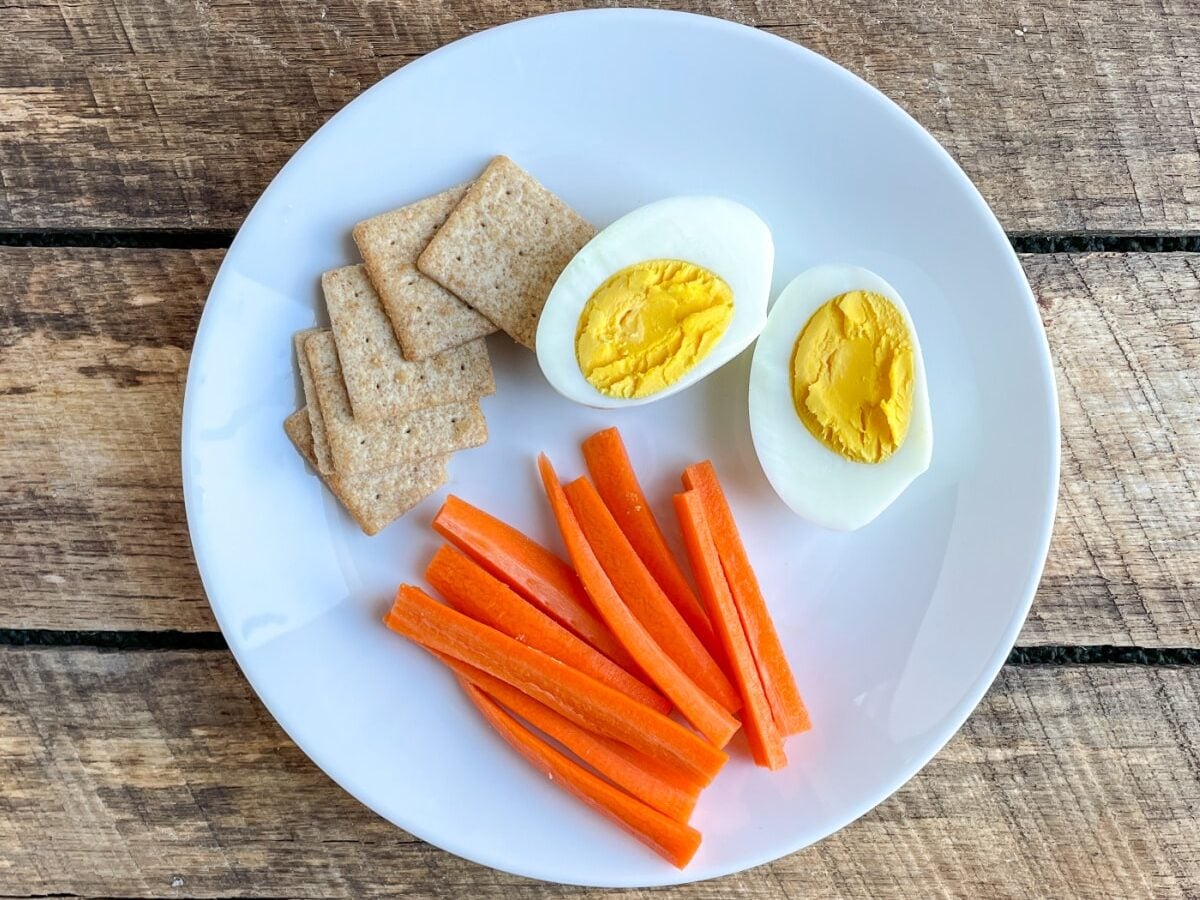
- Hard-boiled eggs (one large egg provides approximately 6 grams of protein).
- String cheese or a small portion of cheddar (averaging 6 to 7 grams).
- A small container of regular yogurt or a half-cup of cottage cheese.
- A handful of mixed nuts or sunflower seeds.
Snacks Containing 10 to 15 Grams of Protein
These options offer a more substantial bridge between lunch and dinner, suitable for active teens:
- Greek yogurt bowls topped with berries and seeds.
- Edamame steamed in the pod (approximately 11 grams per half-cup).
- Tuna or salmon pouches served whole-grain crackers.
- Peanut butter spread on apple slices or whole-grain toast.
High-Protein Snacks Containing 15 to 20 Grams of Protein
Designed for high-energy days or recovery after athletic practices, these snacks provide significant satiation:
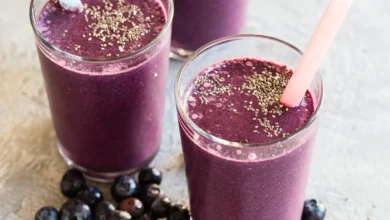
- Smoothie bowls blended with milk, fruit, and a moderate addition of protein powder.
- Cottage cheese paired with fresh fruit and sliced almonds.
- Whole-grain waffles or pancakes fortified with protein-rich ingredients like eggs or Greek yogurt.
High-Protein Snacks Containing 20 to 30 Grams of Protein
These robust options function almost as mini-meals, useful for adolescents engaged in heavy athletic training:
- Turkey and cheese roll-ups using lean deli meats.
- Protein-fortified oatmeal made with dairy milk and nut butter.
- Specialized high-protein yogurt cups paired with seeds or granola.
Expert Insights and Dietary FAQ
Do teen athletes require additional protein?
Sports medicine specialists confirm that adolescent athletes have elevated protein requirements compared to their sedentary peers. Recommendations generally range from 0.8 to 0.9 grams of protein per pound of body weight—translating to roughly 104 to 117 grams daily for a 130-pound athlete. Experts stress that the timing of consumption matters: spreading protein intake evenly across meals and snacks, combined with a carbohydrate source immediately following physical exertion, optimizes muscle recovery and glycogen replenishment.
Does consuming excess protein build additional muscle?
A common misconception among adolescents is that higher protein consumption directly correlates with increased muscle mass. Physiologists clarify that muscle hypertrophy is driven primarily by mechanical tension—specifically strength training and physical conditioning—rather than dietary excess. Protein provides the necessary raw materials for repair, but surplus protein is neither stored as muscle tissue nor excreted without metabolic consequence; instead, it is utilized for energy or converted and stored as body fat. Furthermore, scientific evidence indicates that the human body can utilize a finite amount of protein—approximately 25 to 30 grams—in a single sitting for muscle synthesis.

Is protein powder safe and appropriate for teenagers?
While commercial protein powders offer convenience, nutritionists generally advocate for whole-food sources as the primary nutritional foundation. Many commercial powders contain proprietary herbal blends, heavy metals, or artificial sweeteners that may not be thoroughly tested for pediatric populations. When teenagers choose to use protein powder, health professionals recommend selecting products with minimal ingredient lists, avoiding non-nutritive sweeteners like stevia, and utilizing fractional serving sizes. This approach not only minimizes unnecessary chemical exposure but also proves cost-effective.
Can adolescents consume too much protein?
Excessive protein intake carries potential risks, including dehydration, increased renal workload, and unwanted caloric surplus leading to fat storage. A balanced approach that integrates protein into a diverse diet rich in whole grains, fruits, and vegetables remains the gold standard for adolescent health.
Addressing Non-Meat Diets
Vegetarian and vegan adolescents can readily meet their nutritional targets through careful planning. Plant-based protein sources—including lentils, beans, tofu, tempeh, quinoa, and soy milk—provide robust alternatives to animal products. The key to supporting plant-based teens lies in ensuring regular daily inclusion of these foods to supply all essential amino acids.
Broader Implications and Household Strategies
Stocking a kitchen to support adolescent nutritional needs requires intentional design. Behavior research indicates that food accessibility heavily dictates eating habits among teenagers. When grab-and-go options—such as pre-portioned Greek yogurt, washed fruit, hard-boiled eggs, and single-serve cheeses—are prominently displayed and easily accessible, adolescents are significantly more likely to select nutrient-dense choices over ultra-processed convenience foods. By prioritizing whole-food nutrition and accommodating the natural metabolic demands of growth, parents can effectively fuel their teenagers through one of life’s most physically demanding stages.