The Ultimate Guide to Baking Mini Pumpkin Pies for Thanksgiving and Autumn Gatherings

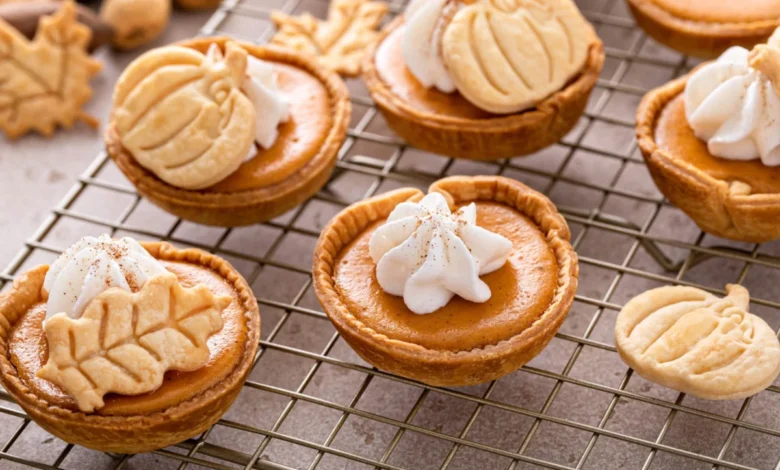
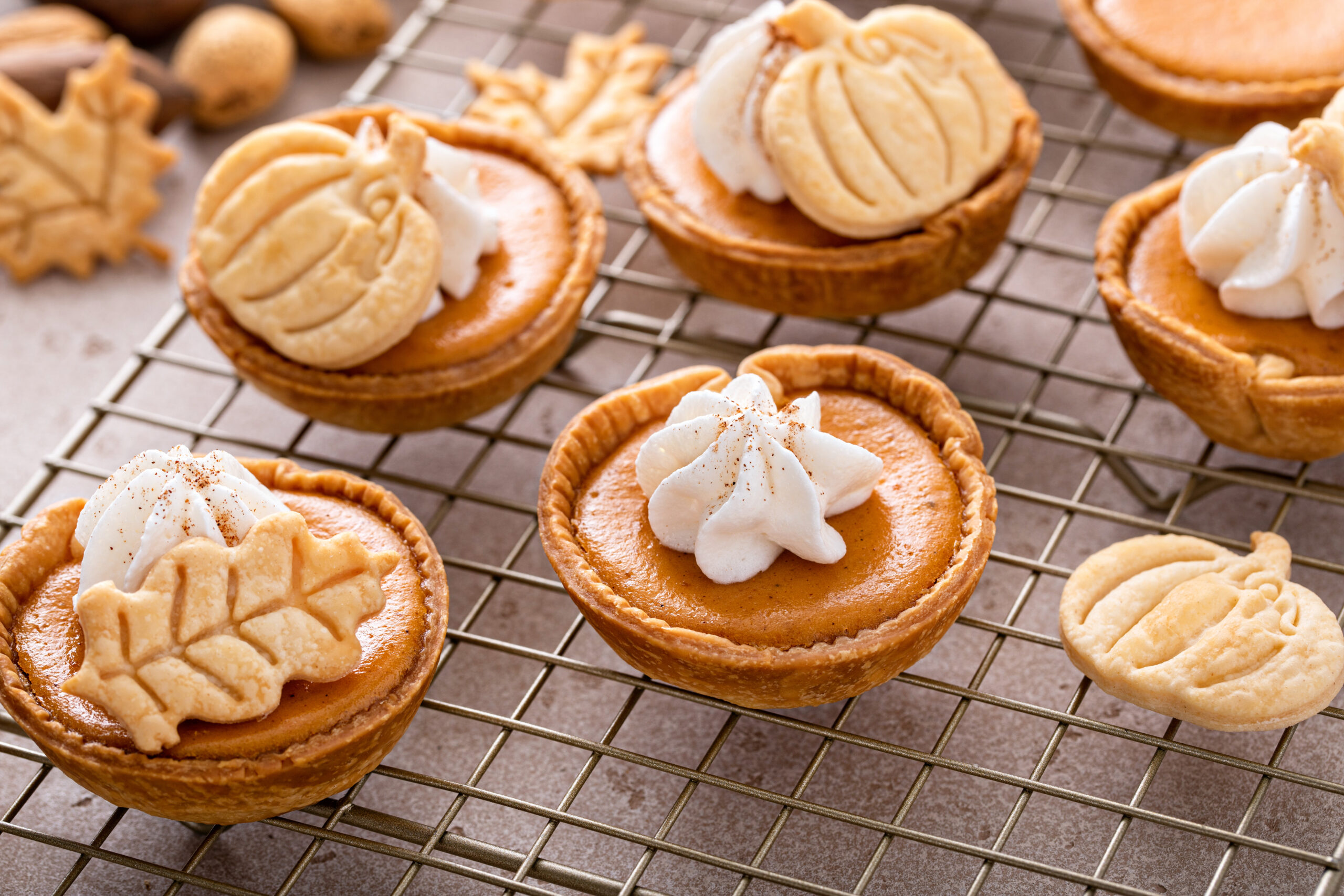
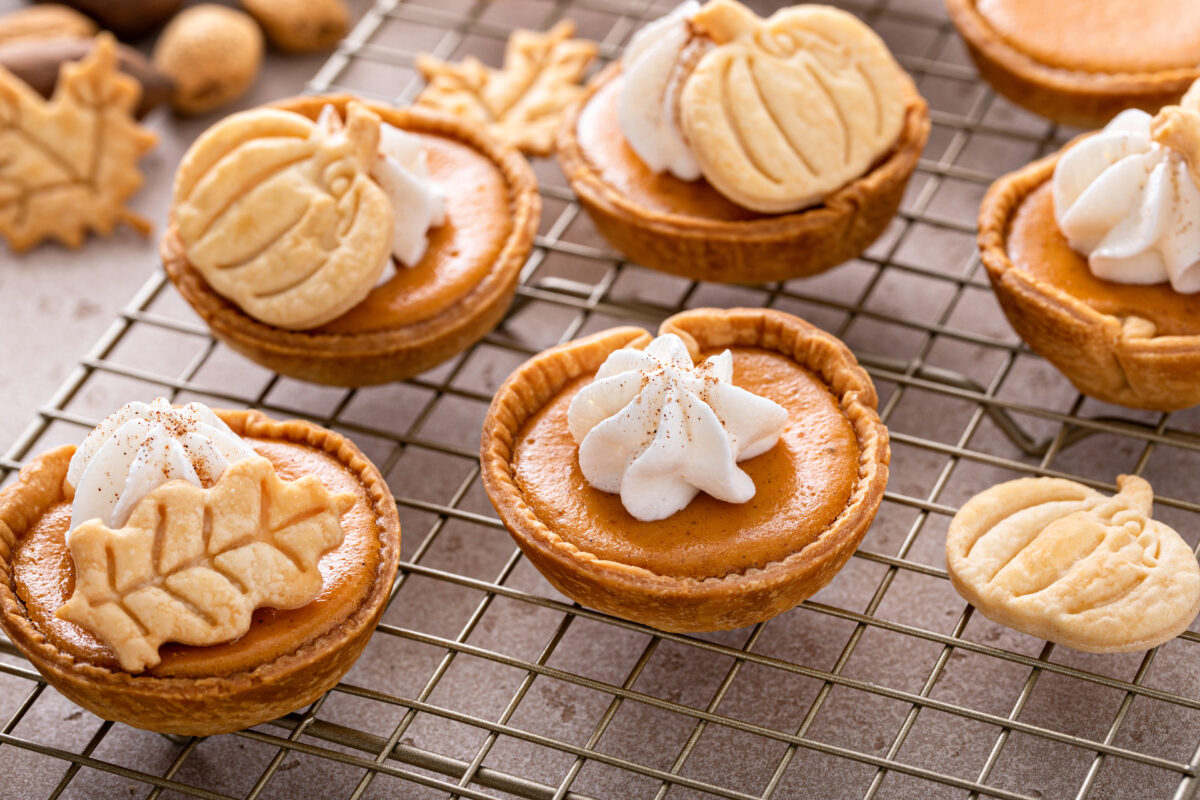
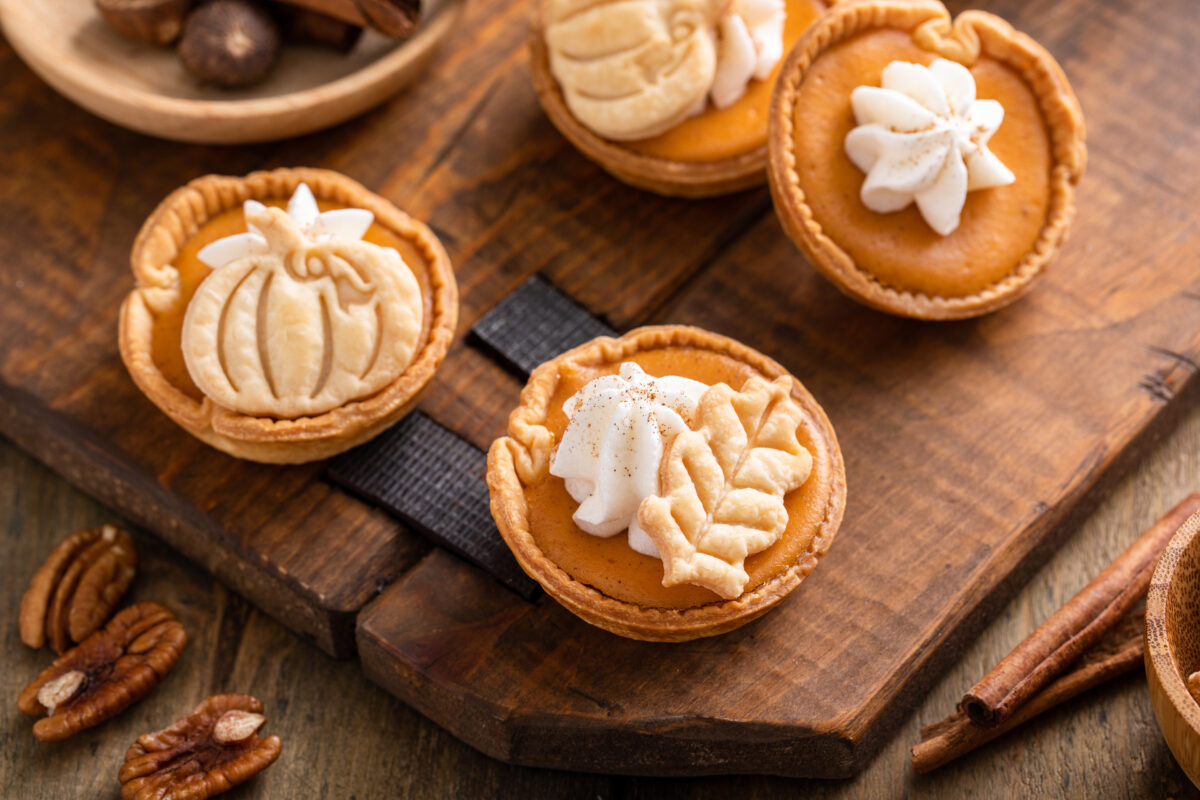
As the autumn season reaches its peak and holiday preparation moves into full swing, home bakers and culinary enthusiasts are increasingly turning toward portion-controlled, bite-sized desserts. Leading the seasonal trend this year are miniature pumpkin pies baked directly in standard muffin tins, offering an efficient and aesthetically pleasing alternative to traditional, full-sized holiday pies. Combining a buttery, flaky pastry shell with a spiced pumpkin custard and a crown of maple-infused whipped cream, these individual servings have quickly become a staple for Thanksgiving hosts seeking to streamline event planning without sacrificing traditional flavors.
The Culinary Evolution of Portion-Controlled Holiday Desserts
The shift toward individually portioned desserts represents a broader evolution in modern entertaining and home baking. Historically, traditional holiday spreads relied on large, communal dishes that required slicing and plating at the conclusion of a heavy meal. In recent years, however, culinary trends have favored formats that offer enhanced convenience, standardized portion control, and reduced food waste.
Miniature pies baked in muffin tins eliminate the logistical challenges often associated with traditional pastry presentation. Bakers no longer need to navigate the delicate process of transferring fragile slices from a standard pie pan to individual plates. Furthermore, individualized treats naturally accommodate diverse guest schedules during open-house gatherings, cocktail-style parties, and multi-family holiday dinners, allowing guests to consume dessert at their convenience.
Nutritional and Economic Implications of Mini Pastries
From a nutritional and economic standpoint, the adaptation of classic recipes into scaled-down versions yields distinct advantages. Standardizing dessert portions into 12-cup muffin configurations allows hosts to accurately calculate calorie counts, sugar content, and ingredient expenditures prior to the event. According to culinary economists, baking bite-sized items also significantly reduces food waste, as guests are less likely to leave partially consumed portions on dinner plates compared to standard, variable-sized pie slices.
The utilization of pure pumpkin puree—rather than pre-mixed commercial fillings—further aligns with consumer demands for transparent, wholesome ingredients. Culinary data indicates a consistent rise in scratch-baking during the fourth-quarter holiday season, driven by consumer preference for customizable sweetness levels and natural spices such as cinnamon, nutmeg, and ginger.
Comprehensive Preparation and Chronological Execution
Successfully executing a batch of mini pumpkin pies requires a structured timeline that balances structural integrity with visual presentation. Professional bakers recommend a multi-phase approach to ensure optimal texture and flavor development.
Phase one involves the preparation of the pastry crust. Utilizing a standard 12-cup muffin tin, bakers roll out pie dough and utilize a 4-inch circular cutter to produce twelve uniform rounds. Each round is gently pressed into the base and sides of the greased muffin cavities. Preheating the oven to 375°F establishes the correct thermal environment for setting the pastry.
Phase two centers on the custard filling. A balanced ratio of pure pumpkin puree, maple syrup, whole eggs, milk, and standard autumn spices is whisked until completely emulsified. Pouring the mixture three-quarters full into the unbaked crusts prevents overflow during the thermal expansion that occurs in the baking cycle.
Phase three incorporates a strategic timeline for decorative elements. Rather than baking delicate pastry cutouts directly on top of the liquid custard—which can compromise their structural definition—bakers prepare separate autumn-themed cutouts (such as leaves, acorns, and pumpkins) from leftover dough. These shapes are brushed with an egg or milk wash and baked on a separate parchment-lined sheet for eight to twelve minutes.
The primary baking cycle for the mini pies typically spans 25 to 30 minutes, marked by a lightly golden crust and a set periphery with a slight central jiggle. Allowing the pies to cool completely in the muffin tin facilitates safe extraction, as the pumpkin custard continues to firm up during the cooling process.
Storage, Make-Ahead Strategies, and Scalability
One of the primary logistical benefits cited by holiday hosts is the advanced preparation window offered by miniature baked goods. Fully baked mini pumpkin pies can be stored in airtight containers within refrigeration units for three to four days. For long-term planning, the unfrosted pies can be frozen for up to two months when properly separated by parchment paper.
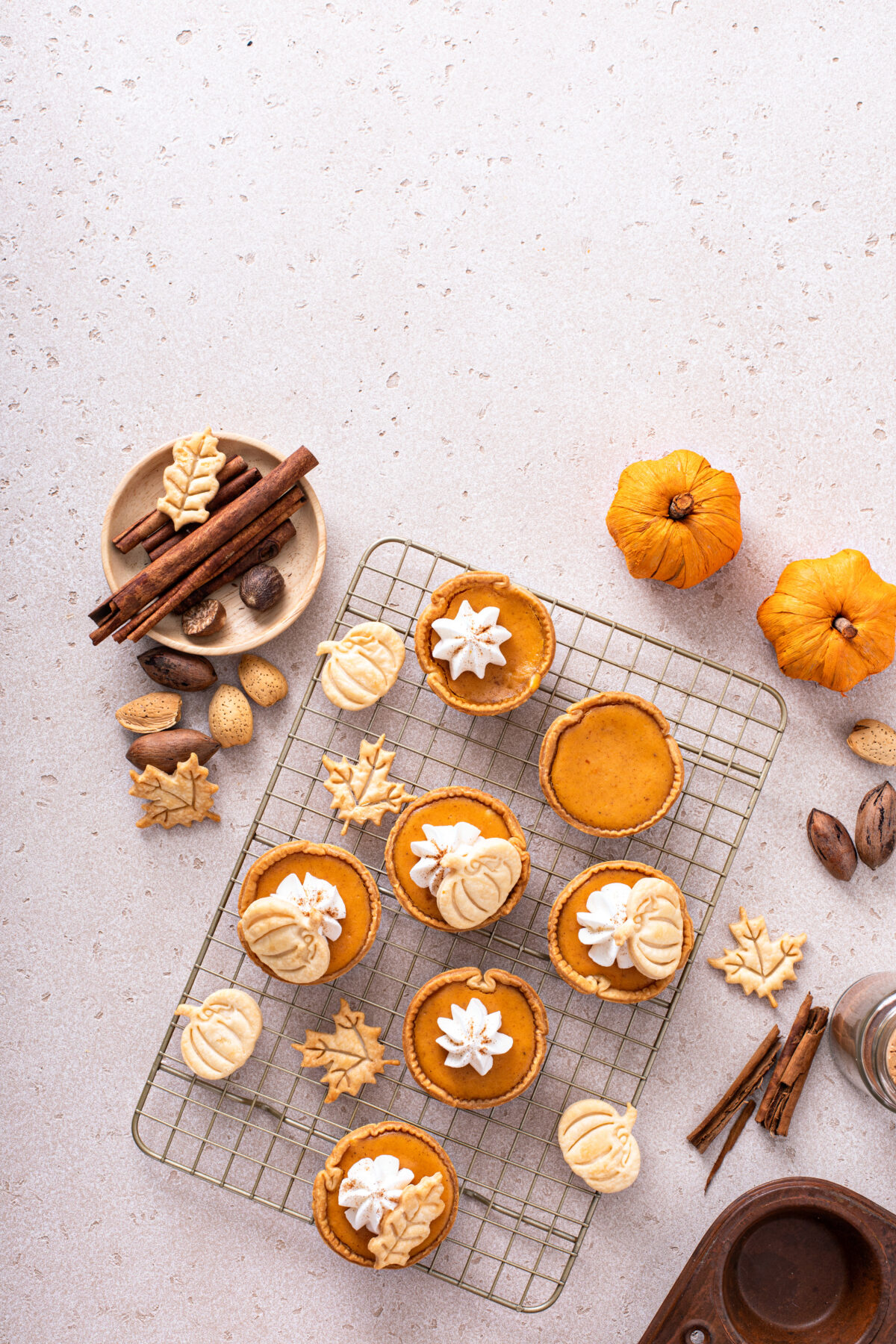
Culinary experts recommend keeping perishable elements—such as the maple whipped cream and the baked pastry decorations—separate until the final moments before service. This methodology preserves the crispness of the crust decorations and prevents the whipped cream from losing structural integrity.
Industry Perspectives and Expert Insights
Food historians and professional pastry chefs note that the resurgence of miniaturized comfort foods reflects a cultural nostalgia paired with practical utility.
"When hosting large groups, the friction points are always found in service and presentation," explains a consulting pastry chef based in Chicago. "By transforming a complex, high-stakes centerpiece like a 9-inch pumpkin pie into twelve self-contained units, the host removes the physical labor of plating while retaining the nostalgic comfort associated with the holiday."
Furthermore, family-oriented culinary programs frequently advocate for mini-pie preparation as an effective method for introducing children to basic baking techniques. The manageable scale of muffin-tin baking allows younger participants to safely engage in rolling dough, utilizing cookie cutters, and piping whipped cream.
Broader Impact on Holiday Entertaining Traditions
As consumer habits continue to prioritize efficiency, visual appeal, and dietary adaptability, traditional recipes will likely undergo further structural reinterpretations. The mini pumpkin pie serves as a prime example of how classical flavor profiles can be successfully migrated into modern formats without compromising culinary integrity.
Whether integrated into formal Thanksgiving banquets or casual neighborhood open houses, the individual pie format bridges the gap between artisanal baking standards and the demands of contemporary event hosting. By balancing make-ahead convenience with sophisticated presentation, these bite-sized seasonal treats underscore the ongoing modernization of holiday culinary traditions.