Mastering the Morning Rush: Why Chicken and Kale High Protein Egg Cups are Transforming Family Breakfasts

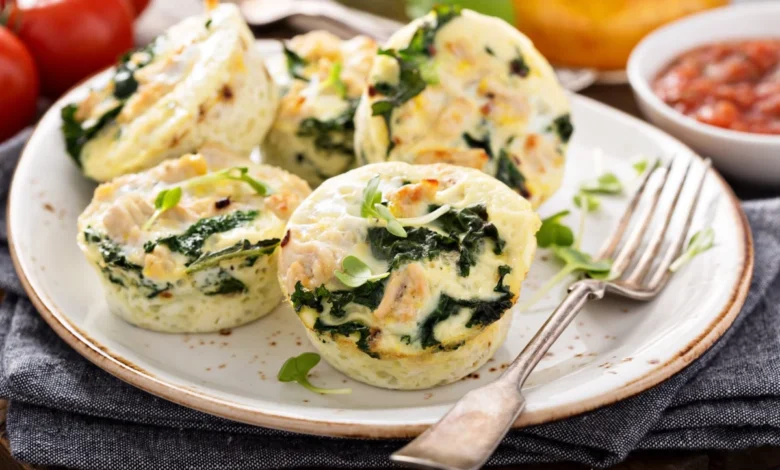
Morning routines have long been defined by a universal struggle: finding the time to prepare a nutritious, filling breakfast for the entire family before racing out the door for school and work. For decades, rushed mornings often translated to nutrient-deficient choices, ranging from sugary cereals to skipping the first meal of the day entirely. In response to shifting nutritional guidelines and the growing demand for convenient meal-prepping solutions, culinary experts and family nutritionists have increasingly championed portable, high-protein breakfast items. Among the frontrunners in this domestic culinary trend are the newly popularized Chicken and Kale High Protein Egg Cups, a versatile, muffin-pan-baked breakfast option designed to bridge the gap between nutritional density and everyday convenience.
The Evolution of the Grab-and-Go Morning Meal
The conceptual shift toward structured breakfast meal-prepping accelerated over the past decade as public health officials placed renewed emphasis on morning protein consumption. Nutrition science increasingly indicates that consuming a
protein-rich breakfast helps stabilize blood sugar levels, curbs mid-morning hunger spikes, and enhances cognitive focus in both children and adults. However, traditional protein-heavy breakfasts—such as steak and eggs, or elaborate omelets—are entirely incompatible with the fast-paced realities of modern households during the workweek.
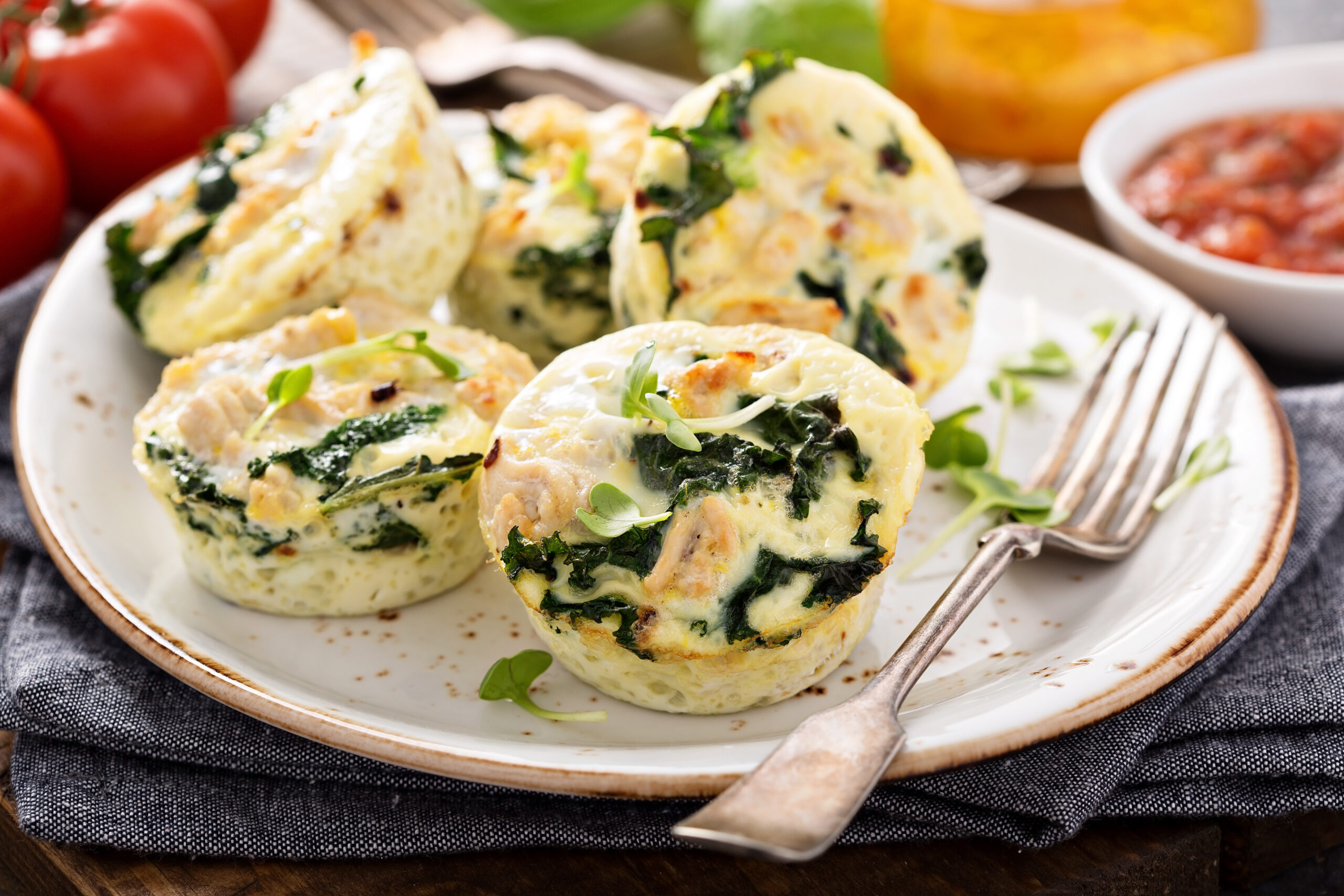
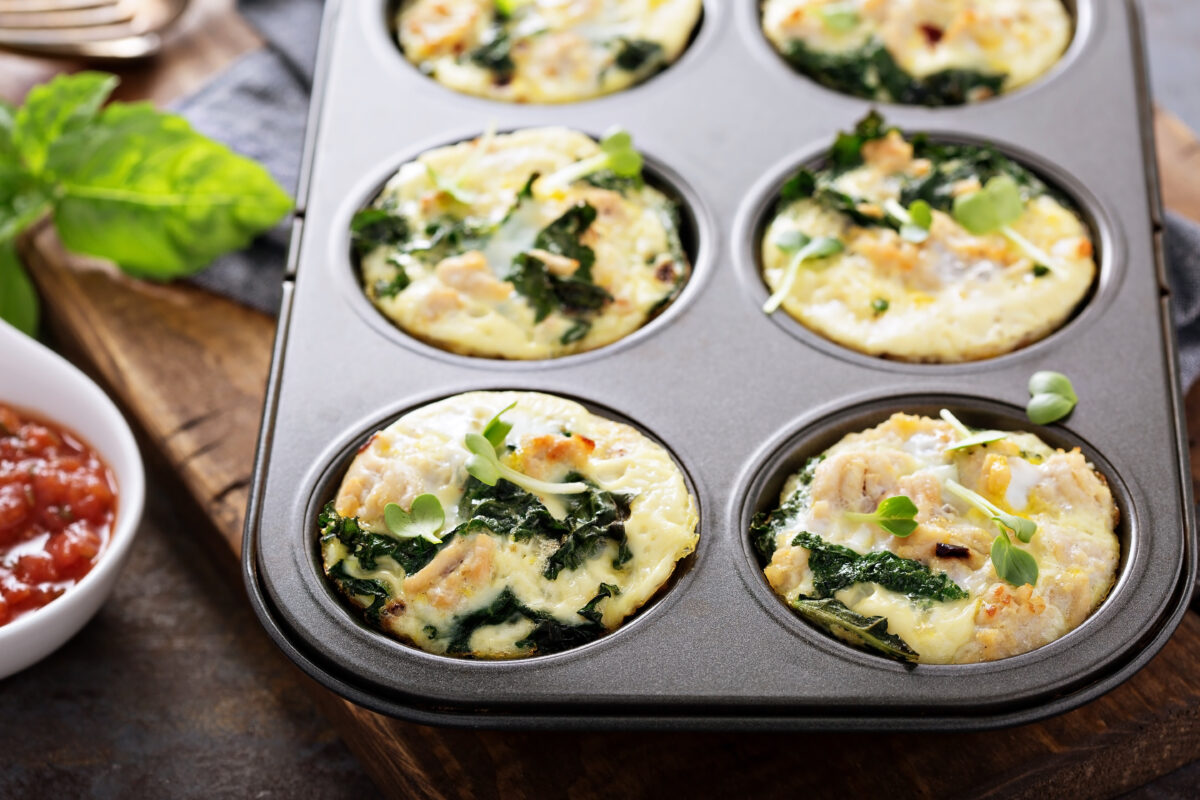
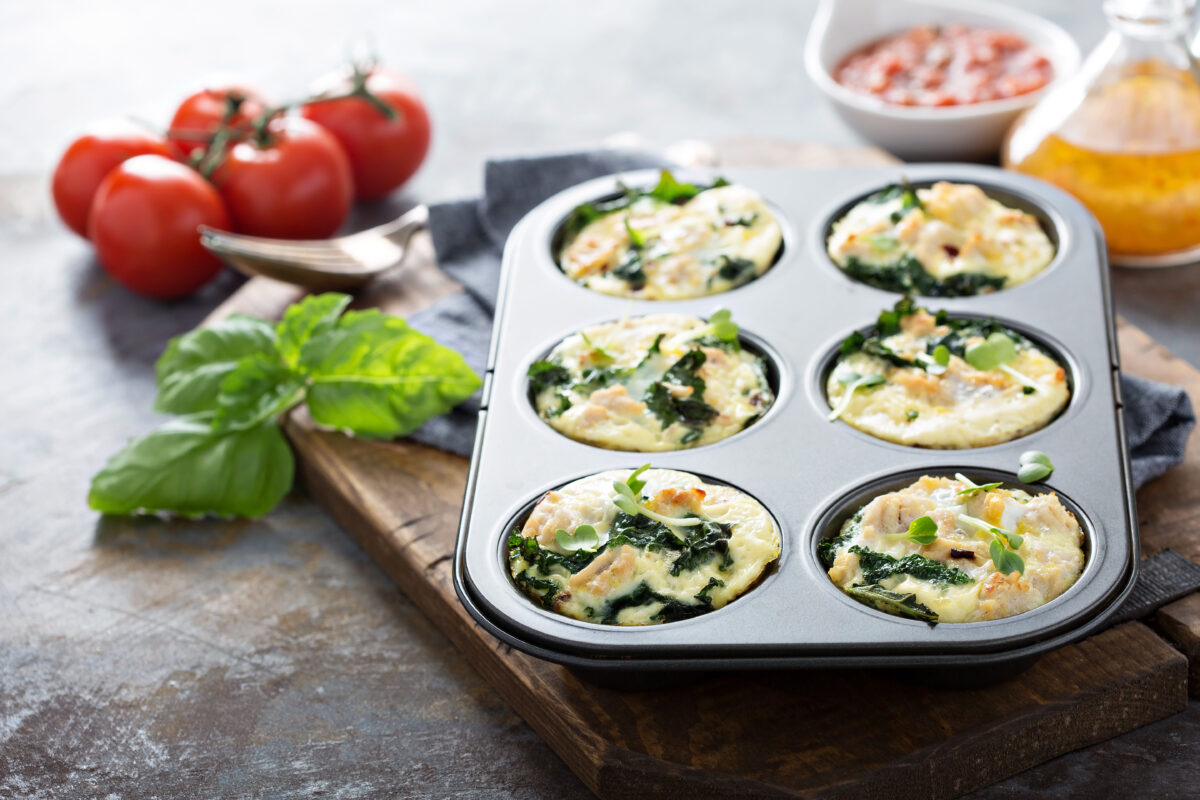
To solve this logistical hurdle, home cooks and meal-prep specialists began experimenting with batch-cooking techniques utilizing standard kitchen equipment. The muffin tin emerged as an invaluable tool, allowing for the simultaneous creation of individual, perfectly portioned servings. The newly highlighted Chicken and Kale High Protein Egg Cups represent an evolution of this trend, strategically combining whole eggs, liquid egg whites, and cottage cheese with lean chicken and antioxidant-rich leafy greens.
Nutritional Innovation: The Science of Blended Cottage Cheese
What sets these modern egg cups apart from traditional scrambled eggs or quiches is an innovative culinary technique: blending cottage cheese directly into the egg base. Historically, cottage cheese was utilized in baking primarily for its moisture content, but its distinct curd texture often deterred younger eaters. By pureeing the cottage cheese with whole eggs and egg whites prior to baking, home cooks achieve a velvety, custard-like texture that completely conceals the curds while dramatically amplifying the protein profile.
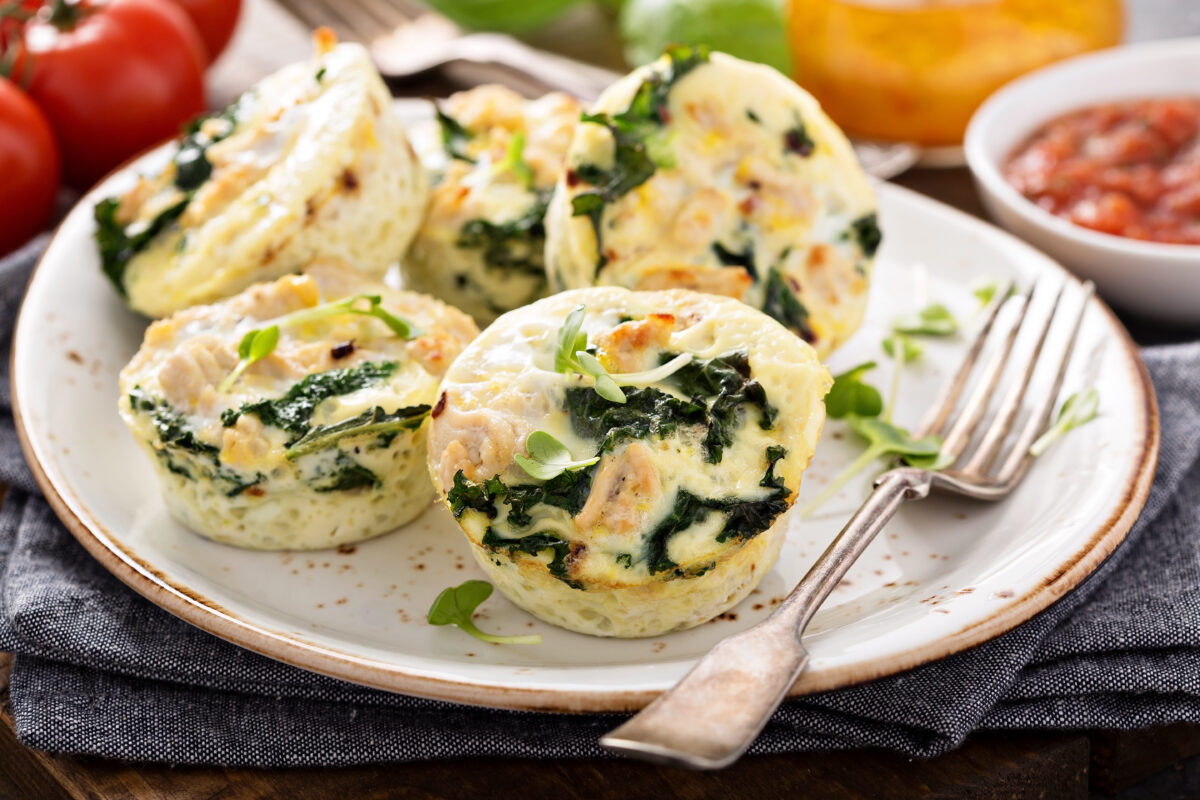
From a nutritional standpoint, this formulation delivers a formidable macronutrient balance. Whole eggs provide essential amino acids, healthy fats, and choline, while egg whites contribute lean protein without excess cholesterol. The integration of cottage cheese further elevates the protein content, ensuring that each individual cup serves as a substantial source of sustained energy. Furthermore, the inclusion of lean poultry—such as leftover rotisserie, grilled, or roasted chicken—transforms a simple breakfast side into a complete, muscle-nourishing meal.
Culinary Preparation and the Art of Moisture Control
Executing a successful batch of high-protein egg cups requires careful attention to culinary science, particularly regarding moisture management. Vegetables like fresh kale and spinach possess high water content, which, if introduced improperly, can release excess liquid during the baking process and result in a watery or spongy texture.
To counteract this, culinary guidelines advise a brief pre-sautéing of fresh greens to evaporate surplus moisture before the ingredients are folded into the muffin tin. Alternatively, when utilizing frozen kale or spinach, thorough thawing followed by manual squeezing in a clean towel is critical.
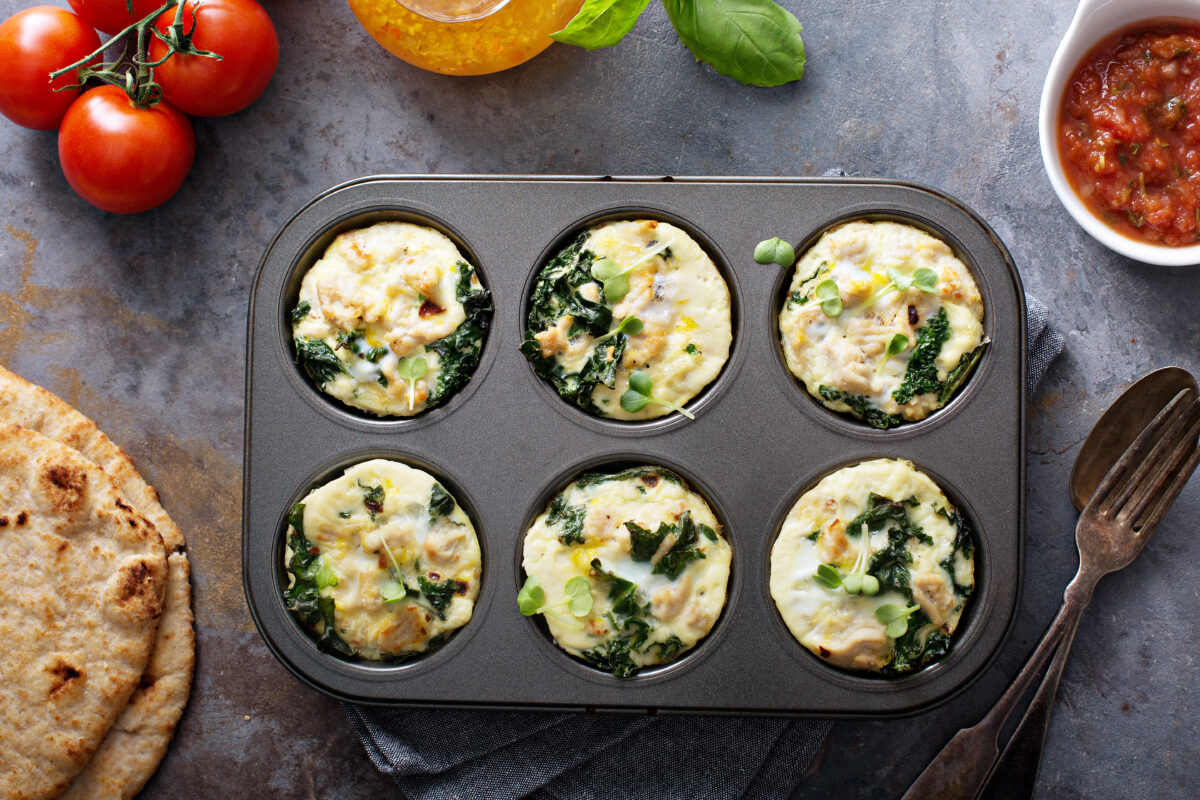
Additionally, chefs emphasize the importance of preparation mechanics to guarantee optimal results. Metal muffin pans must be greased generously with nonstick cooking spray or lined with reusable silicone baking cups, as standard paper cupcake liners tend to bond tenaciously to baked eggs. Filling each compartment approximately three-quarters full allows the eggs to expand naturally as they bake without spilling over the edges of the pan. A brief resting period of five minutes post-bake allows the internal proteins to set firmly, ensuring the cups can be removed cleanly without structural failure.
Customization and Dietary Adaptability
One of the primary drivers behind the widespread adoption of muffin-tin egg cups is their extraordinary adaptability. While the core recipe centers on chicken, kale, and cheddar cheese, the formulation serves as a blank canvas for dietary preferences and refrigerator clean-outs.
Culinary flexibility is a hallmark of the recipe’s enduring appeal. Families managing specific dietary restrictions can easily substitute ingredients. For instance, turkey breast or crumbled turkey sausage can replace chicken, while spinach, broccoli florets, diced bell peppers, or sautéed mushrooms can easily substitute for kale. Cheese selections are similarly elastic; sharp cheddar can be swapped for mozzarella, Monterey Jack, Swiss, feta, or pepper Jack depending on regional palates or flavor profiles. For households seeking a spicy kick, the addition of diced green chiles, jalapeños, or a dash of hot sauce provides immediate flavor elevation without compromising nutritional integrity.
Storage Logistics, Freezing, and Food Safety
The true utility of the Chicken and Kale High Protein Egg Cups lies in their longevity and adaptability to meal-prep schedules. Once baked and allowed to cool completely, the individual portions can be transferred to airtight containers and refrigerated safely for up to four days. Food safety experts recommend placing a folded paper towel at the bottom of the storage container—and another across the top of the egg cups—to absorb any residual condensation and prevent the texture from becoming soggy.
For long-term meal planning, the egg cups exhibit exceptional freeze-ability, maintaining their structural integrity and flavor profile for up to two months. To prevent the individual portions from freezing into a solid block, cooks employ a flash-freezing technique: placing the cooled cups in a single layer on a baking sheet until firm, subsequently transferring them to a freezer-safe bag or container. Reheating is equally streamlined, requiring only a brief interval in a microwave at reduced power or a short stint in a toaster oven, making a hot, protein-packed breakfast accessible in under a minute.
Broader Socioeconomic and Health Implications
The growing reliance on structured breakfast meal-prep reflects a broader cultural shift toward proactive health management and time optimization in contemporary households. As families navigate increasingly demanding schedules, the intersection of convenience and nutrition has become a primary battleground for public health advocates combating poor dietary habits.
Nutritional analysts point out that readily available, nutrient-dense breakfast options directly combat the morning cognitive slump often experienced by school-aged children and working adults alike. By establishing stable blood sugar patterns early in the day, high-protein meals contribute to sustained concentration, improved metabolic function, and reduced dependence on high-glycemic, processed convenience foods. Furthermore, the emphasis on utilizing leftover poultry and seasonal greens aligns with modern sustainability efforts aimed at minimizing household food waste.
Ultimately, the popularity of recipes like the Chicken and Kale High Protein Egg Cups underscores a permanent transformation in domestic routines. By merging scientific understanding of macronutrients with practical, scalable kitchen techniques, home cooks are successfully redefining the most important meal of the day—proving that nutritious eating and modern time constraints are not mutually exclusive.