Building a Diverse Classroom Library: The Essential Role of Black History Month Books in Early Childhood Education

Early childhood educators across the United States are increasingly recognizing that the foundation of cultural empathy, global awareness, and inclusive citizenship begins long before elementary school. In classrooms ranging from bustling metropolitan centers to remote rural communities, the intentional curation of literature featuring Black Americans is proving to be a critical pedagogical tool. By introducing diverse perspectives to preschoolers, educators are helping young learners process the vast diversity of human experiences, fostering a classroom culture rooted in mutual respect, belonging, and shared history.

The imperative for diverse representation in early childhood education stems from both developmental psychology and modern sociological research. Educational experts note that children begin noticing and categorizing racial differences as early as infancy and toddlerhood. Without intentional exposure to multicultural literature, children risk forming insular worldviews, while minority children may experience feelings of invisibility.

According to child development data compiled by organizations such as the National Association for the Education of Young Children (NAEYC), a library that mirrors the rich tapestry of society validates every student’s identity. When young children encounter characters who share their racial background, cultural heritage, or physical appearance, it reinforces a fundamental sense of self-worth and matters of personal significance. Conversely, when literature exposes children to lives different from their own, it builds foundational bridges of curiosity, cognitive flexibility, and cross-cultural empathy.

Chronological Integration: From Historical Milestones to Everyday Joy
A comprehensive approach to Black History Month in preschool environments requires a balanced literary diet. Educators and curriculum specialists advocate for a dual-pronged methodology that pairs historical nonfiction with contemporary fiction. This ensures that children do not merely associate Black history exclusively with struggle, trauma, or civil rights milestones, but also recognize Black joy, creativity, family dynamics, and everyday triumphs as vital components of the American experience.

Historical Nonfiction: Introducing Courage, Perseverance, and Big Dreams
Nonfiction picture books designed for early learners translate complex historical movements into accessible, age-appropriate concepts such as fairness, bravery, and community action. Rather than focusing on heavy political structures, these texts utilize relatable human narratives to engage young minds.

Prominent titles utilized in modern preschool curricula include Brittney Cooper’s Stand Up!, which profiles ten historical and contemporary figures—ranging from foundational civil rights icons like Ruby Bridges and Rosa Parks to modern activists like Bree Newsome. These narratives teach preschoolers the profound impact of using one’s voice to advocate for justice.

Similarly, Roda Ahmed’s Mae Among the Stars chronicles the childhood of Mae Jemison, inspiring young learners to reach for extraordinary goals by pursuing careers in science and space exploration. The narrative emphasizes family support, steadfast perseverance, and the importance of defying systemic barriers.

In Monica Clark-Robinson’s Let the Children March, young readers are introduced to the poignant 1963 Birmingham Children’s Crusade, where thousands of children peacefully protested segregation laws. The book offers a gentle framework for discussing how collective action, courage, and youthful determination can reshape society.

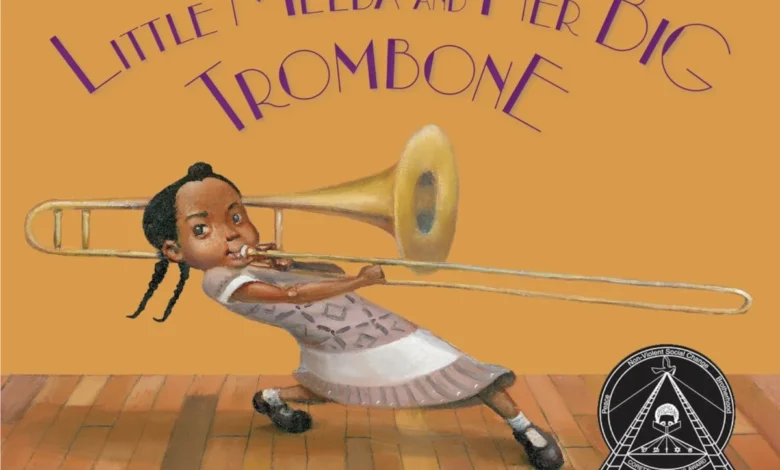
Other historical narratives, such as Katheryn Russell-Brown’s Little Melba and Her Big Trombone and Rita Lorraine Hubbard’s The Oldest Student (illustrated by Oge Mora), expand historical literacy into the realms of music and lifelong learning. The latter tells the remarkable true story of Mary Walker, who learned to read at the age of 116, bridging the Civil War era to the Civil Rights Movement and demonstrating that personal growth has no expiration date.

Contemporary Fiction: Celebrating Representation and Daily Life
Balancing historical accounts with contemporary fiction is equally essential for holistic child development. Contemporary narratives focus on the universal joys, challenges, and emotional landscapes of childhood, anchored by Black protagonists and families.

Vashti Harrison’s award-winning book Big explores self-acceptance and the emotional weight of taking up space in a world that often imposes narrow physical definitions on children. Kaija Langley’s When Langston Dances follows a young boy discovering a passion for ballet after attending a performance by the Alvin Ailey American Dance Theater, challenging rigid gender and cultural expectations.

Poetic and celebratory texts such as Angela Joy’s Black is a Rainbow Color and Nancy Johnson James’s Brown: The Many Shades of Love weave cultural pride, heritage, and familial warmth into rhythmic language. Meanwhile, Matthew A. Cherry’s Hair Love highlights paternal bonding, natural hair pride, and family teamwork through an engaging, humorous narrative.

Additional staples of inclusive preschool libraries include Matt de la Peña’s Last Stop on Market Street and Milo Imagines the World, which foster urban awareness, intergenerational bonding, and critical thinking regarding preconceived assumptions. Oge Mora’s Saturday addresses the resilience required when weekend plans go awry, and Grace Byers’s I Am Enough offers daily affirmations of self-worth that resonate across all cultural lines.

Furthermore, titles like Ruth Forman’s Like So, Parker Curry’s Parker Looks Up, and Lupita Nyong’o’s Sulwe directly address topics ranging from familial affection and inspiration to navigating colorism, ensuring children possess the emotional vocabulary to appreciate diverse human complexities.

Implications for Classroom Communities and Broader Educational Policy
The integration of Black History Month literature into preschool curricula carries significant implications for long-term social cohesion and academic engagement. Educational analysts point out that early exposure to diverse literature correlates positively with reduced racial bias, improved literacy rates, and enhanced social-emotional competencies among young learners.

As school districts nationwide navigate evolving guidelines regarding diversity, equity, and inclusion, early childhood educators maintain that literature serves as an irreplaceable window and mirror. By introducing children to both the historical architects of civil rights and the simple, joyful realities of contemporary Black families, educators lay the groundwork for a more inclusive, empathetic, and historically literate generation.

Ultimately, experts emphasize that the incorporation of these texts should not be confined strictly to the twenty-eight days of February. While Black History Month provides an intentional focal point, the systematic inclusion of these books year-round reinforces the reality that Black history is American history, and that diverse representation is an essential pillar of a comprehensive, high-quality education.