The Art and Tradition of Baking Homemade Challah Bread: History, Techniques, and Cultural Significance

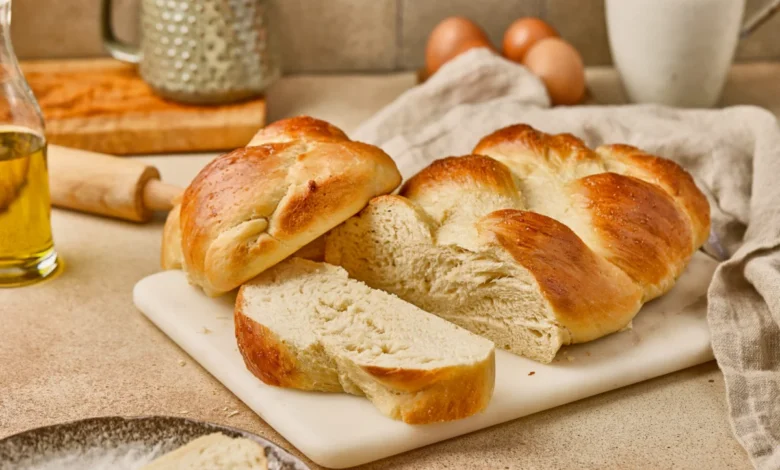
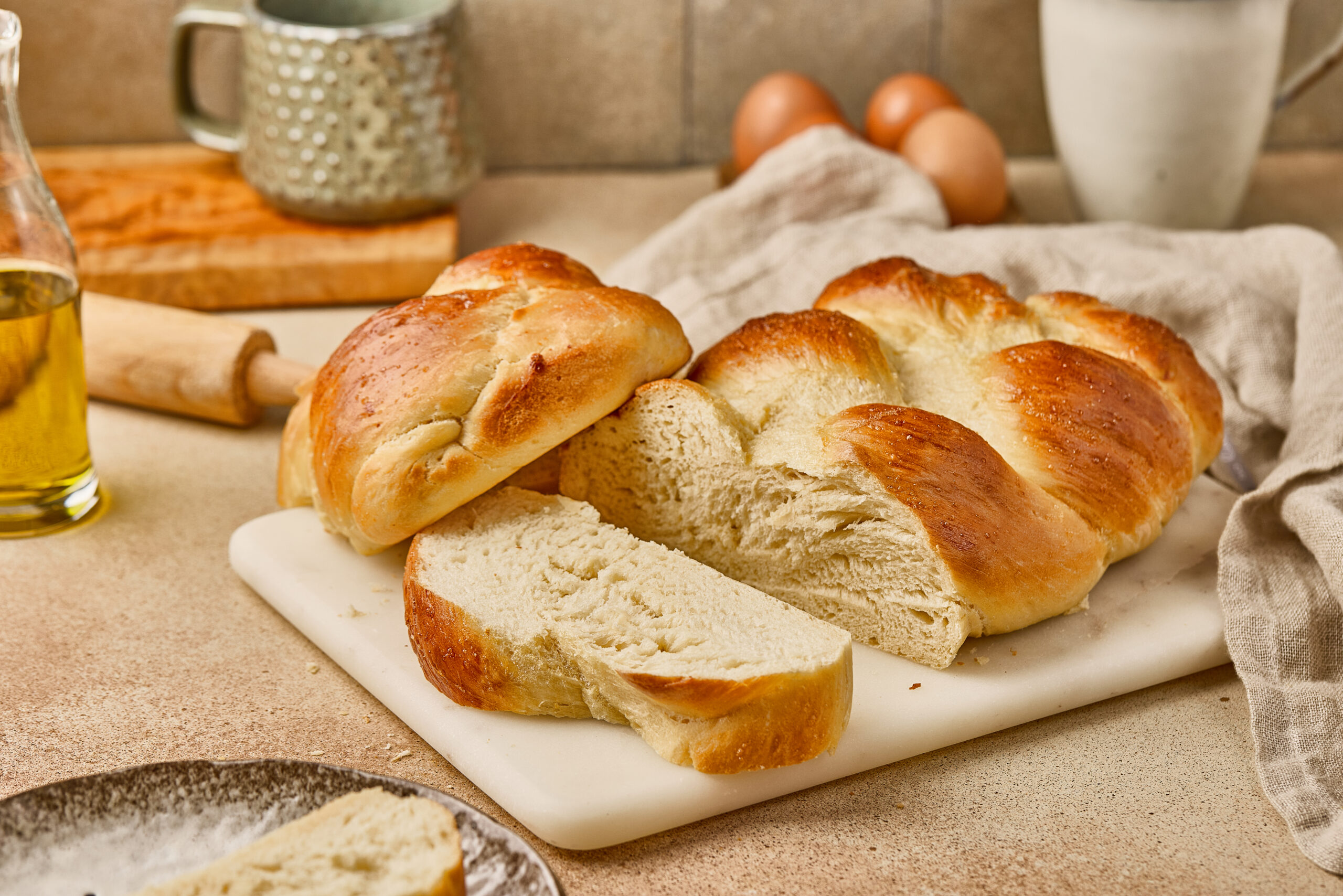
The culinary world has witnessed a sustained surge in home-baking initiatives over the past decade, with traditional artisanal bread leading the cultural revival. Among these, homemade challah—a culturally and historically rich Jewish bread traditionally reserved for Shabbat and holiday celebrations—has emerged as a favorite for both novice and experienced bakers. Distinguished by its soft, lightly sweet crumb, glossy golden crust, and intricate braided design, making challah at home offers a rewarding kitchen project that bridges ancient culinary traditions with modern family engagement.
Historical Background and Cultural Significance
Challah holds a central place in Jewish culinary heritage and religious tradition. Historically, the word "challah" originally referred to the portion of dough separated and set aside as a tithe for the priests (Kohanim) in the ancient Temple in Jerusalem, a practice commanded in the Torah. Over centuries, the term evolved to specifically describe the enriched, braided loaves baked for the Jewish Sabbath (Shabbat) and major festivals, excluding Passover.
The classic braided shape of challah is rich with symbolism. Traditional Friday night tables feature two loaves of challah, commemorating the double portion of manna that God provided to the Israelites in the desert during their Exodus from Egypt. The braided strands themselves are frequently interpreted to symbolize love, truth, and peace. While three-strand braids are common for weekly observances, bakers often craft more complex designs—such as round loaves for Rosh Hashanah (the Jewish New Year) to symbolize continuity and the cyclical nature of the year—showcasing the bread’s versatility and deep-rooted symbolism.
Nutritional Profile and Modern Dietary Trends
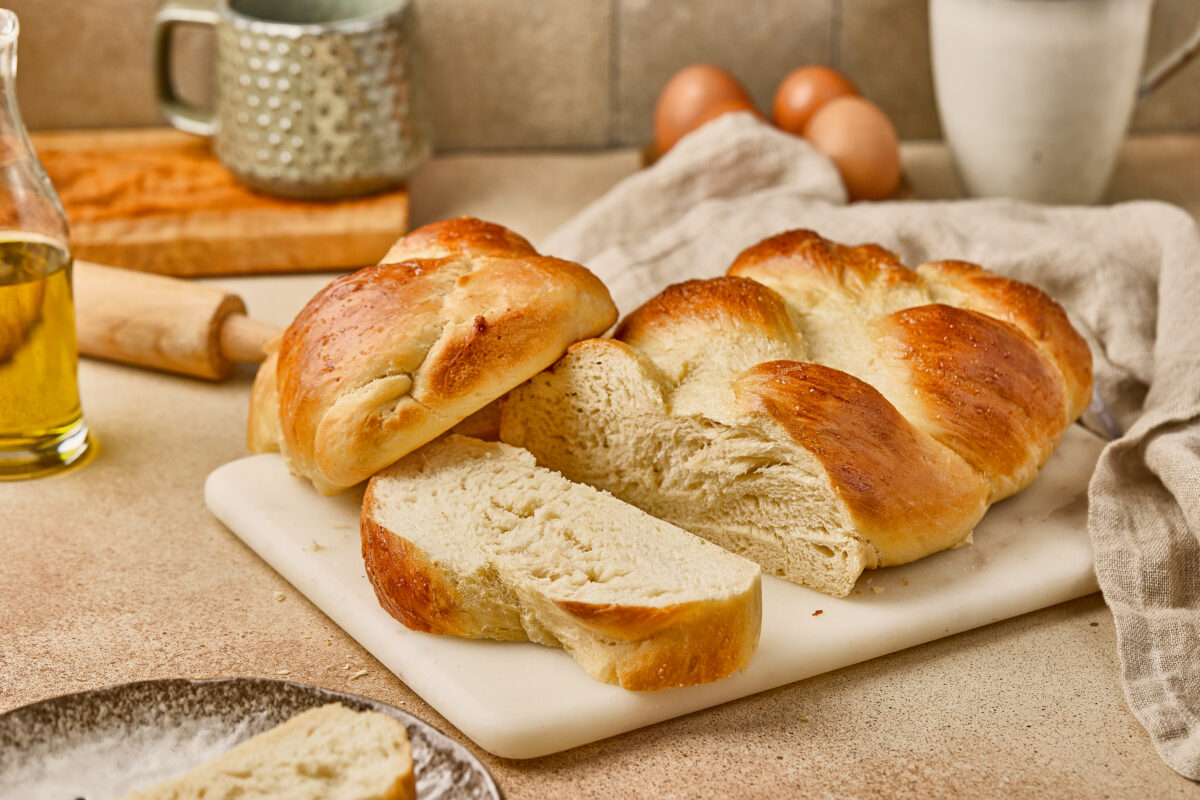
From a nutritional perspective, traditional challah is an enriched yeast bread. Unlike standard rustic loaves made merely from flour, water, yeast, and salt, challah incorporates eggs, oil or melted butter, and a sweetener such as honey or sugar. The inclusion of eggs provides structure, protein, and the characteristic golden hue of the crumb, while oil ensures a tender, moist texture.
Dietary data from culinary research institutions indicate that a standard serving of challah provides a balanced mix of carbohydrates and protein, making it an energizing component of family meals. Because it can be easily adapted to accommodate various dietary preferences—such as substituting standard flour with whole-grain alternatives or using plant-based oils—it fits comfortably into modern nutritional frameworks that emphasize mindful, home-prepared foods.
Chronology and Baking Process: From Prep to Table
Successfully baking a loaf of homemade challah requires patience and precision, unfolding over a structured timeline of approximately two hours and forty minutes.
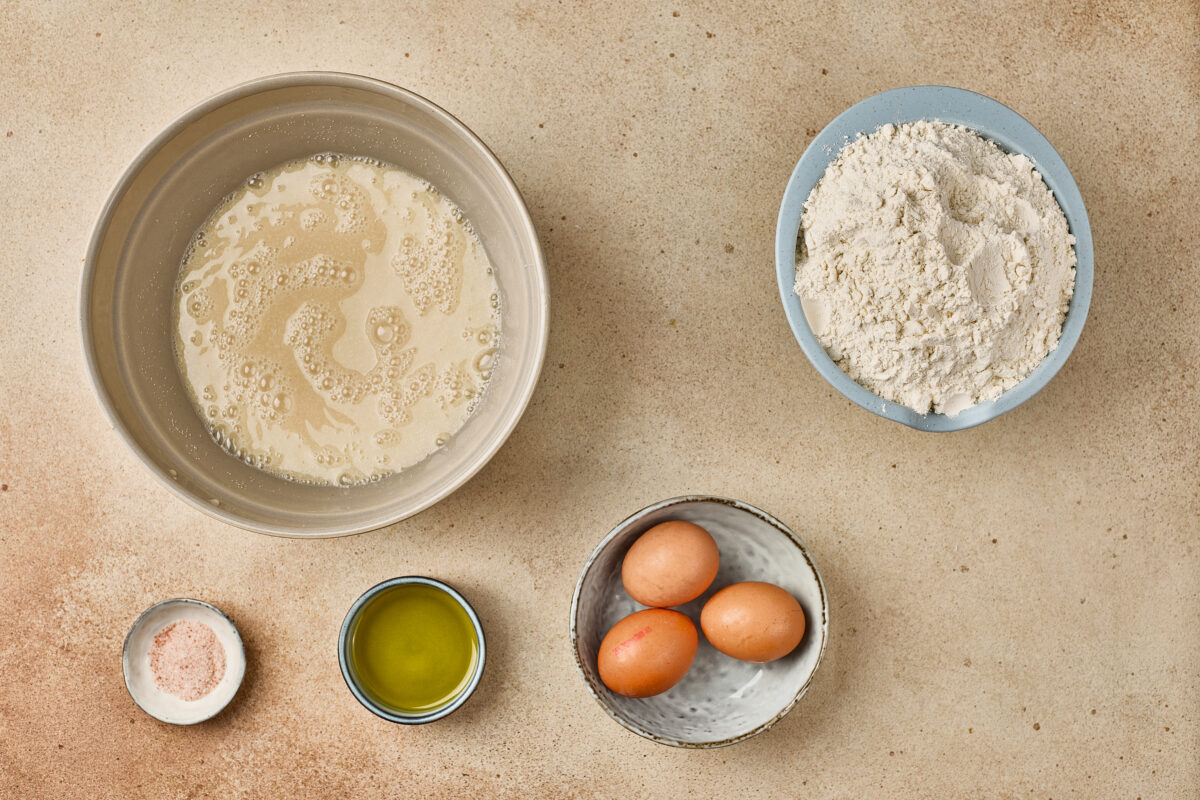
- Preparation and Mixing (25 Minutes): The process begins with activating the yeast in warm water with a touch of sweetener. Bakers then incorporate flour, eggs, oil, and salt to form a cohesive dough. Kneading is critical; it develops the gluten network necessary to support the structure of the loaf during rising and baking.
- The First Rise (approx. 1 to 1.5 Hours): The dough is placed in a greased bowl, covered, and left in a warm environment to ferment and double in size. This slow microbial action by the yeast creates the airy, soft crumb characteristic of quality challah.
- Dividing and Braiding (15 Minutes): Once risen, the dough is punched down and divided into equal portions—typically three or six strands. Bakers roll these portions into smooth ropes. The braiding technique mirrors simple hair-braiding patterns: crossing the outside strands alternately over the middle strand. This step is frequently highlighted as an ideal family activity, allowing children to participate directly in the culinary arts.
- The Second Rise and Glazing (30 to 45 Minutes): After braiding, the loaf undergoes a second, shorter proof on a baking sheet. Just before entering the oven, the dough is brushed with an egg wash (often an egg white or whole egg mixture) to achieve the signature glossy, golden-brown crust.
- Baking (30 Minutes): The loaf is baked at a moderate temperature until the internal structure is fully set and the crust achieves a deep golden sheen. A traditional test for doneness involves tapping the underside of the loaf to listen for a hollow sound.
Expert Techniques for the Perfect Loaf
Culinary professionals and experienced home bakers emphasize several technical guidelines to ensure consistent results:
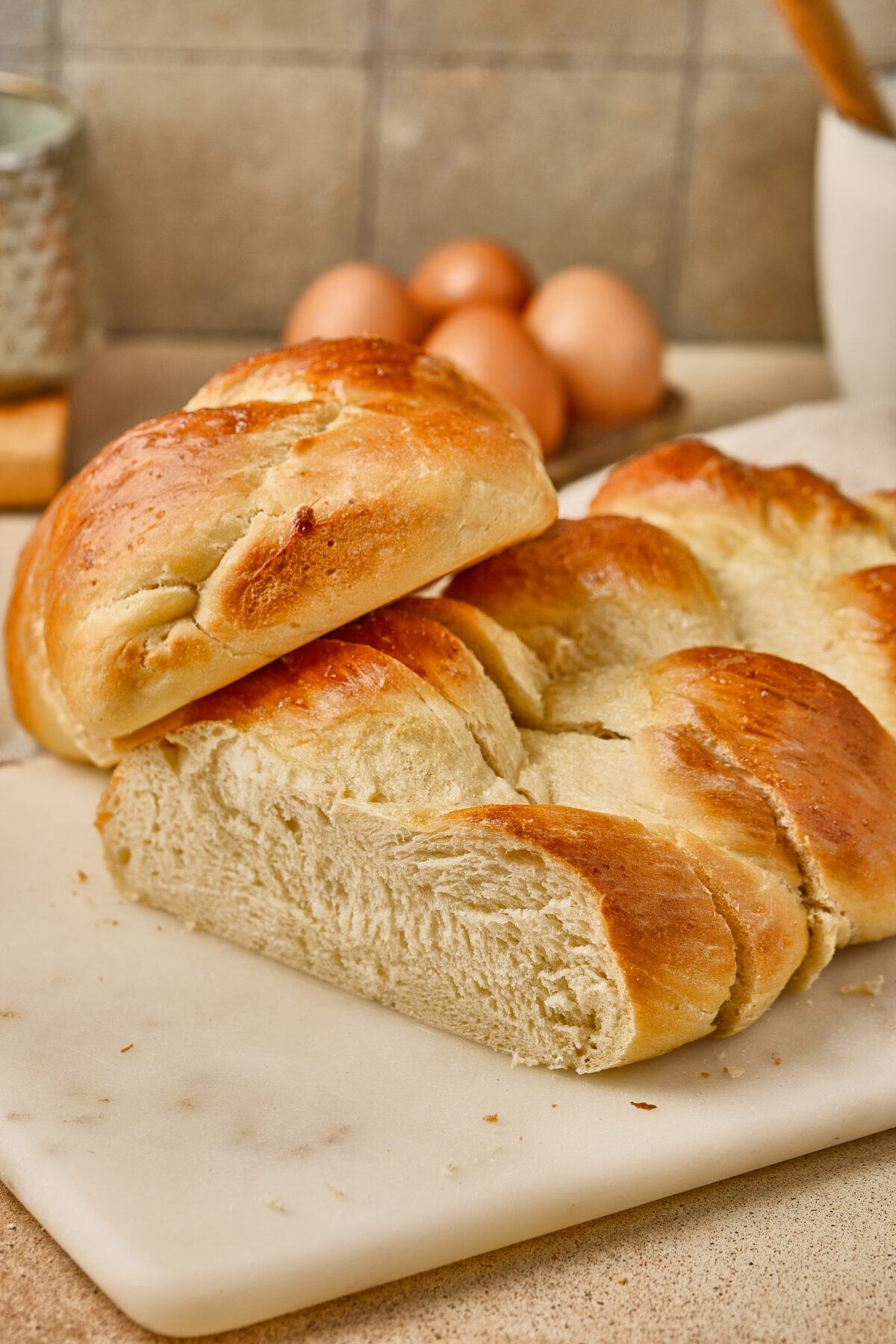
- Flour Measurement: Over-measuring flour is the primary cause of a dense, heavy crumb. Bakers recommend fluffing the flour with a spoon, sprinkling it into a measuring cup, and leveling it off with a straight edge, rather than scooping directly from the bag.
- Dough Consistency: A slightly tacky dough is desirable. Adding too much flour during the kneading process will yield a dry, tough loaf.
- Managing the Rise: Ambient temperature plays a significant role in fermentation. In cooler kitchens, allowing extra time for the dough to double in size prevents under-proofed, dense bread.
Storage, Preservation, and Culinary Applications
Proper storage extends the shelf life of homemade challah, which lacks the chemical preservatives found in commercial bread. Once cooled completely, the loaf should be stored in a bread bag or an airtight container at room temperature, where it remains fresh for up to two days.
For longer preservation, slicing the loaf prior to freezing allows bakers to thaw individual portions as needed at room temperature or toast them directly from the freezer.
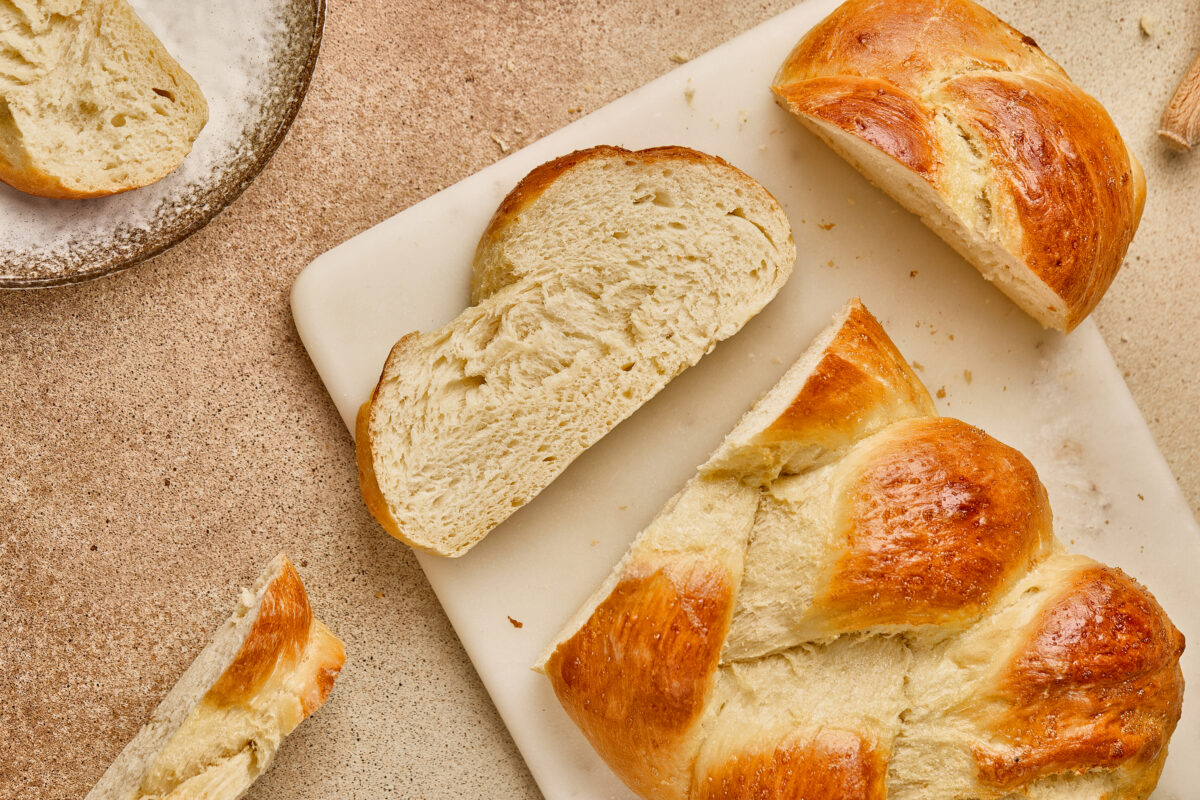
Challah’s slightly sweet profile and sturdy yet tender structure make it exceptionally versatile in the kitchen. Beyond traditional slicing and serving with butter, honey, or jam, leftover challah is widely recognized as the gold standard for French toast, bread puddings, and savory strata dishes.
Broader Economic and Cultural Implications
The enduring popularity of baking challah at home reflects a broader cultural shift toward intentional consumption and the preservation of heritage crafts. As commercial food production becomes increasingly industrialized, tactile culinary traditions offer consumers a connection to history, community, and personal well-being. By demystifying the baking and braiding process, home cooks continue to keep ancient culinary arts vibrant and accessible for contemporary households worldwide.