The Ultimate Guide to Navigating Thanksgiving Week: Menus, Stress-Free Schedules, and Family Meal Planning Strategies

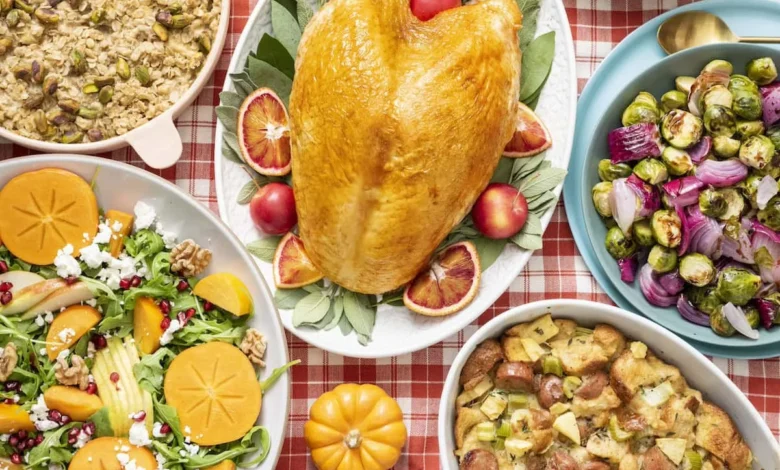
As the autumn season reaches its peak and households across North America prepare for the year’s most significant culinary holiday, home cooks face the perennial challenge of orchestrating a complex, multi-course feast while maintaining daily household routines. Thanksgiving week remains the single busiest period of the year for domestic food preparation, grocery retail, and family logistics. Navigating this high-stress culinary landscape requires a strategic approach that balances traditional recipe execution with modern time-management techniques. Culinary professionals, food safety experts, and parenting advocates increasingly emphasize the importance of structured preparation schedules to mitigate holiday stress and ensure that mealtime remains an enjoyable communal experience rather than a logistical burden.
Historical Context and Cultural Significance of Thanksgiving Meal Planning
The modern Thanksgiving holiday traces its roots centuries deep into American and Canadian agricultural traditions, evolving from a localized harvest celebration into a nationwide cultural institution centered fundamentally on the sharing of food. Historically, families spent days tending to hearths and ovens to produce a singular meal. In the contemporary era, however, the demands of modern work schedules, childcare, and fast-paced lifestyles have transformed Thanksgiving from a simple day of giving thanks into a high-stakes culinary marathon.
According to data compiled by various agricultural and retail trade associations, the average American household spends significantly more on groceries during November than in any other month, with a heavy concentration of expenditures occurring in the five days preceding the holiday. This surge in demand places unprecedented pressure on supply chains, local supermarkets, and domestic kitchens. Consequently, culinary educators and family nutrition advocates have increasingly stressed the necessity of advance planning, comprehensive menu curation, and step-by-step preparation timelines to help households navigate the logistical hurdles of the week.
Structuring the Weekly Menu: Balancing the Feast with Everyday Nutrition
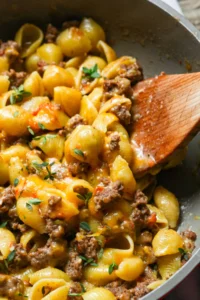
While the focal point of the week is undeniably the Thanksgiving feast itself, families must also sustain themselves through the preceding and following days without falling into the trap of ordering excessive takeout or relying exclusively on convenience foods. Nutritionists and family meal planners advocate for a balanced weekly menu that integrates simple, wholesome meals leading up to the main event, followed by creative strategies for utilizing holiday leftovers.
The strategic curation of a weekly meal plan serves multiple vital functions. First, it minimizes food waste by ensuring that perishable ingredients purchased for everyday meals do not spoil while the refrigerator is packed with holiday provisions. Second, it reduces decision fatigue for parents and caregivers who are already mentally occupied with cooking logistics, guest coordination, and travel arrangements.
Culinary experts recommend keeping weekday meals exceptionally straightforward during Thanksgiving week. For instance, reserving the Saturday before the holiday for dining out or ordering from local restaurants provides a much-needed break for the primary cook, allowing them to conserve their energy for the rigorous multi-day preparation schedule ahead. On other nights, focusing on quick, nutrient-dense dishes featuring pantry staples and fresh produce ensures that children and adults alike maintain balanced nutrition amidst the impending wave of rich, traditional holiday foods.
Chronology of Thanksgiving Preparation: A Step-by-Step Timeline
To demystify the cooking process and prevent last-minute kitchen chaos, culinary professionals endorse a rigorous, chronological preparation schedule. Breaking down the tasks into manageable increments over several days transforms an overwhelming mountain of work into a series of simple, actionable steps.
Two Weeks to Ten Days Prior:
Preparation begins with finalizing the guest list, establishing the menu, and conducting a thorough inventory of kitchen equipment, serving platters, and dining utensils. This is also the optimal window to purchase non-perishable grocery items, beverages, and baking supplies. For households utilizing frozen turkeys, planning must account for the substantial thawing time required.
One Week Prior:
The host conducts a final grocery run for remaining fresh produce, dairy products, and specialty ingredients. A detailed timeline for Thanksgiving Day itself should be drafted, mapping out oven temperatures, cooking times, and resting periods for the turkey and side dishes.
Three Days to Two Days Prior:
This phase involves the critical process of defrosting the turkey safely, typically accomplished in the refrigerator, allowing roughly 24 hours of thaw time for every four to five pounds of poultry. Additionally, certain side dishes—such as cranberry sauce, pie crusts, and certain casseroles—can be prepared in advance and stored safely until the day of the event.
The Day Before Thanksgiving:
Preparation intensifies on the eve of the holiday. Vegetables are washed and chopped, pie fillings are mixed and baked, and table settings are arranged. Completing these preparatory tasks ahead of time ensures that the holiday morning begins smoothly, free from the frantic rush of peeling potatoes and slicing vegetables while the turkey requires attention.
Thanksgiving Day:
The execution phase requires strict adherence to the established timeline. Roasting times are monitored carefully using digital meat thermometers to guarantee food safety and optimal texture. Once the meal is served, conscious efforts are directed toward safe food storage, ensuring that perishable leftovers are refrigerated promptly within two hours to prevent foodborne illness.
Economic and Social Implications of Holiday Meal Preparation
The monumental effort required to produce the Thanksgiving meal carries notable economic and social implications. The hospitality and retail sectors experience a massive economic boost during this week, with grocery stores, specialty butcher shops, and farm stands registering their highest sales volumes of the year. Concurrently, the restaurant industry adapts to shifting consumer behaviors, noting both a surge in pre-holiday dining and an influx of patrons seeking casual alternatives to home cooking on the weekends flanking the holiday.
From a social perspective, the act of shared meal preparation has been studied extensively by sociologists and family psychologists. Collaborative cooking fosters familial bonding and offers an educational environment for children to develop fundamental life skills related to nutrition, cooking techniques, and cultural traditions. Advocates of simplified, healthy cooking emphasize that the primary objective of the holiday should center on human connection and gratitude rather than culinary perfectionism. By adopting structured menus, realistic prep schedules, and flexible attitudes toward minor kitchen mishaps, families can foster a welcoming, low-stress environment that honors the true spirit of the season.
Conclusion: Embracing Balance and Simplicity in the Kitchen
As households finalize their shopping lists, preheat their ovens, and welcome family and friends into their homes, the overarching theme of Thanksgiving week remains one of preparation, gratitude, and community. Whether orchestrating a traditional multi-course feast for a large gathering or preparing a modest, comforting meal for an immediate family, the integration of thoughtful planning and balanced nutrition ensures a successful holiday experience. By utilizing established timelines and keeping everyday mealtime stress-free, home cooks can reclaim the joy of the season, transforming what could be an overwhelming domestic chore into a memorable, harmonious celebration.