Embracing Autumn Flavors: A Comprehensive Guide to Streamlining Weekly Family Meal Planning and Mid-Week Dinners

As the summer season transitions into the cooler months of autumn, households across the country face the perennial challenge of revamping their weekly culinary routines to accommodate changing schedules, school calendars, and the availability of seasonal produce. Food writers, culinary experts, and home-economists continuously emphasize that the key to maintaining a balanced household diet lies in proactive meal planning. By introducing seasonal ingredients into mid-week rotations, families can enjoy fresh, nutrient-dense meals without sacrificing the convenience and speed required on busy weeknights. This week’s featured meal plan highlights a strategic approach to home cooking, balancing effortless weeknight comfort foods with fresh, locally sourced produce typical of the autumn harvest.
The Evolution and Importance of Structured Weekly Meal Planning
The practice of meal planning has evolved significantly over the past decade, shifting from a niche organizational hobby into a widely recommended public health strategy. Nutritionists and family wellness advocates note that structured weekly menus help reduce food waste, control household grocery expenditures, and significantly lower daily decision fatigue for parents. According to recent consumer food behavior studies, households that map out their dinners in advance consume a higher volume of vegetables, spend less money on last-minute restaurant take-out, and report lower levels of stress during the traditional evening meal rush.
In recent years, the culinary landscape has also seen a resurgence in appreciation for seasonal eating. As autumn produce—such as hearty greens, crisp apples, root vegetables, and squash—begins to populate local farmers’ markets, incorporating these items into daily cooking provides both nutritional and economic benefits. Fresh produce harvested at peak season generally offers superior flavor profiles and higher concentrations of essential vitamins and minerals compared to out-of-season alternatives. Culinary authorities stress that integrating these ingredients does not require complex kitchen techniques; rather, simple pairings often yield the best results for family palates.
Mid-Week Culinary Strategy: Balancing Simplicity and Nutrition
Navigating the middle of the work and school week demands recipes that minimize preparation and cooking times while maximizing nutritional value and appeal to children. Culinary experts often point to Wednesday as a critical juncture in the weekly routine—a point at which energy reserves are waning, making quick-fix meals essential.
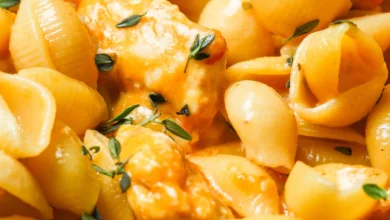
A prime example of this strategy is the inclusion of streamlined pasta dishes paired with fresh, locally sourced salads. Wednesday’s spotlight recipe, Chicken Mozzarella Pasta, exemplifies the modern demand for fast, comforting, and family-friendly dinners. Combining tender poultry, melted cheese, and simple carbohydrates provides a balanced profile of macronutrients that appeals universally to younger eaters, a demographic notoriously selective about unfamiliar textures and flavors.
To elevate the nutritional density of the meal, culinary guidelines consistently recommend pairing comfort-oriented main courses with vibrant, raw vegetable components. A robust farmers’ market salad serves this exact function. By utilizing seasonal greens, cucumbers, and tomatoes harvested within a local radius, home cooks introduce crisp textures and vital micronutrients to the plate without adding significant preparation time. Food safety and nutrition specialists note that raw vegetables retain optimal levels of water-soluble vitamins, such as Vitamin C and folate, which can be partially degraded during prolonged cooking processes.
Transitioning to Thursday: Quick-Assembly Comfort Foods
As the week draws to a closer threshold on Thursday, the demand for fast, highly customizable meals peaks. Statistics from retail grocery analysts indicate that Thursday evening frequently records a spike in the purchase of ground meats and quick-cooking convenience items as consumers seek immediate solutions ahead of the weekend.
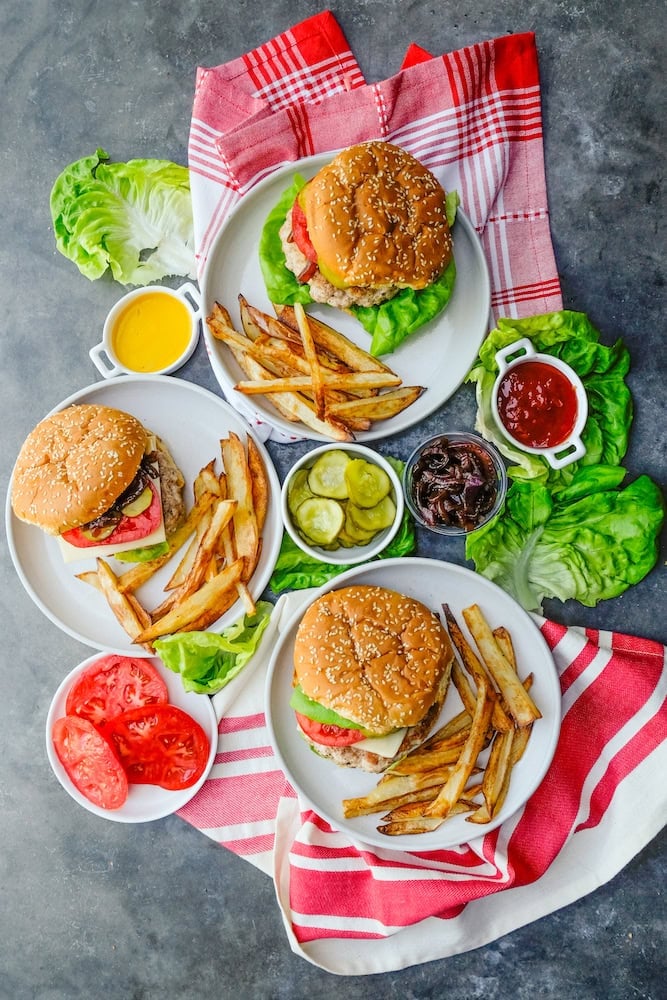
Turkey burgers represent a strategic alternative to traditional beef patties, offering a leaner source of protein while maintaining the comforting familiarity of traditional American weeknight fare. When prepared with high-quality ground turkey and served with comprehensive topping bars—including lettuce, tomatoes, onions, and various condiments—the meal allows for individual customization, a technique child nutritionists frequently endorse to encourage dietary engagement among reluctant eaters.
Accompanying the turkey burgers with potato-based sides remains a staple of American family dining. While traditional deep-frying methods have historically raised nutritional concerns due to high fat content, modern kitchen technology has transformed how home cooks approach side dishes. The widespread adoption of air fryers in residential kitchens over the last five years has allowed families to replicate the desirable crisp texture of traditional French fries using a fraction of the oil. Culinary data indicates that air-frying reduces the fat content of fried foods by up to 75% to 80%, aligning with broader public health initiatives aimed at reducing cardiovascular risk factors associated with high dietary fat intake.
The Psychology of Family Meals and Culinary Delegation
Beyond the nutritional and logistical components of weekly meal planning, family dynamics play a crucial role in shaping household food habits. Child development specialists and sociologists have extensively studied the impact of shared family meals, consistently finding correlations between regular home-cooked dinners and positive adolescent development, improved academic performance, and enhanced emotional resilience.
However, the burden of executing these meals frequently falls disproportionately on primary caregivers, leading to documented rates of parental burnout. To counteract this phenomenon, contemporary meal planning frameworks strongly advocate for scheduled reprieves, such as ordering takeout from local restaurants at the end of the workweek. Saturday night takeout serves a dual purpose: it alleviates the cumulative fatigue of the cooking week while simultaneously providing vital economic support to independent neighborhood eateries and small businesses within the local hospitality sector.
Industry experts observe that maintaining a balance between home preparation and occasional restaurant patronage creates a sustainable culinary ecosystem for modern families. By delegating one or two weekly meals to local culinary establishments, parents can recharge their enthusiasm for home cooking, ensuring that the remaining days of the week are approached with creativity and care.
Broader Economic and Agricultural Implications of Seasonal Shopping
At a macro level, the consumer shift toward farmers’ markets and seasonal meal planning carries significant weight for regional agricultural economies. Small- and medium-scale farmers rely heavily on direct-to-consumer sales channels, such as community-supported agriculture (CSA) programs and weekly farmers’ markets, to maintain financial viability in an agricultural sector increasingly dominated by large agribusiness conglomerates.
When home cooks intentionally design their weekly menus around the availability of autumn produce, they contribute to a localized economic multiplier effect. Dollars spent at farmers’ markets tend to circulate within the immediate geographic community, supporting local growers, transportation networks, and small-scale vendors. Furthermore, seasonal shopping reduces the carbon footprint associated with long-distance food transportation, refrigeration, and out-of-season greenhouse cultivation, aligning consumer behavior with broader environmental sustainability goals.
Conclusion: A Sustainable Framework for the Modern Household
Ultimately, successful weekly meal planning is not defined by culinary perfection or elaborate, time-consuming preparations. Instead, as demonstrated by practical autumn menu frameworks, it relies on flexibility, strategic time management, and a deliberate focus on whole, seasonal ingredients. By balancing fast, comforting mid-week staples like chicken mozzarella pasta and turkey burgers with nutrient-rich farmers’ market salads and necessary breaks for local restaurant dining, households can establish a harmonious, sustainable relationship with food. As the autumn season unfolds, embracing these structured yet adaptable culinary routines offers a reliable path toward enhanced family wellness, reduced stress, and a deeper appreciation for seasonal agriculture.