The Ultimate College Apartment Kitchen Stocking Guide: A Dietitian-Mom’s Checklist for Equipment, Pantry, Fridge, and Freezer Essentials


Transitioning from a tightly monitored university dormitory to a first independent off-campus apartment marks a significant milestone in a young adult’s life. Gone are the days of mandatory meal plans, shared communal restrooms, and strict resident advisor check-ins. However, this newfound autonomy frequently collides with a stark culinary reality shortly after the moving boxes are unpacked: the immediate necessity of planning, purchasing, and preparing daily meals independently. For university students, this realization often brings a mixture of exhilaration and severe anxiety. Simultaneously, parents frequently harbor deep concerns that their children will abandon balanced nutrition entirely, substituting home-cooked meals with a steady diet of instant ramen noodles, heavily caffeinated energy drinks, and fast-food delivery.
Despite these parental anxieties, public health and nutritional research indicate that college students living off-campus are uniquely positioned to develop lifelong culinary competence. Nutritional experts note that having access to a private kitchen fosters creativity, financial literacy, and better dietary habits, provided students are equipped with a structured blueprint rather than arbitrary grocery lists. Navigating this transition does not require an expensive culinary arts degree, high-end commercial kitchen gadgets, or an exorbitant grocery budget. Success in a student rental kitchen relies on a strategic combination of fundamental cooking equipment, versatile pantry and refrigeration staples, and realistic meal planning.
Evolution of Student Living: From Dining Halls to Independent Kitchens
The modern collegiate housing landscape has shifted dramatically over the past two decades. Universities increasingly encourage or require upperclassmen to transition out of traditional residence halls into off-campus apartments and rental houses to accommodate rising enrollment numbers. Historically, this shift meant students were left entirely to their own devices regarding nutrition, often resulting in erratic eating patterns, nutritional deficiencies, and the dreaded "freshman fifteen" weight fluctuation—or conversely, significant weight loss and lethargy due to food insecurity and poor budgeting.
Recognizing these vulnerabilities, campus health organizations, registered dietitians, and consumer advocacy groups have ramped up educational outreach aimed at incoming off-campus residents. The focus has pivoted toward practical food literacy: teaching young adults how to navigate grocery stores efficiently, interpret nutritional labeling, and safely handle perishable items in shared living spaces. Dietitians emphasize that the foundation of healthy student eating begins long before the first grocery trip; it starts with selecting the proper foundational cooking gear that matches the spatial limitations and electrical capacities typically found in student-grade housing.
Essential Kitchen Equipment: What You Actually Need
One of the most common pitfalls for students and parents preparing for an off-campus move is over-purchasing kitchen gadgets. Retailers aggressively market specialized appliances—such as single-purpose panini presses, avocado slicers, and intricate pastry blenders—to anxious families during the late-summer back-to-college shopping season. In reality, standard college apartments feature compact kitchens with limited counter space, minimal cabinet storage, and older electrical circuits that can easily trip breakers if overloaded with high-wattage devices.
Essential Must-Haves
To establish a functional culinary workstation, students should limit their initial gear acquisition to versatile, durable items. The absolute non-negotiables include:
- A reliable chef’s knife (8-inch) paired with a sturdy plastic or wooden cutting board.
- One medium-to-large stainless steel or non-stick skillet for sautéing, frying, and pan-searing.
- A versatile 2-to-3-quart saucepan with a lid for boiling pasta, simmering grains, and heating soups.
- A full-size baking sheet lined with rimmed edges for roasting vegetables and baking proteins.
- Basic utensils: a silicone spatula, a wooden spoon, a slotted spoon, and a reliable can opener.
- Basic dining ware: a set of plates, bowls, drinking glasses, forks, spoons, and butter knives to accommodate daily use and at least one guest.
Highly Recommended Additions
Depending on individual cooking preferences, certain items bridge the gap between basic survival and genuine culinary comfort. A microwave-safe glass measuring cup, a colander for draining pasta, and a set of food storage containers for meal-prepped leftovers are frequently categorized as essential within the first month of tenancy. For students who consume coffee daily, a standard drip coffee maker or a French press is vastly more cost-effective than frequent purchases at campus cafes.
Items to Consider Skipping
To preserve precious cabinet space and maintain a realistic budget, students are strongly advised to bypass specialty items during their initial setup. Ice cream makers, heavy cast-iron Dutch ovens (unless already owned), bulky food processors, and delicate crystal glassware are generally impractical for standard student apartments. Furthermore, while multi-cookers like pressure cookers or air fryers are immensely popular, students should assess their actual counter space and cooking habits before investing in these countertop appliances.
Budgeting and Smart Shopping Strategies
Food inflation and fluctuating grocery prices present a distinct challenge for university students, many of whom operate on strict, fixed monthly allowances or limited part-time employment wages. Financial advisors and campus consumer advocates recommend establishing a dedicated weekly grocery allowance to prevent impulse buying and reduce food waste—a major financial drain for young adults learning to manage a household for the first time.
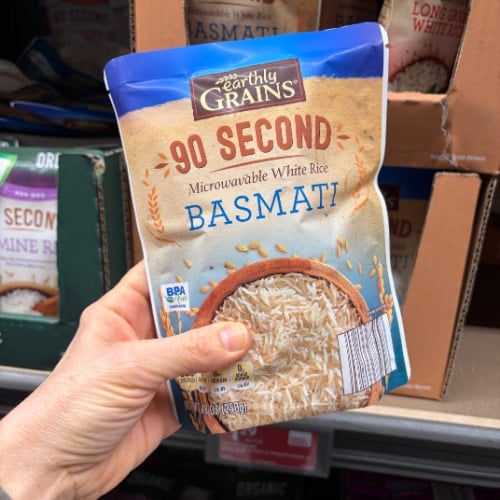
Smart shopping strategies include utilizing discount grocery chains, purchasing store-brand generic items rather than name brands, and planning meals around weekly circular sales. Additionally, students sharing an apartment with roommates can achieve significant economies of scale by pooling resources for bulk pantry items such as olive oil, salt, pepper, rice, and flour. However, perishable items like fresh produce and dairy should be purchased in smaller, highly manageable quantities to prevent spoilage.
Stocking the Pantry: The Foundation of Student Meals
A well-stocked pantry serves as the logistical backbone of any efficient kitchen. Shelf-stable ingredients eliminate the panic of having "nothing to eat" after a long day of classes and provide endless flexibility for impromptu meal creation.

Grains and Carbohydrates
- Pasta (various shapes, including penne, spaghetti, and macaroni) for quick, hearty meals.
- Rice (white, brown, or jasmine) as a versatile base for stir-fries and grain bowls.
- Rolled oats for rapid, nutrient-dense breakfast options.
- Whole-grain bread or tortillas stored properly to extend shelf life.
Proteins and Canned Goods
- Canned black beans, chickpeas, and kidney beans, which offer economical, shelf-stable plant-based protein.
- Canned tuna, salmon, or chicken for rapid protein integration into salads and sandwiches.
- Peanut butter or almond butter for nutrient-packed spreads and quick snacking.
Flavor Enhancers, Oils, and Spices
- Extra virgin olive oil or canola oil for cooking and dressing preparation.
- Vinegar (apple cider or balsamic) for balanced acidity in sauces and marinades.
- Soy sauce, hot sauce, and salsa to instantly elevate flavor profiles without complex culinary techniques.
- Basic spices: salt, black pepper, garlic powder, onion powder, and red pepper flakes.
Managing the Refrigerator and Freezer
Perishable inventory management requires vigilance in a college apartment, particularly when sharing refrigeration space with multiple roommates. Cross-contamination and food spoilage are leading causes of foodborne illness among young adults living independently for the first time.
Essential Fridge Items
- Eggs: An exceptionally versatile, nutrient-dense, and cost-effective protein source suitable for breakfast, lunch, or dinner.
- Milk (dairy or plant-based) and plain Greek yogurt.
- Cheddar or mozzarella cheese for melting, snacking, and topping dishes.
- Long-lasting produce, including carrots, celery, apples, and citrus fruits.
- Condiments such as ketchup, mustard, mayonnaise, and salad dressings.
Note on Food Safety: Public health agencies consistently advise consumers to monitor ongoing food safety advisories regarding fresh produce. For instance, public health authorities periodically issue warnings concerning pre-washed bagged greens due to potential bacterial outbreaks, underscoring the importance of thoroughly washing all fresh produce or opting for whole-head variations when applicable.
Essential Freezer Items
- Frozen vegetables (such as broccoli, peas, and mixed stir-fry vegetables) that retain nutritional value without the risk of rapid spoilage.
- Frozen berries for smoothies and oatmeal toppings.
- Frozen chicken breasts, ground turkey, or pre-cooked burger patties for rapid thaw-and-cook dinner solutions.
- Sliced bread, which can be frozen and toasted slice-by-slice to completely eliminate food waste.
Broader Impact and Nutritional Implications
Transitioning successfully to independent off-campus cooking yields far-reaching benefits that extend well beyond graduation. Nutritional studies consistently demonstrate that young adults who regularly prepare meals at home consume lower amounts of sodium, added sugars, and unhealthy saturated fats compared to peers who rely exclusively on campus dining halls, fast food, or convenience delivery services. Furthermore, mastering fundamental kitchen skills fosters a lifelong appreciation for balanced nutrition, lowers overall monthly living expenses, and builds the self-efficacy necessary to navigate adult life successfully. By approaching the college kitchen with proper preparation, sensible equipment, and a well-stocked pantry, students can transform a potentially stressful chore into an empowering and health-promoting routine.
Related posts: