The Global Shift Toward Sustainable Suncare: Protecting Human Health and Marine Ecosystems Through Zero-Waste Innovations


The global suncare industry is currently undergoing a significant transformation as environmental scientists and conscious consumers raise the alarm regarding the ecological toll of traditional UV protection. Every year, an estimated 4,000 to 6,000 tons of sunscreen wash off swimmers and into the world’s oceans, according to data published in Time and environmental research journals. This influx of chemical filters has been directly linked to the devastation of coral reefs, including the acceleration of coral bleaching, DNA damage in marine larvae, and the disruption of reproductive cycles in various aquatic species. In response, a new generation of sustainable brands is redefining the market by prioritizing reef-safe mineral formulations and plastic-free, zero-waste packaging.
The Environmental and Biological Cost of Conventional Sunscreen
For decades, the standard for sun protection relied on chemical filters such as oxybenzone, octinoxate, and avobenzone. While effective at absorbing ultraviolet rays, these substances are increasingly scrutinized for their bio-accumulative properties. Research by the Environmental Working Group (EWG) and other dermatological bodies suggests that these chemicals can act as endocrine disruptors in humans, potentially interfering with hormone systems. Furthermore, these "benzone" chemicals are known to trigger viral infections in coral zooxanthellae, the symbiotic algae that provide corals with food and their vibrant colors. When these algae are expelled, the coral turns white—a process known as bleaching—which often leads to the death of the reef ecosystem.
The transition toward "zero-waste" and "reef-safe" alternatives is not merely a marketing trend but a necessary shift to mitigate these impacts. Sustainable sunscreens generally utilize mineral blockers—specifically non-nano zinc oxide or titanium dioxide—which sit on top of the skin to reflect UV rays rather than being absorbed into the living tissue or dissolving into the water column as harmful toxins.

The Evolution of the Regulatory Landscape
The shift toward sustainable suncare gained significant momentum in 2018 when Hawaii became the first U.S. state to ban the sale of sunscreens containing oxybenzone and octinoxate. This landmark legislation was followed by similar bans in Palau, the U.S. Virgin Islands, and several popular tourist destinations in Mexico and Thailand. These regulatory actions have forced the global beauty industry to reconsider its formulations, leading to a surge in innovation within the mineral sunscreen sector.
Current industry standards for sustainability now extend beyond the ingredients themselves. The "zero-waste" movement focuses on the entire lifecycle of the product, targeting the massive plastic waste generated by the personal care industry. By utilizing aluminum, glass, and compostable cardboard, brands are attempting to close the loop on packaging that would otherwise contribute to the 8 million tons of plastic entering the ocean annually.

Profiles in Sustainable Innovation: Leading Zero-Waste Brands
As the demand for eco-friendly alternatives grows, several specialist brands have emerged as leaders in the zero-waste suncare space. These organizations are evaluated based on their ingredient transparency, packaging choices, and broader corporate responsibility initiatives.
High-Performance Mineral Solutions: Forah and SurfDurt
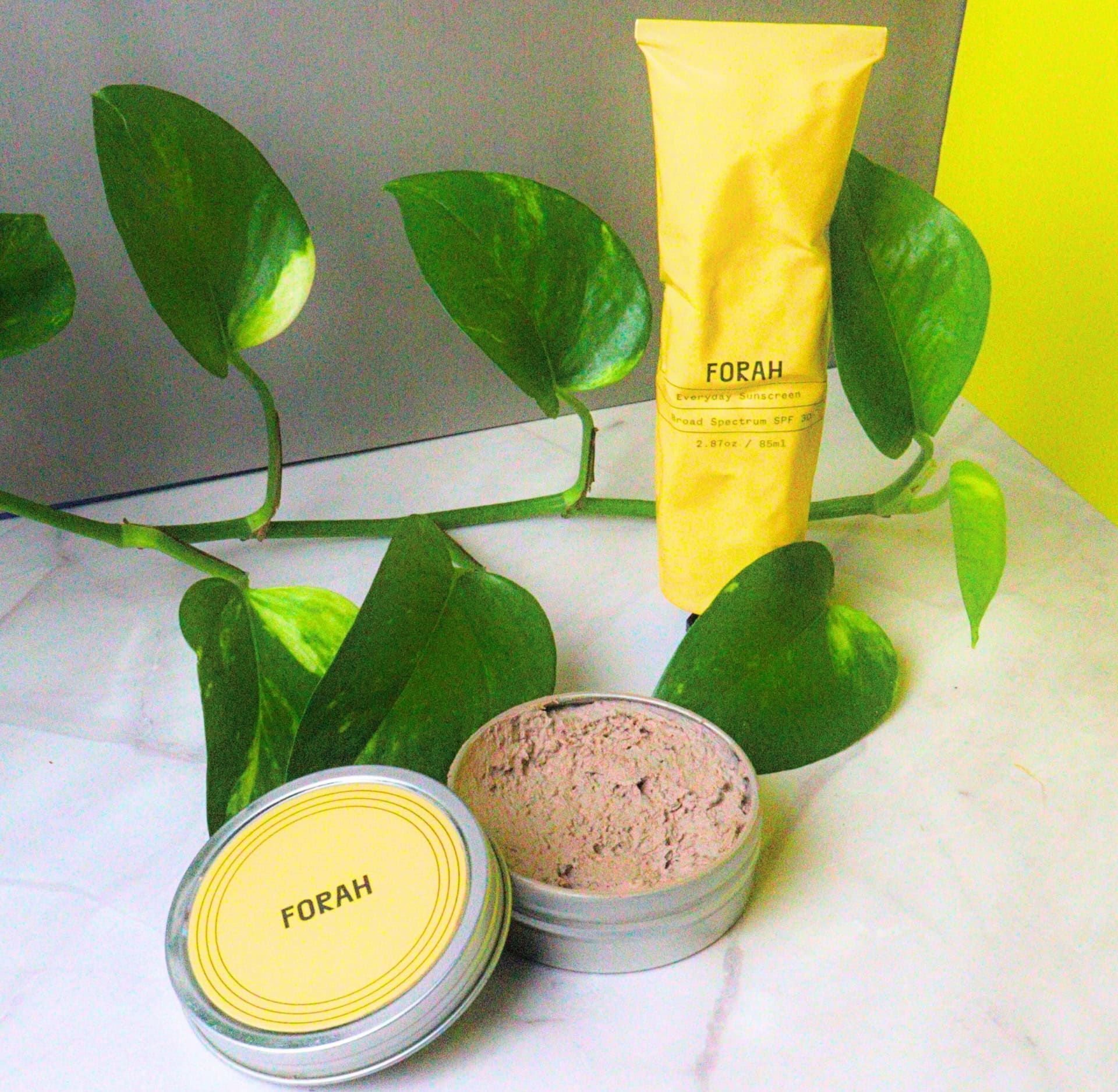
Forah, a specialized skincare brand born from the rugged environments of coastal mountains and rainforests, has set a high bar for organic-certified sun protection. Their Everyday Mineral Sunscreen utilizes a base of non-nano zinc oxide supplemented by organic sea buckthorn oil and seaweed extract. By housing their products in infinitely recyclable aluminum tubes and tins, Forah minimizes the use of polymers, though a small plastic cap remains on the tubes.

In the realm of extreme adventure, SurfDurt has pioneered a refillable model specifically for the surfing community. Developed by a team that includes a chemist from Hawaii, SurfDurt provides SPF 30 broad-spectrum protection that remains effective for 80 minutes in the water. Notably, the brand offers a circular economy incentive: customers can return their aluminum-lined bamboo pots to receive a 25% discount on future orders. This model addresses the "empty container" problem that plagues the beauty industry.
Mass-Market Leadership: ATTITUDE and Badger
Canadian brand ATTITUDE has demonstrated that sustainable suncare can be scaled for mass consumption without sacrificing environmental integrity. Their "Sunly" line features plastic-free, biodegradable sticks packaged in compostable cardboard. These products are ECOLOGO certified and EWG Skin Deep Verified, ensuring they meet rigorous safety and environmental standards. ATTITUDE’s commitment extends to reforestation; for every product sold, the company plants a tree through partnerships with Eden Reforestation and One Tree Planted.

Similarly, W.S. Badger Co. (Badger) has become a staple in the natural products industry. As a Certified B Corp, Badger emphasizes corporate responsibility and worker wellness. Their Sport Sunscreen is a minimalist formula consisting of just four ingredients: uncoated zinc oxide, organic sunflower oil, organic beeswax, and sunflower vitamin E. By utilizing recyclable tin packaging, Badger offers a low-waste solution for athletes who require high-durability protection (SPF 40-50).
Specialized and Customizable Formulations: EmpireSquid and Bee You Organics
For consumers seeking personalized skincare, brands like EmpireSquid Organics and Bee You Organics offer handmade, small-batch alternatives. EmpireSquid focuses on the facial sunscreen market, utilizing red raspberry seed oil and macadamia nut oil to create a lightweight, daily moisturizer with UV-blocking properties. Recognizing the diverse needs of their clientele, they offer beeswax-free versions upon request, catering to the vegan community.

Bee You Organics, based in the Pacific Northwest, integrates holistic healing into its suncare line. Their BB creams use organic cacao powder to counteract the "white cast" often associated with mineral sunscreens, while organic calendula flowers soothe sun-exposed skin. The brand supports local economies and environmental research, donating to Washington State University’s bee research projects.
The Logistics of Zero-Waste Packaging: A Comparative Analysis
A critical component of the sustainability movement is the move away from traditional plastic squeeze tubes. Industry experts categorize sustainable packaging into three primary types:

- Aluminum Tins and Tubes: Aluminum is considered the gold standard for recyclability because it can be processed repeatedly without losing its structural integrity. Brands like Raw Elements and All Good utilize aluminum for its durability and light weight, which is ideal for travel.
- Glass Jars and Bottles: Glass is chemically inert, ensuring that no plasticizers leach into the sunscreen formula. Butter Me Up Organics and EmpireSquid utilize glass to maintain the purity of their organic ingredients. However, glass is heavier to ship, increasing the carbon footprint of logistics.
- Compostable Paperboard: For stick-based applications, cardboard tubes offer a fully biodegradable solution. While highly eco-friendly, these containers can be susceptible to moisture damage if left in wet beach bags for extended periods.
Scientific Breakdown: The "Non-Nano" Standard
A recurring theme in sustainable suncare is the use of "non-nano" zinc oxide. In traditional mineral sunscreens, zinc particles were often micronized (nanoparticles) to make the cream easier to rub in and less visible on the skin. However, concerns have been raised that nanoparticles are small enough to be ingested by coral polyps or absorbed into the human bloodstream.
The current scientific consensus, supported by regulators like the Therapeutic Goods Administration (TGA), suggests that non-nano particles (larger than 100 nanometers) are safer for the environment. They sit on the outer layer of dead skin cells (the stratum corneum) rather than penetrating into living tissue. By maintaining a larger particle size, brands ensure that their products provide a physical barrier that is both biologically and ecologically safe.

Broader Economic and Industrial Implications
The move toward sustainable suncare is reflective of a larger shift in the global economy toward "Clean Beauty." Market analysts suggest that the reef-safe sunscreen market is expected to grow at a faster compound annual growth rate (CAGR) than the traditional sunscreen market over the next decade. This is driven by both consumer preference and the increasing likelihood of further government bans on chemical filters.
Coastal economies, which rely heavily on healthy reef systems for tourism, have a vested interest in this transition. In regions like the Great Barrier Reef or the Caribbean, the health of the coral is directly tied to billions of dollars in annual revenue. Protecting these ecosystems via sustainable personal care products is increasingly viewed as an economic imperative as much as an environmental one.

Final Analysis and Future Outlook
The rise of zero-waste and reef-safe sunscreen represents a successful intersection of dermatological science and environmental stewardship. While no topical product can provide 100% protection without some ecological footprint, the innovations from brands like All Good, Raw Elements, and ATTITUDE significantly reduce the chemical and plastic burden on the planet.
As the industry moves forward, the focus is likely to shift toward "refill stations" and more advanced bio-resins made from agricultural waste, such as the sugarcane-based tubes currently being trialed by Raw Elements. For the consumer, the choice of a sustainable sunscreen is a small but impactful action that contributes to the preservation of marine biodiversity and the promotion of long-term human health. By opting for mineral-based, plastic-free alternatives, individuals can enjoy the benefits of the sun while ensuring that the oceans remain a vibrant, living resource for future generations.