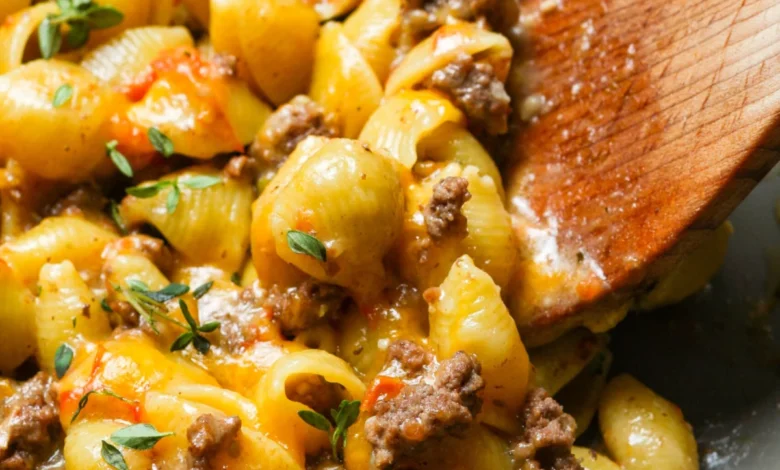
Taco night, a cherished ritual in countless households, has been reimagined with the introduction of a one-pot taco pasta recipe that promises to simplify weeknight meals without compromising on flavor. This innovative dish combines the beloved elements of taco cuisine – savory seasoned beef, zesty tomatoes, and melted cheese – with the comforting embrace of pasta, all within the convenience of a single pot. The result is a hearty, flavorful, and exceptionally easy-to-prepare meal designed to please the entire family, from the youngest diner to the most discerning palate.
The appeal of this taco pasta lies not only in its robust flavor profile but also in its streamlined preparation. By consolidating all cooking steps into one vessel, the recipe significantly reduces cleanup time, a welcome advantage for busy parents and individuals alike. This "one-pot wonder" approach aligns with a growing trend in culinary circles that prioritizes efficiency and accessibility in home cooking.
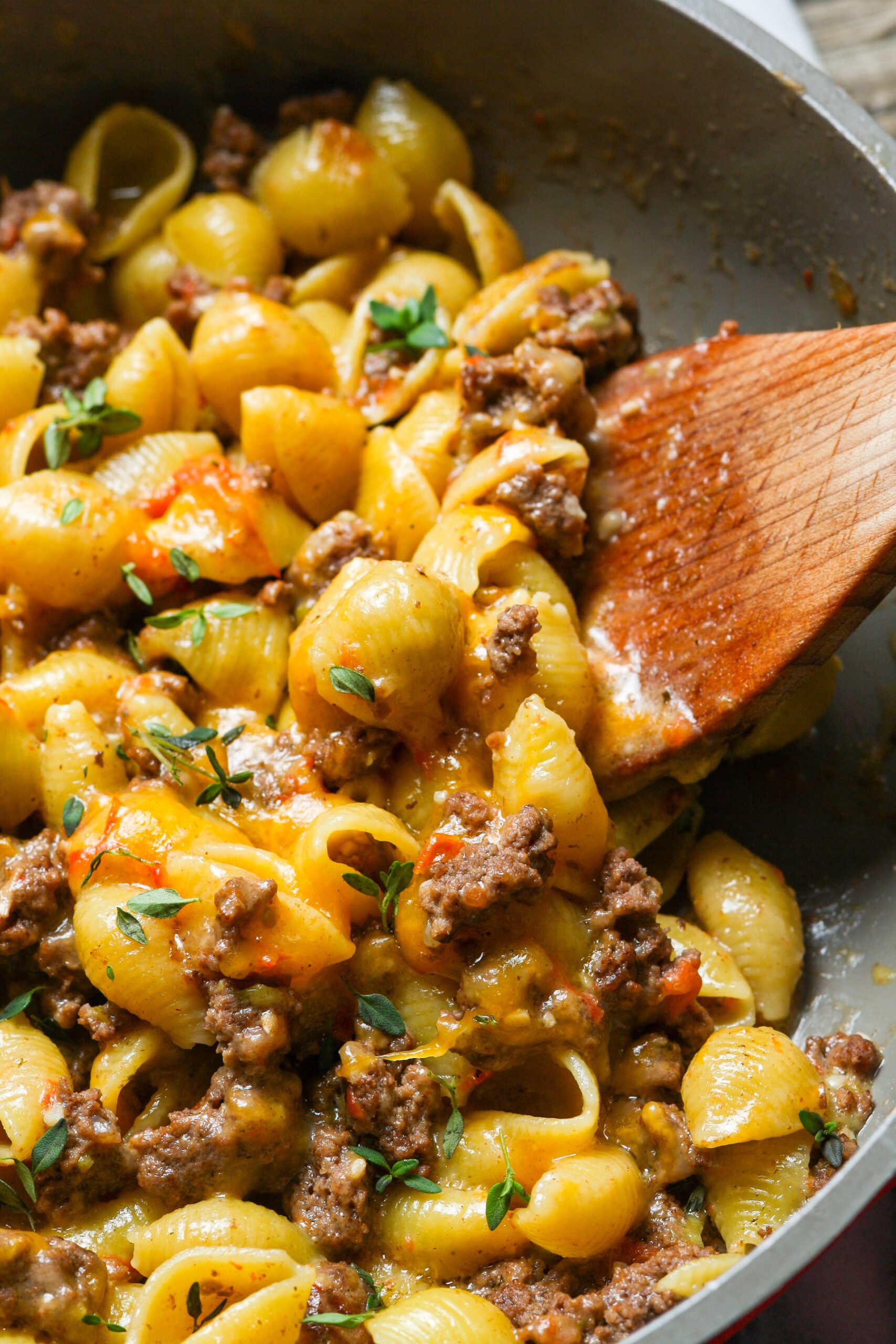
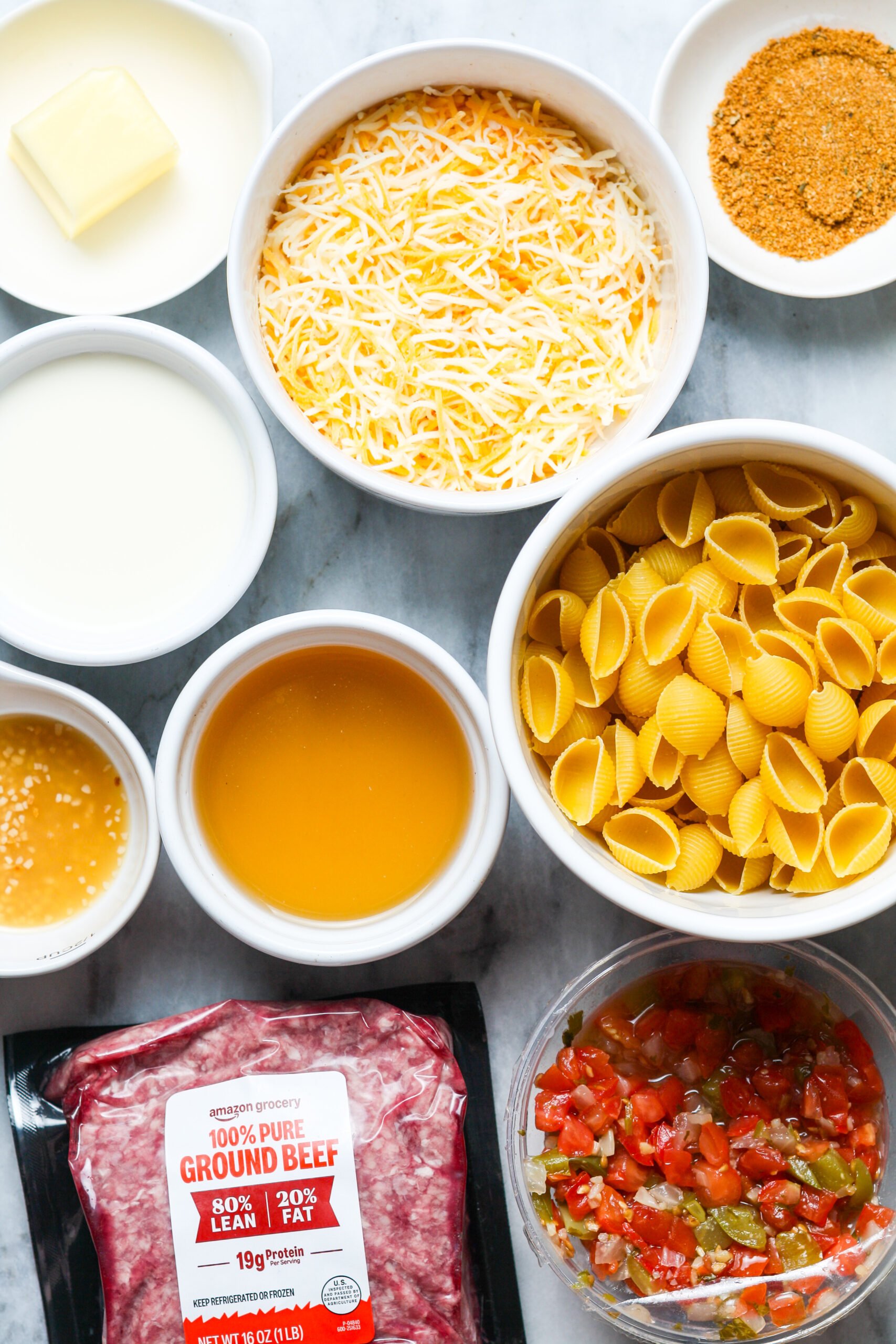
The core of this dish features ground beef, expertly seasoned to deliver that signature taco taste. However, the recipe’s adaptability shines through its suggested substitutions, allowing for variations using ground chicken, pork, or turkey. This flexibility ensures that dietary preferences or ingredient availability do not stand in the way of enjoying this comforting meal. The foundational aromatics of sautéed minced garlic in butter add a layer of depth, with olive oil and avocado oil presented as viable alternatives should butter not be on hand.
A key component contributing to the authentic taco flavor is the taco seasoning. The recipe emphasizes the use of sugar-free varieties, highlighting brands like Siete as a preferred choice. This attention to ingredient quality reflects a broader movement towards healthier, more conscious eating habits, even within familiar comfort food categories. The inclusion of Rotel tomatoes and green chilies introduces a pleasant heat and acidity, with the option to substitute with a favorite salsa, further enhancing the dish’s customizable nature.
The creamy texture, a hallmark of this taco pasta, is achieved through a combination of chicken broth and whole milk. For those seeking an even richer sauce, half-and-half is suggested as a suitable alternative. The pasta itself, often whole wheat shells in this recipe, can be swapped for gluten-free varieties, making the dish accessible to individuals with dietary restrictions. The final flourish of shredded cheese, whether a Mexican blend, cheddar, or mozzarella, binds the sauce together, creating a luxuriously gooey finish that is both visually appealing and deliciously satisfying.
The Culinary Genesis of One-Pot Meals
The rise of one-pot meals is a testament to modern life’s demands for convenience and efficiency. Historically, cooking often involved multiple pots and pans, a process that, while yielding delicious results, could be time-consuming and labor-intensive. The advent of streamlined recipes like this taco pasta reflects a culinary evolution driven by the need to balance busy schedules with the desire for home-cooked, nutritious meals. This particular dish taps into the universal appeal of Tex-Mex flavors, a cuisine that has gained immense popularity globally for its vibrant tastes and adaptable nature. The concept of "comfort food" is also central to its success; dishes that evoke warmth, nostalgia, and a sense of well-being are always in high demand, especially during challenging economic or social times.
Deconstructing the Flavor Profile: A Symphony of Textures and Tastes
The success of this taco pasta lies in its carefully balanced flavor and texture profile. The ground beef, seasoned generously, provides a robust, savory base with a subtle smoky undertone. The Rotel tomatoes, with their inherent acidity and hint of spice, cut through the richness of the meat and sauce, preventing the dish from becoming too heavy. This interplay of flavors is crucial for a well-rounded palate experience.
The creamy sauce, a result of the chicken broth and milk emulsion, acts as a luxurious vehicle for the taco seasonings and tomatoes, coating each pasta shell in a velvety embrace. As the cheese melts, it not only thickens the sauce but also adds a delightful stringiness and depth of flavor. The pasta, cooked to a tender al dente, provides a satisfying chew that contrasts with the smooth sauce. The overall textural experience is one of harmonious complexity, with the tender pasta, savory meat, and creamy sauce creating a cohesive and comforting whole.
A Step-by-Step Guide to Effortless Preparation
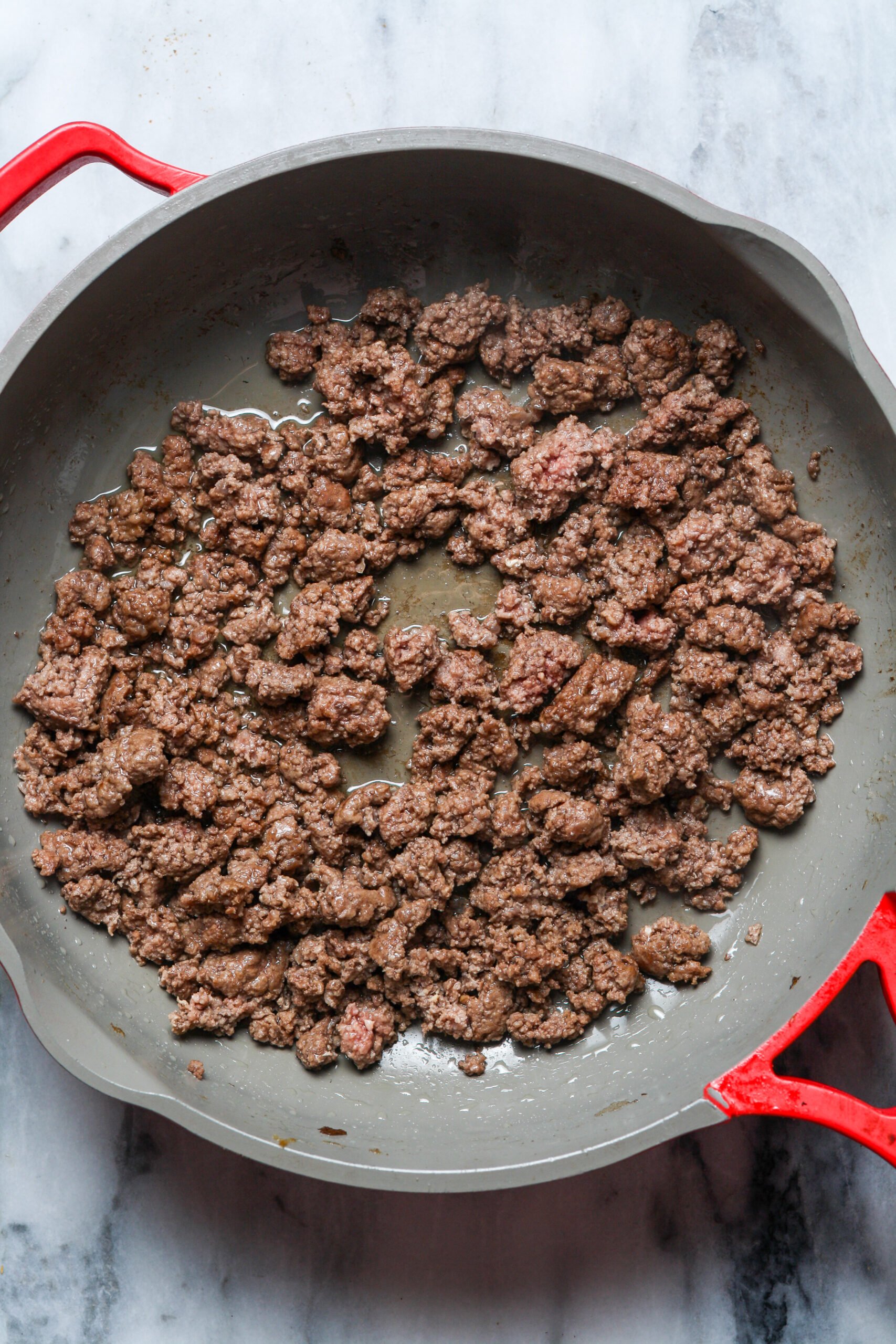
The creation of this one-pot taco pasta is designed to be intuitive and straightforward, even for novice cooks. The process begins with browning the ground beef in a large skillet over medium heat. Once cooked, any excess grease is drained to ensure a lighter final dish.
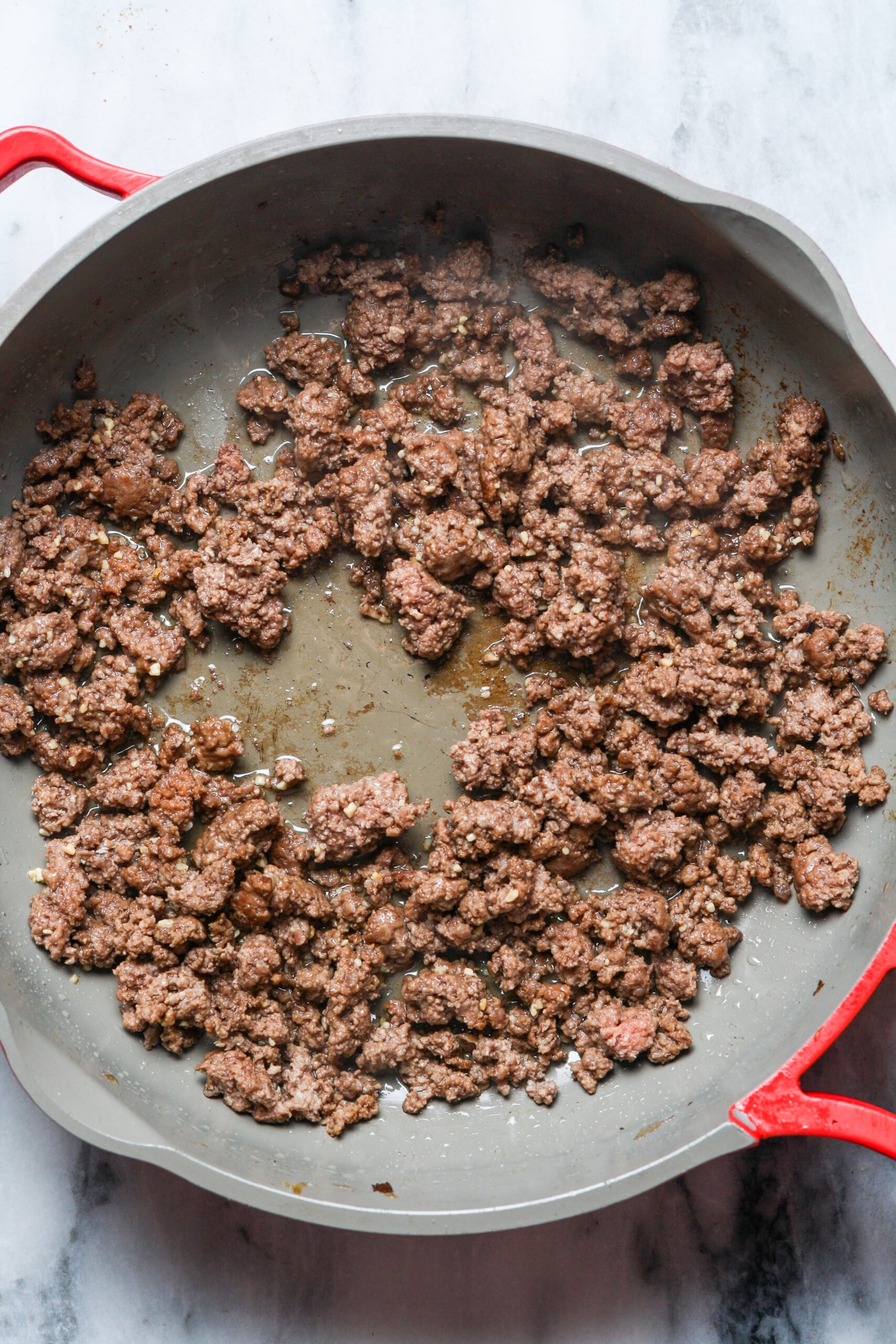
The next step involves introducing flavor. Butter is melted in the skillet, followed by minced garlic, which is sautéed for approximately one minute until its fragrant aroma is released. This brief sautéing process awakens the garlic’s flavor without allowing it to burn.
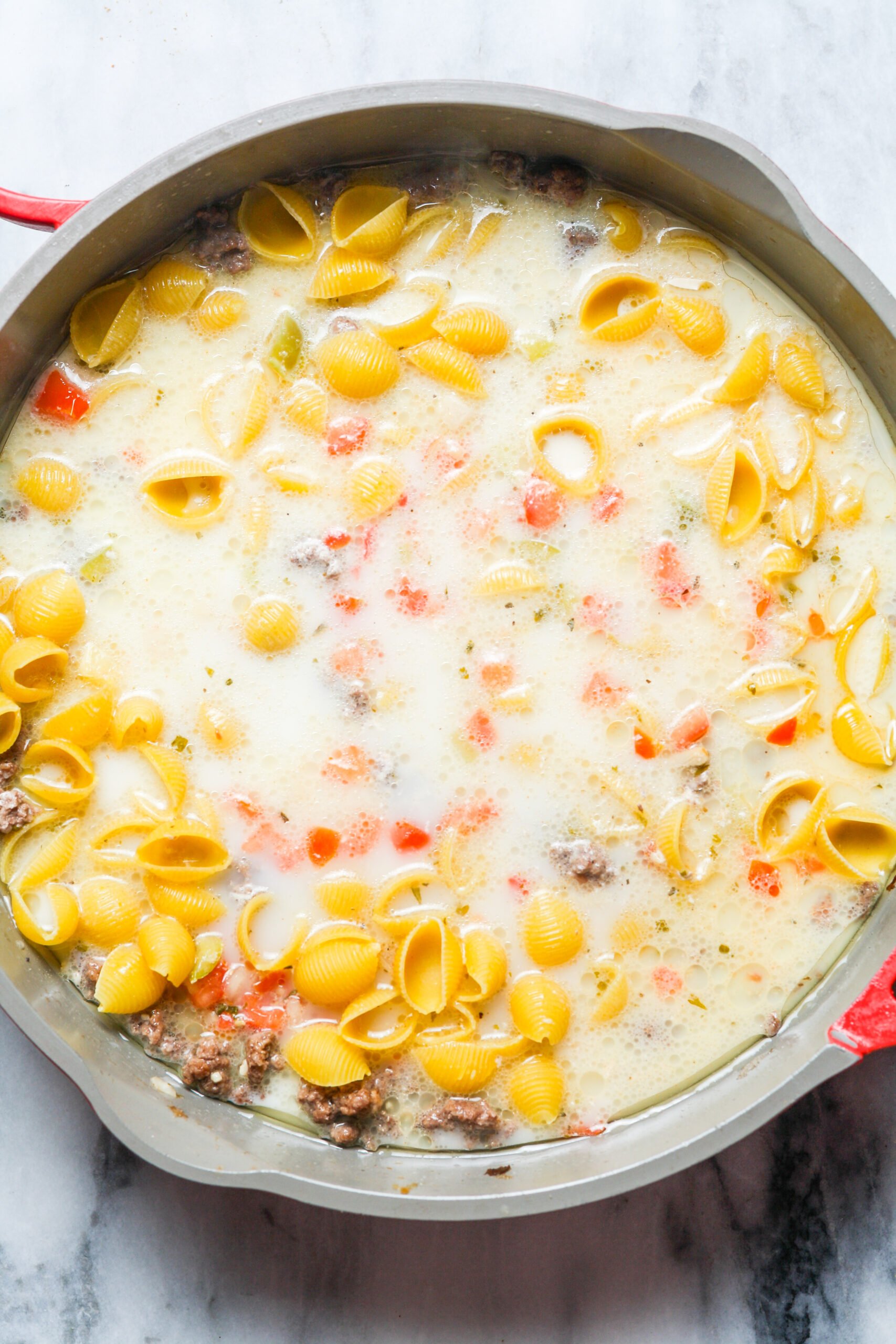
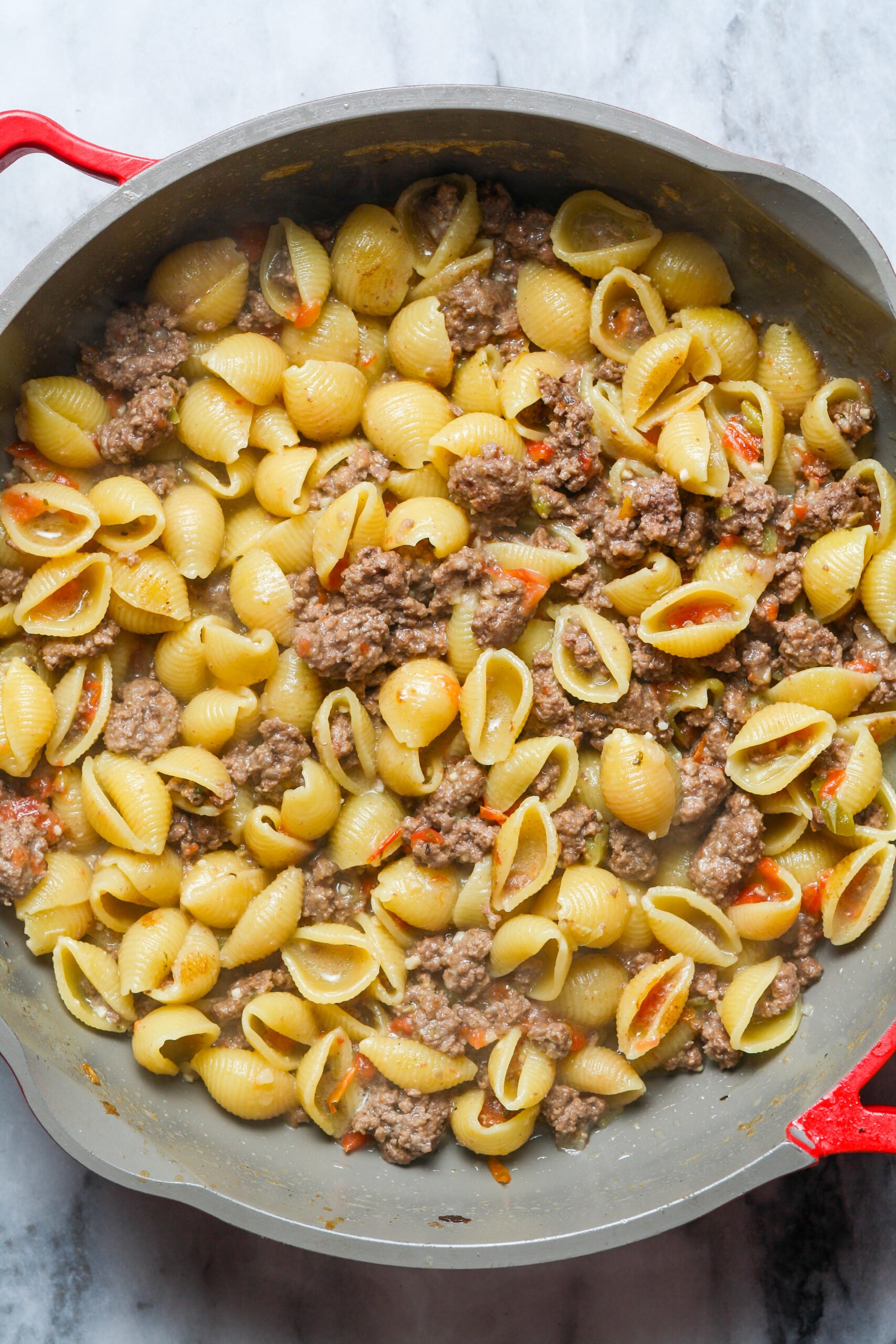
Following the aromatic base, the taco seasoning, Rotel tomatoes, chicken broth, and milk are added to the skillet. The mixture is then brought to a boil, creating the flavorful liquid base for the pasta.
Once the liquid reaches a rolling boil, the pasta shells are introduced directly into the skillet. They are then cooked for an estimated seven to eight minutes, or until they reach the desired level of tenderness, absorbing the savory broth as they cook.
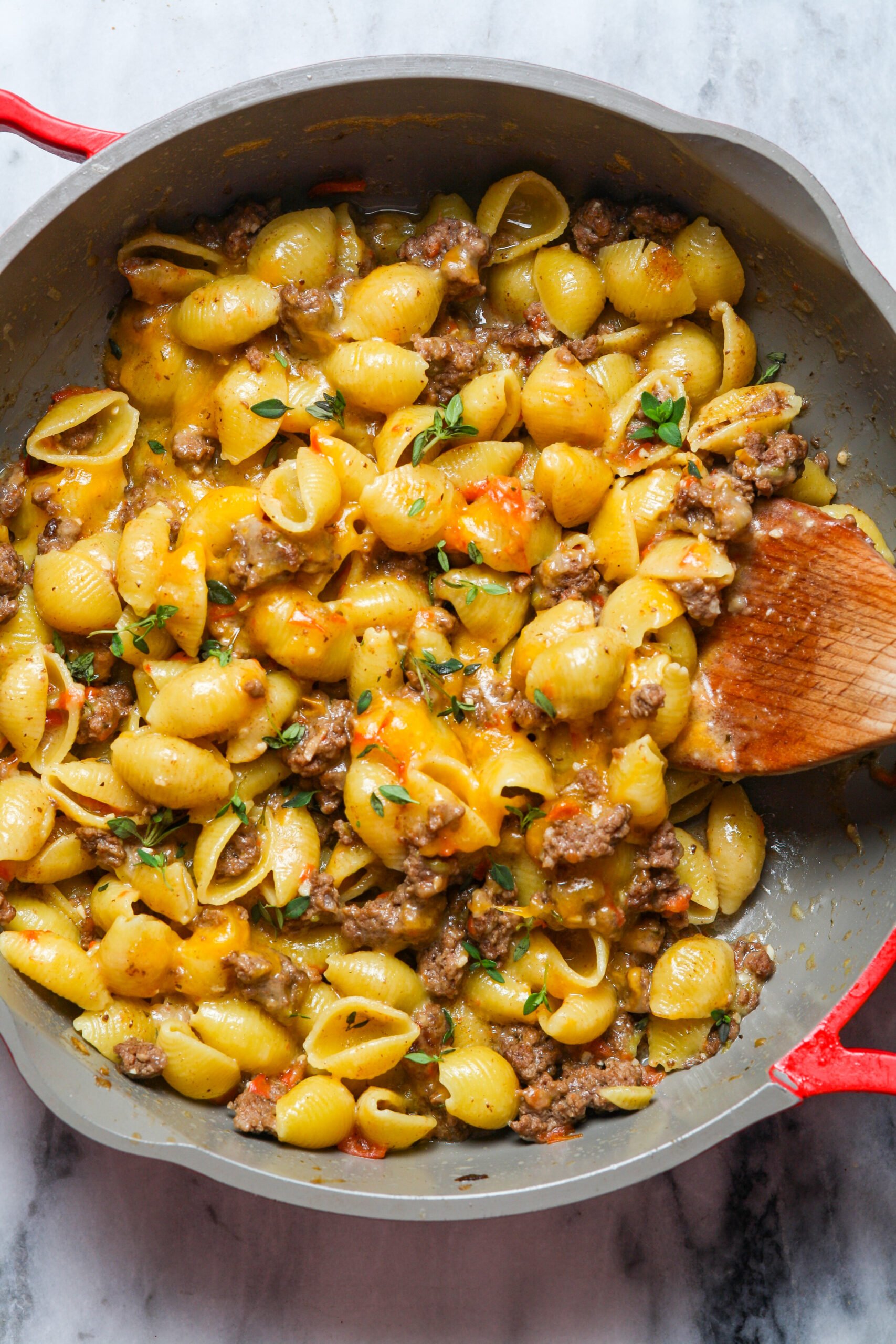
The final stage involves achieving that signature creamy, cheesy finish. The heat is reduced to very low, and the shredded cheese is stirred in until fully melted and the sauce has thickened to a desirable consistency. This gentle melting process prevents the cheese from becoming oily or clumpy.
The dish is then ready to be served, often garnished with fresh herbs for a touch of brightness and visual appeal.
Ingredient Flexibility and Culinary Adaptations
The beauty of this taco pasta recipe lies in its inherent flexibility, allowing for a wide range of creative customizations. The choice of ground meat is just the beginning; home cooks can explore different cheese blends, such as Monterey Jack or pepper jack, for an added kick.
Incorporating vegetables like black beans, corn, diced bell peppers, or onions alongside the taco seasoning can boost the nutritional content and add further layers of flavor and texture. These additions transform the dish into a more complete meal, offering a variety of textures and colors.
The topping options are equally diverse. A dollop of sour cream, a sprinkle of fresh cilantro, chopped green onions, or even crushed tortilla chips can elevate the dish, adding creamy, herbaceous, or crunchy elements that complement the main components.
Pro Tips for Optimal Flavor and Texture
To ensure the best possible outcome, several pro tips can enhance the taco pasta experience. Using a high-quality taco seasoning that is free from artificial additives and excess sugar is paramount for authentic flavor. When browning the beef, ensure it is cooked thoroughly and drained of excess fat to avoid a greasy texture.
The key to a perfectly creamy sauce lies in the low-and-slow melting of the cheese. Stirring constantly over low heat prevents scorching and ensures a smooth, uniform consistency. If the sauce becomes too thick upon cooling, a splash of milk or broth can be added during reheating to restore its desired texture.
Serving and Storing for Maximum Enjoyment
This versatile taco pasta is best served hot, straight from the skillet, allowing its aromas and textures to be fully appreciated. While it stands as a complete meal on its own, a simple side salad can provide a refreshing counterpoint.
Leftovers can be stored in an airtight container in the refrigerator for up to four days. It’s important to note that the sauce will naturally thicken as it cools. Therefore, when reheating, a small addition of milk or broth is recommended to loosen the sauce and recapture its original creamy consistency. This simple reheating technique ensures that the leftovers are just as enjoyable as the initial serving.
Addressing Common Queries: FAQs
What can I use if I don’t have Rotel tomatoes?
A cup of your favorite salsa serves as an excellent substitute for Rotel tomatoes. It offers a similar tomato base with added spice and flavor complexity, ensuring the dish retains its characteristic zest.
Can I make this recipe in a slow cooker?
While the stovetop method is recommended for optimal pasta cooking and sauce thickening, experimentation with slow cooker adaptations might be possible. However, the direct cooking method on the stovetop ensures even heat distribution and precise control over the pasta’s doneness and sauce consistency, making it the preferred approach for this recipe.
What kind of cheese is best?
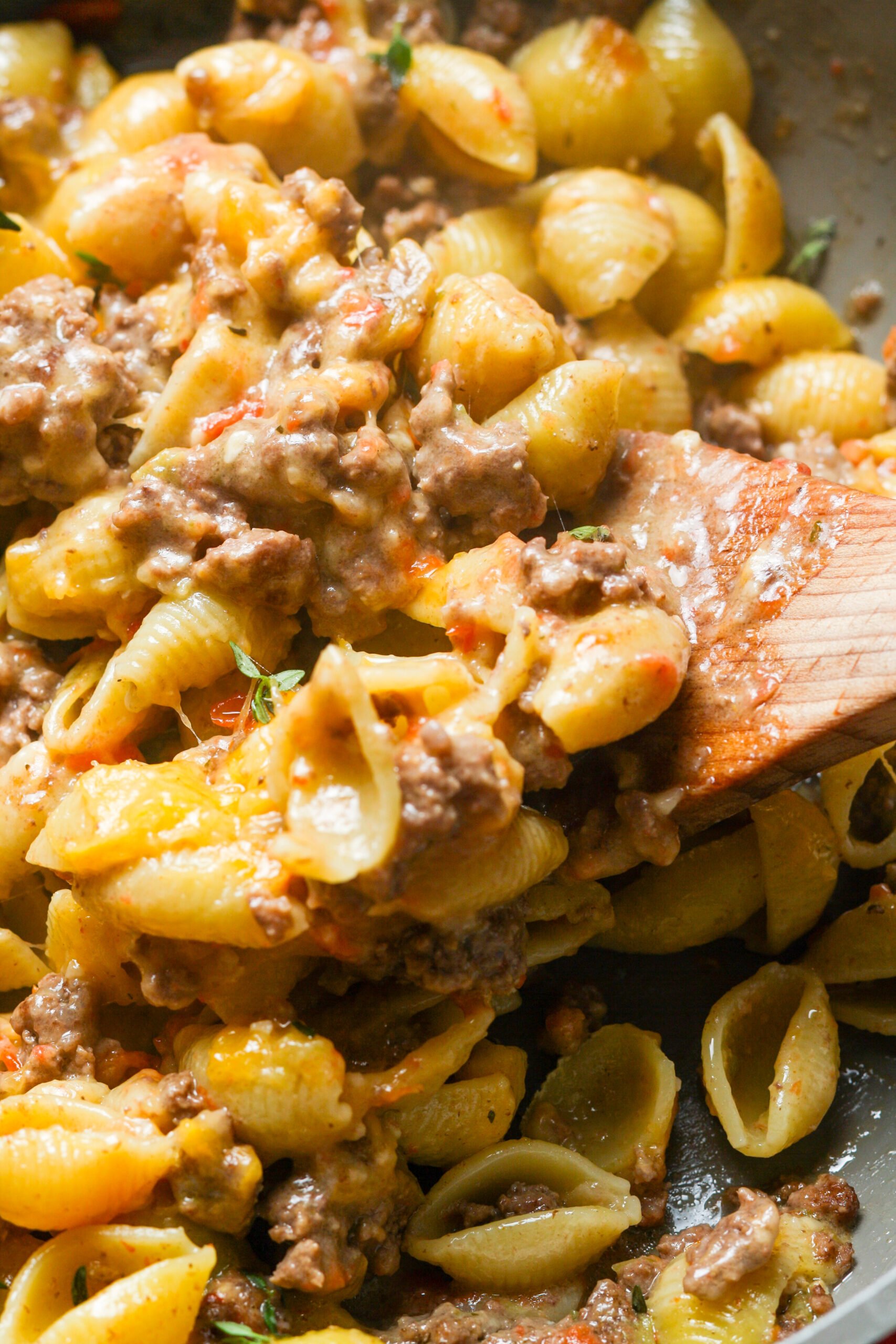
A shredded Mexican cheese blend is highly recommended due to its excellent melting properties and complementary flavor profile. However, classic cheddar, creamy Monterey Jack, or even spicy pepper jack can also be used to achieve a delicious and gooey cheese sauce. The choice often depends on personal preference for flavor and meltability.
Essential Equipment for Culinary Success
The preparation of this taco pasta requires a few key pieces of equipment to ensure a smooth and efficient cooking process. A sturdy wooden spoon is indispensable for effectively stirring the ingredients, ensuring even cooking and preventing sticking. A large nonstick skillet is crucial, providing ample space for all the ingredients and facilitating easy cleanup. The nonstick surface prevents the beef and pasta from adhering to the pan, further simplifying the post-meal tidying.
Exploring Related Culinary Delights
For those who have savored the flavors of this taco pasta, a world of similar culinary experiences awaits. Related recipes often explore variations on the taco theme, such as chicken taco pasta, which offers a lighter protein option while retaining the beloved taco seasonings. Other pasta dishes that feature creamy sauces or robust, savory ingredients also provide excellent complementary dining experiences. Exploring a broader range of dinner recipes can introduce new family favorites and expand culinary horizons.
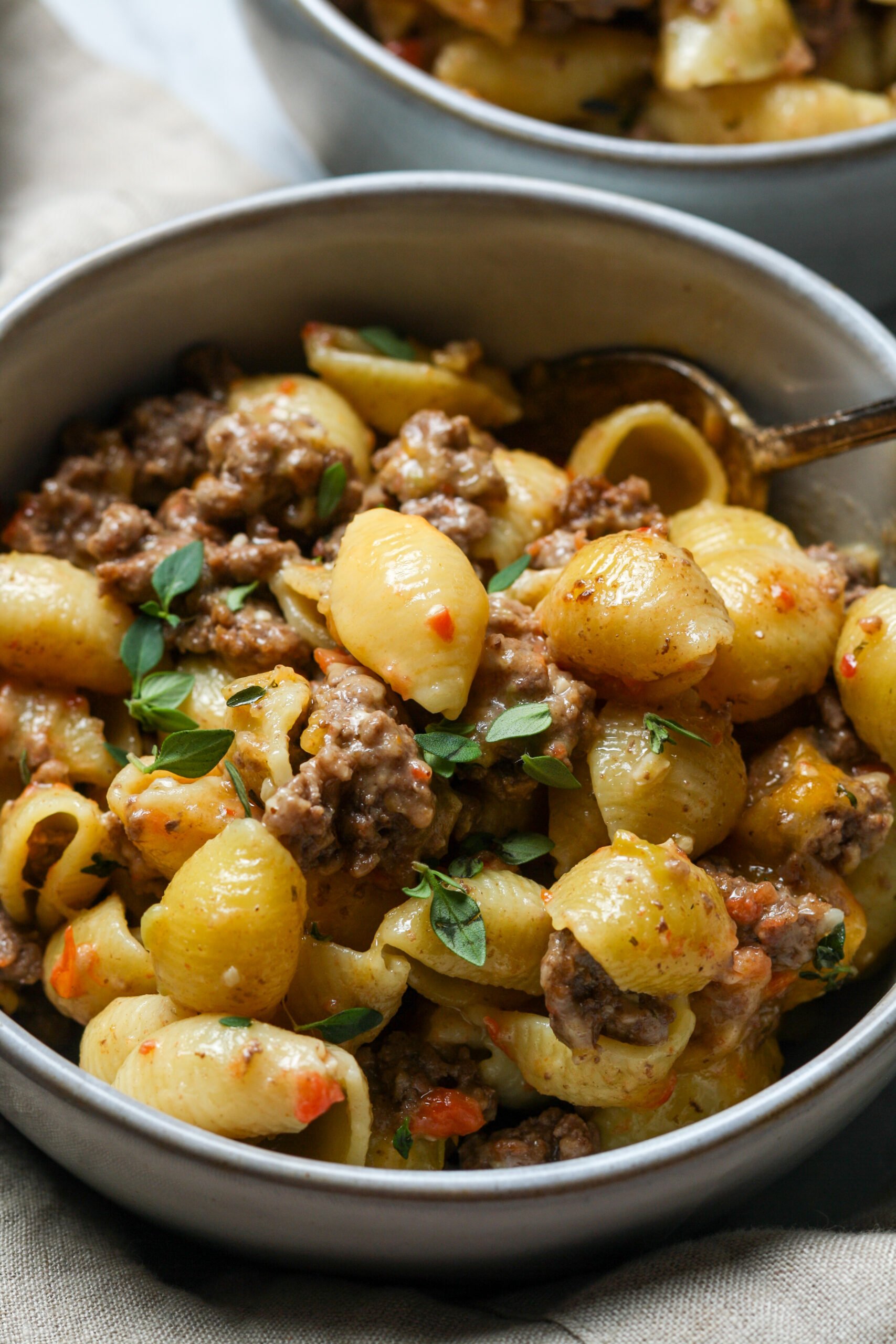
The rich and creamy taco pasta, with its flavorful kick, represents a modern approach to a beloved classic. It embodies the principles of convenient, family-friendly cooking without sacrificing taste or quality, making it a valuable addition to any home cook’s repertoire.