How Ariadne Labs and the U.S. Coalition for Early T1D Action Are Revolutionizing Pediatric Type 1 Diabetes Screening Through Lived Experience

For thousands of families worldwide, the trajectory of a pediatric type 1 diabetes (T1D) diagnosis follows a terrifying and dangerously uniform script. A child begins exhibiting subtle, easily overlooked symptoms—constant thirst, unexplained fatigue, frequent urination—which are frequently dismissed as ordinary childhood phases. Before long, the situation escalates into a medical emergency, landing the child in a hospital intensive care unit suffering from diabetic ketoacidosis (DKA), a life-threatening complication characterized by dangerously high blood acid levels. In an instant, parents are plunged into a complex, high-stakes reality defined by round-the-clock blood glucose monitoring, precise carbohydrate counting, and the heavy emotional burden of managing an unforgiving chronic illness while desperately striving to preserve a semblance of normalcy for their child.
This harrowing narrative, however, is increasingly avoidable. The advent of islet autoantibody screening for type 1 diabetes offers a powerful medical tool capable of rewriting this diagnostic script entirely. By identifying children who carry specific autoantibodies years before clinical symptoms manifest, early screening empowers families and pediatricians to anticipate the disease. This proactive window allows for careful monitoring, significantly reduces the terrifying incidence of emergency DKA at onset, and prepares families to manage the condition smoothly if and when clinical symptoms finally appear. Yet, despite the availability of these advanced tests, a profound disconnect remains: many families across the United States remain unaware that early screening exists, how to access it, or what the concrete benefits might be.
Bridging the Gap: The Genesis of the U.S. Coalition for Early T1D Action
To confront these systemic barriers and transform how pediatric type 1 diabetes is identified in primary care settings, Ariadne Labs stepped forward to spearhead a major public health initiative. Operating as a joint center for health systems innovation at Brigham and Women’s Hospital and the Harvard T.H. Chan School of Public Health, Ariadne Labs convened the U.S. Coalition for Early T1D Action. This multidisciplinary collaborative brings together a diverse assembly of 25 key stakeholders, uniting clinicians, pediatric endocrinologists, academic researchers, patient advocates, healthcare policymakers, and—crucially—parents and family members who have personally walked the arduous path of managing T1D.
The primary mandate of the Coalition is to design actionable, scalable pathways and clinical resources that integrate early-stage T1D screening seamlessly into routine pediatric primary care. From the outset, the leadership of Ariadne Labs recognized that designing effective clinical tools from an ivory tower approach would be insufficient. To create resources that genuinely resonated with families standing at the crossroads of medical decision-making, the project team understood that the lived experiences of parents must serve as the absolute north star guiding every phase of development.
Centering the Parent Voice Through the Participant Advisory Council
To ground their technical and clinical innovations in authentic human reality, the Coalition partnered closely with Breakthrough T1D and its established Participant Advisory Council (PAC). This council comprises individuals and parents who have firsthand, intimate experience navigating the labyrinth of early-stage T1D screening, autoantibody monitoring, and eventual clinical diagnosis.
In the formative stages of the initiative, researchers from Ariadne Labs conducted deep qualitative interviews and listening sessions with PAC members. These candid, detailed discussions provided invaluable insights into the emotional and logistical hurdles families face. Rather than relying on abstract clinical assumptions, the design team listened directly to the lived realities of parents grappling with risk assessments.
A powerful illustration of this collaborative methodology emerged during early feedback on screening result communications. One parent shared a deeply confusing experience regarding the post-screening results letter they received. Although their child tested negative for islet autoantibodies, the phrasing and structural layout of the correspondence left the parent entirely uncertain about what the results actually signified or what subsequent actions, if any, were required.
This specific narrative exposed a glaring systemic gap: a critical disconnect between how complex immunological screening data is generated by laboratories and how everyday families actually comprehend and process that information. The parent’s testimony underscored that the clarity, tone, and delivery of medical messaging can profoundly shape a family’s psychological well-being and clinical trajectory. As the parent aptly summarized during the sessions, health information can be profoundly transformative and helpful, but only if it is meticulously tailored to support the exact needs of the people receiving it.
Chronology of Engagement and Expanding Family Perspectives
The trajectory of the U.S. Coalition for Early T1D Action has evolved through a deliberate, structured timeline designed to scale family engagement alongside clinical implementation strategies:
- Pre-Launch Phase: Ariadne Labs initiates exploratory research, identifying early-stage screening gaps in primary care and establishing initial contacts with patient advocacy groups.
- Early Collaboration (PAC Integration): Researchers partner with the Breakthrough T1D Participant Advisory Council to conduct baseline qualitative interviews, mapping the emotional journey of screening and identifying critical communication flaws in test result reporting.
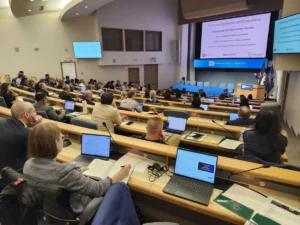
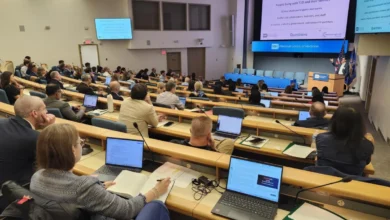
- Formal Coalition Launch (April 2025): The U.S. Coalition for Early T1D Action officially convenes its full roster of 25 multidisciplinary stakeholders at an in-person summit, establishing working groups focused on primary care integration.
- Post-Launch Expansion (Mid-2025 to Present): Family engagement is intentionally broadened. The Coalition expands its outreach beyond parents of diagnosed children to include families with a strong genetic history who deliberately chose against screening, as well as parents completely unfamiliar with type 1 diabetes.
- Resource Refinement and Cross-Sector Adoption: Educational pathways, clinician guides, and parent toolsets are co-created, tested, and subsequently embraced by both families and primary care pediatricians for their exceptional clarity and approachable formats.
Expanding the Scope: Involving Diverse Family Perspectives

Following the formal in-person launch of the Coalition in April 2025, Ariadne Labs and its partners made a concerted effort to broaden the diversity of family voices informing their work. Recognizing that a homogenous advisory group could overlook vital socioeconomic and psychological viewpoints, the project team actively recruited parents from a wide spectrum of backgrounds.
This expanded cohort included not only families whose children had successfully navigated screening and monitoring, but also parents whose strong familial history of type 1 diabetes placed their offspring at elevated statistical risk yet ultimately chose to decline screening. Additionally, the initiative incorporated perspectives from parents who possessed little to no prior knowledge of type 1 diabetes before entering the study.
By synthesizing this mosaic of viewpoints, the Coalition ensured that the resulting clinical pathways, educational brochures, and digital tools remained relevant, empathetic, and crystal clear for all families, regardless of their starting point along the healthcare continuum.
An Unanticipated Benefit: Clinicians Embrace Family-Centric Tools
One of the most fascinating developments during the resource-testing phase was an unexpected shift in how medical professionals interacted with the newly minted materials. While Ariadne Labs initially set out to design distinct categories of resources—complex, data-heavy toolsets for clinical providers alongside simplified educational leaflets for families—primary care clinicians consistently gravitated toward the family-focused materials.
Pediatricians and primary care providers reported that the family-centered tools utilized plain language, intuitive step-by-step instructions, and approachable visual formats that made complex immunological concepts vastly easier to explain during routine check-ups. Rather than relying on dense clinical jargon, physicians utilized the parent-tested resources to facilitate transparent, jargon-free conversations with patients and their guardians, fostering a genuine shared understanding of diabetes risk and metabolic health.
The Broader Implications and Public Health Impact
The collaborative model pioneered by Ariadne Labs and the U.S. Coalition for Early T1D Action offers a compelling blueprint for modern health systems innovation. By dismantling traditional hierarchies that position patients solely as passive recipients of care—and instead elevating individuals and parents as authentic co-creators of health solutions—the initiative demonstrates how clinical research can successfully harmonize technical rigor with deep emotional intelligence.
Public health analysts note that expanding routine autoantibody screening in pediatric primary care has the potential to drastically reduce the nearly 30% to 40% of children who currently experience diabetic ketoacidosis at the time of their initial type 1 diabetes diagnosis. DKA is not only medically perilous, often requiring pediatric intensive care admission, but it also imposes significant psychological trauma on the child and family while generating substantial hospital expenditures.
Furthermore, early detection protocols open the door to emerging disease-modifying therapies designed to delay the onset of clinical stage 3 type 1 diabetes, preserving endogenous insulin production and easing the transition to long-term management. For these medical advances to translate into real-world population health gains, the communication channels between laboratories, primary care physicians, and parents must be airtight, transparent, and empathetic.
Looking Forward: A Call to Action for Future Research
The resounding success of integrating the Participant Advisory Council into the work of Ariadne Labs underscores a vital lesson for the broader medical research community. The authors strongly recommend that any future clinical research, diagnostic guideline development, or healthcare delivery improvement initiative concerning type 1 diabetes actively embed patient and family voices from inception through completion.
By honoring lived experience as a legitimate and rigorous form of qualitative data, healthcare innovators can design systems that heal not just the biological manifestations of disease, but the human anxiety and confusion that so often accompany chronic illness diagnoses.
Families or individuals interested in learning more about early detection, understanding autoantibody screening protocols, or exploring opportunities to join the Participant Advisory Council can reach out to Michelle Simes-Kennedy via email or visit the official Breakthrough T1D Early Detection and Screening resource portal to access comprehensive educational guides designed to keep families informed, empowered, and prepared.