The Rise of High-Protein Meal Prep
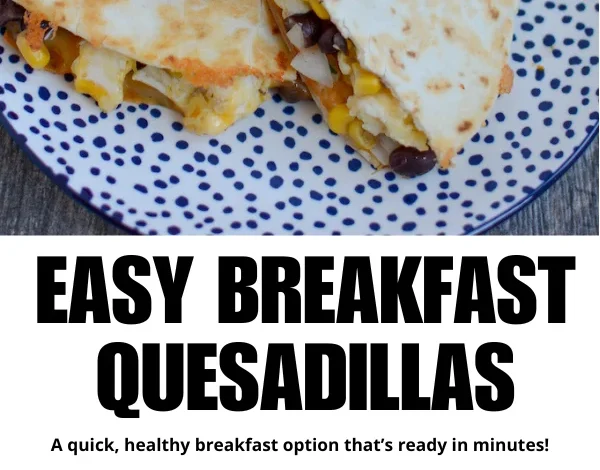
The modern breakfast landscape has evolved significantly over the past decade. With a renewed focus on protein-forward diets, nutritional experts have increasingly recommended starting the day with substantial protein intake—ideally between 25 and 35 grams—to regulate blood sugar levels and enhance satiety throughout the morning. Breakfast quesadillas, when prepared with nutrient-dense ingredients like black beans and eggs, inherently hit these targets.
Data from recent consumer behavior studies indicate that over 60% of home cooks are now engaging in some form of weekly food preparation. The primary motivation for this shift is the need to minimize morning decision fatigue and reduce reliance on high-sugar, low-fiber convenience foods. The breakfast quesadilla serves as a practical intersection between convenience and health, offering a portable format that can be customized to accommodate various dietary requirements, including gluten-free or plant-based preferences.
Nutritional Composition and Health Implications
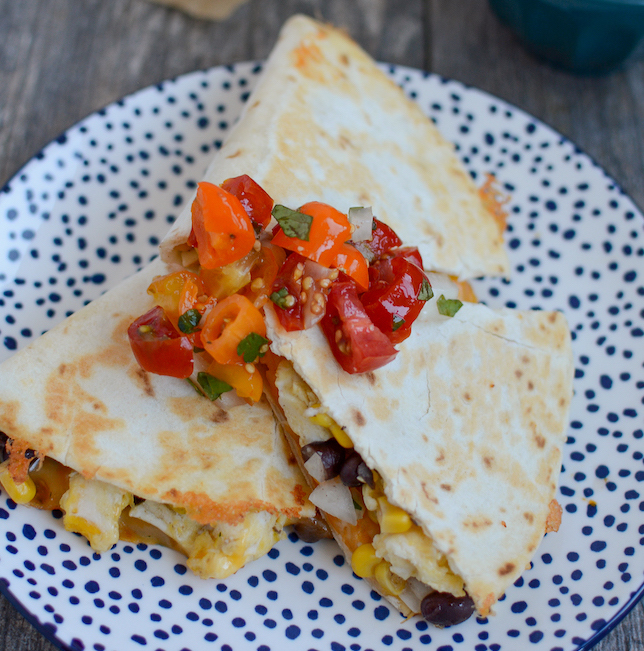
From a nutritional standpoint, the standard breakfast quesadilla provides a synergistic blend of carbohydrates, fats, and proteins. Eggs offer high-quality, complete protein, while beans contribute essential dietary fiber, which is frequently lacking in the average Western diet. The addition of cheese provides calcium and supplementary protein, rounding out a meal that is both filling and metabolically stable.
Clinical nutritionists often highlight that fiber intake is critical for gut health and glucose regulation. By utilizing black or pinto beans, a single quesadilla can provide upwards of 8 to 10 grams of fiber. When served on a whole-wheat or high-fiber tortilla, this value increases further, effectively bridging the "fiber gap" that many adults face before noon. Furthermore, the inclusion of healthy fats—often added via avocado or olive oil—aids in the absorption of fat-soluble vitamins, making the dish a comprehensive nutritional solution.
Chronology of Culinary Preparation
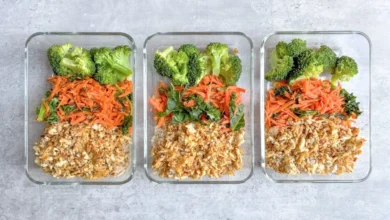
Effective meal preparation for freezer-friendly quesadillas requires a disciplined approach to moisture control and thermal management. The process begins with the preparation of the filling—typically a scramble of eggs and beans—followed by assembly within the tortilla.
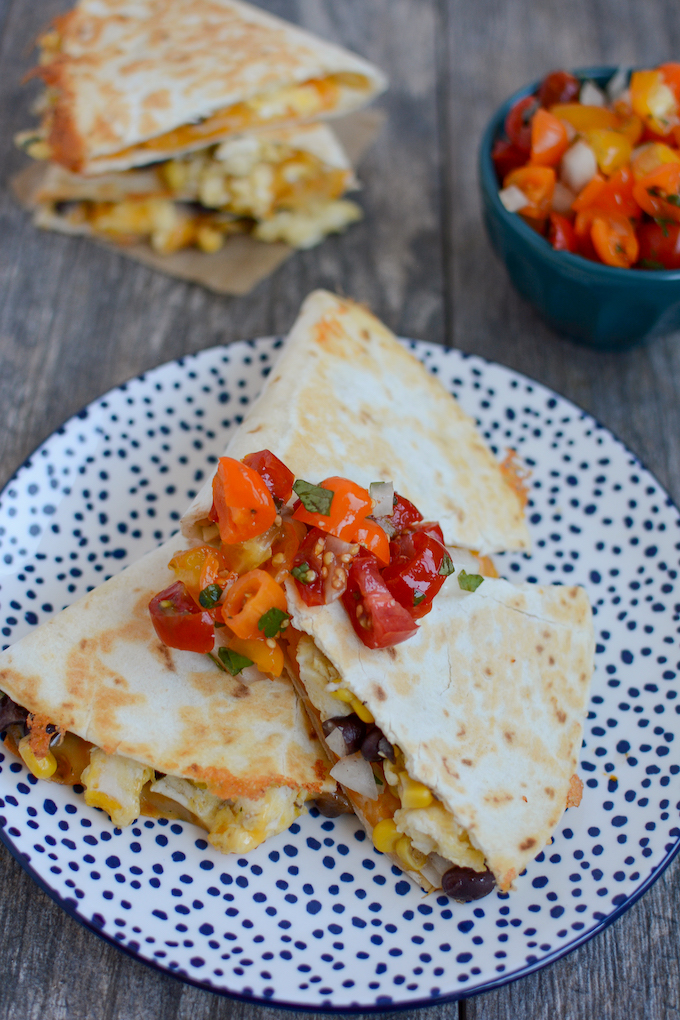
- Phase 1: Preparation. Ingredients are cooked and cooled to room temperature. Introducing heat to the freezer bag is the primary cause of moisture buildup, which leads to the "soggy" texture often associated with failed meal-prep attempts.
- Phase 2: Flash Freezing. Quesadillas are placed on a cooling rack and then a baking sheet in a single layer. This "flash freeze" method, lasting approximately 90 to 120 minutes, ensures that the structure of the quesadilla hardens before it is subjected to the compression of a storage bag.
- Phase 3: Vacuum/Airtight Storage. Once frozen, the items are transferred to airtight Ziploc bags or vacuum-sealed containers. This step is crucial for preventing freezer burn, which can alter the chemical composition of the cheese and the texture of the tortilla over extended periods.
The Technical Challenges of Reheating
The primary criticism of frozen breakfast items has historically been the degradation of texture during the reheating process. Conventional microwave heating often creates hot spots and uneven condensation, resulting in a soft, unappealing tortilla.
The industry standard for restoring these items to their original, crispy state is the air fryer. By circulating hot, dry air at approximately 380 degrees Fahrenheit, the air fryer effectively dehydrates the surface of the tortilla while simultaneously warming the interior. This convective heat transfer is the key to maintaining the structural integrity of the meal. Experts suggest a 10-to-12-minute cycle, with a necessary rotation at the halfway point, to ensure that the internal temperature reaches a food-safe level without compromising the exterior crunch.
Broader Market Impact and Consumer Trends
The popularity of these items reflects a broader movement toward "functional convenience." As the cost of dining out continues to rise, households are increasingly looking to optimize their grocery budgets. A batch of breakfast quesadillas, when calculated per serving, is significantly more cost-effective than comparable items purchased at fast-casual restaurants or coffee shops.
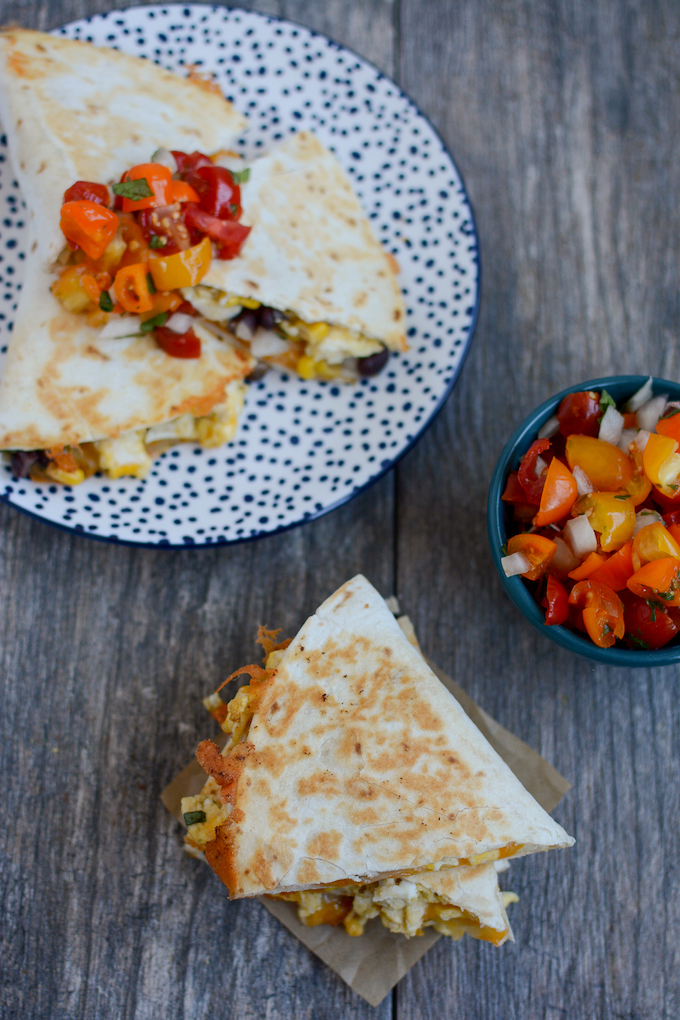
Furthermore, the environmental impact of this trend is notable. By reducing the frequency of single-use, take-out containers and minimizing food waste through intentional portioning, families can reduce their ecological footprint. The "batch cooking" methodology is now being integrated into mainstream nutrition curricula, with registered dietitians advocating for it as a primary tool for sustainable long-term health.
Expert Perspectives on Sustainable Nutrition
Registered dietitians have long emphasized that the "best" breakfast is one that an individual will actually eat consistently. By lowering the barrier to entry—through pre-prepared, freezer-stable options—individuals are far more likely to adhere to healthier eating patterns.
"The psychological relief of having a nutritious meal ready to go cannot be overstated," says one nutrition analyst. "When the morning decision is already made, the likelihood of choosing a high-sugar, pre-packaged snack diminishes significantly." This behavioral shift has profound implications for public health, particularly in the management of obesity and Type 2 diabetes, where breakfast consumption patterns play a critical role in metabolic health.
Conclusion and Future Outlook
As home-cooking technology continues to improve—specifically with the ubiquity of high-powered air fryers and improved food storage solutions—the viability of freezer-based meal prep will likely expand. The breakfast quesadilla serves as a model for this evolution: simple, high-impact, and easily adaptable to regional tastes and dietary needs.
Future developments in this space may include the integration of more diverse plant-based proteins, such as tempeh or lentils, and the refinement of tortilla technology to include ancient grains like amaranth or teff. For now, however, the combination of eggs, beans, and cheese remains the gold standard for a convenient, protein-rich morning start. By following strict cooling and reheating protocols, home cooks can ensure that their preparation efforts result in a meal that is as satisfying as it is functional, proving that convenience does not have to come at the expense of quality.
Ultimately, the shift toward these homemade, freezer-ready breakfasts marks a significant victory for consumer autonomy in nutrition. As more individuals move away from the hyper-processed options of the past, they are reclaiming the kitchen as a space for both health-building and efficiency, setting a precedent for a more intentional approach to daily dietary habits. Whether one is a busy student, a working parent, or an athlete managing a tight schedule, the breakfast quesadilla remains a reliable, scientifically sound, and economically prudent choice for the modern lifestyle.