Curating Inclusivity: Essential Black History Month Literature and Representation in Early Childhood Education

Early childhood educators across the nation face the ongoing responsibility of demonstrating to young children that the world extends far beyond their immediate neighborhoods. While urban children may encounter a diverse tapestry of cultures on their daily commutes, children in rural or homogeneous communities often lack this immediate, everyday variety. To bridge this gap, educators and librarians are increasingly turning to thoughtfully chosen literature that highlights the contributions, lived experiences, and distinct voices of Black Americans. This intentional curation aims to broaden young minds, foster empathy, and establish a foundational understanding of a diverse global society long before children enter formal primary grades.
The Developmental Importance of Representation in Preschool Libraries
Decades of educational research underscore the profound psychological and social impact of representation in early childhood literature. When young children encounter characters who share their physical traits, cultural backgrounds, and familial structures, it validates their existence and reinforces the message that their stories hold inherent value. This visibility cultivates healthy self-esteem, self-confidence, and a vital sense of belonging within the classroom community.

Conversely, when children read about lives, traditions, and environments different from their own, they develop cognitive flexibility, cross-cultural understanding, and mutual respect. According to developmental psychologists, children begin noticing racial and ethnic differences as early as infancy, forming implicit biases by preschool age if left unguided. Diverse libraries serve as an antidote to these early biases, creating an environment where every student—regardless of their geographic location or demographic background—sees themselves and their peers reflected positively in the world of books. Literacy experts note that omitting diverse perspectives from early learning environments sends an unintentional yet damaging message that certain groups are invisible or unimportant.
Bridging History and Everyday Joy: Nonfiction and Fiction Selections

Educators mapping out curriculum frameworks for Black History Month often balance historical nonfiction with relatable, everyday fiction. Nonfiction picture books introduce preschoolers to foundational historical concepts—such as courage, fairness, perseverance, and civic responsibility—using age-appropriate language and engaging illustrations. These true stories establish that ordinary individuals, including children, have historically stepped forward to instigate profound societal change.
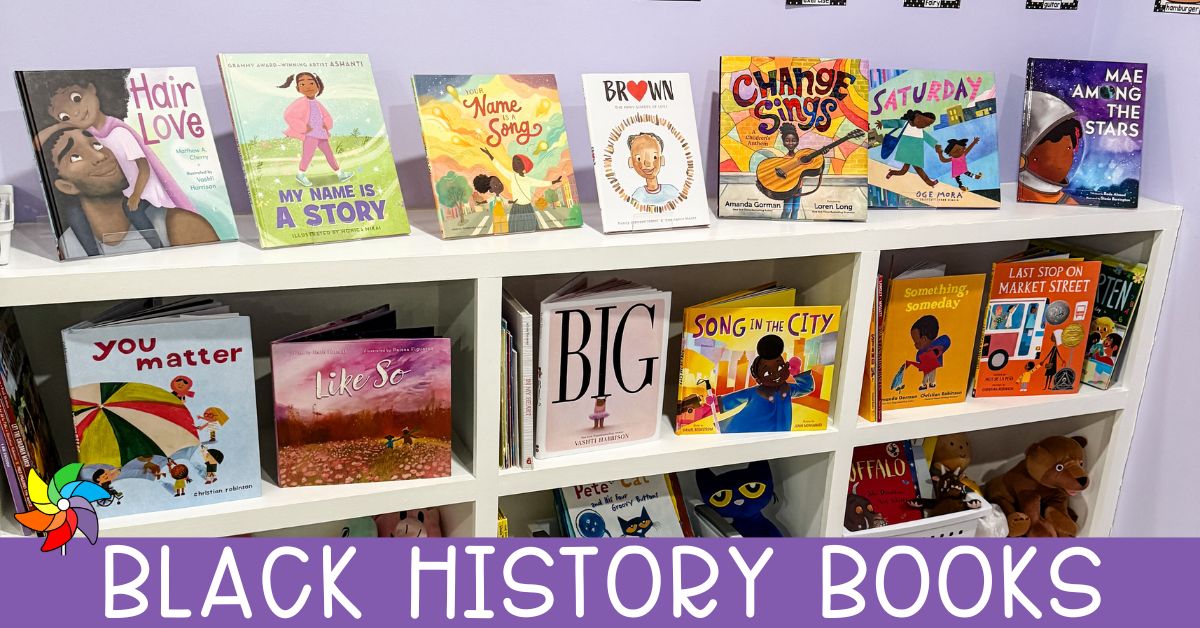
Among the prominent nonfiction titles recommended for preschool classrooms is Stand Up! by Brittney Cooper, which profiles ten trailblazing women who fought for justice. The volume bridges historical Civil Rights figures, such as Ruby Bridges and Rosa Parks, with contemporary advocates like Bree Newsome. Similarly, Mae Among the Stars by Roda Ahmed chronicles the childhood of Mae Jemison, inspiring young learners with the true story of the first African American woman to travel into space.

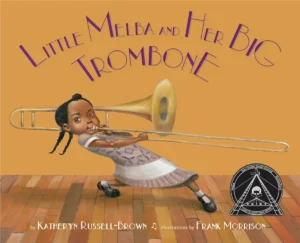
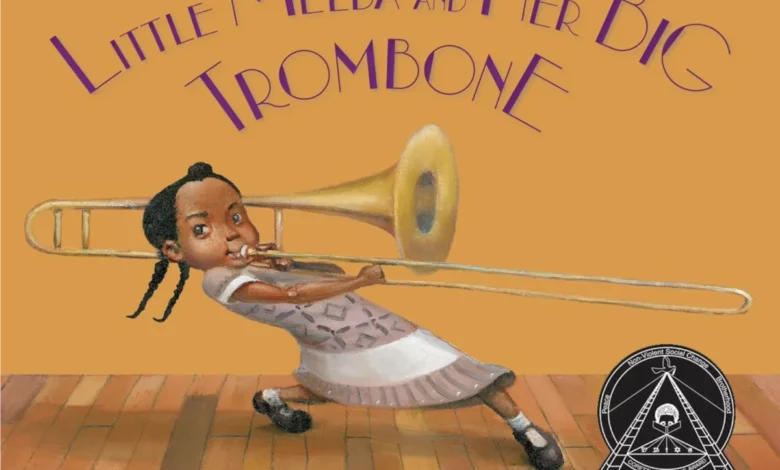
Historical events are also brought down to a child’s scale in Let the Children March by Monica Clark-Robinson, which revisits the 1963 Birmingham Children’s Crusade, illustrating how thousands of young people peacefully protested segregation laws. Music history enters the preschool space through Katheryn Russell-Brown’s Little Melba and Her Big Trombone, detailing the musical journey of jazz trailblazer Melba Liston, while Rita Lorraine Hubbard and Oge Mora’s The Oldest Student introduces Mary Walker, who learned to read at age 116, spanning the eras from the Civil War to the Civil Rights Movement.
Equally vital to early childhood curricula are fictional works celebrating everyday joy, family bonds, and cultural pride. Vashti Harrison’s Big explores body positivity and emotional resilience, while Kaija Langley’s When Langston Dances follows a young boy discovering his passion for ballet after viewing the Alvin Ailey American Dance Theater. Additional titles like Angela Joy’s Black is a Rainbow Color, Matthew A. Cherry’s Hair Love, and Oge Mora’s Saturday anchor children in familiar routines, emphasizing that Black joy, family love, and community warmth are central components of the human experience.

Chronology and Historical Context of Black History Month
The observance of Black History Month stems from decades of advocacy for historical inclusivity. Its origins trace back to February 1926, when historian Carter G. Woodson and the Association for the Study of Negro Life and History launched "Negro History Week." This specific week was chosen to coincide with the birthdays of Abraham Lincoln and Frederick Douglass, two figures pivotal to the abolition of slavery and the advancement of civil rights in the United States.

For decades, the week served as a focal point for schools and communities to recognize African American contributions that standard history textbooks routinely omitted. By 1976, as part of the United States Bicentennial, the federal government officially expanded the observance into Black History Month. President Gerald Ford issued a formal proclamation urging Americans to "seize the opportunity to honor the too-often neglected accomplishments of Black Americans in every area of endeavor throughout our history."
In the contemporary educational landscape, the integration of Black history has evolved from a calendar-bound February obligation into a year-round pedagogical philosophy. Early childhood education specialists argue that infusing diverse narratives into daily read-alouds, center activities, and classroom libraries ensures that multiculturalism is treated as an organic component of American history rather than a compartmentalized event.

Data and Empirical Insights on Early Literacy and Diversity
National educational data illustrates a persistent gap in diverse representation within children’s literature. According to statistical tracking by the Cooperative Children’s Book Center (CCBC) at the University of Wisconsin-Madison, which monitors the demographics of characters in children’s books, literature featuring Black, Indigenous, and People of Color (BIPOC) has historically accounted for a fraction of total annual publications. Although incremental progress has been made over the last decade—with publishers increasingly prioritizing diverse authors and protagonists—educators still encounter challenges in curating balanced, high-quality classroom libraries for young learners.

Furthermore, early literacy studies published by organizations such as the National Association for the Education of Young Children (NAEYC) indicate that children engaged with culturally inclusive texts exhibit higher levels of engagement, empathy development, and reading comprehension. When preschoolers can connect narrative themes to their own lives or develop genuine curiosity about the lives of others, their overall literacy acquisition is accelerated.
Official Responses and Educator Guidelines

Educational governing bodies and literacy advocacy groups have established explicit guidelines regarding the implementation of diverse literature in early learning environments. The NAEYC emphasizes that anti-bias education should be woven into the fabric of daily preschool routines. According to NAEYC framework documents, teachers are encouraged to critically evaluate their classroom materials to ensure that children from all backgrounds see their identities affirmed, while children from dominant cultures learn to value diversity.
Literacy specialists advise educators to utilize a three-part framework when selecting books for preschool classrooms: mirrors, windows, and sliding glass doors. Coined by scholar Dr. Rudine Sims Bishop, this philosophy posits that books should serve as mirrors reflecting a child’s own reality, windows offering views into the lives of others, and sliding glass doors allowing readers to step imaginatively into different lived experiences. By applying this framework to Black History Month book selections, educators provide a comprehensive literary diet that honors both extraordinary historical achievements and the quiet beauty of everyday life.

Broader Impact and Sociological Implications
The intentional integration of diverse historical and fictional narratives in early childhood education carries significant long-term sociological implications. Sociologists and educators note that biases formed during early childhood can harden into prejudice during adolescence and adulthood if left unaddressed. By introducing multifaceted representations of Black Americans during the preschool years—showcasing scientists, musicians, civil rights activists, and children engaged in ordinary, joyful activities—educators dismantle monolithic stereotypes before they can take root.

This pedagogical shift also impacts family and community engagement. When children bring home stories reflecting diverse cultural heritages, conversations about history, identity, and empathy extend outward from the classroom into living rooms and community spaces. Experts suggest that these micro-interactions foster a more cohesive, culturally competent society over time. As schools nationwide continue to refine their curricula, the expansion of inclusive library collections remains a cornerstone of equitable, forward-thinking educational practice, ensuring that the foundational years of learning reflect the true mosaic of the human story.
Related posts: