The Sweet Success of Classroom Cooking: Preschoolers Whip Up Homemade Applesauce to Conclude Autumn Curriculum

The crisp autumn air has officially settled into the classroom, bringing with it a rich curriculum dedicated entirely to one of the season’s most iconic fruits: the apple. Following the resounding success of an interactive baking project involving miniature apple pies, educators sought a culminating activity that would reinforce early childhood learning objectives through culinary arts. The solution was as educational as it was delicious: a hands-on, slow-cooked batch of homemade applesauce prepared entirely by the students. This immersive cooking project combined fine and gross motor skill development, sensory exploration, and nutritional education, offering a comprehensive learning experience that extended far beyond traditional classroom instruction.
The Educational Framework Behind Classroom Cooking
Early childhood education experts have long championed cooking as a multidisciplinary teaching tool. Engaging young children in the preparation of food naturally incorporates mathematics through counting and measuring, science through observing changes in states of matter, and language arts through the introduction of new vocabulary words such as "peel," "core," "simmer," and "puree."
For this particular project, the apple unit served as the thematic anchor for the school week. Children examined various apple varieties, explored their physical properties, and engaged in taste-testing exercises. The transition from studying the fruit to preparing a consumable product allowed students to experience the complete farm-to-table cycle on a micro-scale. Educators noted that experiential learning projects of this nature significantly improve information retention and foster positive attitudes toward trying new, wholesome foods.
Chronology of the Applesauce Project: From Orchard to Crockpot
The applesauce-making process was meticulously planned as a multi-step chronological activity, broken down across the school day to maintain engagement among young learners.
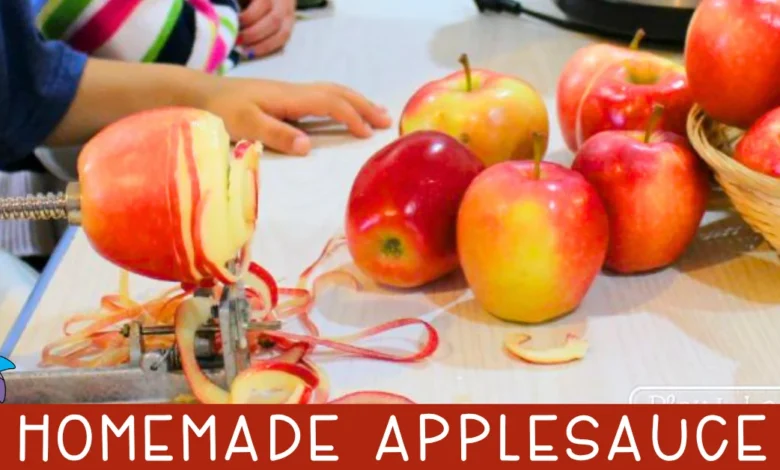
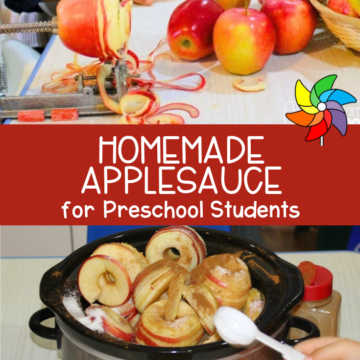
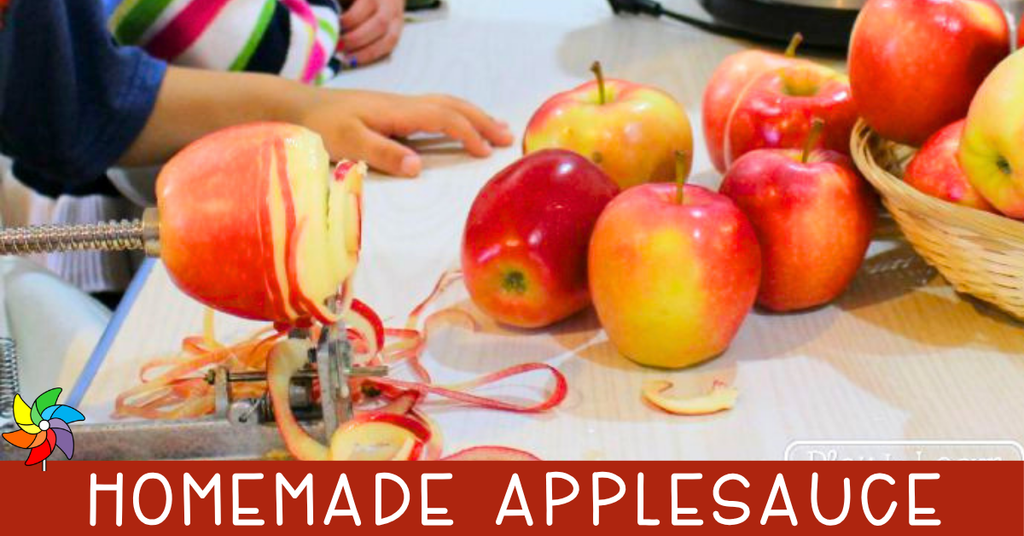
The morning session began with the preparation phase. The initial lesson plan called for each child to process a single apple using a hand-cranked mechanical peeler, corer, and slicer machine. However, the interactive nature of the tool proved unexpectedly popular among the students. Driven by enthusiasm, the children eagerly lined up for additional turns, ultimately processing approximately 20 apples in total. Educators playfully reclassified the activity as an impromptu gross motor physical education exercise, noting the core engagement, bilateral coordination, and upper-body exertion required to operate the mechanical slicer.
Material selection played a critical role in the success of the mechanical processing stage. Educators reported that firm, crisp apple varieties—specifically Gala apples—navigated the blades smoothly and retained their structural integrity during the initial prep work. Previous attempts utilizing softer varieties, such as Red Delicious, had proven frustrating due to the fruit’s tendency to bruise and jam within the mechanical apparatus.
Following the slicing phase, the activity transitioned to the classroom kitchen station. The students transferred the freshly sliced fruit directly into a large slow cooker. Under the guidance of their teachers, the children participated in measuring and adding the secondary ingredients: water, ground cinnamon, and granulated sugar.
The Slow-Cooking Process and Sensory Engagement
Once assembled in the crockpot, the apples were set to cook on a low temperature setting for an extended duration of approximately eight hours. This prolonged thermal processing allowed the fruit to break down naturally, softening the fibrous tissue and amalgamating the flavors of the cinnamon and sugar into a cohesive mixture.
The slow-cooking method yielded an immediate sensory byproduct throughout the facility. The rich, aromatic scent of warm cinnamon and stewed apples permeated the hallways, creating an inviting atmosphere closely associated with seasonal traditions. Educators observed that olfactory stimuli played a subtle yet powerful role in reinforcing the seasonal theme, evoking discussions among the children regarding autumn weather, changing foliage, and harvest traditions.
Upon completion of the cooking cycle, the tender apple mixture underwent a final refinement process. A supervising adult transferred the stewed fruit into a standard kitchen blender, pulsing the mixture briefly to achieve a traditional, smooth applesauce consistency while retaining a slight rustic texture.
Culinary Reception and Visual Perception Challenges
The moment of truth arrived during the afternoon snack period, when the freshly prepared applesauce was served to the class. Student reactions yielded a fascinating case study in food psychology and the impact of visual expectations on children.

While the flavor profile received generally favorable reviews, the visual appearance of the homemade product presented a hurdle for some participants. Unlike commercially manufactured applesauce, which often undergoes chemical treatments, straining, or the addition of ascorbic acid to maintain a bright, uniform golden hue, the preservative-free classroom batch oxidized during the eight-hour slow-cooking process. This resulted in a natural, deeper brownish coloration.
Several students expressed initial hesitation, noting that the dish "did not look like" the commercially packaged applesauce they typically consumed at home or in school cafeterias. This reaction highlighted a broader consumer trend: modern children are frequently accustomed to highly standardized, aesthetically altered food products, making natural oxidation an unexpected visual barrier. Nevertheless, a significant portion of the class consumed their portions with enthusiasm.
The remaining supply was subsequently brought home by the lead educator, where family members quickly finished the batch and formally requested a repeat performance for future household gatherings.
Broader Implications and Nutritional Value
From a nutritional standpoint, preparing applesauce from scratch offers distinct advantages over many commercial alternatives. By managing the ingredient list directly, educators and parents can control the amount of added refined sugars and eliminate artificial preservatives or color enhancers. Apples are naturally rich in dietary fiber (particularly pectin), vitamin C, and various antioxidants, contributing to cardiovascular health and regulated digestion.

Furthermore, integrating cooking activities into preschool curricula promotes lifelong healthy eating habits. When children participate in the preparation of whole foods, they develop a sense of ownership and curiosity that often translates into a greater willingness to consume fruits and vegetables.
As educational institutions continue to seek innovative ways to blend tactile learning with standard academic concepts, seasonal culinary projects like the preschool applesauce initiative demonstrate enduring value. By transforming a simple afternoon snack into a multidisciplinary lesson in science, mechanics, and nutrition, the classroom successfully turned a humble harvest fruit into an unforgettable educational milestone.