The Definitive Guide to Ethically Sourced and Sustainable Plus-Size Fashion in the United Kingdom


The fashion industry in the United Kingdom is currently undergoing a significant shift as consumer demand for both environmental accountability and size inclusivity reaches a historical peak. For many years, the sustainable fashion movement was critiqued for its narrow approach to body representation. While the average UK woman wears a size 16, much of the initial "slow fashion" wave failed to offer sizes beyond a standard range, effectively alienating a large segment of the population. Today, however, the landscape is evolving, with a growing number of British retailers integrating sustainable practices—such as ethical labor standards, organic materials, and circular production—with extended sizing that reaches up to a UK size 32.
The Historical Context and the Inclusivity Gap
The disparity between the average UK dress size and the offerings of ethical fashion labels has been a point of contention for over a decade. In 2013, when early sustainability advocacy platforms first began tracking the market, the intersection of ethics and plus-size fashion was virtually nonexistent. Most brands producing ethically made clothing ceased their size runs at a UK 14 or 16, labeling these as "extended" sizes.

This failure to provide adequate sizing was often justified by brands as a result of complex pattern-making requirements or perceived lack of demand. However, industry analysts now argue that this was a failure of market research and design infrastructure. The lack of representation was not merely a matter of convenience; it was a structural barrier that prevented millions of consumers from participating in the transition toward a more circular and environmentally responsible wardrobe.
A Chronology of Market Shifts
The movement toward inclusive sustainability gained momentum in the late 2010s, driven by a combination of social media activism and increased pressure on brands to report on their supply chain ethics.
- 2005: Seasalt Cornwall becomes the first fashion company to achieve Soil Association GOTS certification, setting a precedent for organic material usage on the high street.
- 2017: Public discourse regarding body image and the "size 16 average" in the UK intensifies, leading to increased pressure on sustainable brands to expand their ranges.
- 2020–2022: The global pandemic forces a shift in consumer behavior, prioritizing comfort and longevity, which benefits brands specializing in organic cotton basics and durable knitwear.
- 2023–2025: Mainstream adoption of circular economy models—such as repair services and deadstock utilization—becomes the new benchmark for brands aiming to maintain ethical credentials while serving a broader demographic.
Evaluating Sustainable Retailers for the Curvy Consumer
For those seeking to align their purchasing habits with their ethical values, several UK-based and UK-accessible brands have emerged as leaders in size-inclusive design.
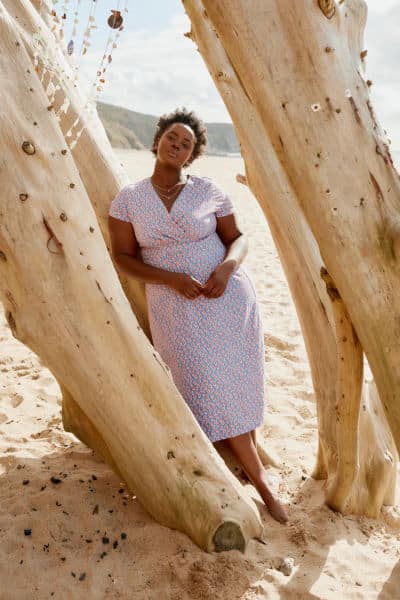
Seasalt Cornwall: High-Street Accessibility
Seasalt has carved out a unique position by bringing sustainable materials to the mass market. The brand focuses on GOTS-certified organic cotton and recycled materials. By offering sizes up to a UK 28, they provide a bridge for shoppers who previously relied on fast fashion. While their accessibility is commendable, industry critics have noted that their marketing materials often lack diverse representation, a critique that the brand continues to face as it scales its operations.
The Spark Company: Value-Driven Activism
Operating at a lower price point (under £50 per item), The Spark Company combines slow fashion principles with social advocacy. By producing organic cotton apparel that features messages focused on feminist and LGBTQ+ rights, they have successfully captured a younger, socially conscious demographic. Their commitment to transparency is bolstered by a zero-waste policy and a partnership with the charity Bloody Good Period, which addresses menstrual equity.
Not Basics: Tackling Textile Waste
Not Basics offers a blueprint for how smaller brands can address the environmental impact of textile waste. By utilizing deadstock fabric—leftover material from other manufacturers—the brand produces underwear, leggings, and loungewear that would otherwise be destined for landfill. By capping their sizing at a UK 22, they are actively working to prove that sustainable staples can be both comfortable and environmentally neutral.

The Nearly New Cashmere Co.: The Circular Economy in Practice
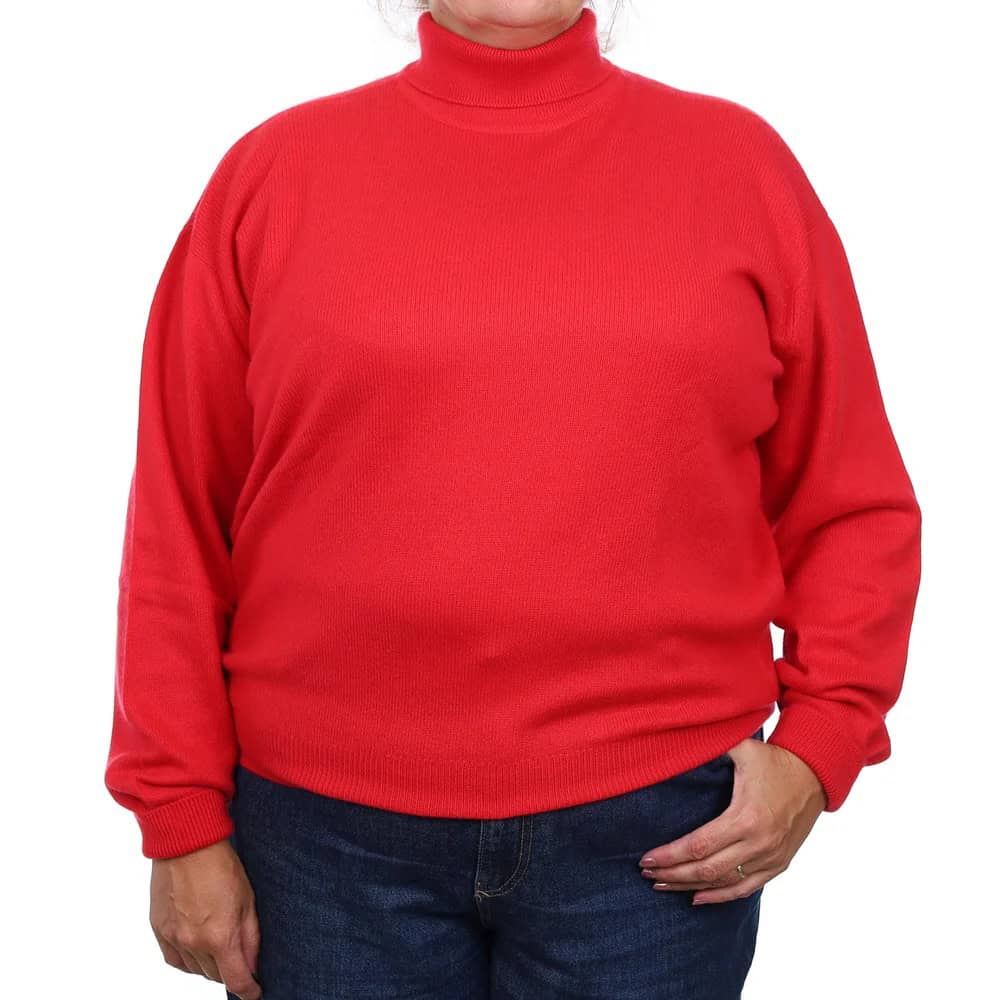
Based in Yorkshire, this company offers a specialized approach to luxury. By sourcing pre-loved 100% pure cashmere and restoring it to "as-new" condition, they offer a sustainable alternative to the high carbon footprint associated with new wool production. Their repair service is a critical component of their business model, extending the lifecycle of garments and catering to sizes up to 26.
Lucy & Yak: Scaling Sustainable Production
Recognized for their iconic dungarees and bold prints, Lucy & Yak has set a high standard for supply chain transparency. Their garments, which go up to a size 32, are produced in audited factories that prioritize the well-being of the workforce. The brand frequently uses organic cotton and recycled polyester, providing a case study for how a mid-sized company can maintain ethical standards while achieving significant scale.
Girlfriend Collective: Activewear and Recycled Materials
While based in the United States, Girlfriend Collective is widely available in the UK via retailers like The Sports Edit. Their activewear is produced from post-consumer recycled plastic bottles, and they maintain a closed-loop system through their "ReGirlfriend" scheme, which allows customers to return old items for recycling. With size availability up to a UK 30, they remain a primary choice for sustainable sportswear.
Economic and Environmental Implications
The transition to inclusive sustainable fashion has profound economic implications. According to the Waste and Resources Action Programme (WRAP), the UK fashion industry is one of the largest contributors to textile waste, with millions of tonnes of clothing discarded annually. By extending size ranges, brands reduce the likelihood of "wardrobe churn"—where garments are bought and discarded quickly due to poor fit or quality—and tap into a market segment that has historically been underserved.
However, the cost of ethical production remains a barrier. Ethical manufacturing, which mandates fair wages, safe working conditions, and the use of organic, non-toxic dyes, is inherently more expensive than the "fast fashion" model. This creates a pricing disparity that can exclude lower-income consumers. Advocacy groups suggest that if the industry is to truly transform, the focus must shift from purely "ethical consumption" to policy changes that mandate corporate transparency across the entire sector.
Strategies for the Conscious Consumer
For shoppers who find the price point of some sustainable brands prohibitive, experts emphasize that ethical fashion is a spectrum. Supporting the movement does not always require a new purchase. Consumers can:
- Prioritize Longevity: Focus on garment care to extend the life of existing clothes.
- Engage in Direct Communication: Contact brands that do not offer inclusive sizing to express demand. Brands often cite "lack of request" as a reason for not extending their size ranges; collective consumer feedback is a recognized driver of change.
- Utilize Secondary Markets: Platforms for pre-loved clothing are increasingly sophisticated and allow consumers to access high-quality, sustainable brands at a fraction of the original retail cost.
Future Outlook
The landscape of plus-size sustainable fashion is no longer a niche segment but a vital component of the broader move toward responsible retail. As brands face increasing pressure from legislative bodies and consumer advocacy groups to improve their environmental and social reporting, the standard for what constitutes an "inclusive" brand will continue to rise. Moving forward, the focus will likely shift toward true circularity—ensuring that not only is the clothing made ethically, but that it is designed to be fully recyclable, repairable, and representative of the diverse human form.
Related posts: