Early Childhood Educators Expand Classroom Libraries with Diverse Literature for Black History Month and Beyond

Early childhood educators across the nation are increasingly intentional about curating inclusive classroom libraries, recognizing that the foundation of empathy, global awareness, and self-esteem is established in the earliest years of schooling. As communities prepare for Black History Month, schools and preschool programs are turning to a curated selection of literature that bridges the gap between historical nonfiction and the everyday realities of Black children and families. This movement highlights a growing consensus among child development experts, educators, and literacy advocates who argue that diverse reading materials are not supplementary, but rather essential to a comprehensive early education.

The imperative to introduce diverse perspectives to young learners stems from well-documented demographic and geographic realities in modern education. While children growing up in metropolitan centers may encounter a mosaic of cultures during their daily routines, students in rural or homogenous communities often experience a more limited cultural landscape. Literacy experts emphasize that educators carry a professional responsibility to demonstrate that the world extends far beyond a child’s immediate neighborhood. Thoughtfully chosen books celebrating the contributions, histories, and daily lives of Black Americans serve as vital windows and mirrors, offering young minds a broader understanding of human experiences.

The Developmental Importance of Representation in Early Childhood
Child development research consistently underscores the profound psychological impact of representation in literature. When young children encounter characters who share their racial identity and cultural background within the pages of a book, it reinforces the intrinsic value of their own stories. This visual and narrative validation fosters self-confidence and a deep sense of belonging. Conversely, when children engage with stories depicting lives and traditions different from their own, they cultivate foundational capacities for empathy, perspective-taking, and cross-cultural respect.

According to data compiled by literacy watchdogs and educational research organizations, early exposure to diverse books significantly mitigates implicit bias during formative developmental stages. Cognitive studies indicate that children begin noticing racial differences as early as infancy, and by preschool age, they actively absorb societal messages about race and status. Providing balanced literary representation helps counteract harmful stereotypes before they take root, creating an inclusive classroom culture where every student feels seen and valued.

Nonfiction Picture Books: Historical Figures and Timeless Values
To introduce historical concepts to preschoolers without overwhelming them, educators rely heavily on nonfiction picture books that translate complex themes—such as courage, perseverance, justice, and community leadership—into accessible narratives. Rather than focusing on the granular details of systemic oppression, these books highlight foundational human virtues through the lives of real change-makers.

Among the prominent titles utilized in modern classrooms is Stand Up!, authored by Brittney Cooper. The book introduces young readers to ten women who fought for justice, spanning historical figures like Civil Rights icons Ruby Bridges and Rosa Parks to contemporary advocates like Bree Newsome. Through simple language and guided discussions, children explore how ordinary individuals use their voices to challenge injustice.

Similarly, Roda Ahmed’s Mae Among the Stars recounts the childhood of Mae Jemison, chronicling her journey to becoming the first African American woman in space. The narrative emphasizes the importance of parental support, resilience, and unyielding ambition. For lessons on grassroots activism, Monica Clark-Robinson’s Let the Children March transports readers to 1963 Birmingham, Alabama, detailing how thousands of children peacefully protested segregation laws, demonstrating that youth civic engagement has a historic precedent.

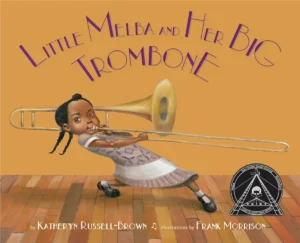
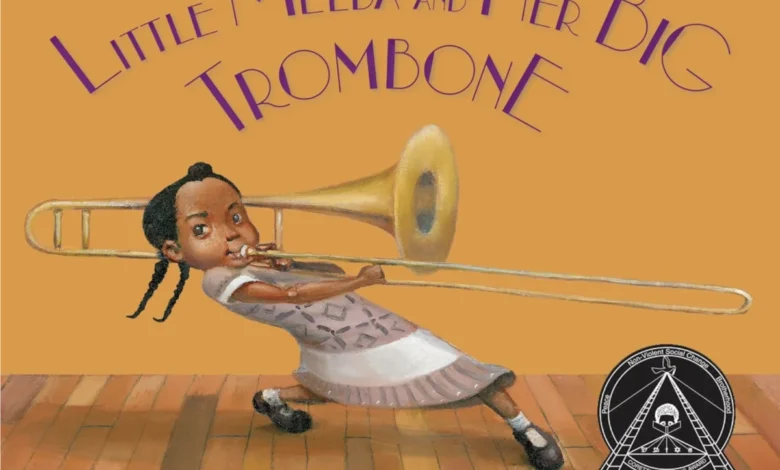
Biographical picture books also extend into the arts and education. Katheryn Russell-Brown’s Little Melba and Her Big Trombone introduces children to jazz musician Melba Liston, illustrating her trailblazing career amidst racial and gender barriers. In The Oldest Student, authors Rita Lorraine Hubbard and Oge Mora tell the remarkable true story of Mary Walker, who learned to read at the age of 116, spanning an era from the Civil War through the Civil Rights Movement. This narrative provides a powerful lesson on lifelong learning and determination.

Fiction and Everyday Joy: Normalizing Diverse Experiences
While historical narratives are crucial, literacy advocates emphasize that Black history and culture cannot be confined solely to struggles, civil rights movements, or extraordinary achievements. A truly comprehensive classroom library must also celebrate everyday joy, family warmth, and the ordinary milestones of childhood. Books depicting Black children playing in snow, visiting libraries, navigating family dynamics, or simply reflecting on their own identities normalize these experiences as universal.

Vashti Harrison’s award-winning book Big explores self-acceptance and the emotional weight of taking up space in a world that often attempts to categorize children. In When Langston Dances by Kaija Langley, a young boy discovers a passion for ballet after attending a performance by the Alvin Ailey American Dance Theater, challenging traditional gender norms while celebrating cultural expression.

Poetic works like Angela Joy’s Black is a Rainbow Color weave heritage and pride into accessible language for young minds, while Matthew A. Cherry’s Hair Love celebrates family bonds, natural hair, and paternal dedication. Other notable fiction and conceptual titles—such as Nancy Johnson James and Constance Moore’s Brown: The Many Shades of Love, Matt de la Peña’s Last Stop on Market Street and Milo Imagines the World, Oge Mora’s Saturday, Grace Byers’s I Am Enough, Ruth Forman’s Like So, Parker Curry’s Parker Looks Up, and Lupita Nyong’o’s Sulwe—collectively address themes of gratitude, urban family life, overcoming colorism, and inherent self-worth.

Implications and Institutional Guidance
Educational institutions, including the National Association for the Education of Young Children (NAEYC), have increasingly provided frameworks and resources for educators wishing to address race, equity, and inclusion in early childhood settings. Professional guidelines suggest that discussions surrounding diversity should not be isolated to designated heritage months, but rather integrated seamlessly throughout the academic calendar.

The broader implications of these literacy practices extend far beyond the preschool classroom. Analysts note that early literacy interventions shape long-term social attitudes, civic participation, and institutional inclusivity. By establishing a balanced library that honors both historical triumphs and the quiet beauty of everyday life, early childhood educators lay the groundwork for a more empathetic, culturally literate, and interconnected society.
Related posts: