Essential Literature for Young Learners: A Comprehensive Guide to Black History Month Books for Preschool and Early Education

The integration of diverse literature in early childhood education has shifted from a recommended practice to a fundamental pedagogical necessity, as educators increasingly recognize their responsibility to present a worldview that extends beyond a child’s immediate geographical and cultural borders. In urban environments, children may encounter a multitude of cultures in their daily transit, whereas those in rural or homogeneous settings often rely on curated classroom resources to experience the breadth of the American narrative. By strategically selecting literature that highlights the contributions, lived experiences, and creative voices of Black Americans, educators can facilitate a more nuanced understanding of history and society for preschoolers. This initiative is particularly critical during Black History Month, though experts argue that such representation must be a year-round commitment to be truly effective.
The Quantitative Case for Representation in Early Literacy
The necessity of diverse books is supported by a growing body of research regarding child development and literacy outcomes. According to the Cooperative Children’s Book Center (CCBC), which tracks diversity in children’s publishing, there has been a documented increase in books featuring Black protagonists, moving from roughly 3.3% in 1985 to approximately 13% in 2022. However, educational psychologists note that a "representation gap" still exists when compared to the demographic reality of the American student population.
Research indicates that when children see characters who reflect their own physical attributes and family structures—a concept often referred to as "mirrors"—they experience a reinforced sense of belonging and self-worth. Conversely, "windows" allow children to peer into lives different from their own, fostering empathy and reducing the development of implicit biases. For preschool-aged children, whose cognitive frameworks regarding race and identity are in their formative stages, these literary encounters serve as foundational building blocks for social-emotional intelligence.

Historical Context and the Evolution of Black History Month
The observance of Black History Month in educational settings is rooted in the work of Dr. Carter G. Woodson, who established "Negro History Week" in 1926. Woodson chose the second week of February to coincide with the birthdays of Abraham Lincoln and Frederick Douglass. By 1976, the celebration was expanded to a full month by President Gerald Ford, who urged Americans to "seize the opportunity to honor the too-often neglected accomplishments of Black Americans in every area of endeavor throughout our history."
In the context of preschool education, the focus has evolved from a narrow curriculum centered on a few prominent figures to a more comprehensive approach. This modern strategy includes "everyday representation"—showing Black children in universal roles—alongside the celebration of historical pioneers. This dual approach ensures that Black history is not viewed merely as a series of struggles or isolated events, but as an integral, vibrant part of the ongoing American story.

A Chronology of Diverse Children’s Literature
To understand the current landscape of preschool literature, it is essential to view the timeline of its development:
- 1965: Nancy Larrick publishes "The All-White World of Children’s Books" in the Saturday Review, highlighting the near-total absence of Black children in contemporary literature.
- 1970: The Coretta Scott King Book Awards are established to recognize outstanding African American authors and illustrators.
- 2014: The "We Need Diverse Books" movement gains momentum, advocating for systemic changes in the publishing industry to reflect the lives of all young readers.
- 2020-Present: A significant surge in "own voices" narratives, where authors from underrepresented groups write from their own lived experiences, providing greater authenticity to preschool libraries.
Non-Fiction and Biographies: Introducing Real-World Courage
Biographical picture books for preschoolers are designed to translate complex historical legacies into accessible themes such as fairness, perseverance, and bravery. Educators recommend several key titles that introduce these concepts through the lives of real people.

Advocacy and Activism
Stand Up! by Brittney Cooper serves as a collective biography, introducing ten women who significantly impacted the Civil Rights Movement and contemporary social justice. By featuring both historical figures like Ruby Bridges and Rosa Parks alongside modern activists like Bree Newsome—who gained national attention for removing the Confederate flag from the South Carolina State House—the book demonstrates that the fight for equity is a continuous process.
Similarly, Let the Children March by Monica Clark-Robinson provides a focused look at the 1963 Birmingham Children’s Crusade. This narrative is particularly resonant for preschoolers as it highlights the agency of children, showing that even the youngest members of society can participate in creating systemic change.

Science and Exploration
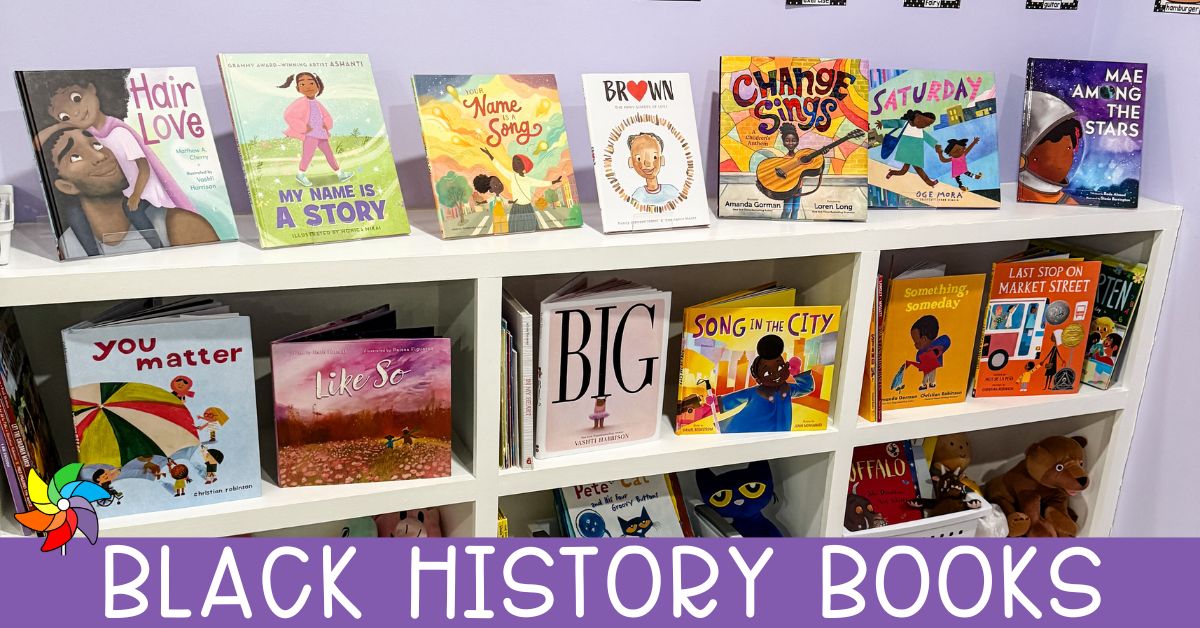
Mae Among the Stars by Roda Ahmed explores the childhood of Mae Jemison, the first African American woman to travel into space. The narrative emphasizes the role of parental support and personal determination, making the abstract concept of "reaching for the stars" a tangible goal for young learners.
The Arts and Lifelong Learning
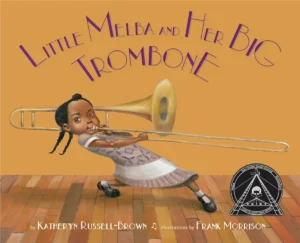
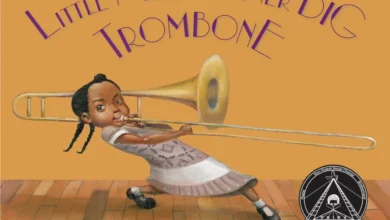
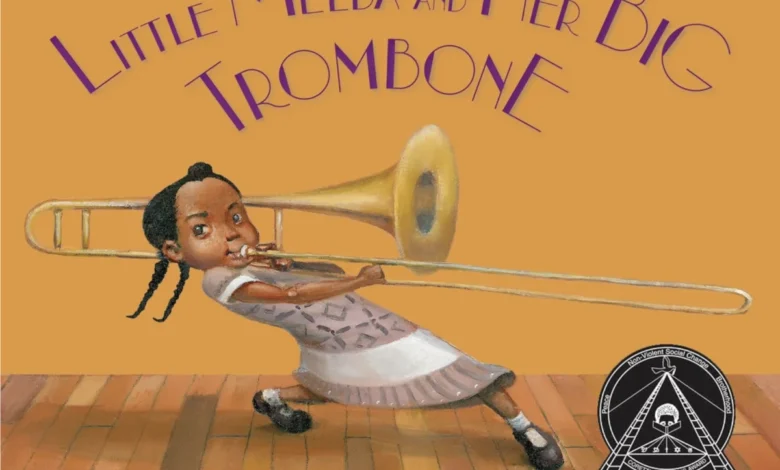
The story of Melba Liston in Little Melba and Her Big Trombone by Katheryn Russell-Brown introduces children to the world of jazz. Despite facing gender and racial barriers, Liston became a world-class musician and arranger for legends like Duke Ellington. The book’s vibrant illustrations and rhythmic prose make it an ideal tool for integrating music history into the literacy curriculum.

For themes of perseverance, The Oldest Student by Rita Lorraine Hubbard tells the remarkable true story of Mary Walker, who learned to read at the age of 116. Having lived through the Civil War and the Civil Rights Movement, Walker’s life provides a sweeping historical perspective while reinforcing the message that it is never too late to pursue education.
The Importance of "Everyday Joy" in Fiction
A critical component of a balanced preschool library is the inclusion of "Black Joy"—stories that focus on the mundane, happy, and imaginative aspects of daily life. Literacy advocates argue that if Black characters are only presented in the context of struggle or historical trauma, it creates a skewed perception of Black life.

Identity and Self-Acceptance
Vashti Harrison’s Big addresses the social-emotional challenges of a child navigating world-wide perceptions of size and space. Through minimalist text and evocative art, it explores how words can impact self-esteem. Sulwe by Lupita Nyong’o deals specifically with colorism, helping children understand and celebrate the beauty of dark skin through a whimsical, celestial metaphor.
Family Bonds and Traditions
Books like Hair Love by Matthew A. Cherry and Like So by Ruth Forman celebrate the intimate rituals of family life, such as hair styling and the bond between grandparents and grandchildren. Hair Love, which was adapted into an Academy Award-winning short film, has been credited with supporting the cultural shift toward embracing natural hair textures, a movement reflected in legislative efforts like the CROWN Act.

Urban Life and Community
Last Stop on Market Street by Matt de la Peña and Saturday by Oge Mora depict the richness of urban environments. These stories emphasize gratitude and resilience, showing how simple activities—like a bus ride or a trip to the park—can be transformed into meaningful experiences through perspective and companionship.
Imagination and Perception
In Milo Imagines the World by Matt de la Peña, a young boy on a subway ride learns to challenge his own assumptions about the people around him. This narrative is essential for teaching preschoolers about the dangers of stereotyping and the importance of looking beyond surface-level appearances.

Inferred Reactions and Professional Analysis
Prominent educators and literacy organizations, such as the National Association for the Education of Young Children (NAEYC), emphasize that the selection of these books must be intentional. "When kids grow up not seeing themselves in books, they grow up feeling like they don’t matter," notes author Eric Smith. This sentiment is echoed by many in the field who argue that a lack of representation is a form of "symbolic annihilation."
Professional analysis suggests that the impact of these books extends beyond the individual child. By normalizing diversity in the classroom, schools can create a more inclusive culture that reduces bullying and fosters a sense of safety for minority students. Furthermore, these books provide a natural springboard for classroom discussions about fairness and kindness, which are central to the preschool social studies curriculum.

Broader Impact and Educational Implications
The long-term implications of diversifying preschool literature are significant. As these children progress through the educational system, the early exposure to varied perspectives prepares them for a globalized workforce and a multicultural society.
Moreover, the success of these titles has influenced the publishing industry to seek out more diverse creators. This shift ensures that the stories being told are not just about Black characters, but are written and illustrated by Black artists, providing an additional layer of authenticity and cultural nuance.

In conclusion, the curation of Black History Month books for preschool is a vital exercise in building a more equitable future. By balancing historical narratives with stories of contemporary joy, educators provide a rich, multi-dimensional view of Black life. These books do more than teach history; they cultivate the empathy, curiosity, and respect necessary for the next generation to thrive in a diverse world. As the late Maya Angelou famously stated, "Diversity makes for a rich tapestry, and we must understand that all the threads of the tapestry are equal in value no matter what their color." Through the power of the picture book, this philosophy becomes a daily reality in the early childhood classroom.
Related posts: