Mediterranean Bean Salad: A Nutritional and Economic Approach to Modern Meal Preparation

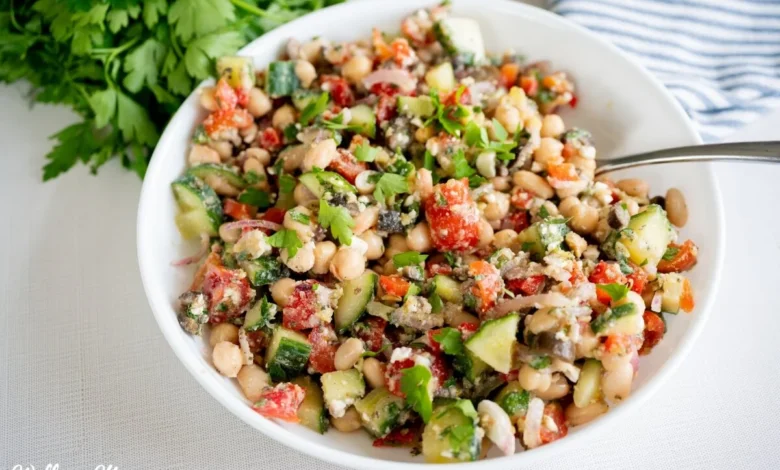
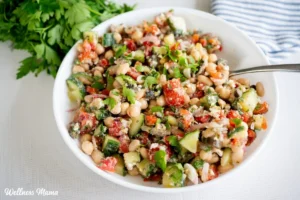
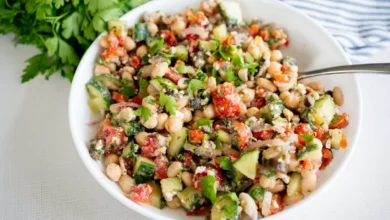
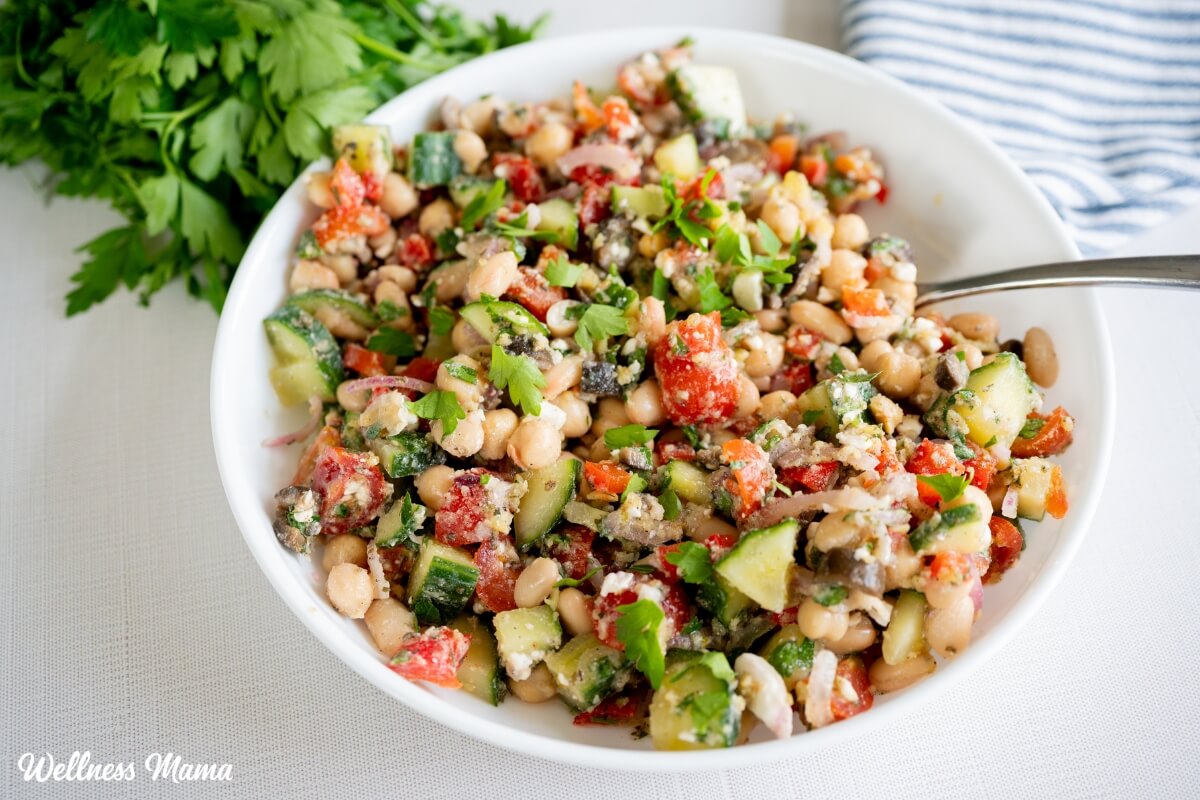
The rising trend in home-based meal preparation, often referred to as "batch cooking," has seen a significant shift toward nutrient-dense, shelf-stable, and cost-effective dietary choices. Among the recipes gaining traction in professional culinary circles and home kitchens alike is the Mediterranean bean salad. This dish serves as a case study for the integration of legumes—specifically chickpeas and cannellini beans—as a primary source of plant-based protein and fiber, offering a viable alternative to traditional, greens-based salads that frequently succumb to oxidation and moisture loss when stored.
The Evolution of Batch Cooking and Dietary Trends
The concept of batch cooking, or "meal prepping," has evolved from a niche efficiency hack into a mainstream strategy for managing dietary intake amidst increasingly complex work-life schedules. Industry data suggests that consumers are moving away from processed convenience foods toward "assembly-style" meals that prioritize whole ingredients. This transition is supported by the Mediterranean diet framework, which is consistently ranked by health organizations as one of the most sustainable and heart-healthy dietary patterns globally.
The Mediterranean bean salad is emblematic of this shift. By utilizing shelf-stable pantry staples like canned legumes, olive oil, and dried herbs, households can mitigate the financial impact of rising food costs while ensuring access to a balanced meal. Unlike salads comprised of delicate leafy greens—such as arugula or romaine—which lose their structural integrity within 24 to 48 hours of dressing, a bean-based salad offers a longer refrigeration shelf life of three to four days, making it an ideal candidate for weekly meal planning.
Nutritional Profile and Ingredient Analysis
The efficacy of the Mediterranean bean salad lies in its nutritional composition. A standard one-cup serving provides approximately 200 calories, with a significant distribution of macronutrients including 8 grams of protein and 6 grams of dietary fiber. This combination of complex carbohydrates and protein is conducive to satiety, a critical factor in weight management and metabolic health.
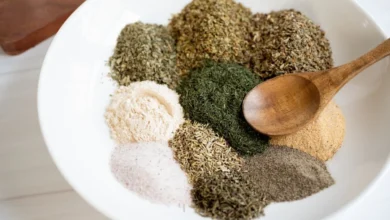
The inclusion of high-quality extra-virgin olive oil provides monounsaturated fats and Omega-3 fatty acids, which have been linked to cardiovascular health and reduced systemic inflammation. Furthermore, the use of lemon juice serves as a natural preservative and a source of Vitamin C, which enhances the absorption of non-heme iron found in the beans. The aromatic profile—derived from fresh parsley, mint, oregano, and garlic—not only provides flavor but also introduces phytonutrients and antioxidants into the diet.
The following nutritional breakdown illustrates the density of this dish:
- Total Fat: 11g (17% DV)
- Carbohydrates: 20g (7% DV)
- Protein: 8g (16% DV)
- Fiber: 6g (25% DV)
These metrics underscore why nutritionists frequently categorize legume-based salads as "nutrient-dense," a classification reserved for foods that provide substantial vitamins, minerals, and other health-promoting components with relatively few calories.
Chronology of Flavor Development
Culinary experts note that the Mediterranean bean salad benefits from a "maturation period." Unlike hot dishes served immediately, the flavor profile of this salad is positively influenced by time. When allowed to rest for a minimum of 15 minutes—or ideally, overnight in the refrigerator—the dressing, consisting of olive oil, lemon juice, and herbs, undergoes a process of osmosis. The acidic lemon juice softens the cellular structure of the vegetables, while the beans absorb the seasoned oil, resulting in a more cohesive and depth-oriented flavor profile by the second day of storage.
This chronological improvement is a key advantage for individuals with restricted time. The ability to assemble the salad on a Sunday evening and see an improvement in quality by Wednesday lunch highlights the intersection of convenience and culinary excellence.
Economic and Logistical Implications
From an economic perspective, the Mediterranean bean salad represents a significant cost saving compared to pre-packaged or restaurant-prepared salads. By purchasing dried or canned legumes in bulk and utilizing seasonal produce like tomatoes, cucumbers, and bell peppers, households can significantly reduce their "cost-per-meal" ratio.
Logistically, the recipe’s flexibility serves as a hedge against food waste. The base recipe is inherently adaptable; chickpeas can be substituted with Great Northern beans or butter beans, and vegetables can be swapped based on regional availability. This modularity is a core tenet of sustainable kitchen management, encouraging the use of existing pantry stock rather than requiring the purchase of specific, single-use ingredients.
Broader Public Health Impact
The rise of such simple, plant-forward recipes is reflective of broader public health goals aimed at reducing the consumption of ultra-processed foods. As the global population faces increasing rates of diet-related illnesses, the promotion of accessible, whole-food recipes serves as an intervention strategy.
Professional nutritionists and dietitians often emphasize the importance of "crowding out"—a strategy where individuals focus on adding nutrient-dense foods (like beans and vegetables) to their diet, which naturally displaces less nutritious options. The Mediterranean bean salad functions effectively within this framework, providing a high-volume, low-cost, and easily reproducible template for healthy eating.
Expert Perspectives on Implementation
While the recipe is straightforward, culinary researchers suggest that the "shaken" method for dressing preparation is superior to manual whisking for emulsification. Utilizing a mason jar for the dressing allows for a stable emulsion of olive oil and lemon juice, ensuring that the dressing coats each ingredient evenly rather than pooling at the bottom of the container.
Furthermore, the addition of proteins such as grilled chicken, salmon, or tofu at the time of consumption allows the dish to function as a foundation for a variety of meal types, from a side dish at a summer barbecue to a standalone high-protein lunch. This versatility is essential for long-term dietary adherence, as it prevents the "flavor fatigue" often associated with repetitive meal prep.
Conclusion and Future Outlook
The Mediterranean bean salad is more than a simple recipe; it is a manifestation of the modern demand for functional food. It addresses the triad of contemporary dietary concerns: nutrition, convenience, and cost. As supply chain volatility continues to impact food prices, the ability to rely on shelf-stable legumes and fresh, seasonal produce will likely remain a pillar of household food security.
As we look toward the future of home cooking, the emphasis on "assembly-based" meals that require minimal heat and equipment is expected to grow. Recipes like the Mediterranean bean salad demonstrate that one does not need professional culinary training or an extensive budget to consume a diet that aligns with international health standards. By focusing on fundamental, whole-food ingredients and efficient storage techniques, consumers can successfully navigate the challenges of a busy lifestyle while maintaining a commitment to personal wellness. The simplicity of the ingredients—chickpeas, cucumbers, feta, and fresh herbs—belies the complexity of the nutritional benefits they offer, making this dish a perennial staple in the landscape of modern, health-conscious living.
Related posts: