The Ultimate Guide to Ethical and Sustainable Plus-Size Fashion in the UK

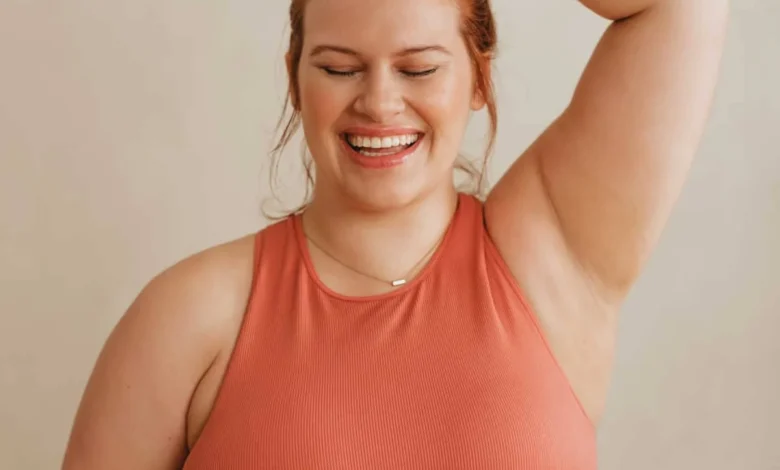
The landscape of the British fashion industry has undergone a significant transformation over the past decade, yet the intersection of ethical production and size inclusivity remains a complex challenge. While the average UK woman wears a size 16, historical industry data indicates that sustainable fashion brands have frequently struggled to provide apparel that mirrors this demographic reality. For years, the sustainable clothing sector was characterized by limited sizing, often capping at a UK 14 or 16, effectively marginalizing a large portion of the consumer base. This disparity has sparked a growing movement within the industry to reconcile environmental responsibility with the fundamental need for equitable representation.
A Chronology of Inclusivity in Sustainable Fashion
The history of plus-size sustainable fashion in the UK is a narrative of gradual, albeit necessary, evolution. In the early 2010s, the ethical fashion movement was largely defined by a minimalist, boutique approach that focused on natural fibers and fair-wage production, but rarely extended to sizes beyond the standard high-street range. By 2013, consumer demand began to rise, as shoppers sought to align their personal values with their aesthetic needs. However, the market response was sluggish.

Between 2015 and 2020, the rise of the "slow fashion" movement—a response to the environmental degradation caused by mass-market, fast-fashion retailers—forced a reckoning within the ethical sector. Critics and industry analysts pointed out that a truly sustainable industry cannot be one that excludes the majority of the population. As a result, several pioneering brands began to expand their size curves, utilizing the same audited supply chains and low-impact materials to serve a broader range of body types. Today, the market has matured, with several UK-based and accessible brands now offering ranges that extend up to a UK size 32.
Data-Driven Perspectives on Market Representation
The necessity for size-inclusive ethical fashion is underscored by clear demographic data. Research from various health and fashion bodies, including the Independent, has confirmed that the UK average size sits firmly at a 16. Despite this, a significant number of "conscious" brands have historically utilized sizing charts that prioritize smaller silhouettes, citing manufacturing complexities and the increased costs of grading patterns for larger sizes as primary hurdles.
However, a shift in market sentiment is evident. Recent retail analytics indicate that brands providing inclusive sizing experience higher customer loyalty and lower return rates, as the fit becomes more reliable for a wider audience. The transition toward size inclusivity is not merely a social mandate but a strategic business decision as consumers increasingly prioritize "values-based shopping."
Key Brands Leading the Change
Several companies have emerged as leaders in this space, effectively bridging the gap between high-ethical standards and diverse sizing.
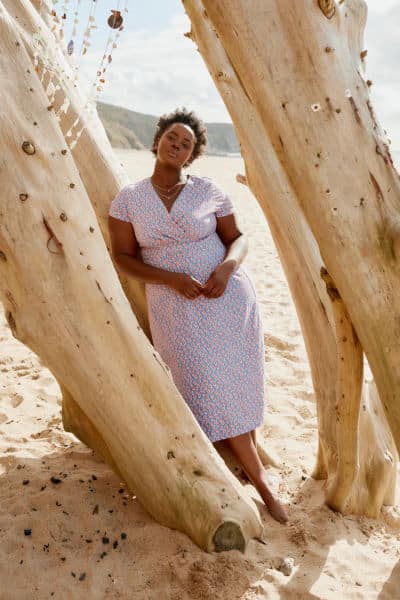
Seasalt, for instance, has long been a fixture of the UK high street. Achieving GOTS (Global Organic Textile Standard) certification as early as 2005, the company has integrated sustainability into its core operations. With collections now extending to a UK size 28, Seasalt demonstrates that high-street scalability and organic material sourcing are not mutually exclusive.
The Spark Company has taken a different approach, focusing on the intersection of activism and apparel. By producing organic cotton garments that feature progressive social messaging, they have established a business model that is both accessible and mission-driven. Their commitment to transparency is bolstered by a zero-waste policy and the use of vegan dyes, while their partnership with the charity Bloody Good Period underscores a commitment to menstrual equity, extending their ethical focus beyond the factory floor.

For those seeking versatile staples, Not Basics has addressed the need for sustainable undergarments and loungewear. By utilizing deadstock fabric—textile waste that would otherwise be destined for landfill—the brand reduces its environmental footprint while offering pieces up to a size 22. Similarly, The Nearly New Cashmere Co. has tapped into the circular economy. By rescuing and restoring pre-loved cashmere, they provide a luxury, low-impact option that extends up to a size 26, effectively proving that pre-owned clothing is a viable pillar of the sustainable market.
Lucy & Yak has become a prominent name in the movement, particularly for its use of diverse marketing and inclusive sizing that reaches a UK 32. Their focus on independently audited factories and the utilization of GOTS-certified organic cotton and recycled materials provides a blueprint for how larger-scale sustainable fashion can operate.
International players have also influenced the UK market. Girlfriend Collective, available through major UK retailers, has set a high bar for activewear. By manufacturing garments from recycled plastic bottles and utilizing a closed-loop recycling scheme—the ReGirlfriend program—they have demonstrated the potential for technical innovation in sustainable textiles.
Broader Industry Implications and Future Outlook
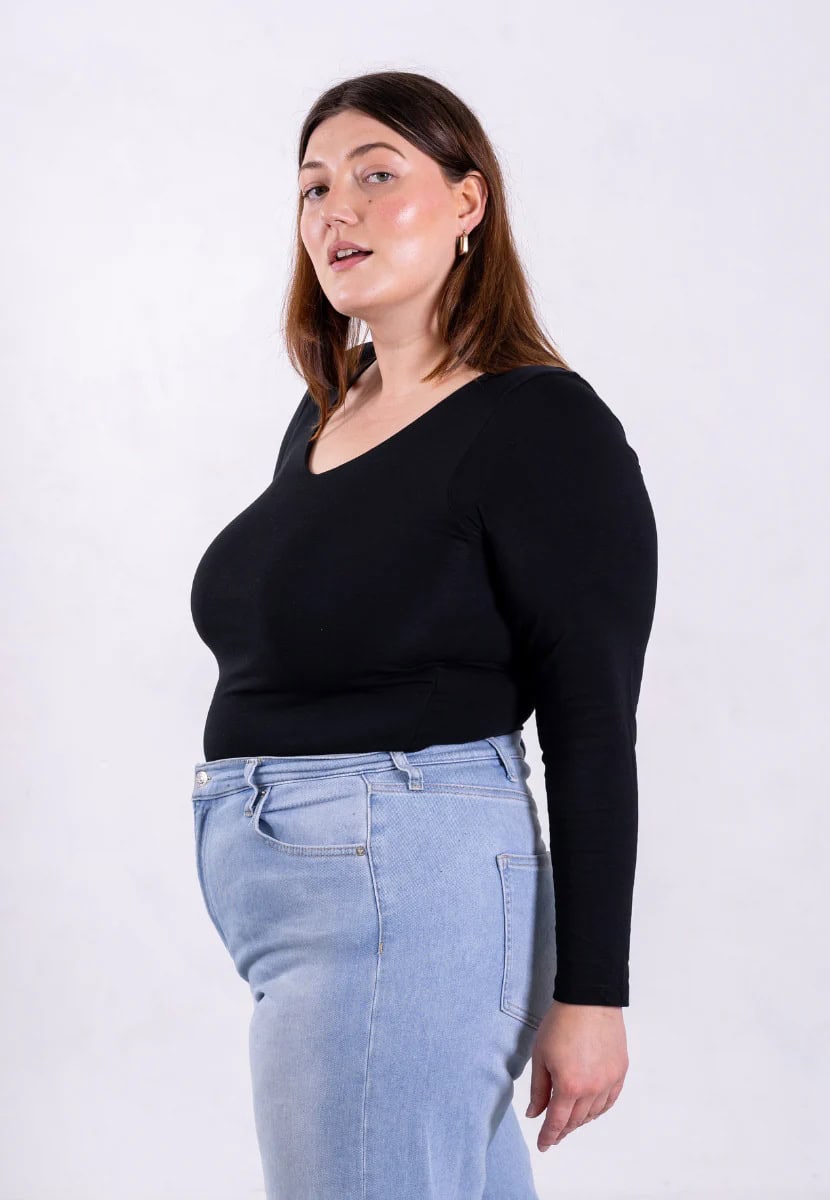
The implications of this shift extend beyond the individual consumer. The move toward size inclusivity is forcing a re-evaluation of how "ethical" is defined in the fashion industry. Historically, an ethical rating for a brand was based almost exclusively on environmental impact and labor conditions. Modern frameworks, however, are increasingly incorporating "social sustainability," which includes accessibility and representation.
If a brand is not accessible to the average person, its claims of "conscious consumerism" are increasingly viewed as incomplete. This has led to a call for greater transparency in supply chains, with many activists urging brands to publish their full size ranges and to provide detailed information on how their patterns are developed.
Expert commentary from within the sustainability sector suggests that the path forward involves three key pillars:
- Standardized Sizing: The industry is moving toward more uniform sizing metrics to ensure that customers can shop with confidence across different sustainable brands.
- Circularity and Resale: As seen with The Nearly New Cashmere Co., the integration of repair services and secondary markets is becoming essential to the longevity of garments.
- Advocacy and Feedback: The power of the consumer remains the most potent catalyst for change. When consumers communicate directly with brands regarding their size requirements, it provides the quantitative data necessary for brands to justify the capital investment required for extended size ranges.
Addressing the Affordability Gap
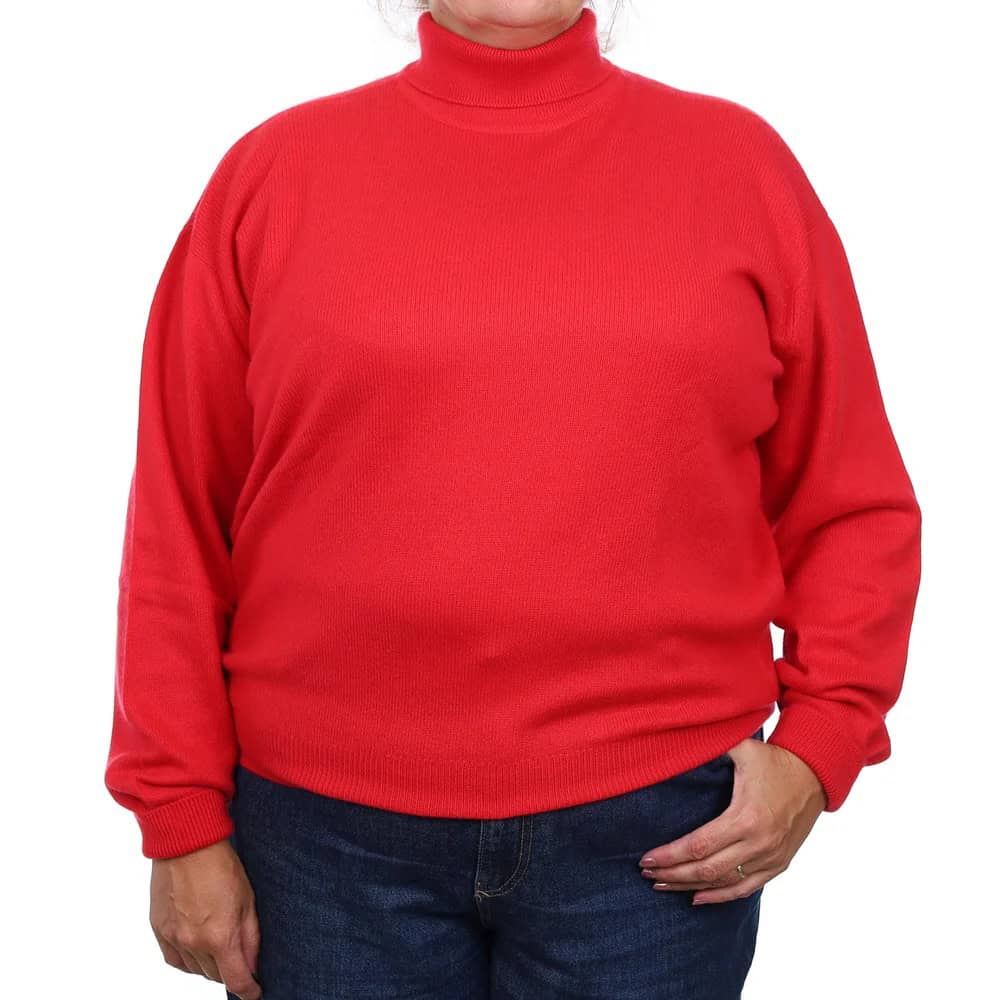
One of the most persistent critiques of the ethical fashion movement is the price point. High-quality materials and fair labor wages necessarily command higher prices than mass-produced, exploitative alternatives. For those for whom these prices are prohibitive, the movement offers alternative pathways. Supporting the ethical fashion movement does not strictly require the purchase of new, expensive items. It involves engaging with the industry through advocacy, demanding greater transparency, and challenging instances of "greenwashing."
Furthermore, the rise of the pre-owned market and rental services has made sustainable fashion more accessible to lower-income households. By extending the life of a garment, consumers participate in the same environmental benefit as buying new from an ethical source, but at a fraction of the cost.
Conclusion
The journey toward a fully inclusive, sustainable fashion industry in the UK is ongoing. While the progress made by brands like Seasalt, Lucy & Yak, and others is commendable, the industry is still in a period of transition. The objective for the coming years is to move beyond "niche" availability toward a standard where ethical manufacturing is the norm rather than the exception, regardless of the size on the label. As consumers continue to demand both environmental accountability and equitable representation, the fashion industry will be forced to adapt, ultimately creating a more diverse, transparent, and sustainable future for all.
Related posts: