The Strategic Integration of High-Protein Breakfast Solutions in Modern Meal Prep Routines Focused on Nutritional Efficiency and Time Management

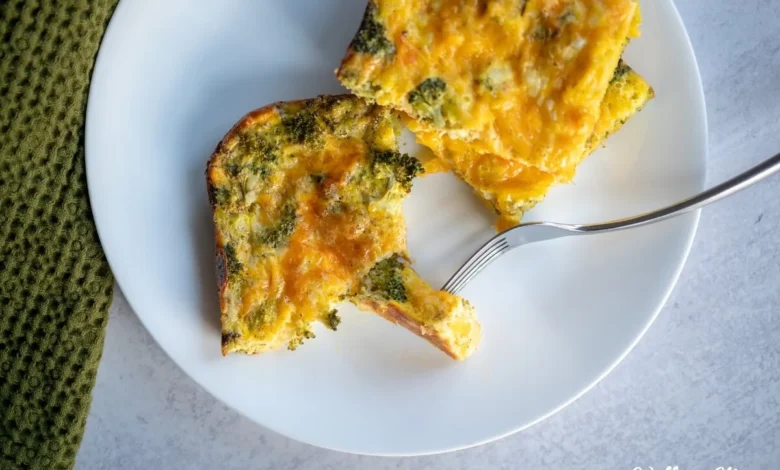
The landscape of morning nutrition has undergone a significant transformation in recent years, shifting from high-carbohydrate, sugar-laden options toward protein-centric, whole-food alternatives. Central to this shift is the rise of the breakfast casserole, specifically the broccoli cheddar egg bake, which has emerged as a cornerstone of the meal-preparation movement. This culinary strategy addresses the dual challenges of modern domestic life: the requirement for high-density nutrition to support cognitive and physical performance and the constraints of limited time during the early hours of the workday. By combining nutrient-dense vegetables like broccoli with high-quality protein sources such as eggs and cottage cheese, this specific dish provides a versatile, scalable, and nutritionally balanced solution for a wide demographic, ranging from busy professionals to large households.
The Shift Toward Protein-Centric Morning Nutrition
Historically, the Western breakfast was dominated by cereals, toast, and pastries—foods that provide quick energy but often lead to mid-morning glucose crashes. Nutritional science has increasingly advocated for a higher protein intake at the start of the day to promote satiety and stabilize blood sugar levels. The broccoli cheddar egg bake serves as a primary example of this "protein-first" philosophy. Unlike traditional smoothies or overnight oats, which can be high in natural or added sugars, an egg-based bake focuses on amino acid density.
Market research indicates that the "wellness" industry has seen a surge in consumer interest regarding "functional breakfasts"—meals that do more than simply fill the stomach. Consumers are looking for anti-inflammatory properties, high fiber content, and muscle-repairing proteins. The inclusion of broccoli—a cruciferous vegetable rich in sulforaphane—and eggs, which contain essential choline for brain health, aligns with these broader health trends. Furthermore, the integration of cottage cheese into egg dishes has gained viral popularity in the mid-2020s, as it offers a way to increase protein content and improve texture without the caloric load of heavy creams or excessive oils.
Nutritional Composition and Quantitative Analysis
A detailed examination of the nutritional profile of the broccoli cheddar egg bake reveals why it has become a preferred choice for health-conscious individuals. Based on standard serving sizes, one portion of this casserole provides approximately 383 calories, with a significant 30 grams of protein. This represents 60% of the recommended daily value (DV) for an average adult, making it an exceptionally high-protein meal.
The fat content stands at 26 grams, including 12 grams of saturated fat, which accounts for 75% of the DV. While this is relatively high, it is tempered by the presence of 7 grams of monounsaturated fats and 3 grams of polyunsaturated fats, which are essential for cardiovascular health and hormone production. Notably, the dish contains 420 milligrams of cholesterol. While historical dietary guidelines cautioned against high cholesterol intake, contemporary research from organizations like the American Heart Association suggests that for most individuals, dietary cholesterol has a less significant impact on blood cholesterol levels than previously thought, particularly when consumed as part of a whole-food, low-sugar diet.
From a micronutrient perspective, the dish is a powerhouse. It provides 1,308 IU of Vitamin A (26% DV), which is vital for immune function and vision. The inclusion of broccoli ensures a high Vitamin C content, offering 39 milligrams or 47% of the DV per serving. Additionally, the combination of dairy and eggs delivers 421 milligrams of calcium (42% DV), supporting bone density and metabolic health. With only 7 grams of carbohydrates and 1 gram of fiber, the dish is inherently low-glycemic, making it suitable for individuals managing insulin sensitivity or following ketogenic-style dietary patterns.
Operational Efficiency in Meal Preparation: A Chronological Overview
The logistical appeal of the egg bake lies in its "dump and go" methodology, a term used in the culinary industry to describe recipes that require minimal active labor. The chronological workflow of producing this meal demonstrates its efficiency:
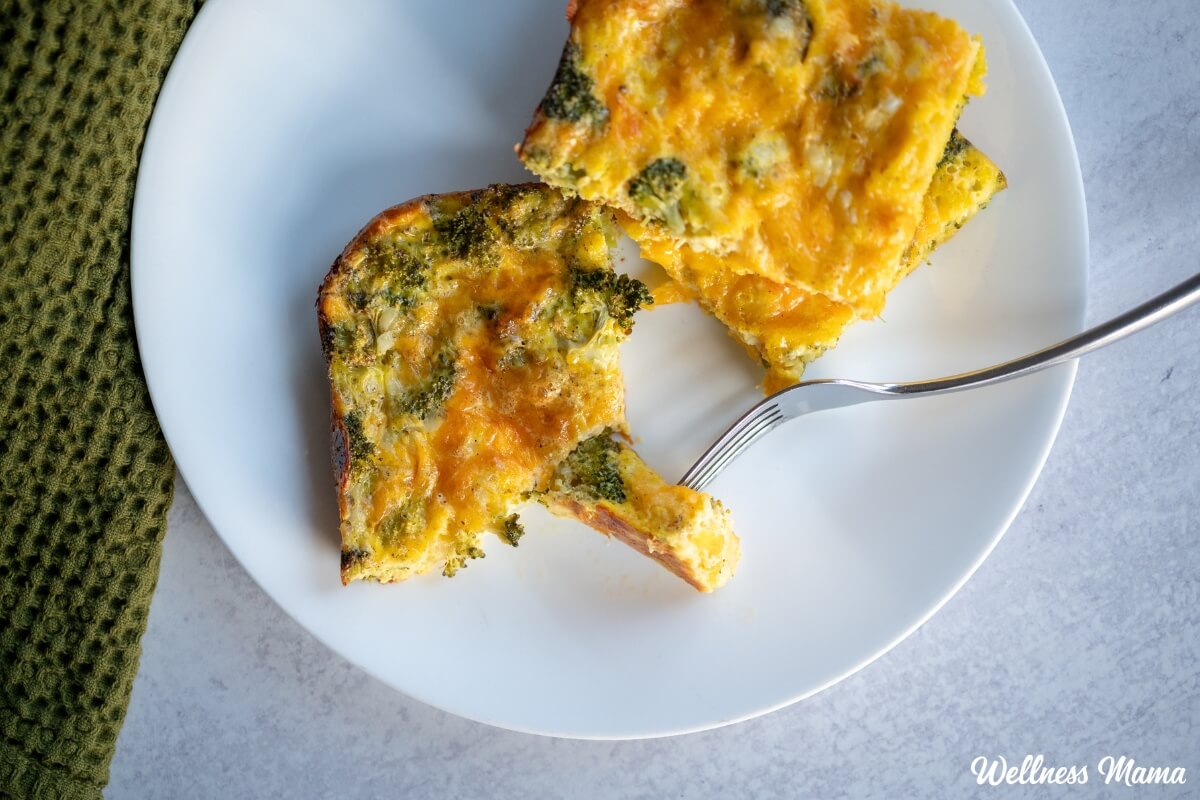
- The Assembly Phase (0–10 Minutes): The process begins with the whisking of eggs and cottage cheese. The use of cottage cheese acts as a functional substitute for milk or cream, providing a structural fluffiness upon baking. Seasonings and shredded cheddar are integrated at this stage. The broccoli, whether fresh or frozen, is added directly to the mixture, eliminating the need for pre-cooking or blanching.
- The Thermal Processing Phase (35–45 Minutes): The mixture is transferred to a greased baking dish and placed in a preheated oven. During this time, the proteins denature and coagulate, creating a solid but tender matrix. The "hands-off" nature of this phase allows the individual to engage in other morning routines, such as exercise, hygiene, or professional preparation, effectively "multitasking" the cooking process.
- The Stabilization Phase (5–10 Minutes): Post-baking, the casserole requires a resting period. This allows the internal moisture to redistribute and the proteins to set, ensuring that the slices remain intact when served.
- The Storage and Reheating Cycle: Unlike many breakfast items that degrade in quality after initial preparation, egg bakes are highly stable. They can be refrigerated for up to five days. Analysis of reheating methods suggests that air fryers or toaster ovens are superior to microwaves for maintaining the texture of the cheese and the integrity of the broccoli.
The Role of Cottage Cheese as a Functional Ingredient
One of the most significant developments in modern egg bake recipes is the strategic use of cottage cheese. Traditionally, quiches and casseroles relied on heavy cream or whole milk to achieve a custard-like consistency. However, cottage cheese has seen a resurgence in the health community due to its high casein protein content and lower calorie-to-protein ratio.
When baked, the curds of the cottage cheese melt into the egg mixture, creating a creamy mouthfeel that mimics higher-fat ingredients. This substitution not only boosts the protein count but also adds a subtle tang that complements the sharpness of the cheddar cheese. This trend reflects a broader move in the food industry toward "sneaking" high-protein dairy into traditional recipes to enhance nutritional value without sacrificing flavor profiles.
Broader Implications for Public Health and the Domestic Economy
The adoption of make-ahead meals like the broccoli cheddar egg bake has implications that extend beyond individual health. From a public health perspective, the increase in home-prepared, nutrient-dense breakfasts could potentially reduce the reliance on ultra-processed "on-the-go" food products. High-protein breakfasts have been linked in various studies to reduced caloric intake throughout the remainder of the day, which may assist in long-term weight management and the prevention of metabolic syndrome.
From an economic standpoint, the use of staple ingredients—eggs, frozen vegetables, and bulk cheese—represents a cost-effective strategy for families facing rising food inflation. Eggs remain one of the most affordable high-quality protein sources on the market. By utilizing frozen broccoli, which is often flash-frozen at the peak of ripeness, consumers can access high-quality nutrients at a fraction of the cost of fresh produce, while also reducing food waste through the long shelf life of frozen goods.
Dietary Adaptability and Allergen Considerations
The broccoli cheddar egg bake is inherently versatile, catering to several dietary restrictions without requiring complex modifications. It is naturally gluten-free, a critical factor given the rising prevalence of celiac disease and non-celiac gluten sensitivity. For those following a vegetarian diet, it provides a complete protein source.
Furthermore, the recipe serves as a template for "fridge clearing"—a practice of using leftover vegetables to reduce waste. While broccoli and cheddar are the primary focus of this iteration, the base of eggs and cottage cheese can accommodate various additions, such as bell peppers, spinach, onions, or mushrooms. This adaptability ensures that the dish can be tailored to the specific micro-nutritional needs or taste preferences of different family members, including children who may be more inclined to consume vegetables when paired with melted cheese.
Conclusion: The Future of the Breakfast Casserole Segment
As the "slow food" movement continues to intersect with the "biohacking" and high-performance lifestyle trends, the broccoli cheddar egg bake is likely to remain a staple of the modern kitchen. It represents a synthesis of traditional home cooking and modern nutritional science. The emphasis on high protein, ease of preparation, and logistical flexibility aligns perfectly with the needs of a society that is increasingly health-conscious yet time-impoverished.
In summary, this egg bake is more than a simple recipe; it is a tool for lifestyle optimization. By providing a significant portion of the daily required protein, vitamins, and minerals in a single, easy-to-reheat serving, it empowers individuals to take control of their metabolic health from the moment they wake up. As further research continues to highlight the importance of the "first meal" in regulating circadian rhythms and cognitive focus, the strategic preparation of such nutrient-dense casseroles will likely become a standard practice in the evolution of the global breakfast.
Related posts: