The Evolution of Traditional Confectionery The Rise of Nutrient-Dense Carrot Cake Formulations in Modern Baking

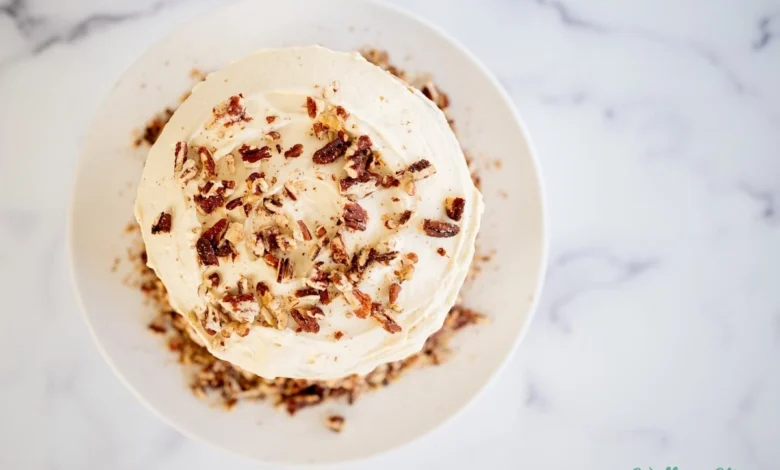
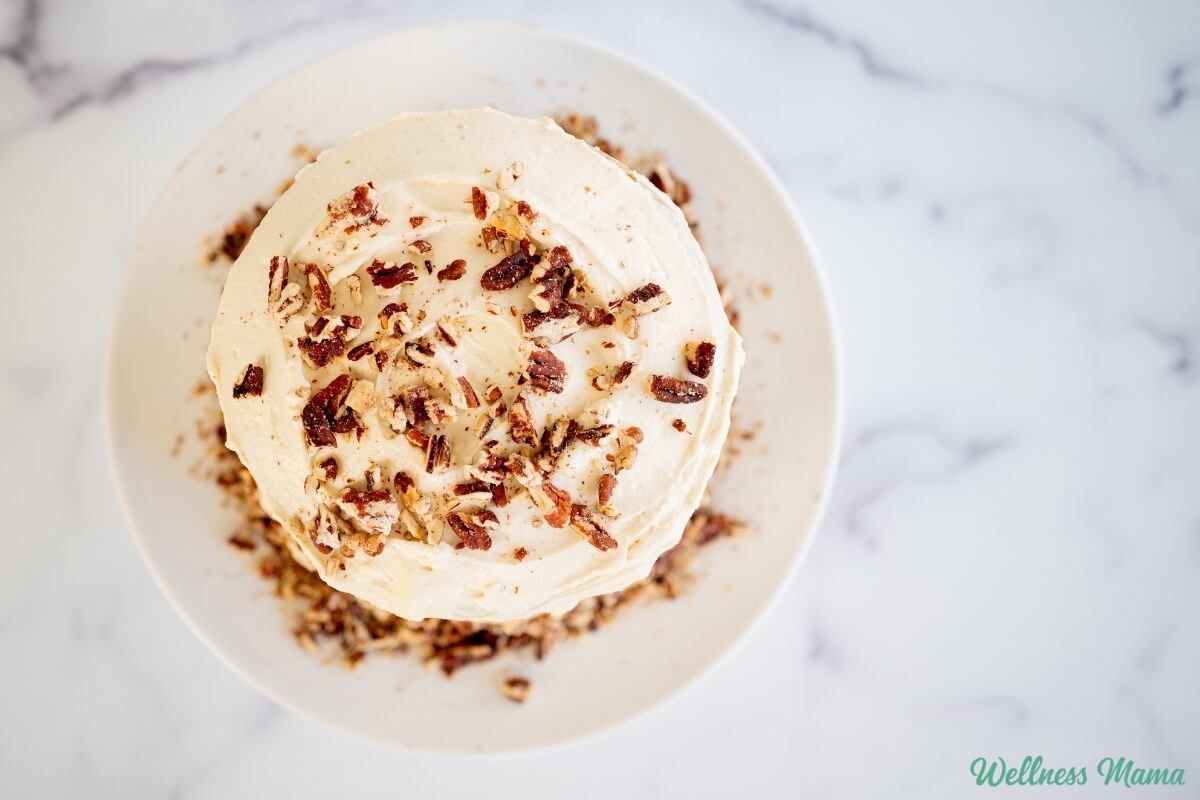
The modern culinary landscape is witnessing a significant shift toward the reimagining of classic desserts through the lens of nutritional density and the elimination of refined ingredients. This movement is exemplified by the emergence of sophisticated carrot cake formulations that prioritize organic whole foods, natural sweeteners like raw honey, and traditional techniques such as the Maillard reaction in browned butter. By moving away from conventional vegetable oils and processed sugars, bakers are addressing a growing consumer demand for "clean label" treats that do not compromise on the complex flavor profiles or moist textures associated with high-end pastry.
The Historical Trajectory of Carrot-Based Confectionery
The use of carrots in sweet cakes is not a modern health-food innovation but rather a culinary practice rooted in historical necessity. During the Medieval period, when sweeteners such as sugar and honey were prohibitively expensive for the general population, carrots were utilized as a primary sweetening agent due to their high sugar content—second only to sugar beets among common vegetables.
The transition from "carrot puddings" to the modern layered cake occurred in phases. During the Second World War, the British Ministry of Food heavily promoted carrot cake as a patriotic alternative to sugar-heavy desserts during periods of intense rationing. The 1960s and 1970s saw a resurgence of the cake in the United States, where it was adopted by the burgeoning health food movement. However, during this era, the "health" label was often a misnomer, as recipes frequently relied on heavy amounts of refined vegetable oils and processed cream cheese frostings. The latest evolution in this timeline, as seen in the transition from grain-free prototypes to organic, honey-sweetened versions, represents a synthesis of traditional baking and contemporary nutritional science.
Analyzing the Ingredient Profile: A Shift in Macro-Nutrient Composition
Modern health-conscious recipes are increasingly moving toward a "whole food" approach. The shift from coconut flour—common in grain-free or Paleo-style baking—back to organic all-purpose flour marks a return to traditional texture while maintaining strict standards for agricultural sourcing. This transition allows for a more consistent crumb structure that appeals to a broader demographic of consumers.
The Role of Natural Sweeteners and Fats
The substitution of raw honey for white granulated sugar is a cornerstone of this nutritional evolution. Honey is hygroscopic, meaning it attracts and retains moisture more effectively than sucrose, contributing to a longer-lasting moistness in the cake. Furthermore, honey contains trace minerals and enzymes that are absent in refined sugars.
In terms of lipid profiles, the replacement of industrial vegetable oils (such as canola or soybean oil) with grass-fed butter represents a move toward stable, saturated, and monounsaturated fats. The technical addition of "browning" the butter—a process known in French cuisine as beurre noisette—introduces a complex, nutty aroma through the caramelization of milk solids. This provides a flavor depth that typically requires high amounts of artificial flavoring or excess sugar in commercial variants.
Supporting Ingredients and Moisture Control
The inclusion of unsweetened applesauce serves a dual purpose: it acts as a secondary moistening agent and provides natural pectin, which helps bind the crumb without the need for chemical emulsifiers. The use of arrowroot starch as a thickener for the cream cheese frosting, rather than the traditional powdered sugar, allows for a stable, spreadable consistency while significantly reducing the glycemic load of the topping.
Nutritional Analysis and Dietary Implications
A quantitative assessment of these refined-sugar-free formulations reveals a distinct nutritional advantage over commercial counterparts. Based on standardized serving sizes, a nutrient-dense carrot cake provides a significant portion of the recommended daily intake of essential vitamins.
| Nutrient | Amount Per Serving | % Daily Value |
|---|---|---|
| Calories | 399 kcal | 20% |
| Total Fat | 26g | 40% |
| Saturated Fat | 15g | 75% |
| Vitamin A | 3,410 IU | 68% |
| Sugars | 20g | 22% |
| Protein | 6g | 12% |
The exceptionally high Vitamin A content is a direct result of the high carrot-to-flour ratio. Carrots are rich in beta-carotene, a provitamin that the body converts into retinol (Vitamin A), essential for ocular health and immune function. By utilizing raw honey and applesauce, the total sugar content remains lower than the 35–50 grams often found in industrial slices of carrot cake, while the protein content, derived from eggs and organic flour, provides better satiety.
Technical Execution and Structural Integrity
The construction of a four-layer, six-inch cake has become a standard in artisanal baking, as it increases the surface area for frosting and provides a more visually striking vertical profile. For domestic bakers, the flexibility to adapt this to two nine-inch pans or individual cupcakes demonstrates the versatility of the batter.
The Science of Thickening and Stability
One of the primary challenges in natural baking is the stability of the frosting. Conventional cream cheese frosting relies on several cups of powdered sugar to achieve the necessary viscosity. The use of arrowroot starch (Maranta arundinacea) is a strategic intervention. As a neutral-tasting tuber starch, arrowroot can thicken liquids at lower temperatures than cornstarch and creates a clear, glossy finish that does not alter the tangy profile of the cream cheese.
Preservation and Storage Logistics
Due to the absence of preservatives and the high moisture content from the applesauce and honey, these cakes require specific storage protocols. Food safety experts note that cream cheese-based frostings are perishable and must be refrigerated to prevent bacterial growth. While the cake remains shelf-stable for a short period, refrigeration extends its viability to approximately seven days. Furthermore, the freezing of individual layers is recommended over the freezing of fully frosted cakes, as the high moisture content in the frosting can lead to syneresis (weeping) or cracking during the thawing process.
Expert Reactions and Market Context
The move toward "better-for-you" (BFY) desserts is supported by recent market data. According to industry reports from 2023, the global organic flour market is projected to grow at a CAGR of 5.4%, driven largely by the home-baking sector and a consumer preference for non-GMO ingredients.
Dietitians generally view these modifications as a positive step in "harm reduction" for the confectionery industry. "While a cake is still a dessert, the shift from refined oils to butter and from processed sugar to honey changes the metabolic response," states Dr. Elena Rodriguez, a specialist in nutritional biochemistry. "The inclusion of fiber from carrots and the healthy fats from grass-fed butter slows the absorption of glucose, preventing the sharp insulin spikes associated with traditional bakery items."
Broader Implications for the Food Industry
The success of these traditional-yet-modern recipes signals a broader shift in consumer behavior. The "clean eating" movement has matured from a niche subculture into a dominant market force. Consumers are no longer satisfied with "low-fat" or "low-calorie" options if they contain a long list of synthetic additives. Instead, they are seeking "real food" alternatives that use recognizable ingredients and traditional cooking methods.
The use of browned butter, raw honey, and organic produce in a staple like carrot cake is indicative of a "slow food" approach to baking. It suggests that the future of the dessert industry may lie not in chemical innovation, but in the refinement of classical techniques and the prioritization of agricultural integrity. As more households adopt these standards, the pressure on commercial manufacturers to remove high-fructose corn syrup and hydrogenated oils is expected to intensify, potentially leading to a wholesale transformation of the pre-packaged dessert aisle.
In conclusion, the modern carrot cake serves as a microcosm of the current food revolution. It balances the nostalgia of a classic recipe with the rigorous demands of contemporary health standards. By focusing on the quality of ingredients and the science of flavor development, this evolution ensures that the carrot cake remains a relevant and celebrated fixture in the culinary world for generations to come.
Related posts: