Fall Weekly Meal Planning Integration Highlights Seasonal Produce Integration and Family Nutrition Trends


The culinary landscape for the autumn season has officially shifted toward incorporating harvested fall produce into structured weekly meal plans designed to optimize family nutrition, streamline grocery budgeting, and reduce food waste in household kitchens. As consumer demand rises for practical, nutrient-dense home-cooked meals during the cooler months, culinary platforms and nutrition coordinators are releasing comprehensive weekly menus that emphasize seasonal ingredients such as pumpkins, squashes, cruciferous vegetables, and orchard-fresh pears. This structured approach to domestic meal preparation addresses contemporary challenges faced by working parents and household managers, balancing the nutritional requirements of growing children with the logistical constraints of modern schedules.
Background and Context of Autumn Meal Planning

The practice of structured weekly meal planning has gained significant traction within public health and culinary education sectors over the past decade. Nutritional researchers attribute this trend to a growing awareness of the financial and health implications associated with ad-hoc dining and excessive consumption of ultra-processed convenience foods. According to recent data from consumer behavior analytics firms, households that implement structured weekly menus reduce their weekly grocery expenditures by an estimated 15 to 25 percent while simultaneously decreasing household organic waste.
During the autumn transition, the availability of specific regional produce creates an ideal window for incorporating whole foods rich in essential vitamins, dietary fiber, and antioxidants. Fall staples such as pumpkins, Brussels sprouts, cabbage, and root vegetables offer substantial nutritional profiles that support immune function during the seasonal shift toward colder weather. Culinary coordinators emphasize that integrating these ingredients into breakfast, lunch, and dinner menus requires strategic preparation to ensure that home cooks can execute complex flavor profiles without spending excessive hours in the kitchen.
Chronological Breakdown of the Weekly Menu Strategy

The comprehensive weekly meal schedule is systematically organized to address nutritional needs across all dayparts, beginning with energizing morning meals and culminating in comforting weekend suppers.
Breakfast and Morning Nutrition
The weekday breakfast regimen focuses on rapid preparation and targeted nutritional benefits through nutrient-dense smoothies. The rotation features specialized formulations including the Pregnancy Smoothie, Cotton Candy Smoothie, Crazy Healthy Smoothie, and Immune Boosting Very Berry Smoothie. These recipes leverage frozen and fresh fruits, plant-based proteins, and leafy greens to provide sustained morning energy. For weekend brunch, the schedule transitions to baked goods utilizing seasonal produce, specifically highlighting Quick Pumpkin Cinnamon Rolls, which incorporate real pumpkin puree to introduce seasonal spices and beta-carotene into a traditional weekend treat.

Mid-Day Sustenance and Snacks
To maintain stable blood glucose levels and prevent energy crashes between primary meals, the afternoon snack protocol incorporates fiber-rich and protein-forward options. Selections for the week include Pumpkin Pear Bread, Air Fryer Churro Pasta Chips, Red Beet and White Bean Hummus, and Paper Bag Popcorn. These preparations demonstrate modern culinary techniques, such as utilizing air fryers to reduce oil absorption in snack foods and incorporating root vegetables into traditional dips to enhance micronutrient content.
Midday lunches prioritize portability and efficient utilization of leftovers, featuring Stir Fried Ramen, Cheesy Turkey Meatloaf Bites, Turkey Club Lettuce Wraps, and Grilled Cheese Avocado Sandwiches. These dishes balance lean proteins with healthy fats and complex carbohydrates to support cognitive focus during the middle of the day.

Structured Dinner Lineup
The evening meal schedule represents the core of the weekly culinary strategy, pairing sophisticated flavor combinations with accessible cooking methods.
Sunday supper sets a high culinary standard with Maple Soy Salmon, accompanied by Sauteed Brussels Sprouts with Bacon and Mascarpone Mashed Potatoes. This meal highlights the pairing of omega-3-rich fatty fish with cruciferous vegetables and rich dairy components.

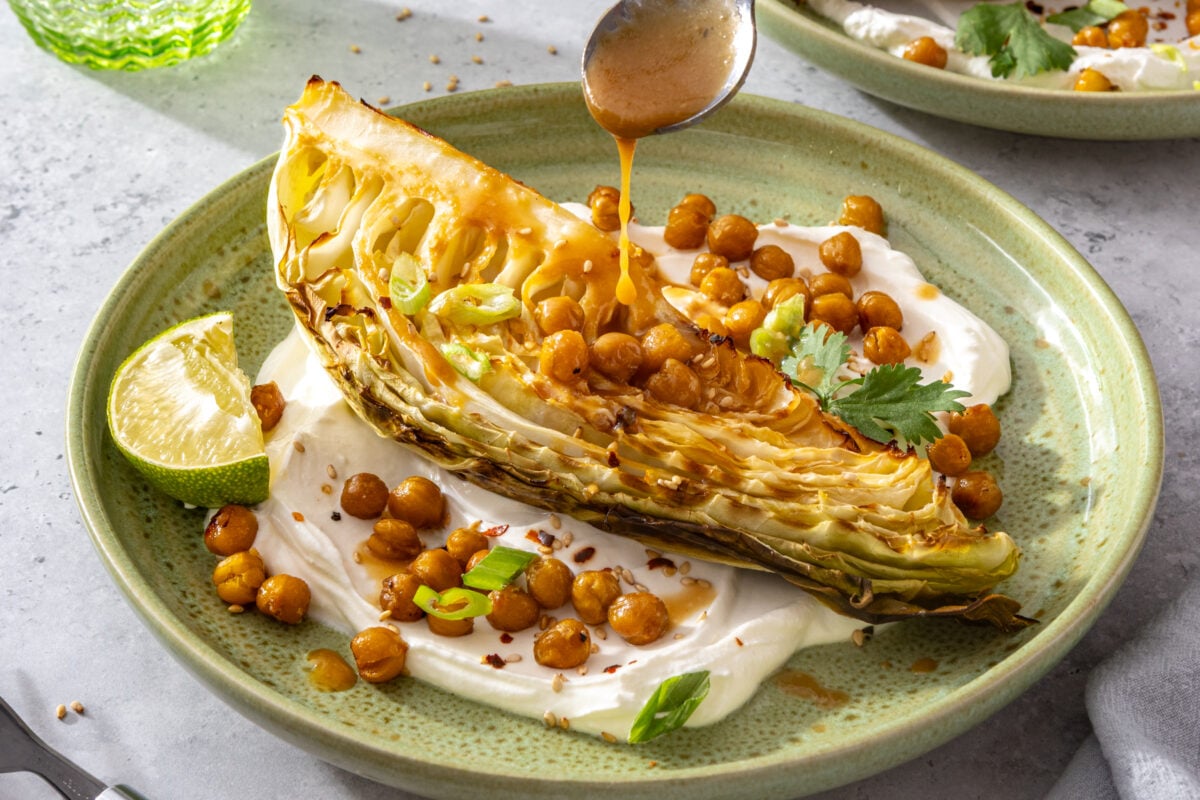
Monday introduces a contemporary plant-forward approach with Sheet Pan Miso Roasted Cabbage served alongside Crispy Chickpeas. Nutritionists note that sheet-pan cooking methods have surged in popularity due to their ability to minimize cleanup while caramelizing natural sugars in cruciferous vegetables. For households preferring animal protein, the recipe doubles as a side dish for a traditional Roast Chicken.
Tuesday shifts toward global flavor profiles with Chicken Tikka served alongside Cucumber Mint Raita, Cucumber Avocado Salsa, and basmati rice. This dish reflects the broader diversification of domestic palates and the integration of anti-inflammatory spices such as turmeric and cumin into everyday family dining.
Wednesday features Miso Marinated Fish paired with Air Fryer Okra and Brown Rice. Culinary experts recommend extended marinating times for miso-based fish dishes to allow umami flavors to penetrate the protein thoroughly, illustrating how advance preparation can simplify weeknight cooking.
Thursday provides traditional comfort food through Turkey Veggie Chili served with a foundational Cornbread recipe. This formulation utilizes lean ground turkey and an abundance of seasonal legumes and diced vegetables to deliver high protein and fiber content with reduced saturated fat compared to traditional beef-based chilis.
Friday concludes the workweek with a casual culinary tradition: Deep Cast Iron Pan Pizza paired with a comprehensive Salad Platter dressed in Citrus Herb Vinaigrette. The cast-iron method achieves a distinct crust texture while accommodating high-volume home baking. Finally, Saturday evening is designated for patronage of local dining establishments, providing a necessary respite for domestic cooks and supporting regional food economies.
Statements and Expert Perspectives

Nutritionists and culinary educators have noted that structured meal planning serves as a vital tool for dietary compliance and family wellness. Dr. Elena Vance, a specialist in pediatric nutrition and dietary behaviors, observed that involving households in the selection of seasonal produce fosters long-term healthy eating habits.
"When families plan their weekly menus around seasonal availability, children are naturally exposed to a wider variety of textures and flavors," Dr. Vance stated in a recent roundtable on domestic nutrition. "Furthermore, the psychological benefit of removing the daily ‘what’s for dinner’ decision-making process significantly lowers household stress levels and correlates with higher rates of family meal sharing."
Economic analysts tracking retail grocery trends also point out that structured meal planning is an effective hedge against food inflation. By purchasing versatile ingredients that can be utilized across multiple meals—such as cabbage, squashes, and root vegetables—households maximize their purchasing power and minimize spoilage.

Broader Impact and Implications
The widespread adoption of structured weekly meal plans reflects broader cultural shifts toward intentional consumption, sustainability, and holistic well-being. As consumers face increasing time constraints alongside economic pressures, the kitchen has evolved into a space where efficiency and culinary creativity intersect.
The emphasis on seasonal produce within these weekly frameworks not only supports individual health outcomes through nutrient diversity but also aligns with ecological sustainability goals by reducing reliance on out-of-season, globally transported produce. Industry forecasters predict that digital integration of meal planning tools, automated grocery list generation, and personalized nutritional tracking will continue to expand, transforming how households approach domestic food management in the coming years.
Related posts: