Fueling the Next Generation: A Comprehensive Guide to High-Protein, Nutrient-Dense Snacks for Young Athletes


Between the demands of the academic classroom, rigorous daily practices, weekend tournaments, and recreational activities, growing youth athletes expend significant amounts of physical and mental energy. As youth sports participation continues to rise globally, pediatric nutritionists and sports dietitians are placing increased emphasis on the foundational role that proper nutrition plays in athletic performance, injury prevention, and overall childhood development. Far from requiring expensive, heavily marketed commercial sports supplements, protein bars, or chemical-laden shakes, the dietary needs of active children can be efficiently met through whole, nutrient-dense foods prepared at home.
The physiological demands placed on a pediatric or adolescent athlete require a carefully balanced intake of macronutrients and micronutrients. While protein remains a focal point for muscle repair and growth following exhaustive exercise, carbohydrates are equally crucial for replenishing depleted glycogen stores. Healthy fats provide sustained, long-term energy, while hydration and adequate vitamin and mineral intake ensure optimal metabolic function. Understanding how to appropriately time these nutrient intake windows before and after physical exertion is essential for parents and coaches striving to maintain the health and competitive edge of young competitors.
Nutritional Architecture: What Constitutes an Optimal Sports Snack
According to recent sports nutrition guidelines, fueling an active child involves much more than simply boosting protein consumption. The dietary blueprint for young athletes relies on a synergistic combination of macro- and micronutrients designed to support physical development while sustaining high-intensity activity.
Protein is foundational for the structural repair and synthesis of muscle tissue torn down during athletic stress. Sources rich in biological value include Greek yogurt, cottage cheese, eggs, legumes, nuts, seeds, and lean poultry. However, protein cannot function efficiently in isolation. Carbohydrates—sourced from whole grains, oats, fresh fruits, and vegetables—serve as the primary fuel source for high-energy movements such as sprinting, jumping, and swimming. Without adequate carbohydrate intake, young athletes risk premature fatigue and diminished athletic output.
Furthermore, healthy fats derived from avocados, nut butters, and seeds contribute essential fatty acids and add caloric density for children undergoing rapid growth phases. Hydration remains a non-negotiable pillar of athletic performance; water must be consistently integrated before, during, and after physical events to prevent thermal stress and dehydration. Pediatric dietitians emphasize that portion sizes must be tailored individually, factoring in the child’s age, metabolic rate, intensity of the sport, and proximity to subsequent main meals.
Top Homemade High-Protein Snack Options for Busy Families
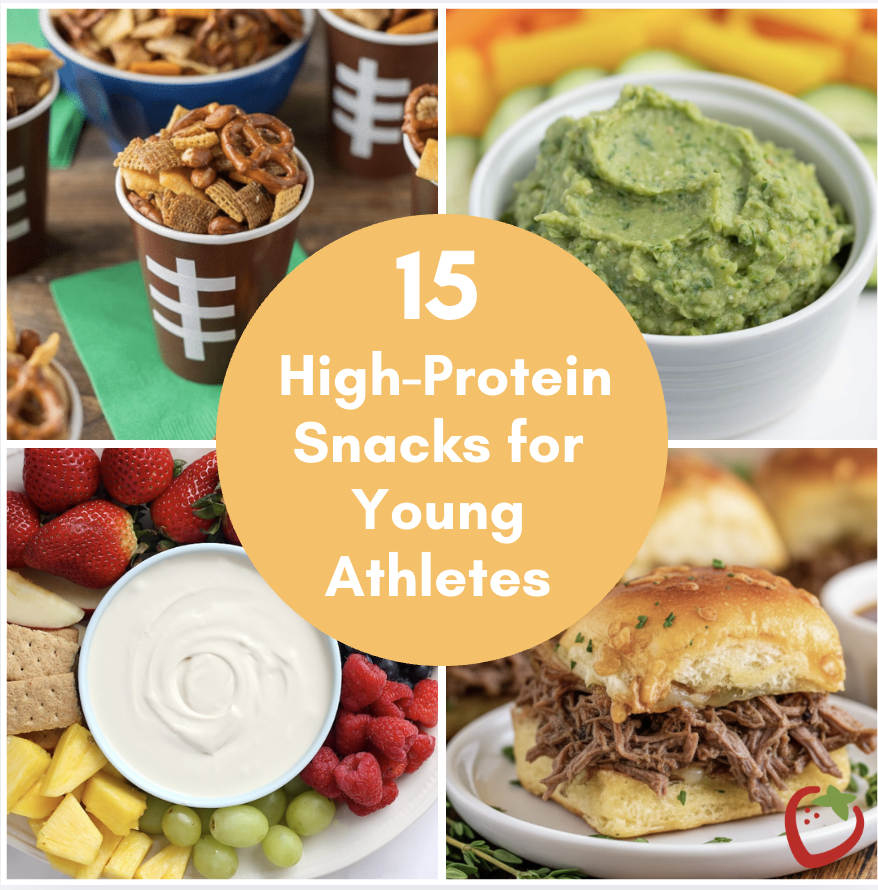
Streamlining the preparation of sports nutrition does not require sacrificing quality. Nutrition experts and culinary platforms have curated a diverse array of accessible, kid-friendly recipes that combine high protein content with wholesome ingredients, perfect for tight schedules between school and sports complexes.
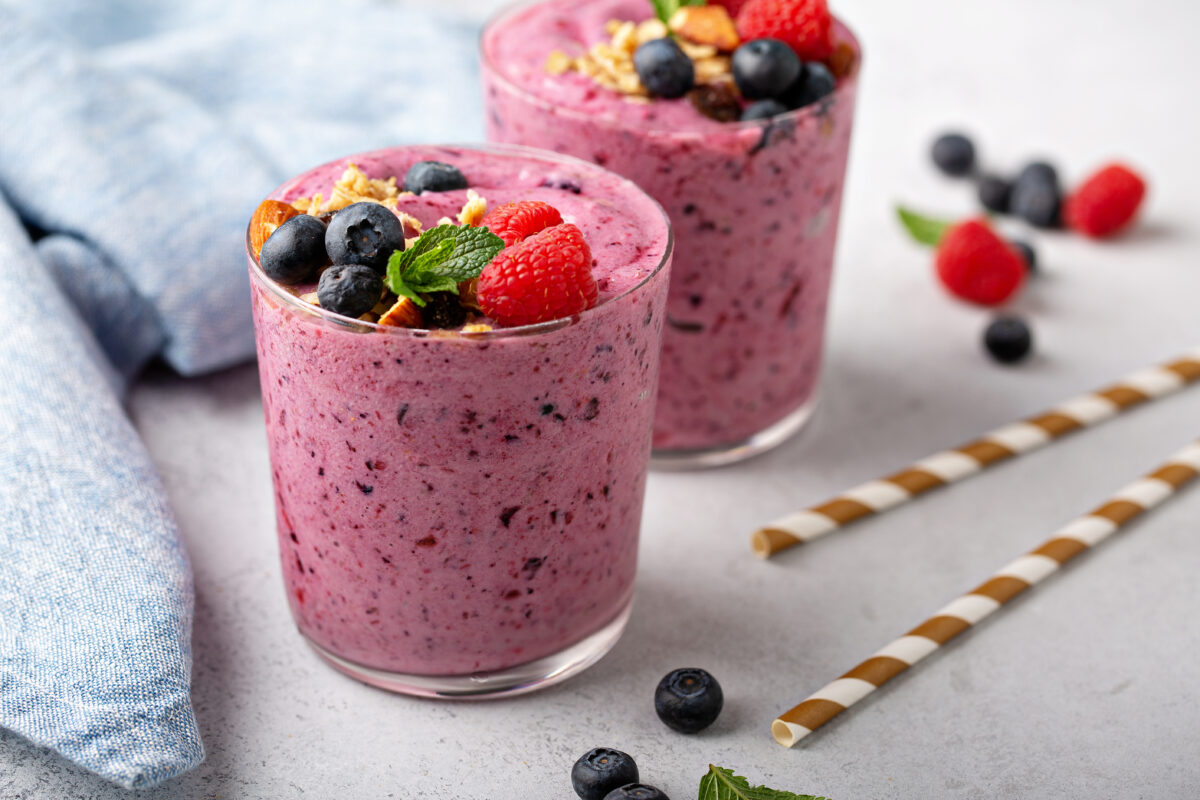
- Mixed Berry Protein Smoothies: Blending frozen berries, a banana, Greek yogurt, milk, and a clean protein source creates a refreshing beverage that is easily digestible for young athletes who may lack an appetite immediately following intense exercise. The combination delivers immediate carbohydrates alongside sustained muscle-repairing protein.
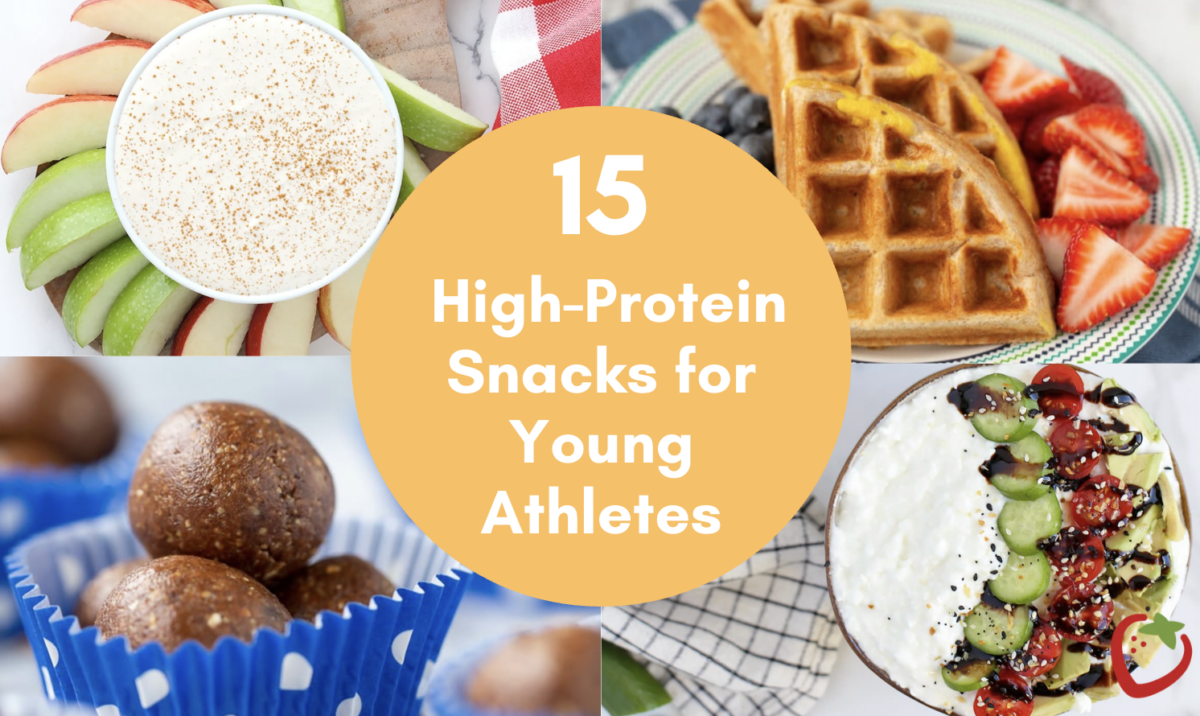
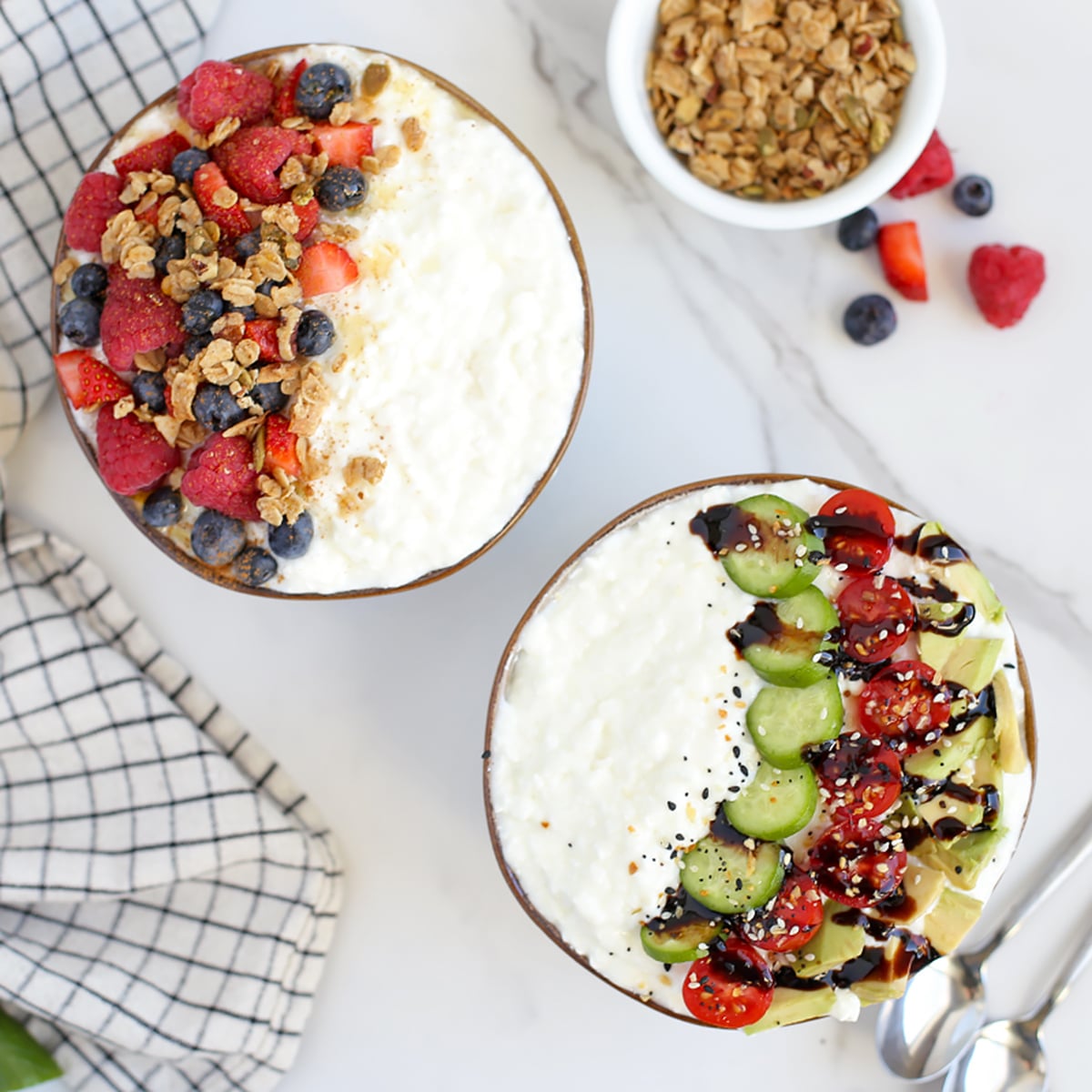
- High-Protein Cottage Cheese Bowls: Offering approximately 17 grams of protein per serving, cottage cheese serves as a versatile canvas. It can be paired with berries, honey, and granola for a sweet post-game option, or combined with diced tomatoes, cucumbers, and olive oil for a savory alternative.
- Blueberry Protein Popsicles: Designed to combat fatigue during warmer competitive seasons, these popsicles utilize Greek yogurt and blueberries to deliver essential macronutrients in a novel, appealing format for children.
- Peanut Butter Fudge Protein Energy Balls: Utilizing whole-food ingredients such as oats, dates, cocoa, and peanut butter or seed butter substitutes, these portable bites deliver roughly 8 grams of plant-based protein per two-piece serving, making them ideal for transit between school and the field.
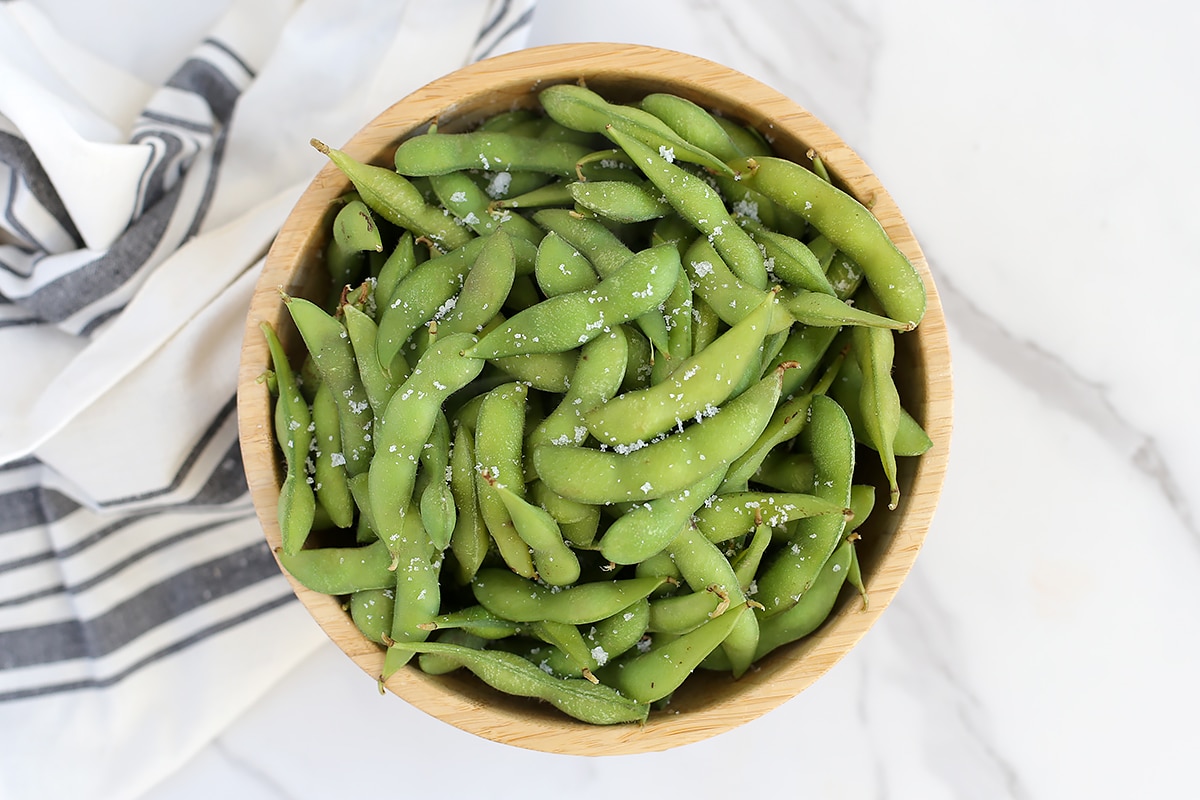
- Simple Edamame: Offering a high concentration of plant-based protein and dietary fiber with virtually no preparation required beyond boiling and light salting, edamame provides a convenient finger-food option rich in vital minerals.
- Homemade Chocolate RX-Style Chewy Bars: Formulated for older youth and teen athletes who frequent commercial protein bars, a homemade blend of dates, almonds, cashews, cocoa, and egg-white powder yields approximately 10 grams of protein per bar without artificial additives or preservatives.
- High-Protein Black Bean Dip: Combining black beans with Greek yogurt and mild spices yields roughly 14 grams of protein per serving. When paired with whole-grain tortilla chips or raw vegetables, it delivers a balanced ratio of complex carbohydrates and protein.
- Kid-Friendly Protein Waffles: Integrating whole-wheat batter, Greek yogurt, and an egg into a waffle iron produces a make-ahead, freezer-friendly snack containing about 15 grams of protein per serving.
- Roasted Chickpeas: Available in savory or sweet flavor profiles—such as cinnamon sugar, barbecue, or cool ranch—these crunchy legumes offer roughly 9 grams of protein per serving alongside high levels of dietary fiber.
- Healthy Yogurt Fruit Fruit Dips: Combining Greek yogurt with cinnamon, vanilla, and maple syrup transforms ordinary seasonal fruit into an engaging, protein-fortified snack that bridges the gap between hydration and muscle recovery.
- Crunchy Roasted Peas: Crisp green peas tossed in olive oil and garlic salt offer approximately 5 grams of plant-based protein per serving, serving as a nutrient-dense alternative to traditional processed chips.
- Savory Greek Yogurt Vegetable Dips: Blended with herbs such as dill, parsley, and garlic, a Greek yogurt dip provides approximately 7 grams of protein and encourages vegetable consumption when served alongside bell pepper strips or pita wedges.
- Collaborative No-Bake Energy Bites: Involving children in the preparation of oats, chia seeds, flaxseed, peanut butter, and dark chocolate chips fosters nutritional literacy while yielding a portable snack containing 7 grams of protein.
- Chia Seed Energy Bites: A minimalist recipe combining oats, honey, vanilla, and chia seeds delivers sustainable carbohydrates alongside healthy fats and plant-based protein.
- Raspberry Quinoa Smoothie: Blending cooked quinoa into a dairy and fruit base provides a remarkably hearty option for older adolescents, delivering up to 22 grams of protein per serving to address high caloric and nutritional demands.
Strategic Timing: Pre-Exercise Versus Post-Exercise Nutrition
The physiological state of a young athlete’s body dictates the timing and composition of nutritional intake. Prior to athletic competition or practice, the primary objective is to top off energy reserves without causing gastrointestinal distress. If a snack is consumed an hour or more before activity, it should feature a balanced mix of complex carbohydrates and moderate protein. However, if consumption occurs immediately prior to physical exertion, portions must be minimized, prioritizing easily digestible carbohydrates that sit comfortably in the stomach.
Conversely, post-exercise nutrition is anchored by the concept of the recovery window. Immediately following rigorous physical activity, the body requires rapid replenishment of depleted glycogen stores alongside amino acids to initiate muscle protein synthesis and repair micro-tears in muscle fibers. Post-practice pairings should strategically merge high-quality carbohydrates with protein. Effective combinations include whole-grain toast with peanut butter, apple slices paired with Greek yogurt dip, or a banana blended into a dairy-based protein smoothie. Rehydration with water must accompany these nutritional interventions to restore fluid balance lost through perspiration.
The Protein Powder Debate: Navigating Supplements for Youth
As the commercial sports nutrition market expands, parents are increasingly confronted with marketing claims promoting protein powders, mass gainers, and specialized recovery supplements tailored for youth athletes. Pediatricians and sports dietitians consistently caution against the routine integration of concentrated protein powders and supplements for children and adolescents.

Under normal physiological conditions, growing youth can easily meet and exceed their daily protein requirements through whole foods, including dairy products, eggs, legumes, lean meats, fish, nuts, and seeds. Introducing isolated protein powders can displace other essential nutrient-dense whole foods necessary for comprehensive childhood development. Furthermore, the supplement industry lacks rigorous pre-market safety and purity regulation by federal agencies, introducing risks of heavy metal contamination or banned substances. Experts strongly advise that any consideration of protein supplementation for minors be discussed thoroughly with a pediatrician or a registered sports dietitian to evaluate individual health profiles and athletic requirements.
Broader Health Implications and Parental Guidance
The establishment of sound nutritional habits during childhood and adolescence extends far beyond immediate athletic performance. Educating young athletes on the mechanics of proper fueling lays the cognitive and behavioral groundwork for lifelong metabolic health, chronic disease prevention, and a positive psychological relationship with food.
By prioritizing whole-food, home-prepared snacks over processed convenience items, families can effectively support the rigorous physical demands of youth sports while fostering culinary engagement. Ultimately, fueling strong, active children requires neither expensive specialty products nor complex dietary regimens; rather, it demands intentional planning, consistency, and a reliance on the foundational nutrition provided by everyday wholesome foods.