The Ultimate Guide to Making a Homemade Chocolate Cream Pie From Scratch

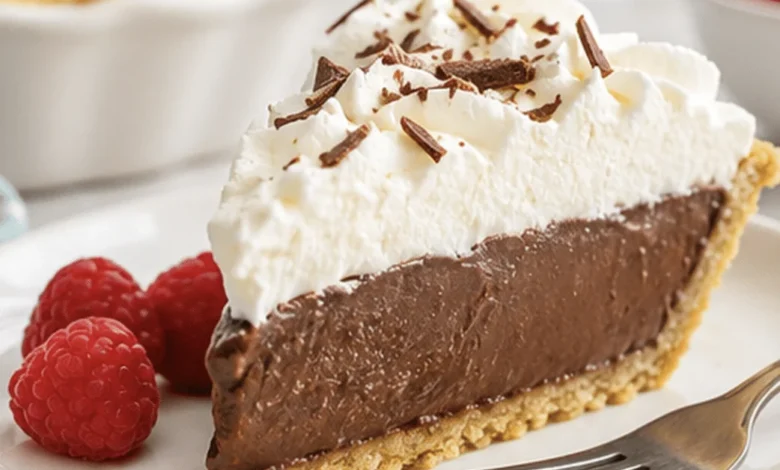
The culinary landscape has experienced a notable resurgence in scratch-made desserts, with home bakers increasingly turning away from instant mixes and commercial shortcuts in favor of traditional baking techniques. Among the most popular traditional desserts capturing the attention of home cooks is the classic chocolate cream pie. Featuring a buttery graham cracker crust, a velvety cooked chocolate custard filling, and a pillowy topping of freshly whipped cream, this dessert represents a harmonious balance of texture and flavor. Culinary historians trace the roots of cream pies in America back to the 19th century, where variations of custard and pudding-filled pastries became staples of American comfort food and holiday spreads. In contemporary home economics, mastering a from-scratch chocolate cream pie is often viewed as a fundamental milestone for bakers seeking to elevate their repertoire without resorting to overly complex confectionery methods.
Anatomy of a From-Scratch Chocolate Cream Pie
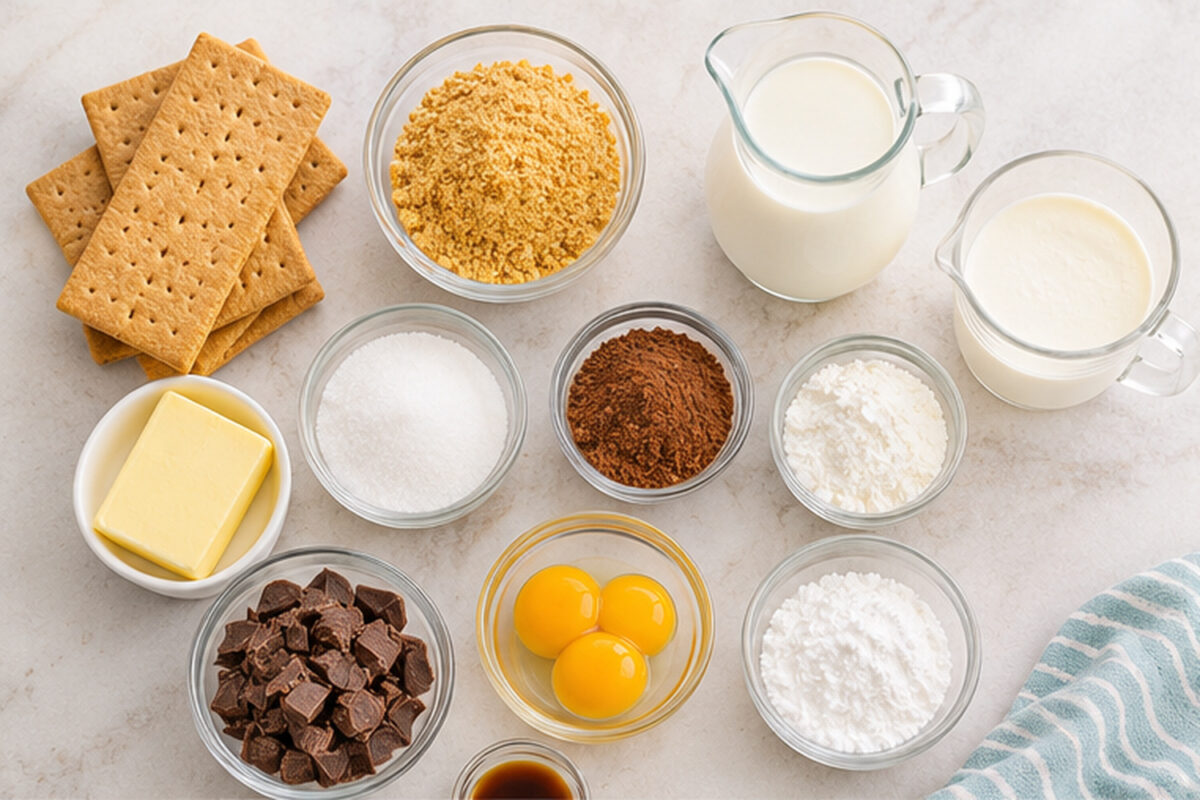
Unlike commercial varieties that rely on chemical thickeners and industrial stabilizers, a traditional chocolate cream pie achieves its decadent structure through precise culinary science. The foundational layer consists of finely crushed graham crackers combined with granulated sugar and melted butter, which is then pressed into a pie plate and baked briefly to set the structure.
The heart of the dessert is the chocolate cream filling, a rich custard built upon a base of whole milk, granulated sugar, unsweetened cocoa powder, cornstarch, a pinch of salt, and egg yolks. The incorporation of egg yolks is a critical procedural step; as proteins coagulate under heat, they work synergistically with the cornstarch to transform the liquid mixture into a thick, glossy pudding. Once removed from the heat source, the addition of chopped semi-sweet chocolate, high-grade butter, and pure vanilla extract introduces a luxurious mouthfeel and deepens the chocolate flavor profile.
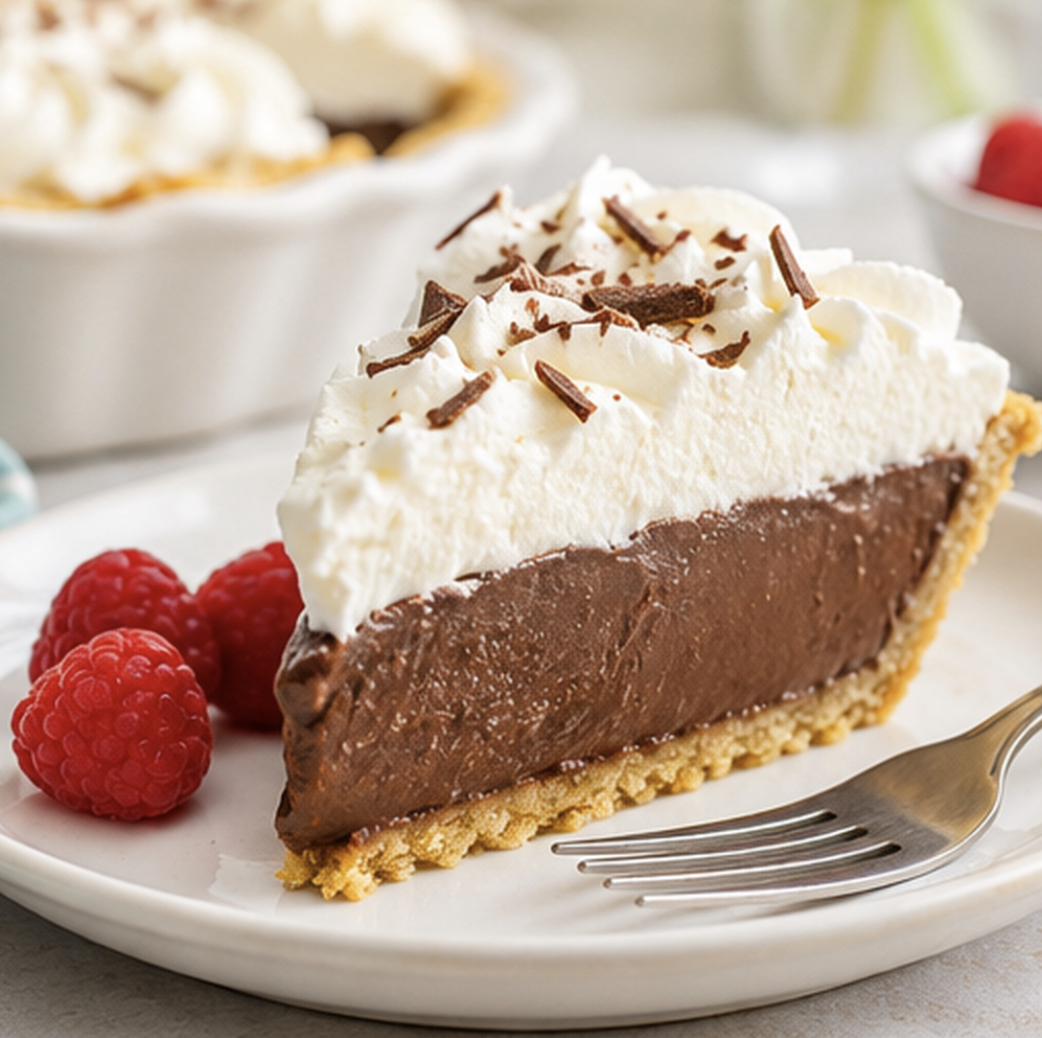
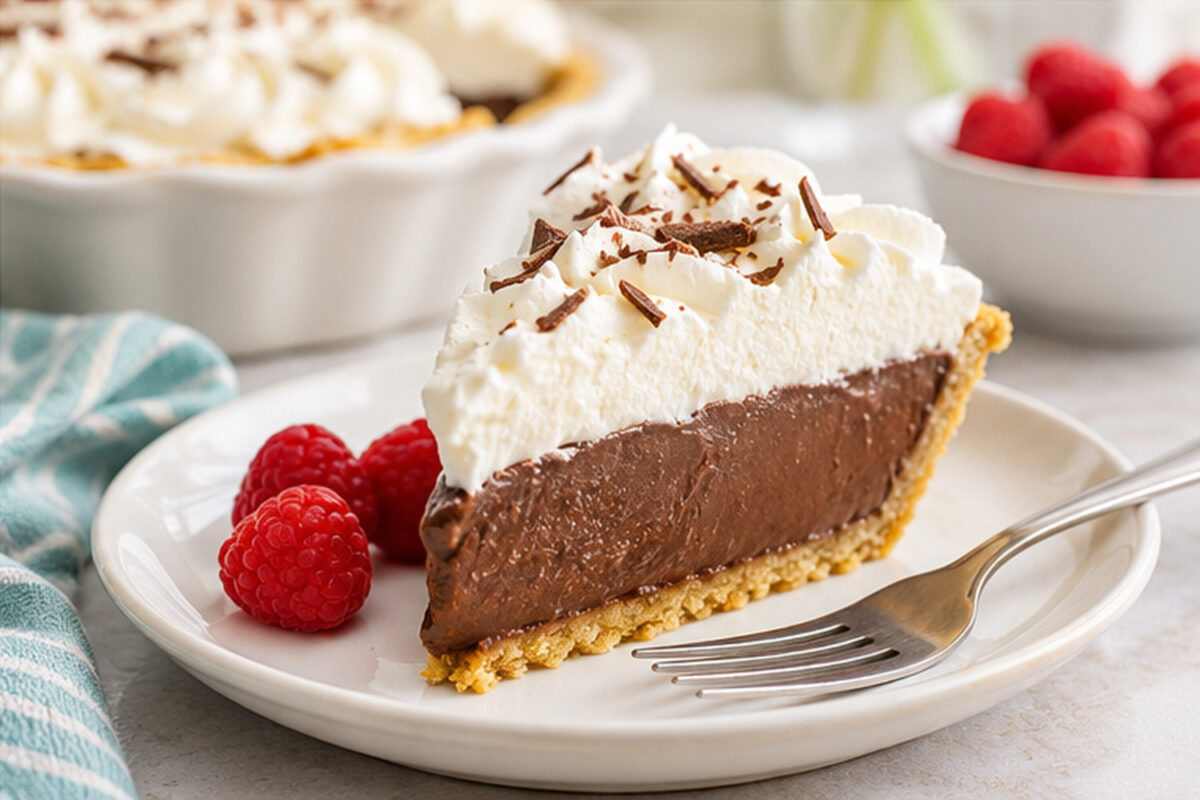
The final component is the whipped cream topping, prepared by beating heavy whipping cream with powdered sugar and vanilla extract until medium-stiff peaks form. This juxtaposition of a cool, airy dairy topping against the dense, temperature-controlled chocolate custard creates the textural contrast that has defined the dessert for generations.
Chronological Preparation and Methodology
Executing a successful chocolate cream pie requires careful time management, as the custard must undergo a mandatory chilling phase to achieve the proper firmness for slicing.
Phase One: The Crust Preparation
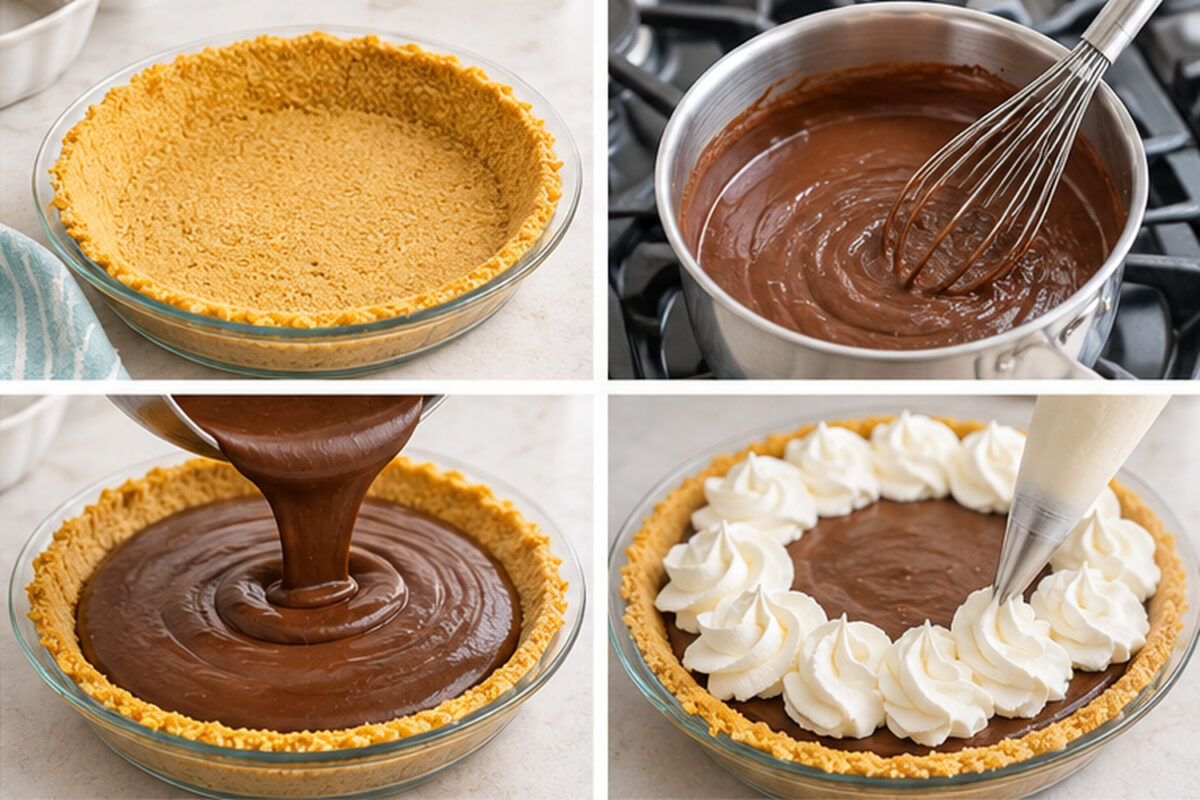
The process begins by preheating the oven to 350 degrees Fahrenheit. Graham crackers are reduced to fine crumbs, either via a food processor or a manual rolling-pin method within a sealed plastic bag. The crumbs are thoroughly integrated with melted butter and sugar until the texture resembles wet sand. This mixture is pressed firmly and evenly into a standard nine-inch pie plate, utilizing the flat bottom of a measuring cup to compact the base and sides. Baking the crust for eight to ten minutes toasts the graham crackers slightly, enhancing their nutty aroma before they are set aside to cool completely.
Phase Two: Custard Synthesis
In a medium saucepan, dry ingredients—including sugar, cocoa powder, cornstarch, and salt—are whisked together to eliminate lumps. Simultaneously, egg yolks are beaten with a small portion of the milk until smooth. This egg mixture is gradually incorporated into the dry ingredients, followed by the remaining milk, ensuring a homogenous liquid base before any thermal energy is applied.
Phase Three: Thermal Activation and Thickening
The saucepan is placed over medium heat and subjected to constant, vigorous whisking. This step is paramount; continuous agitation prevents the cornstarch from settling and scorching at the bottom of the pan while ensuring a silky-smooth emulsion. The mixture must be brought to a gentle bubble and allowed to cook for an additional one to two minutes. This specific timeframe is necessary to activate the starch fully, removing any raw starchy taste and guaranteeing that the pie will hold its shape upon slicing.
Phase Four: Emulsification and Chilling
Upon removing the saucepan from the heat source, finely chopped semi-sweet chocolate, butter, and vanilla extract are immediately folded into the hot custard. Residual heat melts the additions into a glossy, uniform chocolate filling. This warm custard is poured directly into the cooled graham cracker crust. To prevent the formation of an undesirable skin on the surface—caused by moisture evaporation—a sheet of plastic wrap is pressed directly against the top of the filling. The pie is then transferred to a refrigerator, where it must rest for a minimum of four hours, though culinary professionals frequently recommend an overnight chill for optimal structural integrity.
Phase Five: Finishing and Presentation
Shortly before service, the heavy whipping cream, powdered sugar, and vanilla extract are whipped to medium-stiff peaks. The cream is either spread evenly across the chilled chocolate filling or piped into decorative rosettes using a star tip. Garnishes such as chocolate curls, shaved chocolate bars, or a light dusting of cocoa powder complete the presentation. For optimal presentation, bakers utilize a knife dipped in hot water and wiped dry between cuts to yield clean, bakery-quality slices.
Nutritional and Dietary Considerations
While traditional chocolate cream pies are designed as an occasional indulgence rather than a health food, understanding their nutritional composition is valuable for modern consumers. A standard recipe yielding eight servings incorporates dairy fats, eggs, and processed sugars, placing the dessert firmly in the treat category. However, making the pie from-scratch allows home cooks to monitor and control ingredient quality explicitly. Unlike mass-produced desserts containing artificial preservatives, high-fructose corn syrup, and hydrogenated oils, a homemade chocolate cream pie utilizes wholesome pantry staples such as real milk, butter, and natural cocoa. For households managing specific dietary preferences, the recipe offers natural adaptability, accommodating vegetarian requirements and allowing for the potential substitution of plant-based milks or dairy-free chocolates, provided the thickening agents are adjusted accordingly.
Economic and Practical Implications for Home Entertaining
From a logistical standpoint, the chocolate cream pie serves as a strategic asset for home cooks hosting holiday gatherings, Thanksgiving dinners, Christmas celebrations, or birthday parties. Because the dessert requires an extended chilling period—ranging from four hours to overnight—it eliminates the frantic last-minute preparation often associated with hosting.
Culinary economists and home-entertaining experts frequently advocate for make-ahead desserts to streamline kitchen workflow during major events. By decoupling the baking and chilling phases from the day of the event, hosts can allocate their time and oven space to primary dishes and appetizers. Furthermore, the ingredients required for a scratch-made chocolate cream pie—milk, eggs, cocoa, sugar, and graham crackers—are pantry staples that require minimal specialized equipment, making the recipe both accessible and cost-effective compared to specialty bakery purchases.
Common Technical Pitfalls and Troubleshooting
Despite the straightforward nature of the recipe, home bakers occasionally encounter structural challenges. The most prevalent issue is a failure of the pie to set properly. This is almost invariably linked to insufficient cooking time during the custard phase; if the cornstarch is not boiled adequately, the starches fail to gelatinize, resulting in a runny filling. Another common pitfall is the introduction of lumps, which occurs when dry ingredients are not thoroughly whisked before the addition of liquids, or when the cook fails to maintain constant agitation over the heat source. Finally, crust degradation can occur if hot filling is poured into a warm crust, or if the finished pie is stored improperly, leading to excess moisture absorption from the refrigerator environment. Adhering strictly to temperature guidelines and chilling durations effectively mitigates these culinary risks.
Broader Culinary Impact
The enduring popularity of the homemade chocolate cream pie underscores a broader cultural appreciation for tactile, domestic arts. In an era dominated by convenience foods and digital automation, the act of measuring, whisking, and tempering ingredients from scratch offers a tangible connection to traditional homemaking. As culinary education continues to expand via digital platforms and cooking media, recipes that bridge the gap between amateur accessibility and professional presentation remain vital components of modern domestic life. Whether served at a formal holiday banquet or a casual family dinner, the chocolate cream pie endures as a testament to the timeless appeal of simple, high-quality ingredients transformed through classic culinary technique.