The Ultimate College Apartment Kitchen Stocking Guide: A Dietitian’s Checklist for Equipment, Pantry, Fridge, and Freezer Essentials

Transitioning from the structured environment of a university residence hall to an off-campus apartment marks a significant milestone in a student’s academic journey, signifying newfound independence away from mandatory meal plans, resident advisors, and shared communal bathrooms. However, this transition frequently brings an immediate, pragmatic realization for young adults: the sudden, daily responsibility of independently sourcing, purchasing, and preparing their own nutritional sustenance.
For students, this phase generates a distinct blend of excitement and apprehension regarding culinary self-sufficiency. Simultaneously, parents often harbor anxieties that their children will default to a restrictive diet dominated by instant ramen noodles, heavily processed convenience foods, and caffeinated energy drinks in the absence of a campus dining hall safety net. Addressing this widespread domestic challenge requires a methodical approach to kitchen organization, focusing on budget-friendly equipment, strategic grocery shopping, and foundational food storage.
The Evolution of Student Nutrition and Independence
The shift toward off-campus living typically occurs during a student’s junior or senior year, aligning with broader developmental milestones in adulthood. Public health researchers and nutritionists note that developing basic culinary literacy during these years serves as a critical bridge to lifelong health habits. Historically, college students relied heavily on campus dining facilities, local fast-food establishments, or convenience stores. When students relocate to apartments equipped with functional kitchens, the financial and health implications of home cooking become immediately apparent.
Data compiled by consumer expenditure surveys indicate that young adults living independently often face tighter monthly budgets, making restaurant dining and food delivery unsustainable long-term financial drains. Conversely, cooking at home yields substantial economic savings. According to agricultural and economic research tracking food-at-home versus food-away-from-home pricing, preparing meals independently can reduce weekly food expenditures by more than fifty percent compared to frequent takeout consumption. Furthermore, culinary integration—the practice of incorporating fresh vegetables, whole grains, and lean proteins into regular meal preparation—correlates strongly with improved academic focus, sustained energy levels, and overall physical well-being.
Essential Kitchen Equipment: Quality Over Quantity
Outfitting a first-time apartment kitchen frequently leads to overspending on specialized gadgets that ultimately gather dust. Professional culinary instructors and experienced home economists emphasize that a functional student kitchen requires far fewer items than standard registry checklists suggest. The core philosophy centers on versatility, durability, and cost-effectiveness.
Must-Have Equipment
The absolute foundational gear necessary to execute basic recipes comprises a minimal inventory of high-utility items:
- A Chef’s Knife and Paring Knife: A sharp, well-balanced chef’s knife is the single most important tool in any kitchen, drastically reducing prep time and preventing accidents caused by dull blades.
- A Cutting Board: Durable plastic or wooden boards protect countertops and maintain knife edges.
- A Medium Saucepan and a Large Skillet/Frying Pan: These two vessels accommodate boiling pasta, simmering grains, sautéing vegetables, and frying eggs. Non-stick coatings simplify cleanup for novice cooks.
- A Baking Sheet: Essential for roasting vegetables, baking chicken breasts, or reheating frozen items.
- Basic Utensils: A spatula, a wooden spoon, a ladle, tongs, and a reliable can opener cover nearly all stirring, flipping, and opening needs.
- Measuring Cups and Spoons: Precision is particularly valuable when transitioning to baking or following online recipes.
- Storage Containers: Reusable plastic or glass containers are vital for meal prepping, storing leftovers, and packing lunches for campus.
Potential Must-Haves and Nice-to-Haves
Depending on individual dietary preferences, certain secondary appliances prove beneficial. A digital food scale or a microplane zester might remain unnecessary, but a microwave-safe bowl or a colander for draining pasta quickly graduates from a secondary item to an essential. For students with busy schedules involving back-to-back classes and part-time employment, an electric kettle or a basic slow cooker can streamline meal preparation by allowing unattended cooking throughout the day. Conversely, specialized equipment such as avocado slicers, single-purpose garlic presses, heavy cast-iron dutch ovens, and expensive espresso machines should be bypassed to conserve tight financial resources and maximize available counter space.
Building the Strategic Pantry: Grains, Proteins, and Flavor Profiles
A well-stocked pantry serves as the logistical backbone of independent living, ensuring that a nutritious meal can be assembled even when the refrigerator is nearly empty. Establishing a reliable inventory requires stocking shelf-stable staples that offer long shelf lives, high nutritional density, and culinary flexibility.
Grains and Complex Carbohydrates
Grains form the caloric foundation of economical meal planning. Essential dry goods include:
- Pasta and Noodles: Penne, spaghetti, or ramen alternatives provide fast-cooking bases for tomato-based sauces, olive oil, or stir-fries.
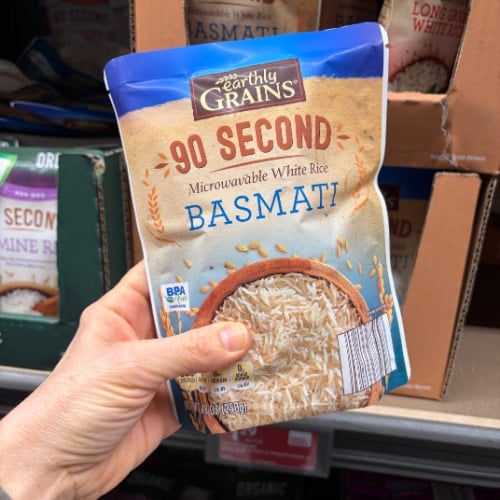
- Rice: Long-grain white or brown rice requires minimal active preparation and pairs with virtually any protein or vegetable.
- Oats: Rolled or steel-cut oats offer a versatile, fiber-rich breakfast option that transitions easily into overnight oats or baked breakfast bars.
- Tortillas and Bread: Whole wheat or flour tortillas and sturdy sandwich bread accommodate quick wraps, quesadillas, and toasts.
Shelf-Stable Proteins
To maintain a balanced diet without constantly monitoring expiration dates on fresh meat, pantry proteins offer convenience and longevity:
- Canned Tuna and Salmon: High in omega-3 fatty acids and protein, these require no cooking and can be integrated into salads, sandwiches, or pasta dishes.
- Beans and Lentils: Canned black beans, chickpeas, and dried red lentils provide affordable plant-based protein, fiber, and iron.
- Nut Butters: Peanut, almond, or sunflower seed butter delivers dense caloric energy, healthy fats, and protein for breakfasts and snacks.
Produce That Endures, Sauces, and Spices
While fresh leafy greens require careful handling, certain types of produce endure extended storage periods at ambient temperatures. Onions, garlic, potatoes, sweet potatoes, and carrots maintain their structural integrity for weeks in cool, dark cupboards.

To elevate basic ingredients from bland to flavorful, the pantry should feature fundamental cooking liquids and seasonings:
- Oils and Vinegars: Extra virgin olive oil or canola oil for cooking, paired with apple cider or balsamic vinegar for dressings.
- Canned Tomatoes and Tomato Paste: The base for quick marinara sauces, soups, and stews.
- Condiments: Soy sauce, hot sauce, mustard, and mayonnaise add immediate depth and moisture to meals.
- Foundational Spices: Salt, black pepper, garlic powder, onion powder, cumin, and crushed red pepper flakes provide maximum flavor impact with minimal investment.
Refrigerator and Freezer Management: Freshness and Food Safety
Maintaining a refrigerated inventory requires balancing fresh ingredients with the reality of student schedules. Perishable staples should be purchased in quantities that match consumption rates to minimize food waste.
Essential Fridge Items
- Eggs: Highly versatile, affordable, and quick to cook, eggs serve as breakfast, lunch, or dinner components.
- Dairy or Plant-Based Milk: Used for cereals, cooking, and beverages.
- Cheese: Cheddar, mozzarella, or feta blocks or shreds enhance pasta dishes, sandwiches, and grain bowls.
- Fresh Produce: Hardy vegetables like bell peppers, zucchini, and celery, along with versatile fruits like apples, bananas, and citrus.
- Condiments and Sauces: Salsas, dressings, and spreads to personalize meals.
Note on Food Safety: Public health agencies continuously monitor food safety guidelines regarding fresh produce. Food safety protocols change dynamically based on supply chain advisories; for instance, public health alerts periodically advise caution regarding specific pre-washed packaged greens due to potential bacterial or parasitic outbreaks, underscoring the importance of thoroughly washing all fresh produce regardless of packaging claims.

Freezer Optimization
The freezer acts as a vital tool for budget management and time conservation. Stocking the freezer with frozen vegetables (such as broccoli, peas, and spinach) ensures access to produce that will not spoil. Additionally, freezing sliced bread, pre-cooked portions of grains, and bulk proteins purchased during supermarket sales protects perishable items from premature degradation and provides immediate meal solutions during demanding midterms or finals weeks.
Economic Implications and Financial Planning
Navigating grocery stores independently requires a strategic approach to budgeting. Consumer behavior studies indicate that young adults who establish structured meal plans and grocery lists spend significantly less on impulse purchases than those who shop without preparation.
Utilizing discount supermarkets, purchasing generic store brands rather than name brands, and buying seasonal produce further optimizes food expenditures. By investing time into preliminary kitchen organization and strategic provisioning, students not only safeguard their physical health and nutritional intake but also master a fundamental life skill that yields enduring personal and financial dividends throughout their adult lives.