Grace Farris Concludes Eight-Year Run of Acclaimed Comics for Cup of Jo with a Final Feature on Teen Parenting

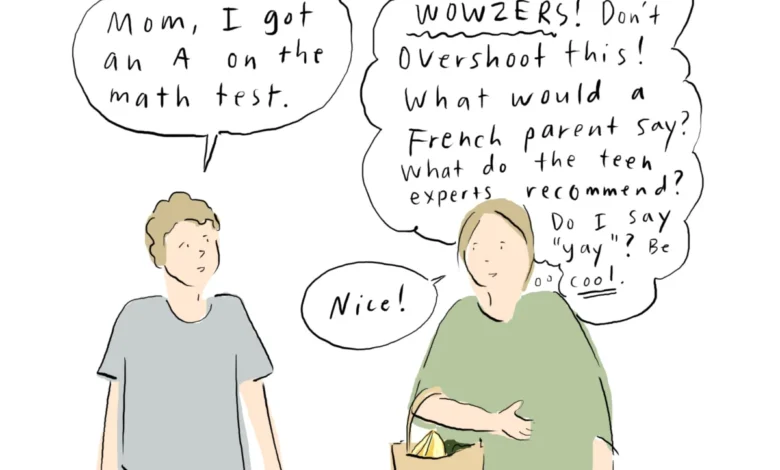
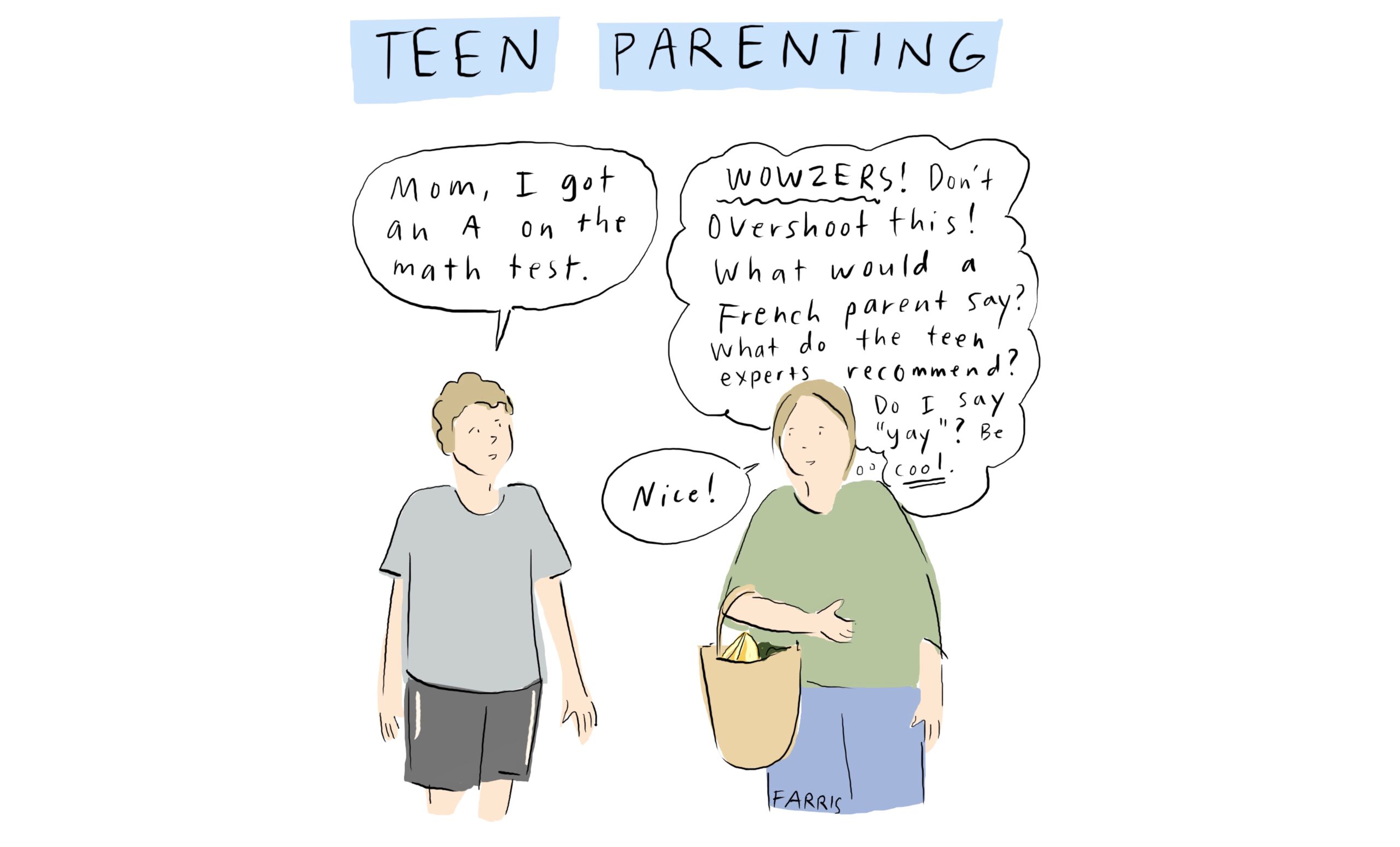
The landscape of digital lifestyle media is marking a notable transition this week as illustrator and cartoonist Grace Farris publishes her final regular comic strip for the popular women’s lifestyle publication, Cup of Jo. Farris, whose sharp, empathetic, and often humorous observations on modern family life, motherhood, and professional challenges have anchored the site’s creative content for nearly a decade, is stepping back from her recurring column. The concluding piece, titled simply Be Cool, focuses on the delicate, frequently comical tightrope walk of parenting teenagers, capturing the universal struggle of adults attempting to maintain their composure and relevance in front of their adolescent children.
The departure brings to a close a remarkable eight-year creative partnership between Farris and Cup of Jo. Over this extended tenure, Farris established herself as a defining voice in contemporary parenting illustration, utilizing her background as a practicing physician and a mother to translate the chaotic realities of domestic life into accessible, universally resonant visual narratives. As the publication bids farewell to her weekly artistic contributions, editors have announced a pivot toward new programming, including an upcoming series titled Pro Tips, designed to showcase life hacks and recommendations from invited contributors.
Main Facts and the Final Feature
The final comic strip released under Farris’s tenure addresses the nuanced dynamics of raising teenagers. Titled Be Cool, the single-panel illustration encapsulates the unspoken rules of engagement between modern parents and their teenage children, highlighting the acute self-awareness required to avoid eliciting eye-rolls or outright mortification. Through clean lines and characteristically expressive figures, the comic touches upon a theme that has dominated much of Farris’s later work for the platform: the evolution of family dynamics as dependent infants grow into autonomous, media-literate adolescents.
This theme has proven particularly resonant with the publication’s readership, generating robust engagement across digital channels. The final post quickly accumulated dozens of comments from devoted readers sharing their own anecdotes of teenage eye-rolls, awkward attempts at modern slang, and the humbling realization that parents possess very little control over how "cool" they are perceived to be.
Chronology of a Creative Partnership
Grace Farris’s collaboration with Cup of Jo began in 2018, a period during which digital media was undergoing a significant shift toward serialized, highly relatable personal essays and illustrated content. At the time, Farris was balancing a demanding career in academic medicine with her expanding artistic pursuits, frequently drawing inspiration from her immediate surroundings—her children, her workplace, and the quiet absurdities of middle-class domesticity.
Initially featuring occasional contributions, the partnership quickly solidified into a regular column. Farris’s work provided a grounding, comedic counterbalance to the often idealized representations of parenting found elsewhere in digital media. Her comics did not shy away from the mundane anxieties of meal planning, the physical exhaustion of early childhood, or the existential dread of educational milestones.
Throughout the 2020s, the scope of Farris’s contributions expanded beyond the standard weekly comic. In 2022, her distinct aesthetic and cultural footprint within the community were further cemented with the release of comprehensive features highlighting her personal routine, including a widely read home tour and a breakdown of her minimalist beauty uniform. These features transformed Farris from an anonymous contributor into a recognized cultural figure within the publication’s readership ecosystem, culminating in the publication of independent print collections and books that consolidated her reputation as a chronicler of modern family life.
Supporting Data and Cultural Impact
The economic and cultural impact of serialized web comics within lifestyle journalism has grown substantially over the past decade. Platforms that successfully integrate illustrated content often report higher engagement metrics, as visual art tends to prompt immediate emotional responses and active comment-section discussions compared to traditional prose. During her eight-year tenure, Farris’s comics routinely served as some of the most-shared content on Cup of Jo’s social media channels, driving organic traffic and fostering a dedicated community of readers who frequently cited her work as a primary reason for visiting the site.
According to digital media analysts, the longevity of Farris’s column is a rarity in an industry characterized by high turnover and shifting content strategies. While many digital publications abandoned recurring illustrated features in favor of short-form video content or algorithmic text generation during the mid-2020s, Cup of Jo maintained its commitment to Farris’s hand-drawn format. This decision helped insulate the platform against the shifting tides of social media discovery, preserving a loyal, subscription-oriented core readership that valued thoughtful, offline-style humor.
Statements and Official Reactions from the Publication
In their farewell announcement, the editorial team at Cup of Jo expressed deep gratitude for Farris’s sustained output of smart, funny, and heartwarming content. Emphasizing the rarity of an eight-year creative run in the fast-paced digital publishing sector, editors highlighted the emotional resonance Farris brought to her work week after week.
"We love you, Grace, and we’re so grateful for the smart, funny, and heartwarming comics you’ve shared with us," the publication stated in an editorial note accompanying the final strip. The team directed readers to permanent archives of Farris’s work, including her previous home tours and beauty uniform profiles, while also providing direct links to her independent online store where fans can continue to purchase her books and fine art prints.
While the conclusion of Farris’s comic column represents the end of an era, Cup of Jo’s leadership has framed the transition as an opportunity for expansion. Beginning the following Friday, the publication is set to launch Pro Tips, a structured series dedicated to curated life hacks and expert recommendations sourced from notable figures within the site’s extended network. This new programming is intended to maintain reader engagement while shifting the format from narrative illustration to actionable, utility-driven lifestyle advice.
Broader Implications and Industry Context
Farris’s departure from a regular weekly schedule invites broader reflections on the state of independent digital publishing and the creators who sustain it. The 2010s and 2020s saw a boom in personal, illustrative journalism, with creators utilizing platforms like Cup of Jo, Substack, and Instagram to build sustainable careers centered around domestic observation. However, the economic pressures facing digital media companies in recent years have forced many outlets to streamline operations, pivot to video, or reduce reliance on freelance creative contributors.
Despite these industry-wide contractions, Farris’s trajectory demonstrates the enduring market viability of niche, authentic creative work. Rather than fading into the background, Farris has successfully leveraged her platform visibility to build an independent enterprise encompassing published books, commissioned prints, and a robust direct-to-consumer following. Her ability to transition from a digital magazine contributor to an established independent author and artist reflects a broader trend among contemporary illustrators who use traditional media partnerships as a springboard for autonomous brand development.
As Cup of Jo enters its post-Farris era, the digital publishing community will be watching to see how the platform adapts to the absence of one of its most reliable narrative anchors. Meanwhile, readers who have followed Farris’s work through the toddler years, elementary school milestones, and finally the fraught territory of teen parenting can take comfort in the fact that her extensive archive remains accessible, and her broader artistic career continues to thrive across independent channels.