Mid-October Meal Planning Trends Highlight Nutritional Shifts Toward Seasonal Comfort Foods and Family-Centric Culinary Efficiency


As the month of October approaches its midpoint, households across the country are navigating a seasonal transition that directly influences consumer culinary habits and grocery purchasing patterns. The shift toward cooler autumn weather has triggered a marked increase in demand for comfort foods, warming ingredients, and structured weekly meal plans that balance nutritional requirements with time-saving preparation methods. Culinary experts and family nutrition advocates are responding to this seasonal demand by releasing curated weekly menus designed to streamline home cooking, reduce food waste, and incorporate nutrient-dense, autumnal produce. This comprehensive overview examines the prevailing dietary trends, logistical frameworks, and nutritional philosophies guiding family meal planning during the mid-autumn period.

The Economic and Nutritional Shift of Autumn Meal Planning
The transition from late summer to mid-October represents a pivotal moment in household budget management and nutritional intake. According to recent data from nutritional economists and consumer behavior analysts, structured meal planning remains one of the most effective strategies for mitigating household food expenses while maintaining dietary quality. As energy costs fluctuate and grocery prices remain a prominent concern for consumers, pre-planned weekly menus help families optimize grocery shopping lists, minimize impulse purchases, and utilize seasonal produce at peak affordability and nutritional value.
Autumnal menu curation places a heavy emphasis on root vegetables, squashes, orchard fruits, and warming spices. Nutritional scientists note that incorporating seasonal ingredients such as sweet potatoes, broccoli, pumpkin, apples, and kale aligns the human diet with natural agricultural cycles while providing essential vitamins, minerals, and antioxidants necessary for immune support as temperatures drop. The contemporary approach to family meal planning moves away from restrictive dieting and toward inclusive, whole-food options that appeal to both adults and children, thereby reducing the friction often associated with preparing separate meals for picky eaters.

Chronological Breakdown of the Weekly Nutritional Schedule
A systematic analysis of structured family menus for mid-October reveals a deliberate cadence of preparation complexity, energy expenditure, and flavor profiles designed to carry households smoothly from the beginning of the work week to the weekend.
Breakfast and Morning Energizers
Morning routines during the autumn work week require a balance of quick preparation and sustained energy release. Nutritionists advocate for blended formats that incorporate leafy greens, root vegetables, and superfruits disguised within palatable flavor profiles. The mid-October breakfast schedule frequently features nutrient-dense smoothies—such as carrot-orange-ginger blends, matcha-vanilla-date combinations, and kale formulations that mimic the flavor profile of ice cream—alongside cotton candy-flavored fruit bases. For weekend brunch, menus shift toward traditional seasonal baking, utilizing ingredients like pumpkin puree and warming spices in items such as pumpkin waffles to create a sense of weekend leisure without sacrificing nutritional density.
Midday Sustenance and Lunch Innovations
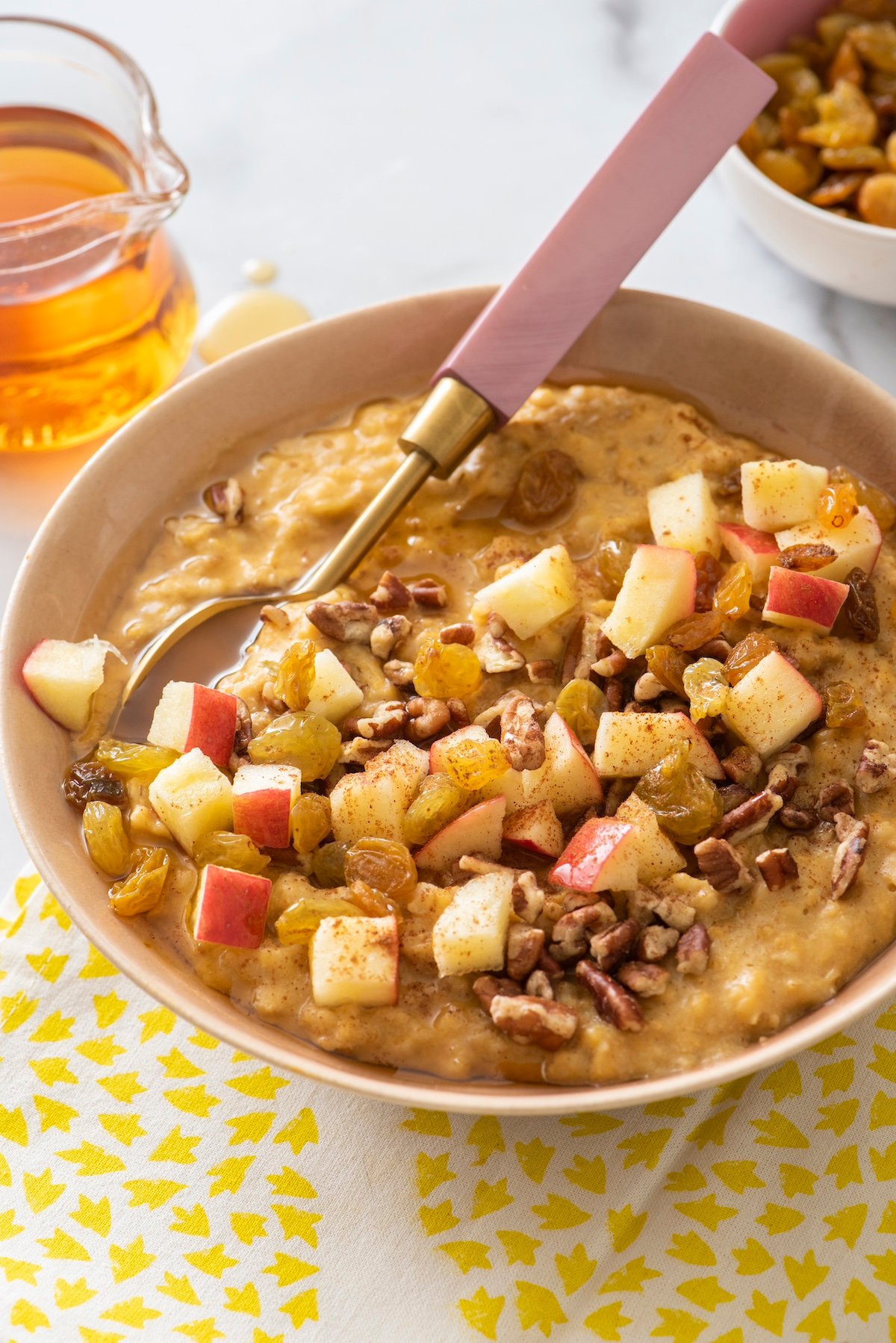
Midday meals emphasize portability, structural innovation, and slow-cooker efficiency. Culinary strategists highlight the utility of appliance cooking, such as utilizing slow cookers overnight to prepare pumpkin spice oatmeal infused with fiber-rich oats, chopped apples, raisins, and walnuts. For school and office lunches, menus prioritize tactile engagement through interactive formats like sandwich-on-a-stick, hummus and veggie tortilla rollups, and warm egg-and-pesto melts. These options are engineered to maintain structural integrity during transport while delivering balanced macronutrients, including complex carbohydrates, lean proteins, and healthy fats.
Evening Dinners: A Day-by-Day Culinary Chronology
The evening meal forms the anchor of the weekly culinary schedule, progressing deliberately through different proteins, cooking techniques, and cultural flavor profiles.
- Sunday: The week initiates with an ambitious yet approachable Mediterranean-inspired dish: spiced chicken accompanied by olives and lemons. This is paired with an expansive roast vegetable salad and crispy smashed potatoes, establishing a robust culinary baseline for the week ahead.
- Monday: Adhering to the widely adopted "Meatless Monday" movement, the week’s second dinner features a warm, hearty broccoli cheese soup served alongside classic brown rice cakes and air-fried assorted vegetables. This meal emphasizes comfort and vegetarian protein alternatives.
- Tuesday: Efficiency takes center stage with a rapid beef and broccoli stir-fry served over brown rice. This dish exemplifies the balance between professional time constraints and wholesome home cooking, requiring minimal active preparation time.
- Wednesday: Midweek fatigue is mitigated through passive cooking methods. A slow cooker chicken chili is allowed to simmer autonomously throughout the day, served alongside freshly baked basic cornbread to provide a comforting, cohesive dinner with minimal evening labor.
- Thursday: Designed to appeal directly to younger household members while maintaining nutritional standards, Thursday features homemade crispy chicken nuggets paired with steamed broccoli and air-fried sweet potato fries. This approach offers a healthful alternative to commercial fast-food options.
- Friday: The transition to the weekend is marked by a celebratory yet health-conscious meal of salmon burgers loaded with fresh toppings, accompanied by air-fried french fries. Dessert features an apple almond cake, which serves a dual purpose as a sweet conclusion to the work week and a portable snack for weekend activities.
- Saturday: Acknowledging the cumulative fatigue of the week, culinary planners frequently incorporate a designated evening of ordering takeout from local restaurants, providing a welcome respite for home cooks and supporting local culinary businesses.
Supporting Data and Consumer Behavioral Analysis
Market research into consumer cooking habits indicates a sustained post-pandemic preference for home-prepared meals, driven by both financial prudence and a renewed appreciation for culinary wellness. Surveys conducted by food industry trade groups show that over 60 percent of American households attempt some form of weekly meal planning, with families citing time savings, reduced stress around the question "What’s for dinner?", and improved nutritional intake as primary motivators.
Furthermore, the integration of small kitchen appliances—specifically air fryers and slow cookers—has fundamentally transformed weekday cooking methodologies. Data indicates that air fryer utilization has grown exponentially over the past five years, as consumers seek methods to replicate the textures of fried foods with significantly reduced fat content and shorter cooking times. Similarly, the resurgence of slow cooker recipes underscores a consumer demand for hands-off meal preparation that accommodates demanding professional and personal schedules.

Broader Implications and Industry Reactions
Food policy experts and public health advocates view the trend toward structured, produce-forward meal planning as a positive development in combating diet-related chronic conditions. By encouraging the incorporation of diverse plant foods, whole grains, and lean proteins at the household level, culinary platforms and food educators contribute to broader public health initiatives aimed at improving dietary quality across generations.
Culinary educators and parenting advocates emphasize that involving family members in the meal planning and preparation process fosters long-term healthy eating behaviors. When children participate in selecting recipes, preparing ingredients—such as rolling out sweet potato muffin batter or skewering sandwich components—they exhibit greater openness to trying new foods and developing a nuanced understanding of nutrition.

As the autumn season progresses into the winter holidays, meal planning frameworks are expected to adapt further, incorporating root-heavy harvest vegetables and festive baking traditions while maintaining a core focus on efficiency, economic viability, and family wellness.