Navigating the Teen Piercing Request: A Parent Guide to Assessing Readiness, Safety, and Maturity

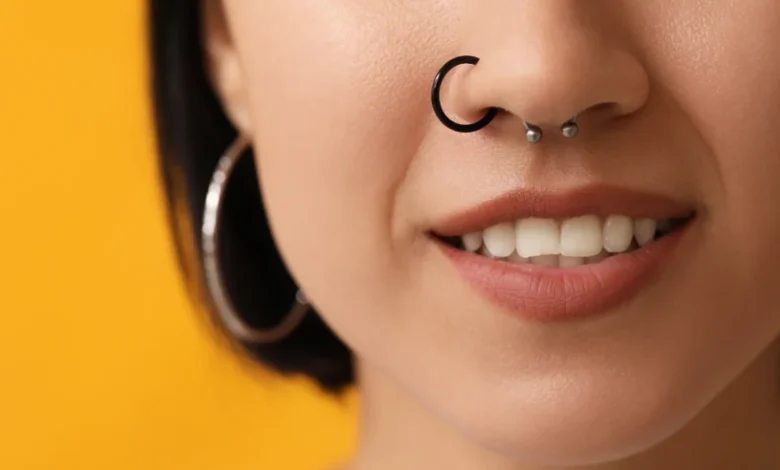
The moment a teenager asks for a body piercing, parents are often thrust into a delicate balancing act between fostering autonomy and ensuring health and safety. Before evaluating the merits of the request itself—whether it is a simple earlobe stud or a more complex facial modification—experts emphasize that the initial reaction sets the tone for the entire conversation. Rather than focusing solely on winning an argument or establishing a strict household ban, pediatric and adolescent health specialists suggest viewing the request as an opportunity to help a young person build decision-making skills.
Age alone is rarely a reliable metric for determining whether a teenager is truly prepared for a piercing. According to broad guidance from the American Academy of Pediatrics (AAP), readiness is a multifaceted concept that hinges significantly on a child or adolescent’s maturity level and their capacity to independently manage aftercare routines. While chronological age provides a rough baseline and often aligns with legal consent requirements in various jurisdictions, it fails to capture the vast disparities in developmental readiness found among peers of the same age group.
Understanding Teen Readiness Beyond the Calendar
A common dilemma for parents is determining whether a specific age threshold makes a teenager automatically eligible for body modifications. Industry professionals note that readiness depends heavily on the specific risk level of the desired piercing and the teenager’s demonstrated personal responsibility, rather than the passing of a birthday.
For instance, a thirteen-year-old with a proven track record of diligent personal hygiene and responsibility may be far better suited for a basic earlobe piercing than a sixteen-year-old who routinely requires parental reminders to complete basic daily hygiene tasks. The core issue is not merely the cosmetic alteration, but the ongoing commitment required to keep the piercing clean, monitor for signs of infection, and follow through with professional aftercare instructions over a period of weeks or months.
Health professionals stress that the ultimate objective of parenting through these negotiations is not to emerge victorious in a household debate, but to raise a capable young adult. By guiding teens through the process of researching the procedure, weighing the consequences, and demonstrating accountability, parents help cultivate critical thinking skills. Maintaining an open line of communication ensures that while adolescents learn how to navigate these choices, they continue to turn to their parents for guidance rather than seeking unregulated alternatives.
Evaluating the Risks: Earlobe Versus Cartilage and Dermal Modifications
Not all piercings carry the same degree of risk, and understanding these differences is vital for parents tasked with granting or withholding permission. Standard earlobe piercings generally present the simplest aftercare routines and the lowest complication rates compared to piercings located in cartilage, facial tissue, or the hands.
However, medical professionals caution that labeling a procedure "safer" does not mean it is entirely risk-free. Any breach of the skin carries the potential for bacterial infection, allergic reactions to jewelry metals, and localized inflammation if proper hygiene protocols are neglected.
The complexity increases significantly when teenagers request piercings outside the traditional earlobe. Cartilage piercings, such as those through the helix, tragus, or daith, take considerably longer to heal—often six to twelve months—and possess a poorer blood supply, making them more susceptible to persistent infections and perichondritis, a painful inflammation of the cartilage tissue.
Furthermore, specialized modifications such as dermal piercings, which sit partially beneath the skin’s surface via a small anchor, introduce a distinct set of physiological challenges. Because dermal piercings are frequently placed in areas prone to friction, snagging, or movement—such as the hands, neck, or cheekbones—they carry a substantially elevated risk of migration, physical rejection by the body, scarring, and permanent tissue damage.
The Evolution of Adolescent Body Modification and Parental Attitudes
Body modification among adolescents is far from a modern phenomenon, but the social landscape surrounding it has shifted dramatically over the past few decades. Historically viewed as fringe or rebellious behavior, ear piercing has long been socially mainstreamed. More recently, however, cartilage modifications, nose studs, and facial piercings have become commonplace expressions of identity among middle and high school students.
Sociological and developmental research indicates that teenagers utilize appearance and body art as tools for identity exploration, peer bonding, and the assertion of individuality. During adolescence, the brain undergoes significant structural development, particularly within the prefrontal cortex, which governs risk assessment, long-term planning, and impulse control. This neurological reality explains why teenagers may fixate on the immediate aesthetic appeal of a piercing while giving little thought to the multi-month healing process or professional consequences.
Historically, parental responses ranged from categorical prohibitions to permissive allowance without guidance. Modern pediatric psychology, however, advocates for a collaborative approach. By acknowledging the developmental need for self-expression while establishing firm, safety-based boundaries, families can bypass high-conflict confrontations.
A Chronological Framework for Approaching the Conversation
When a teenager initiates a conversation about getting a piercing, child development specialists recommend a structured, multi-stage approach rather than an immediate "yes" or "no" verdict.
Initial Reaction and Active Listening (Day One)
The initial moment a teenager brings up the request is critical. Experts advise parents to pause, suppress immediate knee-jerk opposition, and ask open-ended questions. Understanding why the teen wants the specific piercing—whether it is inspired by a peer group trend, an influential celebrity, or a genuine personal aesthetic preference—provides valuable context.
Research and Education Phase (Weeks One to Two)
Rather than debating immediately, parents can turn the request into a research project. The teenager should be tasked with investigating the physiological risks, finding a reputable, licensed professional piercer who utilizes sterile equipment and surgical-grade titanium or gold, and outlining a realistic aftercare plan. This phase shifts the burden of responsibility onto the adolescent, testing their commitment and maturity.
The Assessment of Past Behavior (Ongoing)
Parents must evaluate the teen’s historical reliability. Does the adolescent complete chores without constant supervision? Do they manage schoolwork independently? Have they demonstrated the ability to care for a minor injury or follow a medical regimen in the past? These behavioral indicators serve as the most reliable predictor of successful piercing aftercare.
Decision and Boundary Setting (Prior to the Appointment)
If readiness is established, the parent and teen should agree upon clear conditions. These may include who funds the procedure and jewelry, adherence to professional aftercare guidelines, and a mutual understanding of what will happen if signs of infection emerge—such as the willingness to remove the jewelry promptly if medically necessary.
Pediatric and Dermatological Perspectives
Medical organizations maintain rigorous standards regarding minor body modification to protect adolescent health. Dermatologists frequently treat complications arising from amateur piercings performed at home or in unregulated environments using unsafe instruments.
The Association of Professional Piercers (APP) strongly advocates against the use of piercing guns for anything other than standard earlobes, noting that spring-loaded devices utilize blunt force to push jewelry through tissue rather than a sharp, hollow-ground needle designed to cleanly slice through skin. This blunt trauma causes unnecessary crushing of cellular tissue, which significantly prolongs healing times and elevates the risk of scarring and infection.
Pediatricians also underscore the importance of legal consent laws. In many jurisdictions, minors under the age of eighteen cannot legally receive a body piercing without documented parental consent, and in some regions, specific procedures are entirely prohibited for individuals under a certain age regardless of parental permission. These laws reinforce the parental role as a vital gatekeeper in safeguarding adolescent health.
Socioeconomic and Cultural Dimensions of Teen Piercings
The reception of teen piercings varies widely across different cultural, educational, and socioeconomic backgrounds. In some communities and family structures, body modifications are viewed as traditional milestones or cultural expressions, while in others, they remain heavily stigmatized.
Furthermore, socioeconomic factors influence access to safe modification practices. Professional piercers working in licensed, sterile studios charge market rates for high-grade implant-grade jewelry and sterile procedures. Teens from lower-income backgrounds or those lacking parental financial support may be tempted to seek out cheaper, unregulated alternatives or attempt self-piercing, which drastically increases health risks. Public health advocates emphasize that open parental dialogue helps mitigate these dangers by steering adolescents toward safe, professional environments rather than driving them to clandestine and unhygienic methods.
Broader Implications for Parent-Teen Dynamics
The way a family handles a teenager’s request for a piercing often serves as a microcosm for how they negotiate larger life issues later on, such as driving privileges, curfew extensions, college choices, and financial independence.
When parents approach the discussion with curiosity rather than condemnation, they build relational capital. Even if the final decision is to deny the request temporarily—perhaps requiring the teen to wait another year until a higher level of maturity is demonstrated—the adolescent feels heard and respected. Conversely, flat rejections without explanation frequently lead to secrecy, rebellion, and a breakdown in trust.
Ultimately, navigating the world of adolescent body modification is less about the piece of metal itself and more about the developmental journey accompanying it. By prioritizing safety, evaluating individual maturity over arbitrary age limits, and maintaining open communication, parents can transform a potential source of household conflict into a valuable lesson in personal responsibility and mutual respect.