The Ultimate 15-Minute Caramelized Apple Slices Recipe for Cozier Mornings and Desserts

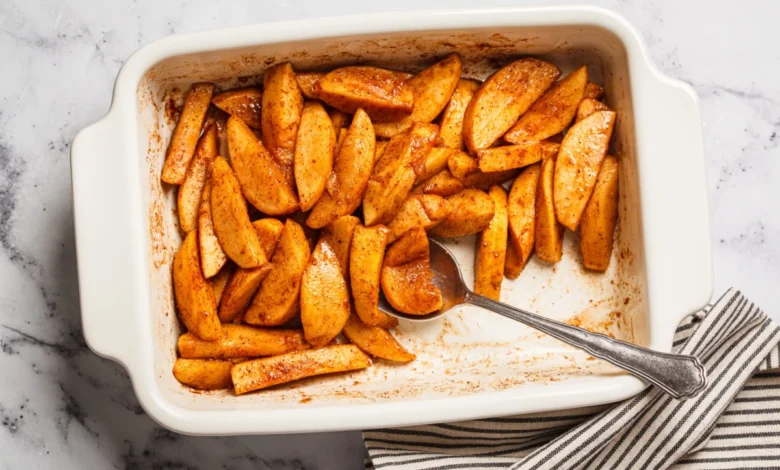
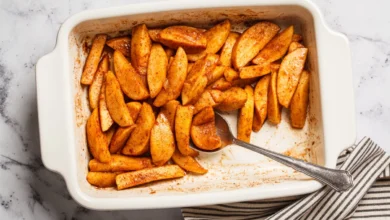
The culinary landscape of autumn and winter comfort food has long relied on the simple, yet profound, transformation that occurs when fresh orchard fruit meets heat, butter, and spice. Among the most enduring staples of domestic kitchens during the colder months is the preparation of warm cinnamon apples. Recently gaining traction across digital recipe platforms and family wellness blogs, a streamlined method for preparing caramelized apple slices in roughly fifteen minutes has captured the attention of home cooks seeking quick, wholesome, and versatile meal enhancements. Utilizing pantry staples such as pure maple syrup, ground cinnamon, and fresh apples, this rapid-preparation technique bridges the gap between everyday practicality and dessert-level indulgence, all while maintaining a nutritional profile suited for modern family lifestyles.
The cultural and historical significance of cooking apples with spices dates back centuries, serving as a primary method for preserving windfall harvests and enhancing the natural sugars of seasonal fruit before the widespread availability of refined sugars. In contemporary gastronomy, the resurgence of quick-skillet fruit preparations reflects a broader consumer shift toward mindful eating, unprocessed sweeteners, and time-saving kitchen solutions. Nutritionists and culinary experts note that as households increasingly prioritize whole-food ingredients over highly processed breakfast toppings and desserts, simple preparations like butter-sautéed apple slices offer a bridge between health consciousness and comfort. By harnessing the intrinsic sweetness of the fruit and augmenting it with unrefined sweeteners like maple syrup, modern cooks can achieve complex, caramelized flavor profiles without relying on excessive additives.
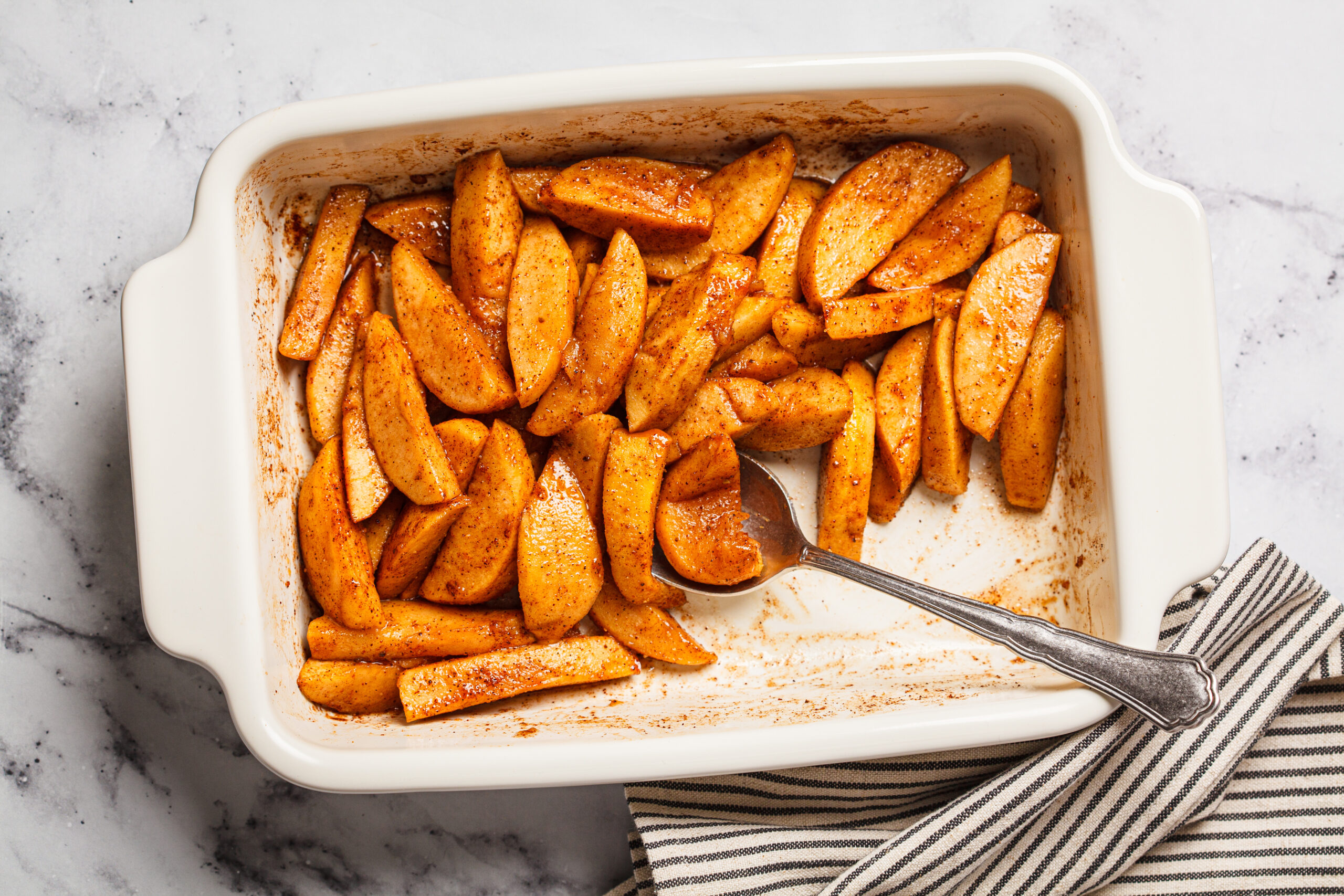
To achieve optimal results with this fifteen-minute recipe, culinary technicians emphasize the importance of precision in preparation and ingredient selection. The standard protocol requires fresh apples—ranging from tart varieties like Granny Smith to naturally sweet cultivars like Honeycrisp or Fuji—sliced uniformly to approximately one-quarter inch in thickness. This specific dimension is critical; slices that are cut too thin risk disintegrating into applesauce under heat, while overly thick pieces fail to soften adequately or absorb the surrounding flavors. The cooking process commences in a single skillet over medium heat, where a small amount of butter or a plant-based alternative is melted to coat the fruit. Pure maple syrup is then introduced, working in tandem with the natural juices released by the apples to create a glossy, reduced glaze as the mixture gently simmers. Ground cinnamon is folded into the pan during the final stages of cooking to prevent the spice from scorching, locking in a warm aromatic profile that defines the dish.
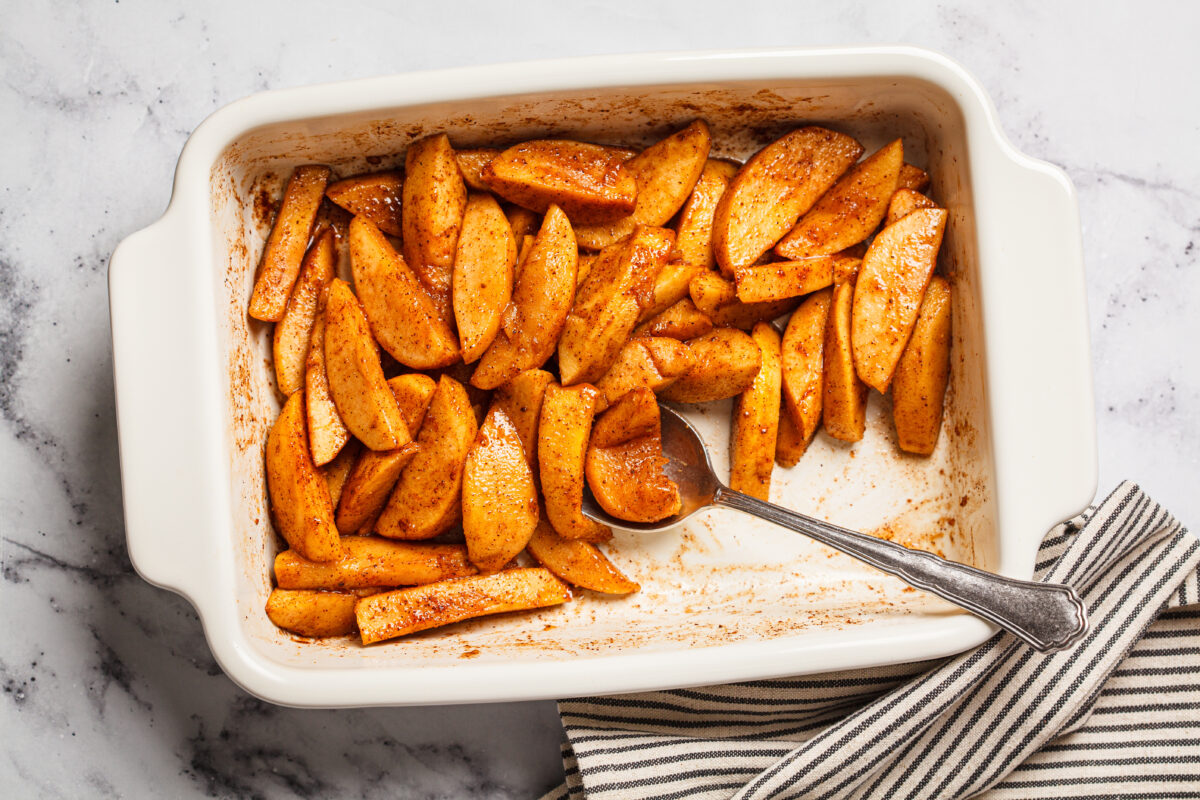
The versatility of caramelized apple slices extends far beyond a standalone snack, positioning them as a multi-functional ingredient across various meal categories throughout the day. Breakfast applications frequently include spooning the warm, buttery fruit over traditional rolled oats, chia seed puddings, Greek yogurt parfaits, or folded into weekend pancakes and waffles. For evening meals, the same preparation easily transitions into a rapid dessert option by serving the warm slices over a scoop of vanilla bean ice cream or alongside pound cake. Furthermore, the base recipe accommodates optional mix-ins such as raw pecan halves—which develop a toasted, nutty crunch when briefly sautéed alongside the fruit—and dried cranberries, introducing a tart, chewy textural contrast that elevates the dish for entertaining or specialized dietary preferences.
Nutritional and logistical data surrounding quick-skillet fruit preparations underscore their appeal within the modern home-cooking ecosystem. According to culinary data analysts, recipes requiring ten minutes of active preparation and five minutes of active cooking time have experienced a surge in user engagement, driven by time-pressed consumers seeking high-reward meals with minimal cleanup. From a nutritional standpoint, incorporating whole fruits into breakfast routines increases daily fiber intake, while the substitution of refined white sugar with pure maple syrup provides trace minerals and a lower glycemic impact, though nutritionists still advise mindful portion control due to the natural sugar content of the fruit. Additionally, the recipe’s inherent adaptability allows for seamless integration into vegetarian, gluten-free, and clean-eating regimens, broadening its demographic reach.
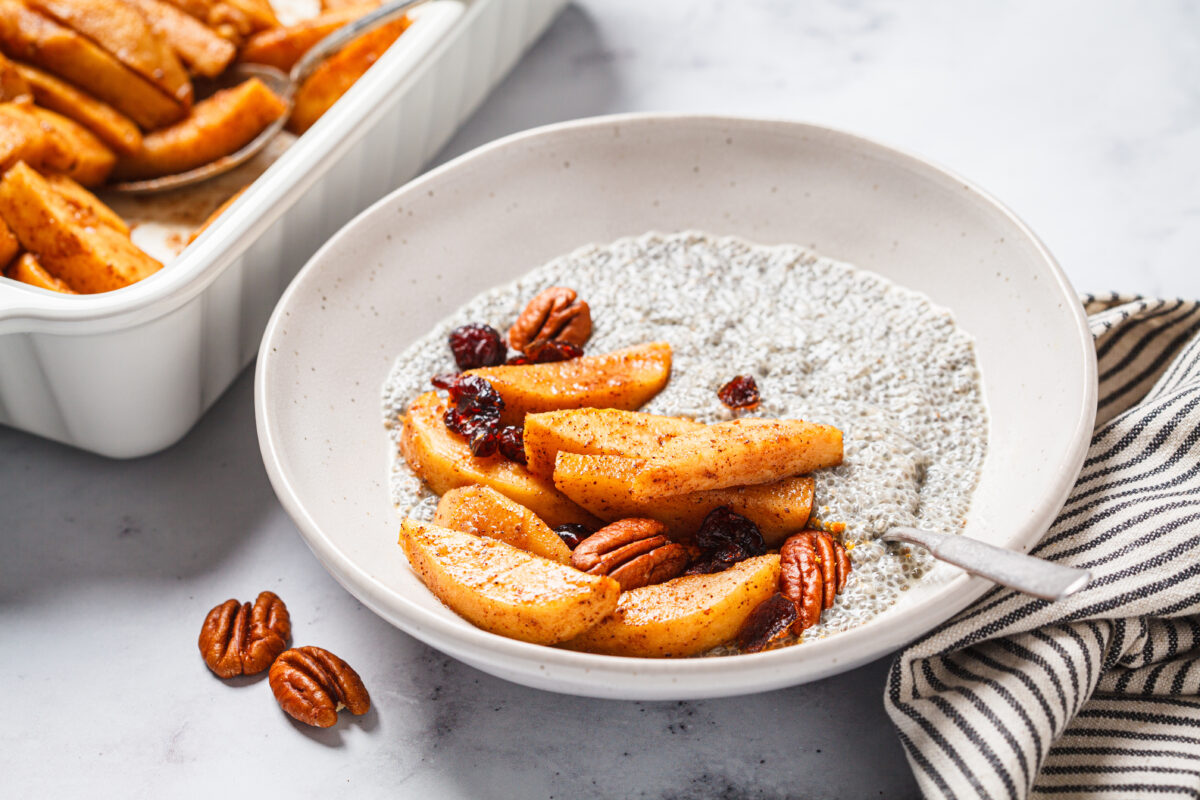
Industry experts and food safety authorities recommend proper post-preparation handling to maximize the shelf life and quality of leftover caramelized apples. Once cooked, the apple slices must be allowed to cool completely at room temperature before being transferred to an airtight glass or plastic container. Stored properly in the refrigerator, the dish retains its structural integrity and flavor profile for up to four days. Reheating can be efficiently executed on a stovetop skillet over low heat or via brief intervals in a microwave, though many consumers report enjoying the chilled leftovers directly out of the refrigerator when incorporated into cold breakfast bowls or overnight oats. Freezing is generally discouraged, as the high water content of the cooked fruit leads to textural degradation upon thawing.
As consumer interest in heritage-inspired, quick-assembly comfort foods continues to grow, preparations like the fifteen-minute caramelized apple skillet illustrate the enduring appeal of simplicity in the kitchen. By stripping away complex culinary techniques while honoring the natural synergy of butter, maple, and spice, home cooks are equipped with a reliable method to elevate everyday ingredients into sophisticated culinary components. Whether utilized as a nutrient-dense breakfast enhancer, a versatile baking mix-in, or a comforting standalone dessert, this foundational recipe demonstrates that exceptional flavor requires neither excessive time nor complicated pantry inventories, cementing its place as a modern household essential for years to come.