The Comprehensive Guide to Therapeutic Detox Baths: Science, Methods, and Health Implications

The practice of therapeutic bathing, often referred to in modern wellness circles as "detox baths," has transitioned from ancient tradition to a cornerstone of contemporary holistic health. While the human body possesses a sophisticated internal filtration system—primarily the liver, kidneys, and lymphatic system—proponents of detox baths argue that targeted external support can assist these natural processes. By utilizing specific mineral additives, individuals aim to improve skin health, boost circulation, and replenish essential minerals like magnesium. As wellness culture continues to expand into a multi-billion dollar global industry, the integration of these traditional remedies into daily routines highlights a growing shift toward preventative, home-based healthcare.
The Evolution of Balneotherapy: A Brief Chronology
The use of water for therapeutic purposes, known as balneotherapy, is not a modern invention but a practice spanning several millennia. Historically, the chronology of medicinal bathing reveals a consistent human reliance on mineral-rich waters to address physical ailments.
In Ancient Egypt (c. 3000 BCE), records indicate the use of essential oils and salts in communal and private baths for both hygiene and spiritual purification. By the time of the Roman Empire (c. 300 BCE – 400 CE), the construction of massive public thermae facilitated social interaction and physical therapy, utilizing varying temperatures to stimulate the circulatory system.
A significant milestone occurred in 1618 when a local villager in Epsom, England, discovered a well with water that refused to be consumed by cattle due to its bitter taste. This water was found to contain high levels of magnesium sulfate, leading to the birth of "Epsom salts." Throughout the 18th and 19th centuries, European "spa towns" like Bath and Baden-Baden became epicenters for medical tourism, where physicians prescribed specific mineral soaks for gout, skin conditions, and respiratory issues.
In the 21st century, the focus has shifted toward the "detoxification" aspect, responding to the increased environmental stressors of modern life, such as heavy metal exposure and synthetic pollutants.
The Physiology of Transdermal Absorption and Detoxification
The skin is the body’s largest organ, serving as both a protective barrier and a secondary pathway for elimination. The concept of a detox bath relies on two primary physiological mechanisms: osmosis and transdermal absorption.
Proponents suggest that when the body is submerged in warm water enriched with salts or clays, a process of osmosis occurs, drawing impurities out through the pores. Simultaneously, the body absorbs beneficial minerals through the skin. A 2017 study published in the journal Nutrients discussed the potential for transdermal magnesium absorption, noting that while the stratum corneum (the outermost layer of skin) is a formidable barrier, hair follicles and sweat glands may provide pathways for mineral entry.
Furthermore, the heat from a detox bath induces vasodilation—the widening of blood vessels. This increases blood flow to the skin’s surface, which can help deliver nutrients more efficiently and stimulate the lymphatic system to move cellular waste toward the primary organs of elimination.
Core Methodologies: Analyzing Detox Bath Varieties
The application of detox baths varies based on the specific health goals of the individual. Experts generally categorize these baths into several distinct formulations, each utilizing unique chemical properties to achieve therapeutic ends.
The Magnesium Sulfate (Epsom Salt) Standard
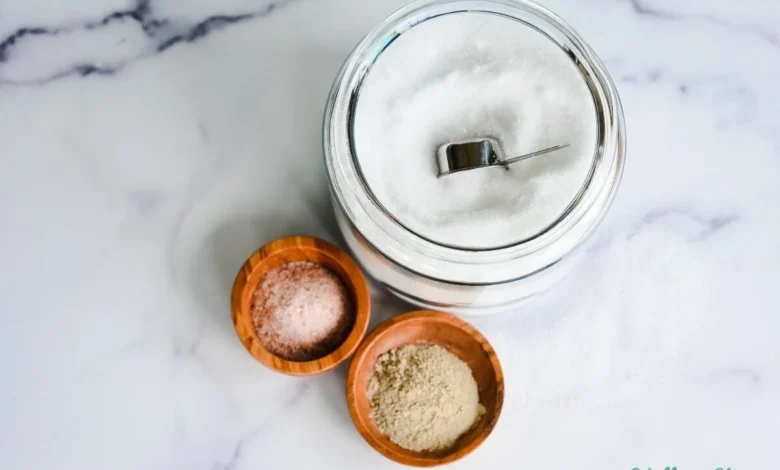
The most common form of detox bath utilizes Epsom salt. Chemically known as magnesium sulfate, these crystals dissolve in water to release magnesium and sulfate ions. Magnesium is a critical mineral involved in over 300 biochemical reactions in the human body, including muscle and nerve function, blood glucose control, and blood pressure regulation.
Clinical observations suggest that Epsom salt baths can alleviate muscle soreness and reduce inflammation. The sulfate component is believed to play a role in the formation of joint proteins and the stimulation of the pancreas to generate digestive enzymes.
Bentonite Clay for Heavy Metal Adsorption
Bentonite clay, often referred to as "healing clay," is used in baths for its unique ionic properties. When hydrated, the clay carries a strong negative electrical charge. Many toxins, including heavy metals like lead and mercury, carry a positive charge.
The mechanism here is "adsorption" rather than absorption. The clay particles act like a magnet, drawing toxins to their surface and binding them so they can be washed away. Experts recommend using a drain filter during these baths, as the sediment can accumulate in plumbing systems over time.
Oxygenation and Circulatory Support: The Ginger and Peroxide Method
Oxygen-based baths typically involve the use of food-grade hydrogen peroxide or ginger. Ginger is a potent thermogenic agent; it increases the body’s internal temperature, which stimulates sweating. This is often used during the onset of seasonal illnesses to clear congestion and alleviate body aches.
The addition of hydrogen peroxide is intended to increase the oxygen levels in the water, which proponents claim can help neutralize certain environmental toxins and provide a mild antibacterial effect on the skin.
pH Balancing with Apple Cider Vinegar
The human skin maintains a slightly acidic pH (the "acid mantle") to protect against pathogenic bacteria. Modern soaps and environmental factors can disrupt this balance. Apple Cider Vinegar (ACV) baths are utilized to restore the skin’s natural acidity. This method is frequently recommended for individuals suffering from eczema, dandruff, or dry, itchy skin. ACV contains acetic acid and malic acid, which provide antimicrobial properties and help soften the skin.
The Mustard Bath: An Ancient Circulatory Stimulant
Though less common in Western households, the mustard bath has deep roots in Ayurvedic and traditional European medicine. Using organic mustard powder rather than the culinary condiment, this bath serves as a powerful rubefacient—a substance that causes redness of the skin by increasing blood flow. This intense stimulation is often used to "break" a fever or soothe deep-seated muscular tension.
Expert Perspectives and Medical Oversight
While the benefits of detox baths are widely reported in the wellness community, medical professionals emphasize the importance of caution. Dr. Madiha Saeed, a board-certified family physician, notes that while these baths can support the body’s natural defenses, they are not a substitute for clinical medical treatment.
"Detoxification is a natural process that the body performs 24/7," Dr. Saeed explains. "External supports like Epsom salt baths can be beneficial for mineral replenishment and relaxation, but patients with underlying health conditions, particularly those who are pregnant or nursing, must consult with a healthcare provider before beginning a regimen."
Furthermore, dermatologists warn that over-soaking or using excessively hot water can strip the skin of its natural oils, leading to dermatitis. The general consensus among health professionals is that a detox bath should last between 20 to 40 minutes, followed by adequate hydration to compensate for fluids lost through perspiration.
Safety Protocols and Recommended Practices
To maximize the benefits of a detox bath while minimizing risks, a set of standardized protocols has emerged among practitioners:
- Hydration: Individuals should drink at least 16 ounces of water before and after the bath to prevent dehydration caused by heat and mineral-induced sweating.
- Temperature Regulation: The water should be comfortably warm but not scalding. Excessive heat can cause dizziness or a dangerous spike in heart rate, particularly for those with hypertension.
- Gradual Integration: Beginners are encouraged to start with one bath per week, gradually increasing frequency as the body acclimates to the mineral levels and the detoxification process.
- Post-Bath Rest: Many users report feeling fatigued or lethargic immediately following a soak. This is often attributed to the body’s energy being diverted to processing toxins and mineral absorption. As such, evening or bedtime routines are considered ideal.
- Quality of Ingredients: The use of high-quality, organic ingredients is stressed to avoid introducing more toxins (such as synthetic fragrances or pesticides) into the body during the process.
Broader Impact and Economic Implications
The rise of the "at-home spa" and detox bath movement is reflective of a larger economic trend. According to the Global Wellness Institute, the wellness economy grew to nearly $5.6 trillion in recent years. Within this, the "Personal Care & Beauty" and "Healthy Eating, Nutrition & Weight Loss" sectors have seen significant overlap with traditional mineral bathing.
The accessibility of these treatments—using inexpensive pantry staples like vinegar, baking soda, and salt—democratizes wellness. It shifts the power of health maintenance from expensive, exclusive retreats to the average household. However, this has also led to a surge in "wellness misinformation" online, necessitating a more rigorous, evidence-based approach to how these remedies are communicated to the public.
Conclusion: The Role of External Support in Modern Health
Detox baths represent a bridge between ancient wisdom and modern self-care. While they do not replace the vital functions of the liver and kidneys, they offer a scientifically plausible method for mineral replenishment, pH balancing, and circulatory stimulation. As environmental pollutants become an increasing concern in the 21st century, the use of clay, salts, and natural stimulants provides a low-cost, accessible avenue for individuals to take an active role in their physiological well-being. By adhering to safety guidelines and understanding the chemical mechanisms at play, the detox bath remains a valuable tool in the holistic health toolkit.
Related posts: