The modern kitchen has become a focal point for health-conscious consumers who prioritize organic produce, pastured meats, and high-quality oils. However, a growing body of scientific evidence suggests that the very tools used to prepare these ingredients may be compromising their nutritional integrity. From black plastic spatulas containing prohibited flame retardants to nylon turners shedding microscopic plastic particles under high heat, the utensils found in millions of households are increasingly being scrutinized for their potential to leach toxic chemicals into the food supply.

The shift toward non-toxic cooking utensils—primarily those made from wood, stainless steel, bamboo, and titanium—represents a return to materials that have historically been utilized for centuries. While the convenience of plastic and nylon once dominated the market due to low production costs and perceived durability, the long-term health and environmental costs are prompting a significant shift in consumer behavior and manufacturing standards.
The Chemical Composition of Modern Kitchen Risks
The primary catalyst for recent concern was a study published in the journal Chemosphere in September 2024. Researchers discovered that black plastic kitchen utensils frequently contain high concentrations of toxic flame retardants, including deca-BDE. This chemical, which was officially banned by the Environmental Protection Agency (EPA) in 2021, is often found in kitchenware because of the way black plastic is recycled. Much of the world’s recycled black plastic is sourced from shredded electronic waste, where flame retardants are used to prevent fires in circuit boards and casings. When this plastic is repurposed for consumer goods, the hazardous chemicals persist in the material.

According to the National Institute of Environmental Health Sciences, these flame retardants are classified as persistent organic pollutants. They are linked to a variety of severe health outcomes, including thyroid dysfunction, endocrine disruption, neurotoxicity, and certain types of cancer. Furthermore, because these chemicals bioaccumulate, they remain in the human body and the environment for decades, posing a multi-generational health risk.
Beyond flame retardants, the structural integrity of plastic utensils is compromised by heat and friction. A standard nylon spatula, when used on a hot pan, undergoes thermal degradation. This process releases microplastics and nanoplastics directly into the meal. The PlastChem Report indicates that of the approximately 16,000 chemicals associated with plastic production, at least 25% are considered hazardous to human health.

Chronology of Kitchenware Material Regulation
The transition toward non-toxic alternatives follows a decade-long timeline of increasing regulatory pressure and scientific discovery:
- 2008–2012: High-profile campaigns led to the widespread removal of Bisphenol A (BPA) from baby bottles and water containers.
- 2015–2019: Scientific focus shifted to Per- and Polyfluoroalkyl Substances (PFAS), often called "forever chemicals," used in non-stick coatings for pans and utensils.
- 2021: The EPA formally prohibited the processing and distribution of deca-BDE, though enforcement in the recycled plastic supply chain remained a challenge.
- 2024: The Chemosphere study provided definitive evidence that the recycled plastic loop was contaminating food-contact surfaces with e-waste chemicals.
Evaluating the Safest Alternatives: Material Science in the Kitchen
To mitigate these risks, experts suggest a transition to inert, non-reactive materials. Each material offers distinct advantages and maintenance requirements that consumers must consider.

Food-Grade Stainless Steel
Stainless steel, specifically 18/10 or 18/8 grades, remains the professional standard for non-toxic cooking. These numbers refer to the percentage of chromium and nickel, respectively. Chromium provides rust resistance, while nickel provides a polished finish and added durability. Stainless steel is non-porous, meaning it does not harbor bacteria, and it does not require chemical coatings to remain functional. Its primary drawback is that it can scratch delicate ceramic or non-stick surfaces, making it best suited for cast iron or uncoated steel cookware.
Hardwoods and Bamboo
Wooden utensils made from maple, cherry, beech, or olive wood are naturally heat-resistant and gentle on all cooking surfaces. When sourced responsibly, as indicated by Forest Stewardship Council (FSC) certification, wood is a renewable and biodegradable resource. The safety of wood depends heavily on the finish; consumers are advised to look for products treated with food-grade mineral oil or beeswax rather than undisclosed synthetic lacquers.
Bamboo, while technically a grass, offers similar benefits but with a faster growth cycle. It is often harder than traditional hardwoods, though it requires careful manufacturing to ensure that no toxic glues are used to laminate the pieces together.
Pure Titanium
Titanium is the most recent entry into the high-end utensil market. It is prized for being completely non-reactive—even with highly acidic foods like tomato sauce—and naturally antibacterial. Because it is incredibly lightweight and virtually indestructible, it has gained a following among both professional chefs and outdoor enthusiasts.

Profiles of Leading Non-Toxic Brands
Several brands have emerged as leaders in this space, combining traditional craftsmanship with modern safety standards and third-party testing.
1. Caraway: The Design-Forward Approach
Caraway has gained significant market share by focusing on aesthetic appeal without compromising on safety. Their 5-piece birchwood utensil set was named one of TIME’s Best Inventions of 2024. The brand differentiates itself through rigorous third-party testing for over 200 types of PFAS, ensuring that their FSC-certified wood remains free of the "forever chemicals" that plague the industry.
2. Earlywood: American Craftsmanship
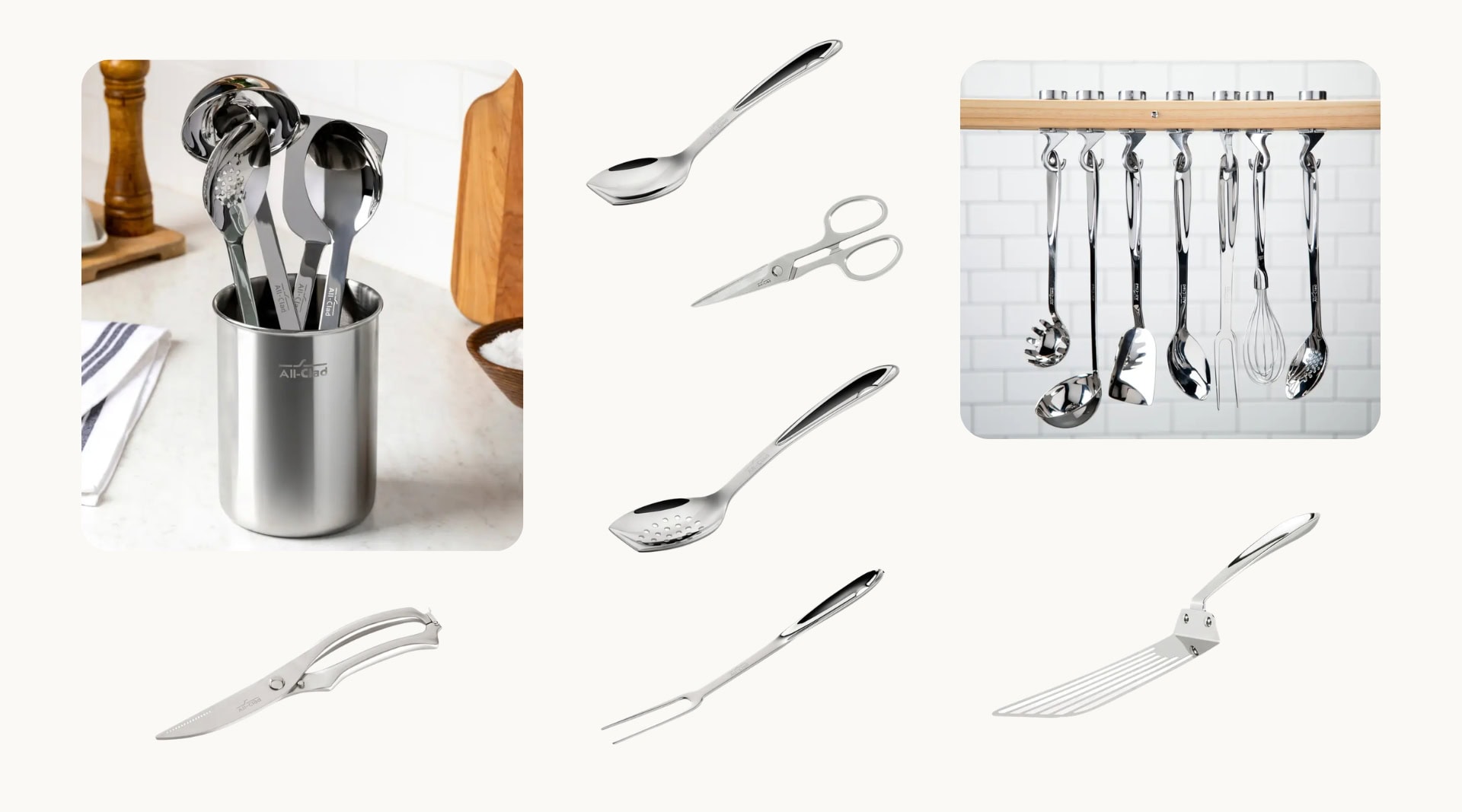
Based in Montana, Earlywood focuses on heirloom-quality hardwood tools. Founded by a mechanical engineer, the brand emphasizes ergonomic design and the use of dense hardwoods like jatoba and bloodwood. Their commitment to reforestation and a lifetime guarantee positions them as a sustainable alternative to the "disposable" culture of plastic kitchenware.
3. Bambu: Certified Sustainability
Bambu holds multiple certifications, including B Corp status and USDA Biobased certification. Their products are unique because they are often crafted from single pieces of wild-grown bamboo, eliminating the need for adhesives. This "single-piece" construction is a critical safety feature for those looking to avoid chemical binders.

4. All-Clad: Professional Grade Reliability
A staple in high-end kitchens since 1971, All-Clad’s stainless steel utensils are engineered for longevity. Using premium 18/10 stainless steel, these tools are dishwasher safe and designed to withstand the rigors of commercial kitchen environments, making them a one-time investment for most home cooks.
5. Our Place: Modern Material Integration
Known for their "Always Pan," Our Place offers utensils that bridge the gap between tradition and modern needs. While they offer beechwood and stainless steel, they also utilize high-quality, platinum-cured silicone. This material is considered a safer synthetic alternative, free from BPA and phthalates, and ideal for use with non-stick surfaces.

6. Itza Wood: Social and Environmental Impact
Itza Wood utilizes exotic woods from the Petén region of Guatemala. By employing local artisans, the brand supports the conservation of Central America’s largest tropical forest. Their spoons and spatulas serve as functional art, showcasing the natural grain of sustainably harvested timber.
7. Jonathan’s Spoons: The Artisan Standard
For over 40 years, Jonathan Simons has hand-carved cherry wood utensils in Pennsylvania. This brand represents the pinnacle of the artisan movement, offering specialized tools—including left-handed designs—that are finished solely with food-grade oils.

8. Seed & Sprout: International Safety Standards
This Australian brand adheres to the German LFGB standard, which is widely considered the most stringent food safety certification in the world. Their beechwood sets are finished with natural beeswax, providing a completely biodegradable and non-toxic option for the modern home.
9. Taima: Titanium Technology
Taima focuses on the high-performance benefits of pure titanium. Their utensils are marketed as "indestructible," offering a solution for consumers who want a zero-maintenance, non-reactive tool that can last a lifetime.

Broader Impact and Market Implications
The move toward non-toxic utensils is part of a larger "Clean Kitchen" movement that is reshaping the global housewares market. Data from market research firms suggests that the eco-friendly cookware segment is growing at a faster rate than traditional plastic-based sectors. This shift is driven by a demographic of "conscious consumers" who view their purchasing power as a tool for environmental and personal health advocacy.
The implications of this transition extend beyond the individual kitchen. By reducing the demand for cheap plastic utensils, consumers are indirectly putting pressure on manufacturers to clean up the recycled plastic supply chain. Furthermore, the adoption of biodegradable materials like wood and bamboo addresses the global plastic waste crisis. While a single wooden spoon may seem insignificant, the cumulative effect of millions of households moving away from petroleum-based tools represents a substantial reduction in microplastic pollution.

Final Analysis: The Cost of Safety
While non-toxic utensils often carry a higher upfront cost than their plastic counterparts, their lifespan is significantly longer. A high-quality stainless steel ladle or a well-oiled maple spatula can last decades, whereas plastic tools often warp, melt, or stain within a few years of use.
For the consumer, the transition to non-toxic tools requires a slight change in habits—specifically, the willingness to hand-wash wooden items and occasionally treat them with mineral oil. However, in the context of reducing exposure to carcinogens and endocrine disruptors, this maintenance is a small price to pay for the assurance that the tools used to nourish a family are not simultaneously contaminating their food. As regulatory bodies continue to investigate the hidden dangers of recycled plastics, the return to traditional materials appears not just as a trend, but as a necessary evolution in public health.
Related posts: