Mediterranean Bean Salad: A Nutritional Analysis of Sustainable Meal Prep Solutions

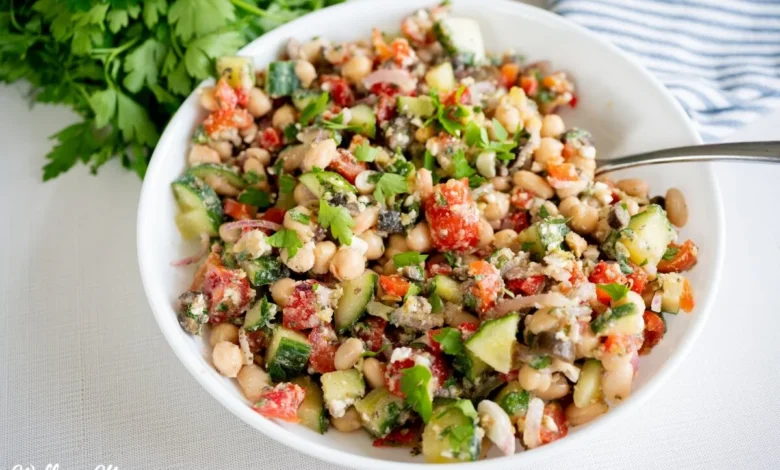
The modern culinary landscape has seen a significant shift toward the integration of high-fiber, plant-based, and shelf-stable meal preparation strategies. Among the various dietary trends emerging in 2024, the Mediterranean bean salad has gained prominence as a functional, nutrient-dense solution for individuals balancing time constraints with health objectives. By leveraging the shelf-stability of legumes—specifically chickpeas and cannellini beans—this dish serves as a case study in how simple, whole-food ingredients can be optimized for long-term refrigeration without compromising structural integrity or nutritional value.
The Nutritional Composition and Ingredient Synergy
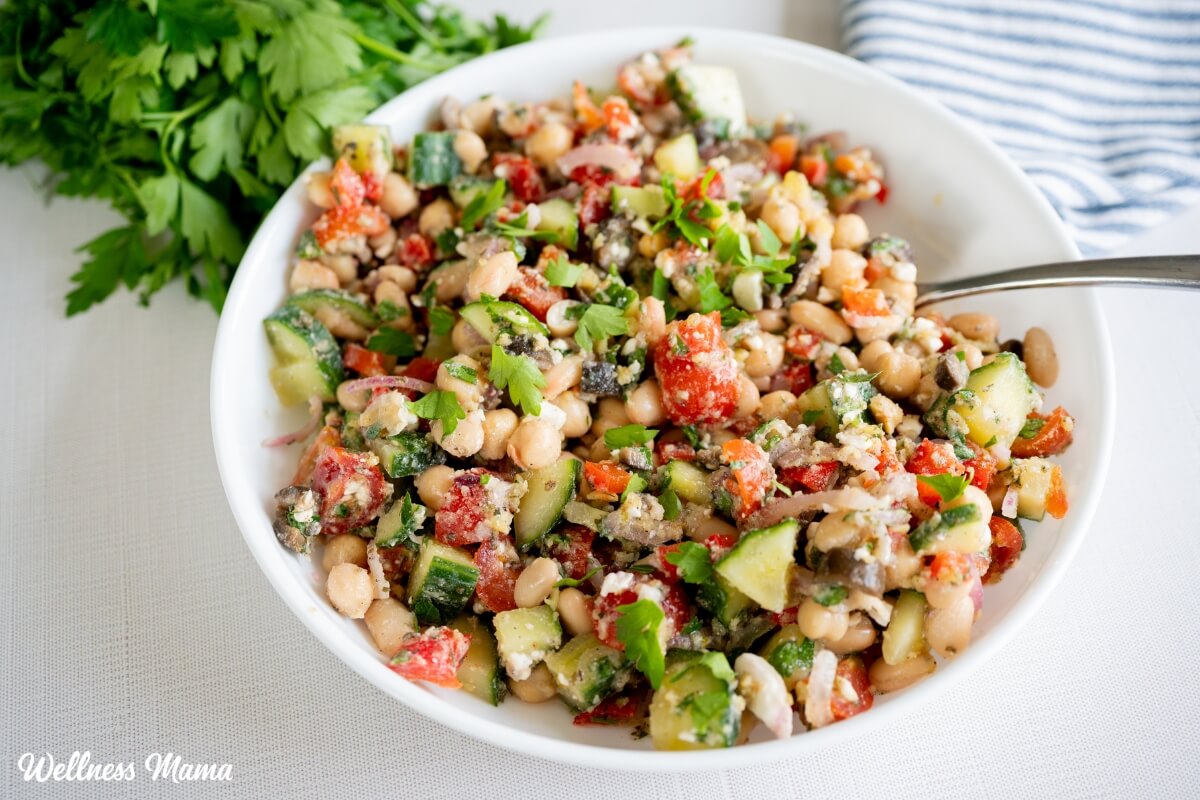
From a biochemical perspective, the Mediterranean bean salad offers a balanced macronutrient profile, providing a sustainable energy source. Legumes such as chickpeas (Cicer arietinum) and cannellini beans (Phaseolus vulgaris) are staples in the Mediterranean diet, recognized globally for their high dietary fiber and protein content. A standard serving of this salad provides approximately 8 grams of protein and 6 grams of fiber, contributing significantly to glycemic control and satiety.
The lipid profile of the salad is largely derived from extra virgin olive oil, which serves as the primary component of the vinaigrette. Olive oil is rich in monounsaturated fatty acids, particularly oleic acid, which has been clinically linked to improved cardiovascular health markers. When emulsified with lemon juice—a source of ascorbic acid—and combined with aromatic herbs such as mint, parsley, and oregano, the dressing acts as a natural preservative. The acidity of the lemon juice lowers the pH level of the dish, which can inhibit the growth of spoilage-related microorganisms during the standard 3-to-4-day refrigeration window.
Chronology of Culinary Adaptation and Meal Prep Trends
The rise of "batch cooking" as a household management strategy is not merely a modern convenience but a response to the accelerated pace of contemporary life. The chronology of this trend can be traced back to the early 2010s, when health-conscious consumers began moving away from processed, pre-packaged convenience foods in favor of homemade, nutrient-dense alternatives.
By 2018, data from food consumption surveys indicated a 22% increase in home meal preparation among working professionals. The Mediterranean bean salad emerged as a preferred dish within this movement because it lacks the fragility of leafy green salads. Unlike lettuce-based salads, which undergo rapid enzymatic browning and wilting when exposed to moisture, the hearty texture of beans and the density of vegetables like bell peppers and cucumbers allow the structural integrity of the salad to remain intact for up to 96 hours. This longevity has made it a preferred staple for meal-planning services and health-focused culinary blogs alike.
Scientific Benefits of Marination and Resting Periods
One of the most critical aspects of preparing this salad is the resting period. Culinary research suggests that a minimum of 15 minutes of rest allows for osmotic pressure to equalize between the dressing and the produce. The sodium content from the feta cheese and olives, combined with the acidity of the lemon juice, creates a marinade effect.
During this time, the legumes absorb the volatile aromatic compounds from the garlic and herbs. Furthermore, the fiber-rich cell walls of the chickpeas and beans soften slightly, creating a more cohesive flavor profile. When stored in a sealed container, the flavors continue to deepen, a phenomenon often observed in bean-based dishes where the starch and proteins undergo a slow diffusion of flavors over a 24-hour period. This scientific reality renders the dish more palatable on the second day than the first, a quality that is highly desirable for those practicing multi-day meal prep.
Broader Economic and Health Implications
The widespread adoption of this recipe reflects a broader shift toward "economical nutrition." By relying on pantry staples such as canned or dried beans, consumers can mitigate the rising costs of fresh animal proteins. Data from agricultural economic reports suggest that plant-based protein sources, specifically pulses, remain the most cost-effective way to achieve recommended daily protein intake.
Furthermore, the environmental implications of shifting toward a bean-based diet are notable. Legumes have a significantly lower carbon footprint compared to animal-derived proteins, requiring less water and land usage. The integration of such meals into a weekly diet represents a micro-level action toward more sustainable consumption patterns. The versatility of the salad also reduces food waste; because the ingredients—such as cucumbers, tomatoes, and bell peppers—can be easily swapped for seasonal alternatives, the recipe facilitates the use of whatever produce is currently available in the home, thereby reducing the likelihood of discarding unused perishables.
Practical Implementation and Customization
For those interested in implementing this into a routine, the process is streamlined by the "jar-shake" method. The preparation of the vinaigrette in a pint-sized Mason jar—a practice supported by professional chefs for its efficiency—reduces cleanup time and ensures a perfect emulsion of oil and acid.
Experts in nutrition and meal planning suggest the following best practices for optimizing the dish:
- Moisture Control: Ensure that all fresh vegetables are thoroughly dried after washing. Excess surface water can dilute the dressing and accelerate the degradation of the produce.
- Temperature Management: While the salad is shelf-stable, keeping it at a constant temperature of 40°F (4°C) or below is critical to preventing bacterial growth.
- Strategic Additions: The inclusion of avocados is recommended, but only at the time of service. Due to rapid oxidation (browning) upon exposure to oxygen, pre-mixing avocado into a batch-prepped salad is discouraged.
- Acidity Adjustment: A final garnish of fresh lemon juice immediately before serving provides a "bright" flavor profile that can rejuvenate the dish after several days of storage.
Nutritional Data Overview
Based on a standard 1-cup serving size, the Mediterranean bean salad provides a comprehensive nutrient profile. With approximately 200 calories per serving, it serves as a calorie-controlled option for lunch or a side dish. The 11 grams of fat are predominantly monounsaturated, aligning with current dietary guidelines that encourage replacing saturated fats with heart-healthy unsaturated fats. The 35% daily value of Vitamin C, derived primarily from the bell peppers and lemon juice, supports immune function, while the 122mg of calcium from the feta contributes to bone health.
Conclusion
The Mediterranean bean salad is more than a simple recipe; it is a manifestation of efficient, health-conscious living. By utilizing the intersection of shelf-stable legumes and fresh, nutrient-dense produce, individuals can achieve a high level of dietary compliance without the time burden typically associated with home cooking. As the demand for convenient, healthy food continues to rise, the principles applied to this dish—longevity, nutrient density, and adaptability—will likely continue to influence domestic meal-planning strategies.
By standardizing these practices, households can reduce their reliance on ultra-processed convenience foods, lower their overall food costs, and improve their intake of essential fiber and micronutrients. Whether served as a side to grilled proteins or enjoyed as a standalone light meal, the Mediterranean bean salad offers a template for success in the modern, fast-paced culinary environment. As public interest in longevity and nutrition grows, the reliance on such time-tested, versatile, and objectively healthy recipes will remain a vital component of the contemporary diet.