The Comprehensive Guide to Biological Photobiology and the Impact of Light Exposure on Human Health

Light is fundamentally the most influential environmental cue for human biology, acting as the primary zeitgeber—or time-giver—that synchronizes the internal circadian clock. While modern life has increasingly moved indoors, current clinical research suggests that the resulting "light malnutrition" is a significant contributor to metabolic dysfunction, sleep architecture disruption, and hormonal imbalances. Understanding the physics of light, from the ultraviolet (UV) spectrum to near-infrared (NIR) and blue light, is essential for optimizing human performance and long-term health outcomes.
The Chronology of Human Light Exposure
For the vast majority of human evolution, the species existed in a state of constant exposure to natural light cycles. The industrial revolution and the subsequent widespread adoption of electric lighting in the early 20th century marked a pivot point in human history. Prior to the invention of the incandescent bulb, human activity was dictated by the solar cycle. Today, the Environmental Protection Agency (EPA) estimates that the average modern human spends approximately 90% of their life indoors.
This drastic reduction in solar exposure is quantifiable. Recent sociological and health polls indicate that children, who once played outdoors for several hours daily, now average between four and seven minutes of unstructured outdoor time. Among adults, data suggests that more than 18% of the population spends less than 15 minutes of their daily cycle in natural light, creating a profound disconnect between human physiology and the external environment.
Circadian Rhythms and the Cortisol Connection
The human circadian rhythm is a complex, 24-hour internal clock orchestrated primarily by the suprachiasmatic nucleus (SCN) in the hypothalamus. This system regulates a cascade of physiological processes, including body temperature, insulin sensitivity, and the secretion of cortisol and melatonin.
Cortisol, often mischaracterized as merely a "stress hormone," is essential for human function; it follows a diurnal rhythm, peaking shortly after waking to provide energy and alertness. Light exposure—specifically the transition from dawn to daylight—is the trigger for this surge. Conversely, exposure to short-wavelength blue light during evening hours inhibits the production of melatonin, the hormone responsible for sleep onset and cellular repair. Research from the Cleveland Clinic and other academic institutions has demonstrated that improper lighting environments can effectively "de-synchronize" the body’s internal clock, leading to chronic inflammation and metabolic syndrome.
The Role of Sunlight in Vitamin D Synthesis
Sunlight serves as the primary catalyst for the cutaneous synthesis of Vitamin D3. When ultraviolet B (UVB) radiation strikes the skin, it initiates a chemical process that converts 7-dehydrocholesterol into previtamin D3. Vitamin D is not merely a vitamin; it is a pro-hormone that influences the expression of over 200 genes, including those involved in immune system regulation and bone density maintenance.
Clinical experts have raised concerns regarding the trend toward aggressive sun avoidance. While prolonged exposure without protection increases the risk of squamous cell and basal cell carcinomas, current medical consensus is shifting toward a more nuanced "safe sun" approach. This involves calculated exposure during hours where the solar angle allows for UVB synthesis, balanced against the prevention of erythema (sunburn).
Therapeutic Applications: Red Light and Photobiomodulation
Beyond the visual spectrum, light therapy—specifically in the red and near-infrared (NIR) ranges—has moved from the fringes of alternative medicine into legitimate clinical study. Known scientifically as photobiomodulation (PBM), this practice involves the use of specific wavelengths (typically between 600nm and 900nm) to stimulate mitochondrial function.
At the cellular level, red light is thought to act on cytochrome c oxidase, an enzyme in the mitochondria that increases the production of adenosine triphosphate (ATP), the primary energy carrier in cells. Targeted PBM devices, including panels and specialized therapeutic masks, are currently being evaluated for their efficacy in skin rejuvenation, wound healing, and the reduction of systemic inflammation. Unlike UV light, these wavelengths do not damage skin cells but rather assist in repairing them, marking a significant advancement in non-invasive therapeutic interventions.
The Problem with Artificial Indoor Lighting
Modern indoor lighting, particularly the widespread use of Light Emitting Diodes (LEDs), presents a unique set of challenges. Many low-cost LED systems exhibit a high flicker rate—often invisible to the human eye but detectable by the central nervous system. This constant, high-frequency pulsing can induce ocular fatigue and exacerbate neurological stress in susceptible individuals.
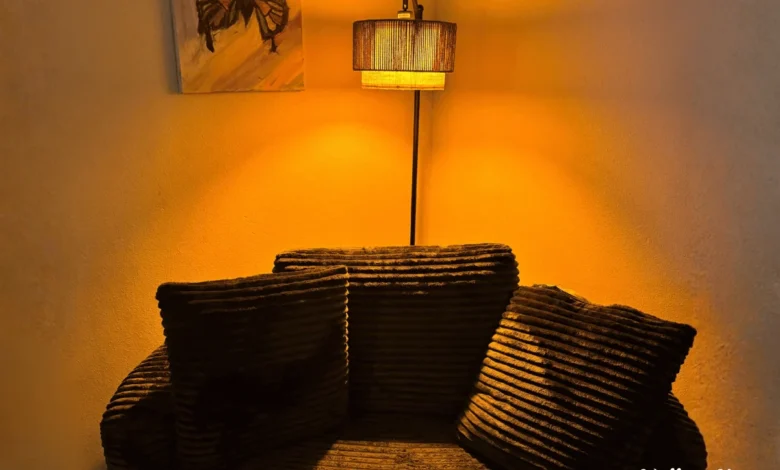
Furthermore, the spectral power distribution of typical artificial light is heavily skewed toward the blue end of the spectrum. In the late evening, this spectral bias mimics the high-noon sun, signaling to the brain that it is still daytime. This suppression of the "darkness signal" is a primary contributor to the global rise in sleep latency issues and sleep-quality deficits. Experts in lighting design suggest that the optimal indoor environment should mirror the natural progression of the day: high-intensity, cooler-toned light in the morning to stimulate alertness, transitioning to lower-intensity, warmer-toned light as the evening progresses.
Integrating Health-Conscious Lighting Strategies
Optimizing health through light is a multi-faceted approach. Professionals in the field of chronobiology suggest a hierarchical strategy for integrating these habits:
- Morning Reset: Prioritize outdoor light exposure within 30 minutes of waking. This stabilizes the cortisol rhythm and sets the "timer" for melatonin release 14–16 hours later.
- Spectral Management: During the workday, ensure adequate "blue-rich" light exposure to maintain cognitive performance.
- Evening Mitigation: Utilize "blue blockers," warm-spectrum bulbs, or dimmable lighting two to three hours before bedtime to facilitate natural melatonin production.
- Strategic Supplementation: Where natural light is unavailable due to climate or geographic constraints, utilize medical-grade light therapy boxes or PBM panels to maintain mitochondrial health.
Broader Implications and Public Health
The implications of the current "light-deprived" lifestyle extend far beyond individual fatigue. There is a growing body of evidence linking light-cycle disruption to a range of public health issues, including obesity, depression, and immune system fragility. As the global population becomes increasingly urbanized, the ability to control and optimize one’s light environment may become a critical public health literacy skill.
The scientific consensus is increasingly clear: light is not merely a facilitator of vision; it is a vital nutrient. When treated as an environmental variable that can be manipulated for health, light exposure becomes a potent tool for regulating the body’s internal systems. By shifting away from the indiscriminate use of artificial light and re-establishing a connection with natural solar cycles, individuals can significantly improve their physiological resilience and long-term health outcomes.
While light remains one tool in a broader wellness "toolbox" that includes nutrition, hydration, and stress management, its impact is arguably foundational. Without the correct environmental signaling provided by light, the effectiveness of other health interventions—such as diet and exercise—is often diminished. Moving forward, the integration of light-hygiene practices into daily routines represents a low-cost, high-impact strategy for enhancing human longevity.
Related posts: